Parts of a Satellite: Systems That Keep It Working
Discover the key components and systems inside a satellite that ensure its operation in space, including power, thermal control, and communication.
| Active satellites | 15,874 |
| Starlink active | 10,081 |
| Catalogued objects | 31,789 |
| Active close approaches | 14 |
| People in space | 10 |
Satellites are intricate machines composed of various essential systems that ensure their functionality in the harsh environment of space. These systems include power supply, thermal control, attitude and orbit control, propulsion, computers, and communication equipment. Each part plays a critical role in maintaining the satellite's operations and stability. As of now, 15,874 active satellites are in orbit, according to Orbital Radar tracking data, each relying on these systems to perform their designated tasks.
The Thermal Control System (TCS) is particularly vital, as it keeps the satellite's components within operational temperature limits despite extreme conditions. Passive tools such as coatings and insulation blankets are complemented by active elements like heaters and heat pipes. Meanwhile, the propulsion system allows satellites to adjust their orbits and maintain their position relative to Earth.
For those interested in exploring the specifics of these systems, the satellite bus and thermal control entries in our glossary provide detailed explanations.
What is a satellite bus?
The satellite bus is the core structure of a satellite, providing the framework that supports all its systems and payloads. It is designed to endure the harsh conditions of space, including intense radiation and extreme temperatures. The bus acts as the backbone, housing critical subsystems such as power supply, thermal control, and propulsion, which are essential for the satellite's operation and longevity.
A well-designed satellite bus is crucial for mission success, whether the goal is communication, Earth observation, or scientific research. For example, thermal control systems (TCS) are integrated into the bus to manage temperature fluctuations, using passive elements like insulation blankets and radiators, alongside active components such as heaters and heat pipes. This ensures that the satellite remains operational under varying conditions, with sunlight potentially heating one side to +120°C while the other side faces temperatures as low as −150°C.
Different types of buses are tailored for specific missions. Communication satellites might require larger buses to support extensive antenna arrays, while Earth observation satellites might prioritise stability and precision in their design. The choice of bus affects the satellite's capabilities and determines its potential payloads, such as cameras or sensors.
With 15,874 active satellites currently in orbit, according to Orbital Radar tracking data, understanding the role of the satellite bus is essential for grasping how these complex machines function in space. For more information on satellite components, the satellite bus glossary provides detailed insights.
How do satellites generate power?
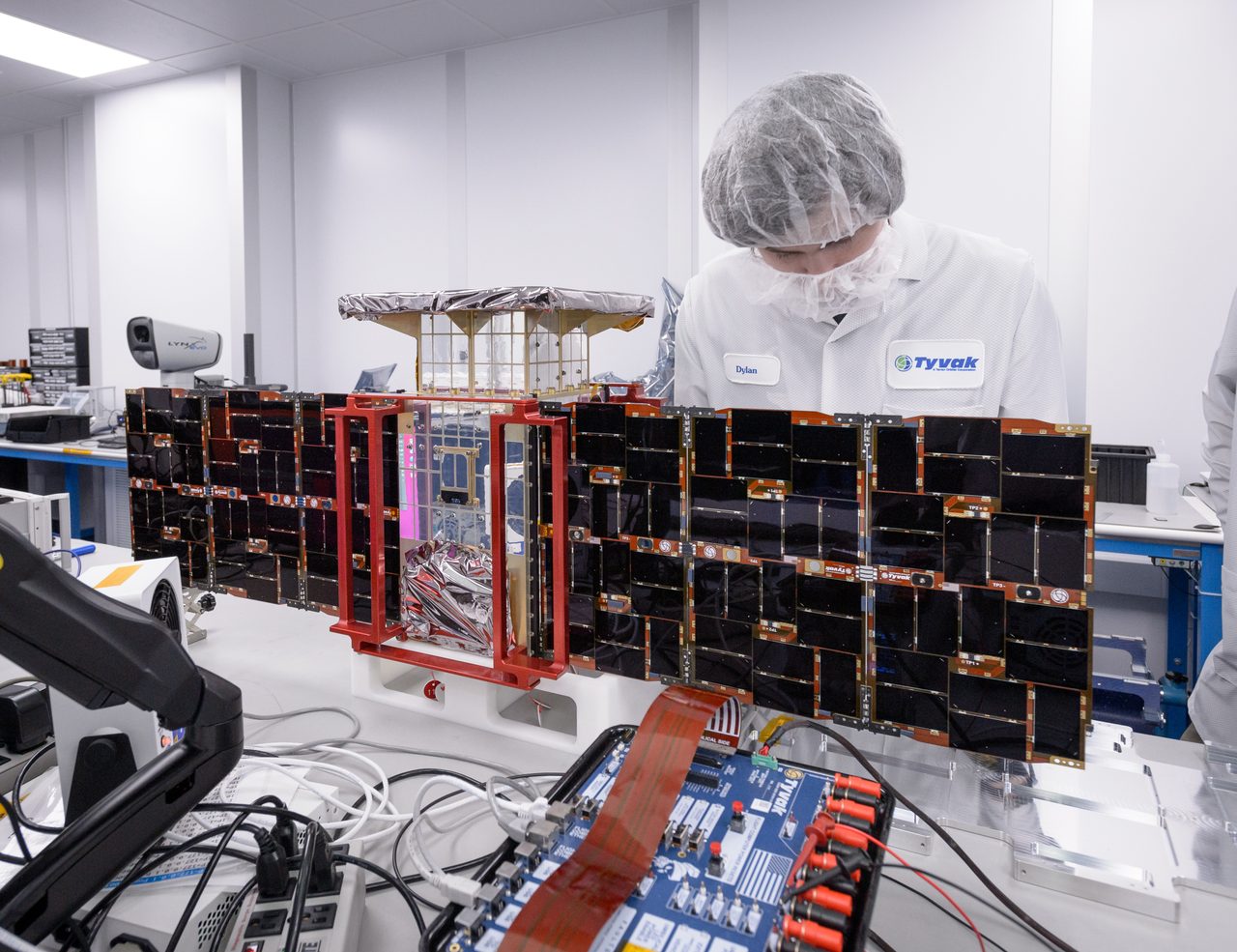
Satellites primarily generate power through solar panels, which convert sunlight into electricity. These panels are typically made of photovoltaic cells, which are designed to capture solar energy efficiently. The electricity generated is used to power the satellite's systems and instruments. When a satellite moves into Earth's shadow, it relies on batteries to maintain operations. These batteries store excess energy generated by the solar panels when the satellite is in sunlight.
The efficiency and reliability of these power systems are crucial for long-term missions, especially those in geostationary orbit, where satellites remain fixed relative to a point on Earth. Advances in solar cell technology have significantly improved the power generation capabilities of satellites. For instance, modern satellites often use multi-junction solar cells, which can convert a higher percentage of sunlight into electricity compared to older technologies.
With an estimated 15,800 tonnes of orbital mass, the demand for efficient power systems is high, as highlighted by Orbital Radar's live catalogue. This is particularly true for large constellations like Starlink, which consists of over 10,000 active satellites, each requiring a robust power supply to function effectively. For more detailed information on how satellites operate, you can explore the satellite library or learn about specific satellite bus systems in our glossary.
What is thermal control in satellites?
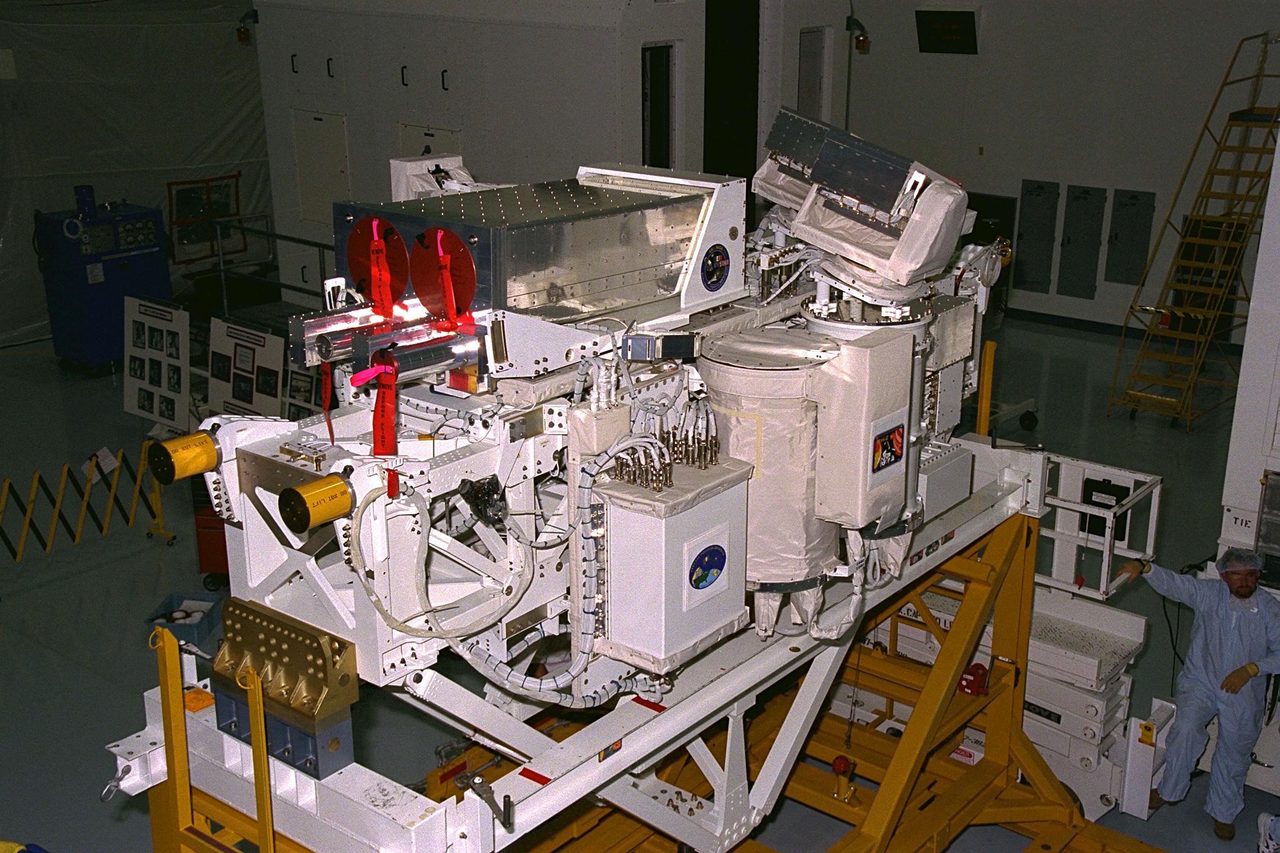
Thermal control in satellites is essential for maintaining the operational integrity of onboard systems. A satellite's Thermal Control System (TCS) ensures that all components remain within their designated temperature limits, despite the harsh thermal environment of space. One side of a satellite can face temperatures as high as +120°C when exposed to sunlight, while the opposite side can drop to −150°C in the shadow.
To manage these extremes, satellites employ both passive and active thermal control methods. Passive techniques include the use of thermal coatings, insulation blankets, and radiators, which help reflect or absorb heat to maintain a balanced internal temperature. These tools are crucial as they perform the bulk of thermal regulation without requiring additional power or moving parts.
Active methods involve more dynamic systems like heaters, heat pipes, and louvres, which adjust to changing thermal conditions by distributing heat where needed or releasing excess heat into space. This combination of passive and active strategies is critical for protecting sensitive electronics and ensuring the satellite's longevity.As of now, there are 15,874 active satellites in orbit, according to Orbital Radar tracking data. Each of these relies on a well-designed TCS to function effectively in the challenging environment of space. For more detailed information on satellite components, you can explore our Thermal Control System (TCS) entry in the glossary.
How do satellites maintain their orientation?
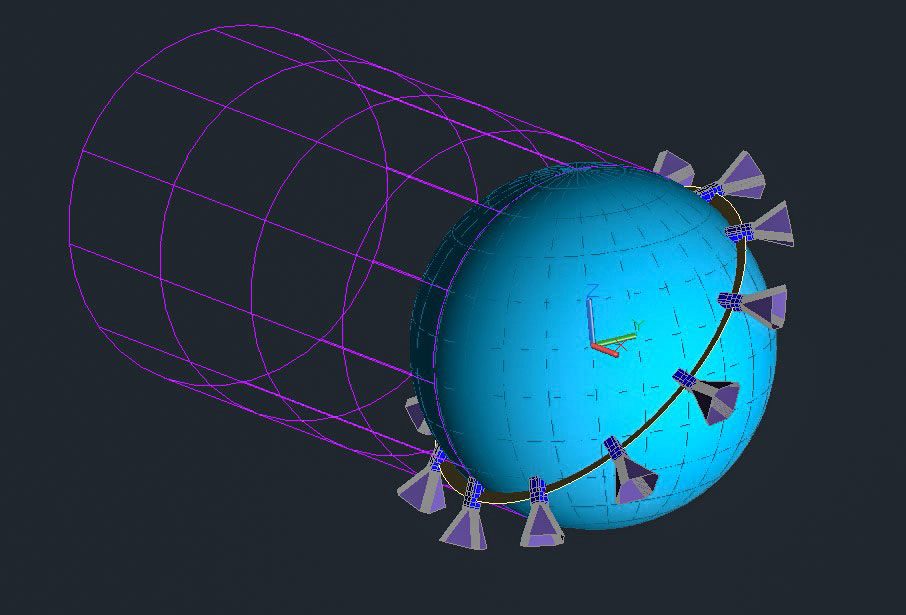
Satellites maintain their orientation through attitude control systems, which are crucial for ensuring the satellite remains correctly aligned for communication and data collection. These systems use a combination of sensors and actuators to control the satellite's orientation across three axes: pitch, yaw, and roll.
Common tools utilised in attitude control include gyroscopes and reaction wheels. Gyroscopes help measure the rate of rotation, providing data that can be used to adjust the satellite's position. Reaction wheels, on the other hand, are used to exert torque on the satellite, allowing it to change its orientation without expelling any mass.
The importance of maintaining proper orientation cannot be overstated, as it is vital for the satellite's ability to communicate with ground stations and to accurately point its instruments at targets of interest. For instance, a misaligned communication satellite could fail to relay signals effectively, while an Earth observation satellite might miss capturing the intended area.
As of now, 15,874 active satellites are in orbit, according to Orbital Radar tracking data. These satellites rely on sophisticated attitude control systems to perform their missions effectively. For more details on the technical aspects of these systems, you can explore our glossary.
What propulsion systems do satellites use?
Satellites use propulsion systems to adjust their orbits and maintain their positions. These systems are essential for orbit raising, station-keeping (the process of maintaining a satellite's position in orbit), and deorbiting (the controlled descent of a satellite back to Earth). Efficient propulsion systems can significantly extend a satellite's operational life by enabling precise manoeuvres.
Chemical propulsion, which relies on the combustion of chemical propellants, is a common method used for rapid and powerful thrust. This type of propulsion is often used during the launch phase and for quick orbital adjustments. Electric propulsion, on the other hand, uses electric or magnetic fields to accelerate ions and produce thrust. While electric propulsion provides a lower thrust compared to chemical systems, it is more efficient in terms of fuel consumption, making it ideal for long-duration missions.
According to Orbital Radar tracking data, 876 Starlink satellites are currently raising their orbits, while 195 are in the process of deorbiting. These figures highlight the active use of propulsion systems in maintaining the extensive Starlink constellation, which numbers 10,081 operational satellites. For further details on satellite operations, the satellite library offers comprehensive information on individual missions and technologies.
How do satellites communicate with Earth?
Satellites communicate with Earth primarily through radio transmitters and receivers. These are used to send data to ground stations and receive commands from mission control. The data transmitted can include scientific measurements, imagery, or telemetry information about the satellite's health and status.
Antennas are a critical component of a satellite's communication system. They ensure a strong signal link between the satellite and Earth. The design and size of these antennas are tailored to the satellite's mission requirements, such as the bandwidth needed for data transmission and the distance over which the satellite must communicate.
Communication systems must be robust enough to operate in the harsh environment of space, where interference from other signals and the vast distances involved can pose significant challenges. For instance, the 10,081 active Starlink satellites, according to Orbital Radar tracking data, rely on a sophisticated network of ground stations and inter-satellite links to provide global internet coverage.
The choice of frequency bands used for communication is also mission-specific. Commonly used bands include UHF, S-band, and Ka-band, each offering different advantages in terms of data rate and range. The satellite library on Orbital Radar provides detailed specifications for various satellite communication systems, helping to illustrate the diversity of technologies employed.
Proper communication is essential not only for the satellite's operational success but also for ensuring its safe operation and deorbiting procedures, as tracked in the satellite maneuver tracker.
What onboard computers do satellites have?
Onboard computers in satellites are critical for controlling all functions and systems. They are responsible for processing data, executing commands, and managing power distribution across the satellite's various components. These computers must be robust and reliable, often incorporating redundancy to ensure continued operation even in the event of a failure. Given the harsh conditions of space, these systems are also radiation-hardened to protect against the damaging effects of cosmic radiation.
Satellites rely on these onboard computers to perform a wide range of tasks, from maintaining orientation through attitude control systems to managing thermal conditions via the Thermal Control System (TCS). Each computer is programmed to handle specific tasks, ensuring that the satellite can operate autonomously for extended periods without direct human intervention. This autonomy is crucial, considering the vast distances and communication delays involved.
The importance of these computers is underscored by the sheer number of active satellites currently in orbit. As of now, there are 15,874 active satellites, according to Orbital Radar's live catalogue. This includes a significant portion from the Starlink constellation, which alone accounts for 10,081 operational satellites. The reliability of onboard computers is thus a cornerstone of modern satellite operations, enabling these complex machines to perform their intended functions in the challenging space environment.
For those interested in the technical details of satellite operations, the satellite bus and attitude control sections in our glossary provide further insights into how these systems are integrated and managed.
How can you track satellites live?
To track satellites live, platforms like Orbital Radar provide a range of tools that offer real-time data on satellite positions and movements. The Satellite Eye feature displays live imagery and position data, allowing users to visually track the location of these orbiting objects. Additionally, the satellite directory provides detailed information on individual satellites, including their operational status and mission objectives.
With 15,874 active satellites currently in orbit, according to Orbital Radar tracking data, having access to such tools is invaluable for understanding satellite operations. Users can explore the satellite transit feature to predict when satellites will pass over specific locations, enhancing both amateur and professional observation efforts.
Tracking satellites is crucial for several reasons. It aids in collision avoidance, as there are 31,789 total catalogued objects in orbit, including debris. Monitoring close approaches, such as the 14 active ones currently being tracked, helps in maintaining the safety and functionality of these assets. Moreover, tracking supports research and educational purposes, providing insights into how satellites contribute to global communications, navigation, and scientific observation.
For those interested in more detailed satellite data, Orbital Radar's satellite launch log is a comprehensive resource for historical and current launch information, further enriching the understanding of satellite lifecycles and their impact on space activities.
Key takeaways
- Satellites rely on a complex interplay of systems to function in space.
- Thermal control is essential to protect satellite electronics from temperature extremes.
- Communication systems are tailored to each satellite's mission requirements.
- Orbital Radar provides real-time tracking and data on active satellites.
Frequently Asked Questions
What are the main parts of a satellite?
How do satellites stay in orbit?
What powers a satellite?
How do satellites communicate?
What is the lifespan of a satellite?
📎 Cite this article · data available
Orbital Radar Newsroom. (2026). Parts of a Satellite: Systems That Keep It Working. Orbital Radar. https://orbitalradar.com/blog/inside-a-satellite-subsystems"Parts of a Satellite: Systems That Keep It Working." Orbital Radar, 18 October 2026, https://orbitalradar.com/blog/inside-a-satellite-subsystems.@misc{orbitalradar_inside_a_satellite_subsystems,
title = {Parts of a Satellite: Systems That Keep It Working},
author = {{Orbital Radar}},
year = {2026},
howpublished = {\url{https://orbitalradar.com/blog/inside-a-satellite-subsystems}}
}