Satellite Licensing and Spectrum: A Complete Explainer
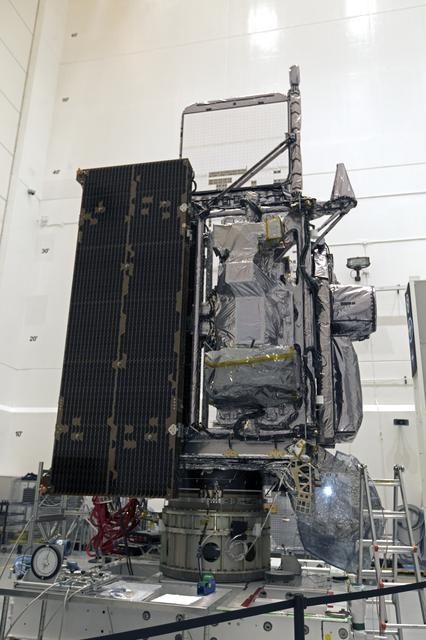
Satellite licensing is the process of obtaining permission to launch and operate a satellite, ensuring compliance with international regulations and spectrum allocation.
| Active satellites | 15,784 |
| Starlink active | 10,066 |
| Catalogued objects | 31,408 |
| Active close approaches | 19 |
| People in space | 10 |
Satellite licensing is the process by which operators obtain permission to launch and operate satellites. This involves compliance with international treaties, national regulations, and spectrum allocation protocols. As of October 2023, there are 15,784 active satellites in orbit, managed under these frameworks.
How Does Satellite Licensing Work?

Satellite licensing involves several steps, starting with the application to a national regulatory body, such as the Federal Communications Commission (FCC) in the United States. Operators must demonstrate compliance with the Outer Space Treaty, which governs the peaceful use of outer space. The process ensures that satellites do not interfere with each other or existing services.
Why Is Spectrum Allocation Important?
Spectrum allocation is crucial for preventing signal interference between satellites. Each satellite is assigned a specific frequency band to operate within. This allocation is managed by the International Telecommunication Union (ITU), which coordinates global spectrum use. With 10,066 active Starlink satellites, efficient spectrum management is vital to prevent communication disruptions.
Satellite Licensing vs. Orbital Debris Management

While licensing focuses on legal and regulatory compliance, orbital debris management addresses the physical risks posed by defunct satellites and space debris. With 31,408 catalogued objects in orbit, including debris, managing these risks is critical to avoid collisions and ensure the sustainability of space activities.
Who Oversees Satellite Licensing?

Satellite licensing is overseen by national regulatory bodies and international organisations. In addition to the FCC, the European Space Agency (ESA) and other national agencies play significant roles. These bodies ensure that satellite operations comply with both national laws and international agreements.
Key Takeaways
Satellite licensing is essential for the orderly and safe use of space. It involves regulatory compliance, spectrum management, and debris mitigation. With 15,800 tonnes of estimated orbital mass, effective licensing and management are crucial for sustainable space operations.
Frequently Asked Questions
What is satellite licensing?
Why is spectrum allocation necessary for satellites?
How many active satellites are currently in orbit?
What role does the Outer Space Treaty play in satellite licensing?
How is orbital debris managed in relation to satellite licensing?
📎 Cite this article · data available
Orbital Radar Newsroom. (2026). Satellite Licensing and Spectrum: A Complete Explainer. Orbital Radar. https://orbitalradar.com/blog/satellite-licensing-explainer"Satellite Licensing and Spectrum: A Complete Explainer." Orbital Radar, 14 October 2026, https://orbitalradar.com/blog/satellite-licensing-explainer.@misc{orbitalradar_satellite_licensing_explainer,
title = {Satellite Licensing and Spectrum: A Complete Explainer},
author = {{Orbital Radar}},
year = {2026},
howpublished = {\url{https://orbitalradar.com/blog/satellite-licensing-explainer}}
}