Space Traffic Management: A Comprehensive Guide
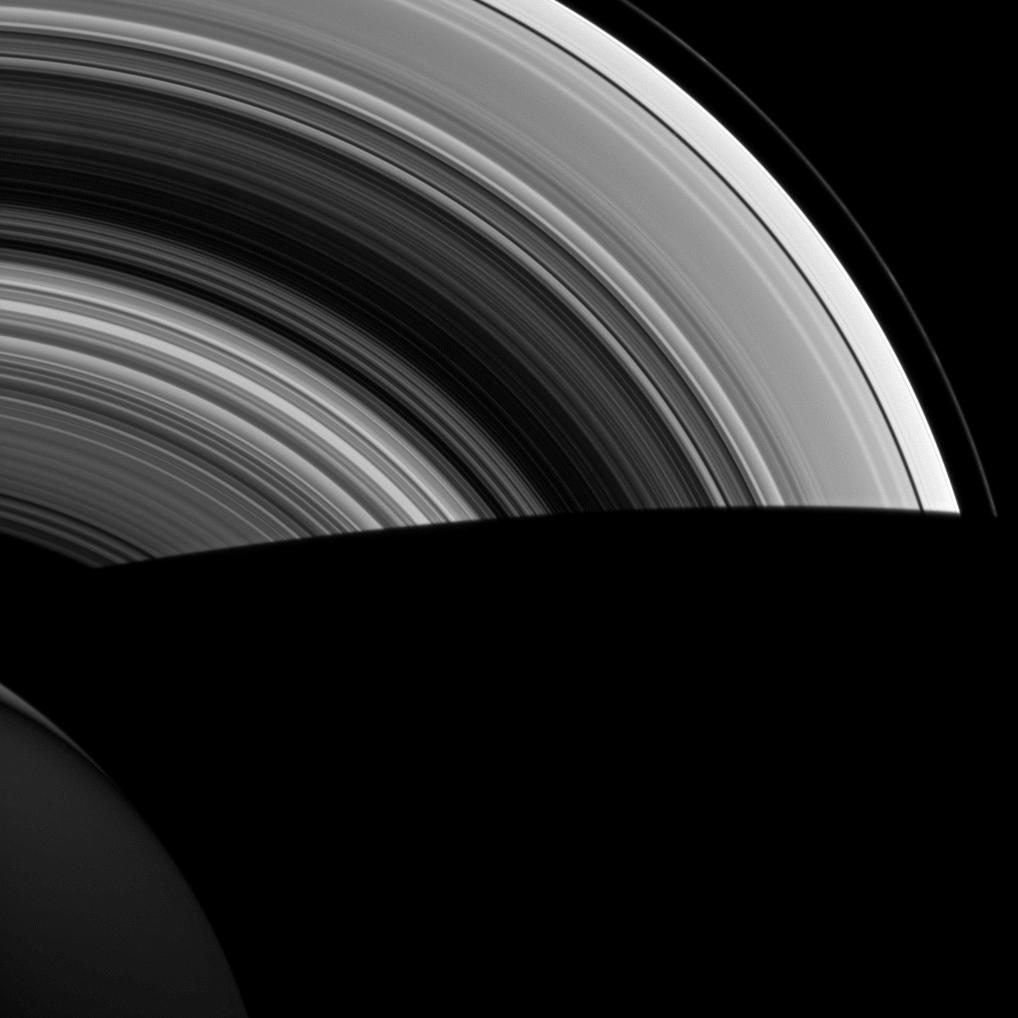
Space traffic management ensures safe and efficient use of Earth's orbits, crucial for maintaining over 15,803 active satellites.
| Active satellites | 15,803 |
| Starlink active | 10,068 |
| Catalogued objects | 31,386 |
| Active close approaches | 25 |
| People in space | 10 |
Space traffic management (STM) refers to the coordination and regulation of all space objects to ensure safe and sustainable operations in Earth's orbits. With 15,803 active satellites currently in orbit, according to Orbital Radar's live catalogue, effective STM is crucial to prevent collisions and manage the growing congestion in space.
Why Space Traffic Management Matters
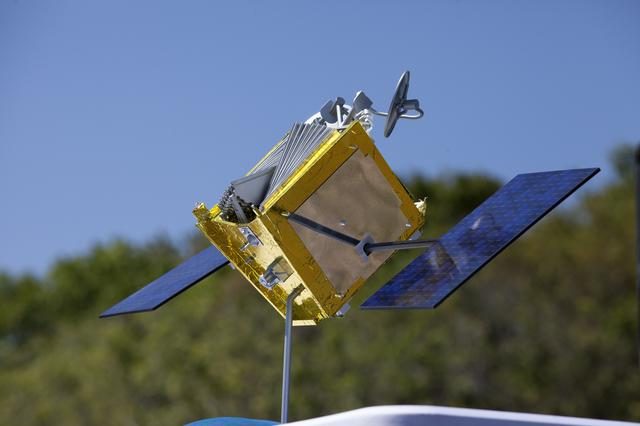
The increasing number of satellites, particularly the 10,068 active Starlink satellites, highlights the need for robust STM systems. As space becomes more crowded, the risk of collisions rises, potentially creating more debris and jeopardising operational satellites. The debris environment currently includes 31,378 tracked objects, with 9,990 classified as debris.
How Does Space Traffic Management Work?
STM involves tracking space objects, predicting their paths, and coordinating manoeuvres to avoid collisions. This process relies on data from radar and optical sensors, which feed into models predicting potential conjunctions (close approaches). Currently, 25 active close approaches are being tracked. Tools like Orbital Radar's space situational awareness toolkit provide essential support for these operations.
Challenges in Space Traffic Management
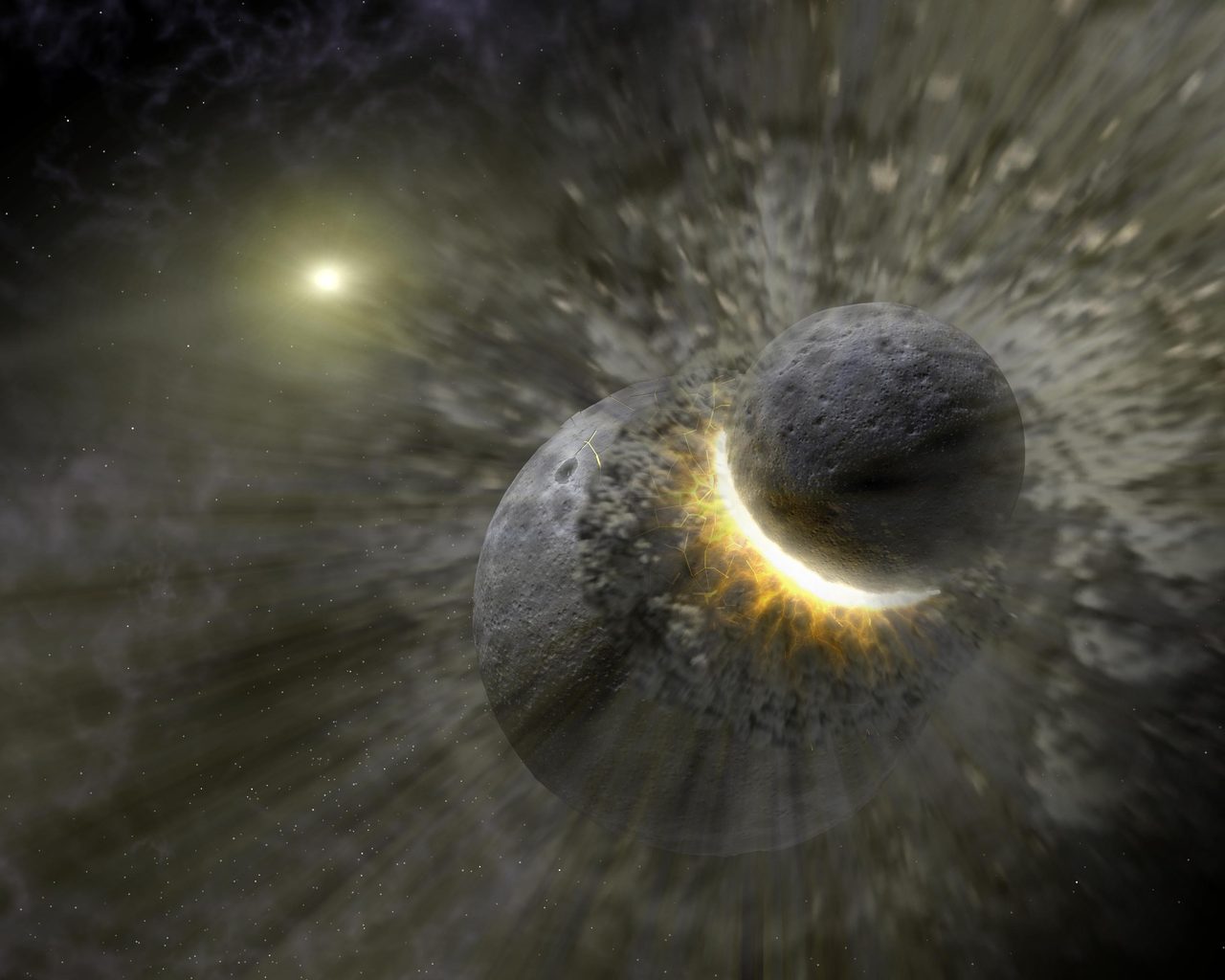
Key challenges include the sheer volume of objects, with 31,386 catalogued items, and the difficulty in tracking small debris. The estimated orbital mass is 15,800 tonnes, complicating efforts to predict and manage movements. Additionally, international cooperation is necessary, as space is a shared domain with contributions from multiple nations and private entities.
Space Traffic Management vs. Space Situational Awareness
While STM focuses on operational coordination, space situational awareness (SSA) involves understanding the space environment and predicting future conditions. SSA is a critical component of STM, providing the data needed for effective decision-making. Orbital Radar's SSA hub offers resources to enhance understanding of these dynamics.
Key Takeaways
Effective space traffic management is essential for the safe and sustainable use of space. With over 15,803 active satellites, and a debris environment comprising 31,378 objects, the need for coordinated efforts is clear. Tools like conjunction analysis and space sustainability initiatives are vital in addressing these challenges.
Frequently Asked Questions
What is space traffic management?
How many active satellites are in orbit?
Why is space traffic management important?
What are the main challenges of space traffic management?
How does space situational awareness support space traffic management?
📎 Cite this article · data available
Orbital Radar Newsroom. (2026). Space Traffic Management: A Comprehensive Guide. Orbital Radar. https://orbitalradar.com/blog/space-traffic-management-explainer"Space Traffic Management: A Comprehensive Guide." Orbital Radar, 15 October 2026, https://orbitalradar.com/blog/space-traffic-management-explainer.@misc{orbitalradar_space_traffic_management_explainer,
title = {Space Traffic Management: A Comprehensive Guide},
author = {{Orbital Radar}},
year = {2026},
howpublished = {\url{https://orbitalradar.com/blog/space-traffic-management-explainer}}
}