Why Do Rocket Launches Get Scrubbed? Delays Explained
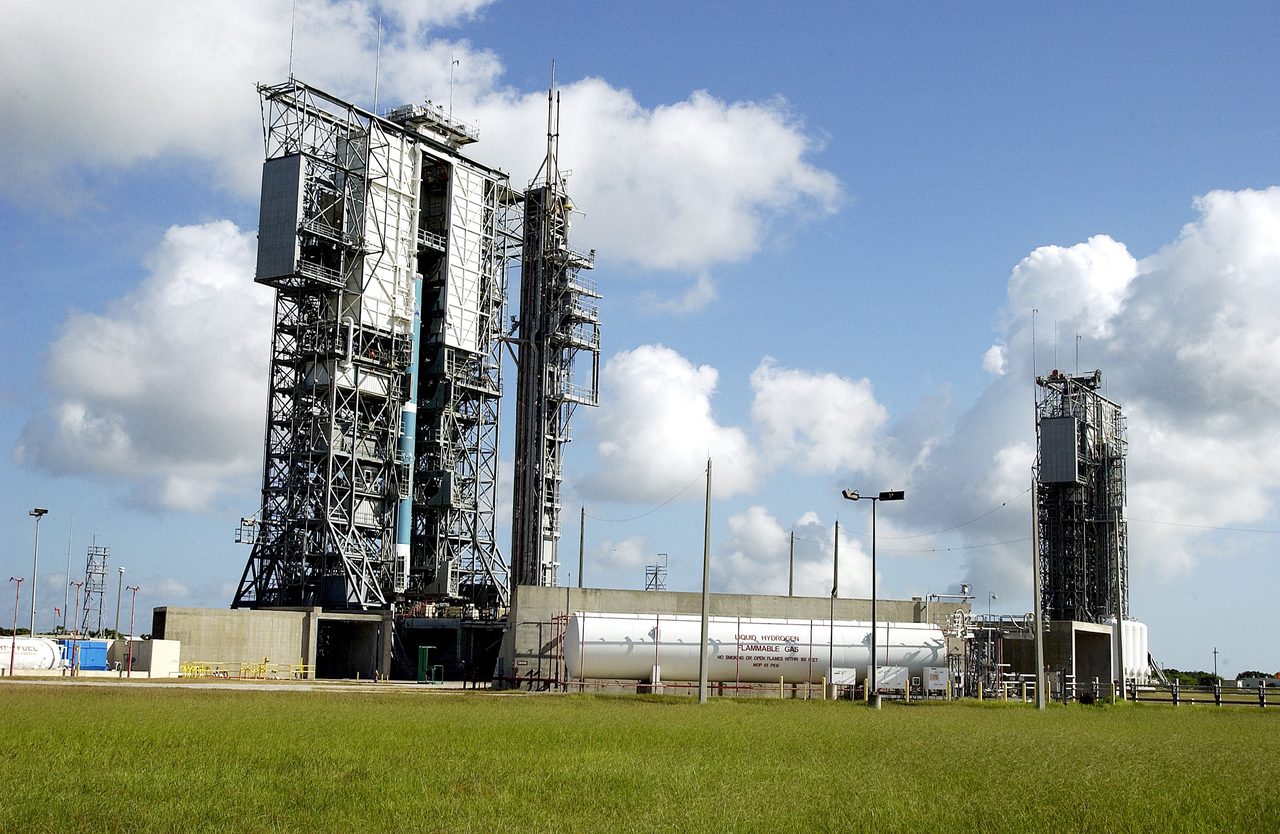
Rocket launches are scrubbed when weather, hardware or flight-safety conditions prevent a safe departure. Here is what causes delays and what determines the next attempt.
| Active satellites | 15,924 |
| Starlink active | 9,980 |
| Catalogued objects | 31,909 |
| Active close approaches | 20 |
| People in space | 10 |
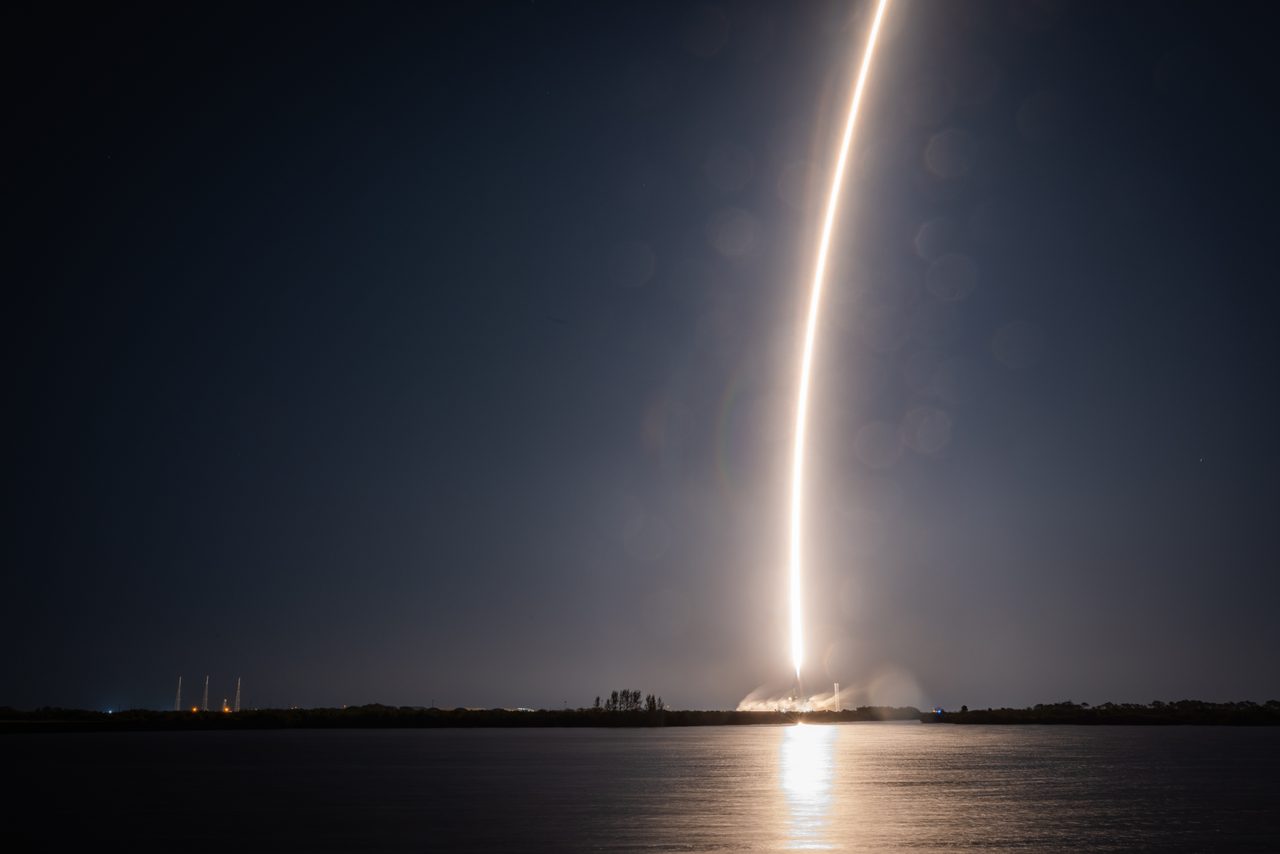
Rocket launches get scrubbed when weather, technical problems, flight-safety restrictions or timing constraints prevent a safe departure within the available launch window. If those conditions cannot be met before the window closes, the launch attempt ends rather than proceeding outside predefined limits.
A scrub ends that attempt; a countdown hold pauses proceedings and may still allow a launch. Teams follow established criteria, not a judgement that a risk feels acceptable, and conditions can change until the final moments.
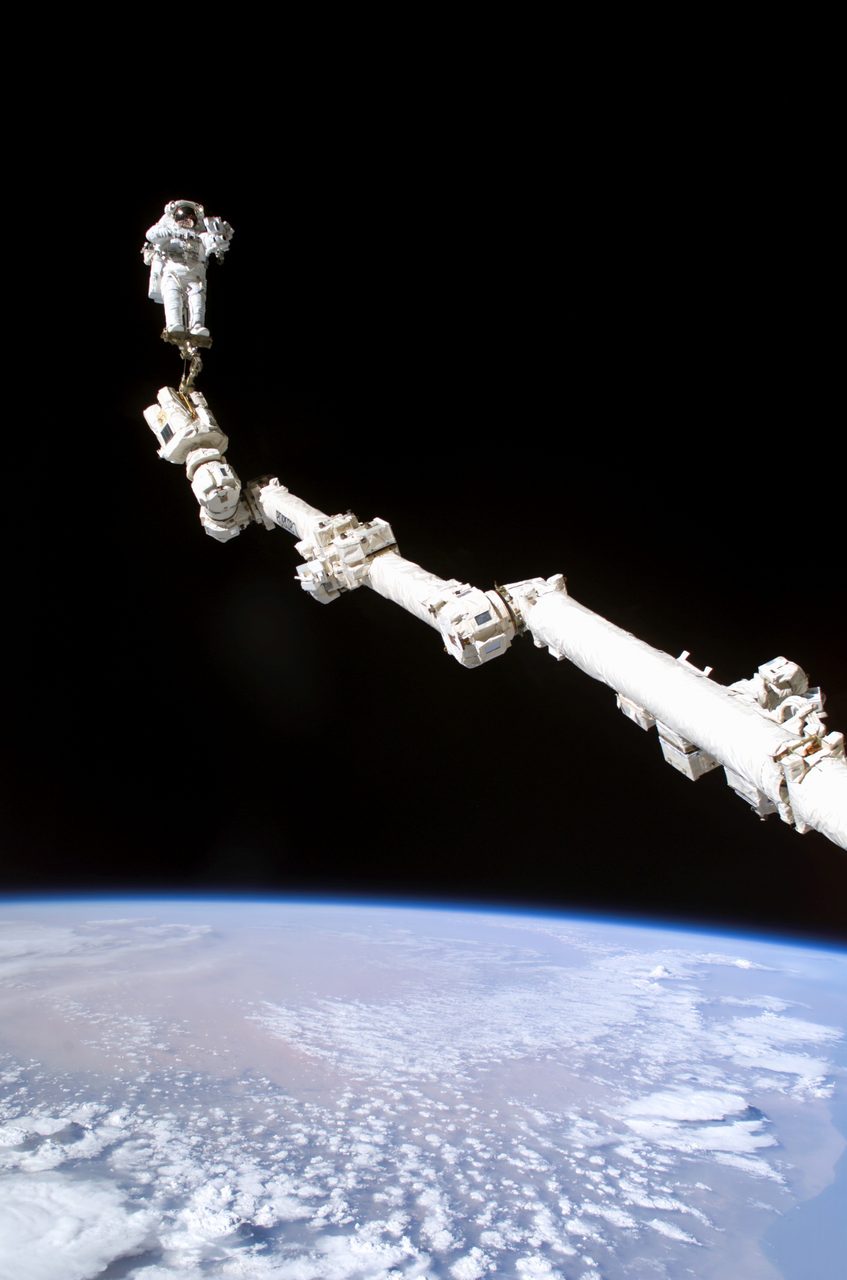
Orbital Radar tracking data lists 15924 active satellites in orbit as of 30 October 2026. Orbital Radar tracking data records 10 people in space as of 30 October 2026. Those figures illustrate the activity beyond the launch pad, but neither determines whether an individual rocket is cleared to fly.
Orbital Radar’s launch schedule provides a way to follow revised departure times. Treat a scheduled date as a plan, not a guaranteed launch: clearance still depends on conditions during the countdown.
What is the difference between a launch scrub and a hold?
A launch scrub cancels a particular launch attempt, not necessarily the mission. A countdown hold pauses the countdown while leaving open the possibility of launching during the same attempt.
Planned holds give teams time to complete checks and confirm readiness. Unexpected holds allow controllers to investigate an issue before deciding whether to resume or scrub.
Resolving the issue does not automatically mean the rocket can launch. Enough time must remain in the launch window (the permitted interval for liftoff) to complete the remaining countdown and any required checks. Otherwise, the attempt must be scrubbed.
An earlier schedule postponement moves the intended launch date before an attempt gets under way. An abort generally stops a launch sequence that has progressed further, potentially after engine ignition; terminology and procedural boundaries vary between programmes.
Launch attempts should also be distinguished from the population already orbiting Earth. Orbital Radar tracking data lists 15,924 active satellites as of 30 October 2026. Orbital Radar's live catalogue contains 31,909 objects, including debris, as of 30 October 2026.
For an upcoming mission, Orbital Radar's Launch Schedule provides the scheduling context: a changed date alone does not establish whether an attempt was scrubbed.
What weather conditions can stop a rocket launch?
Strong winds, lightning risk, rain, certain cloud conditions and temperatures outside a rocket’s approved limits can stop a launch. Clear skies above the pad are not enough: conditions must be acceptable along the ascent route and, for some missions, in distant landing or recovery areas.
Surface winds can make a rocket harder to control as it leaves the pad. Higher up, wind shear (changes in wind speed or direction over distance) can increase bending forces during ascent. Teams assess measured winds against the particular vehicle’s structural and steering limits, rather than applying a universal wind-speed cut-off.
Lightning restrictions cover more than nearby thunderstorms. A rocket and its exhaust plume can trigger lightning while passing through electrically charged clouds, even when no lightning is visible nearby. Cloud thickness, altitude and temperature can therefore matter independently of rainfall.
Precipitation can also breach launch criteria, while excessive heat or cold can take hardware outside its qualified operating limits. The permitted conditions depend on the rocket, spacecraft and mission; a temperature acceptable for one vehicle may rule out another.
Orbital Radar tracking data records 10 people in space as of 30 October 2026. For crewed launches, weather at emergency landing sites can constrain departure; rough seas or strong winds can also prevent safe spacecraft or booster recovery.
Orbital Radar tracking data records 15,924 active satellites in orbit as of 30 October 2026. For upcoming satellite and crewed missions, Orbital Radar’s launch schedule provides context, but sunshine at the pad alone cannot establish whether a launch can proceed.
What technical problems cause a launch to be scrubbed?
Technical scrubs happen when propulsion, valves, sensors, flight computers or communications fail checks, or produce readings outside permitted limits. Countdown systems monitor pressures, temperatures, valve positions and computer readiness; an unexpected reading can stop the sequence even before engineers know whether it reflects a genuine fault or a faulty sensor.
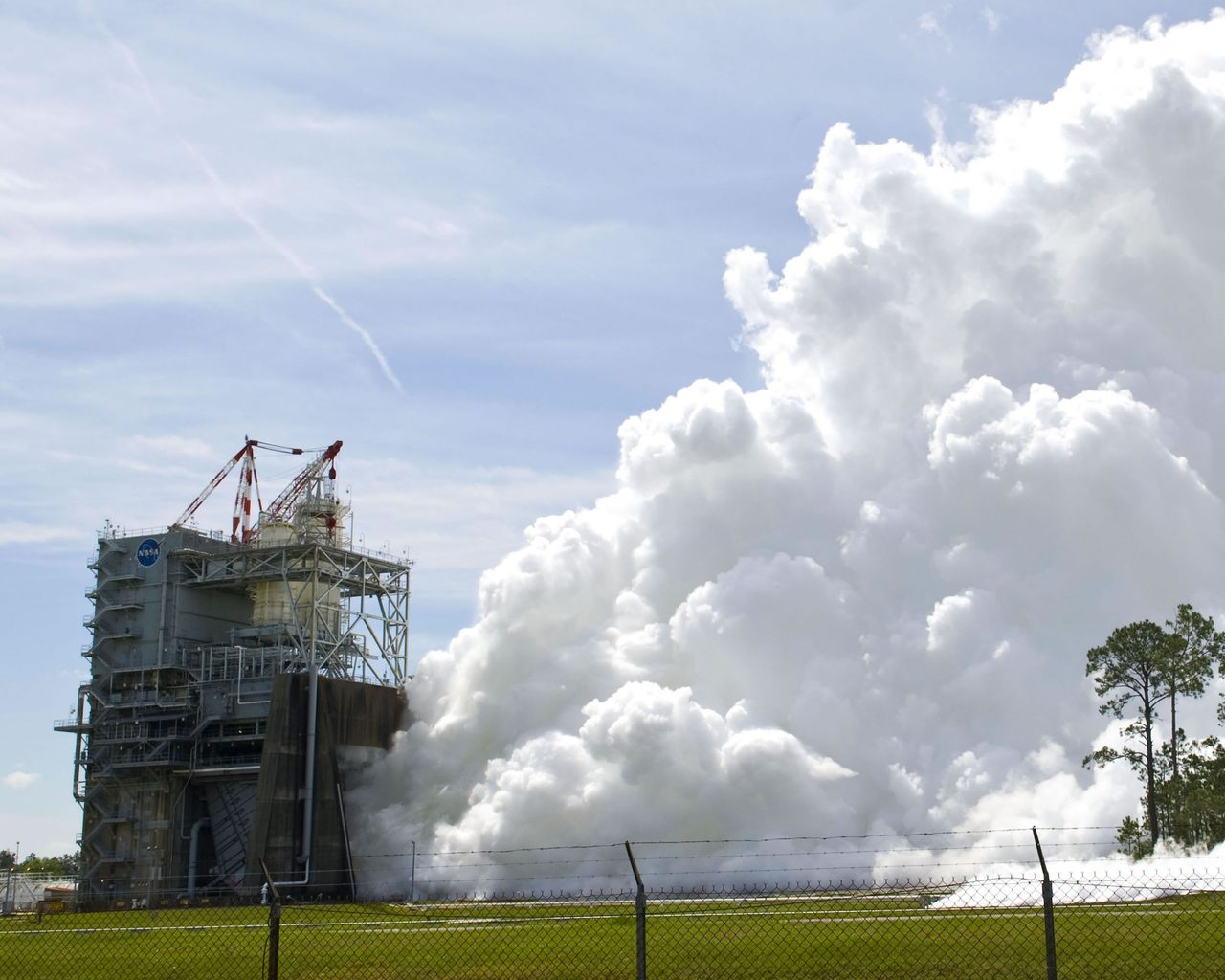
Loading cryogenic propellants (fuels or oxidisers stored at extremely low temperatures) puts hardware under conditions that earlier checks cannot fully reproduce. Cooling contracts pipes and seals, potentially revealing leaks. Incorrect propellant temperatures, unstable tank pressure or an engine that has not cooled sufficiently can also prevent launch.
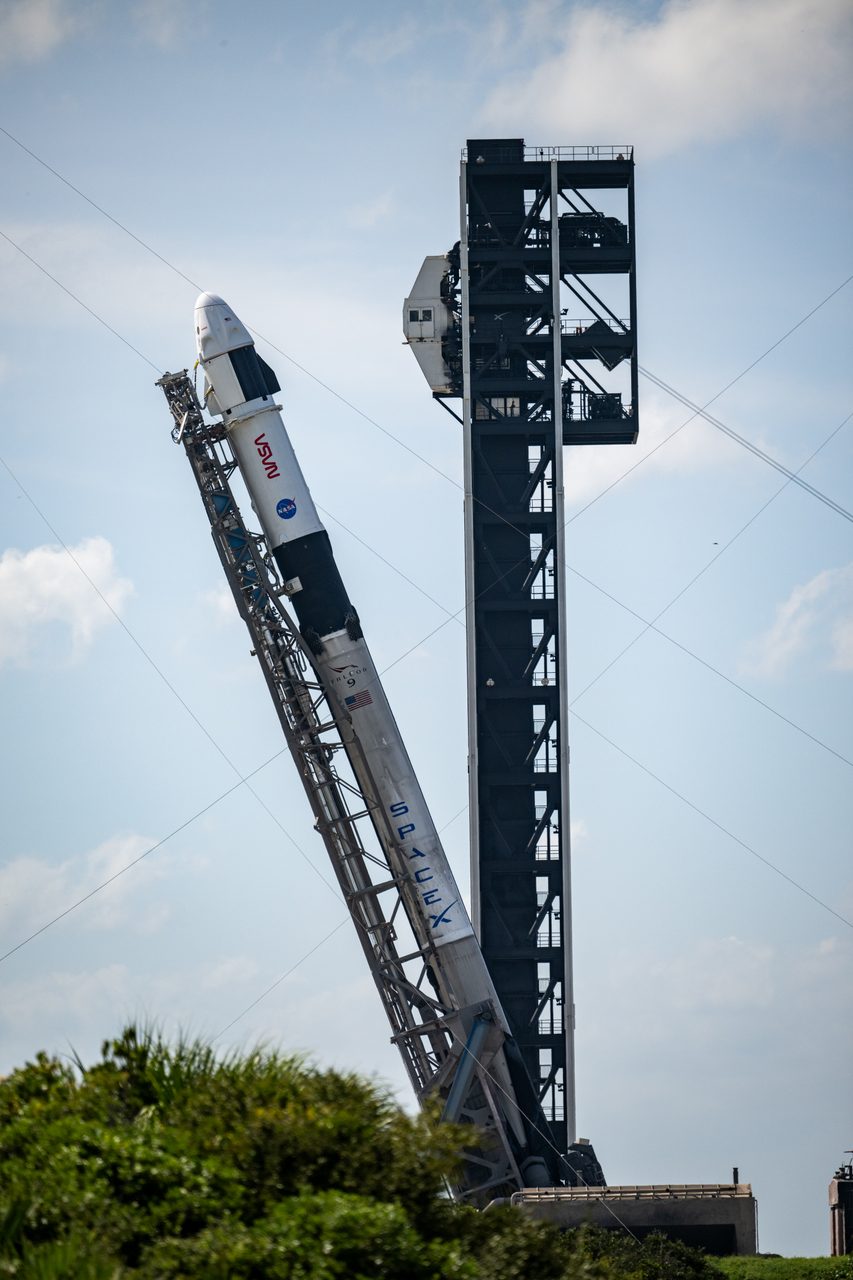
The problem need not be inside the rocket. Ground pumps, electrical supplies and communications equipment must work alongside payload systems. The umbilical connections carrying fluids, power and data between the vehicle and launch pad are another possible source of trouble.
An automated stop is a protective response, not proof of a major failure: it prevents launch when required conditions are unconfirmed. Designs differ in their propellants, plumbing and control systems; Orbital Radar’s launch vehicle guide provides context for comparing them.
Orbital Radar tracking data lists 15,924 active satellites in orbit as of 30 October 2026. Orbital Radar’s live catalogue contains 31,909 objects, including debris, as of 30 October 2026. These orbital totals describe the environment missions enter, not the frequency or severity of technical scrubs.
How can range conflicts or flight-safety rules stop a launch?
A launch can be stopped if the range cannot confirm that the rocket’s route is safe or provide the systems needed to monitor its flight. The launch range is the infrastructure and controlled areas used to track a flight and protect people, aircraft and vessels along its route.
An aircraft entering restricted airspace or a vessel entering a closed sea area can prevent launch clearance until the area is clear. Unavailable tracking equipment can also stop a countdown if it is required for flight safety. Competing operations, such as another launch or a military exercise, can leave the necessary airspace, sea areas or range resources unavailable.
These local restrictions are distinct from screening a proposed ascent trajectory—the rocket’s path towards orbit—for potential encounters with objects already in space. That assessment considers where both the rocket and an orbiting object are expected to be at a particular time. A potential encounter may require avoiding a particular launch time; it does not mean that a collision is certain.
Orbital Radar's live catalogue contained 31,909 objects, including debris, as of 30 October 2026. This is an orbital population count, not a count of launch conflicts. Orbital Radar’s launch schedule provides context for planned departures, but a scheduled time is not confirmation that range clearance has been granted.
Why can missing a launch window force a scrub?
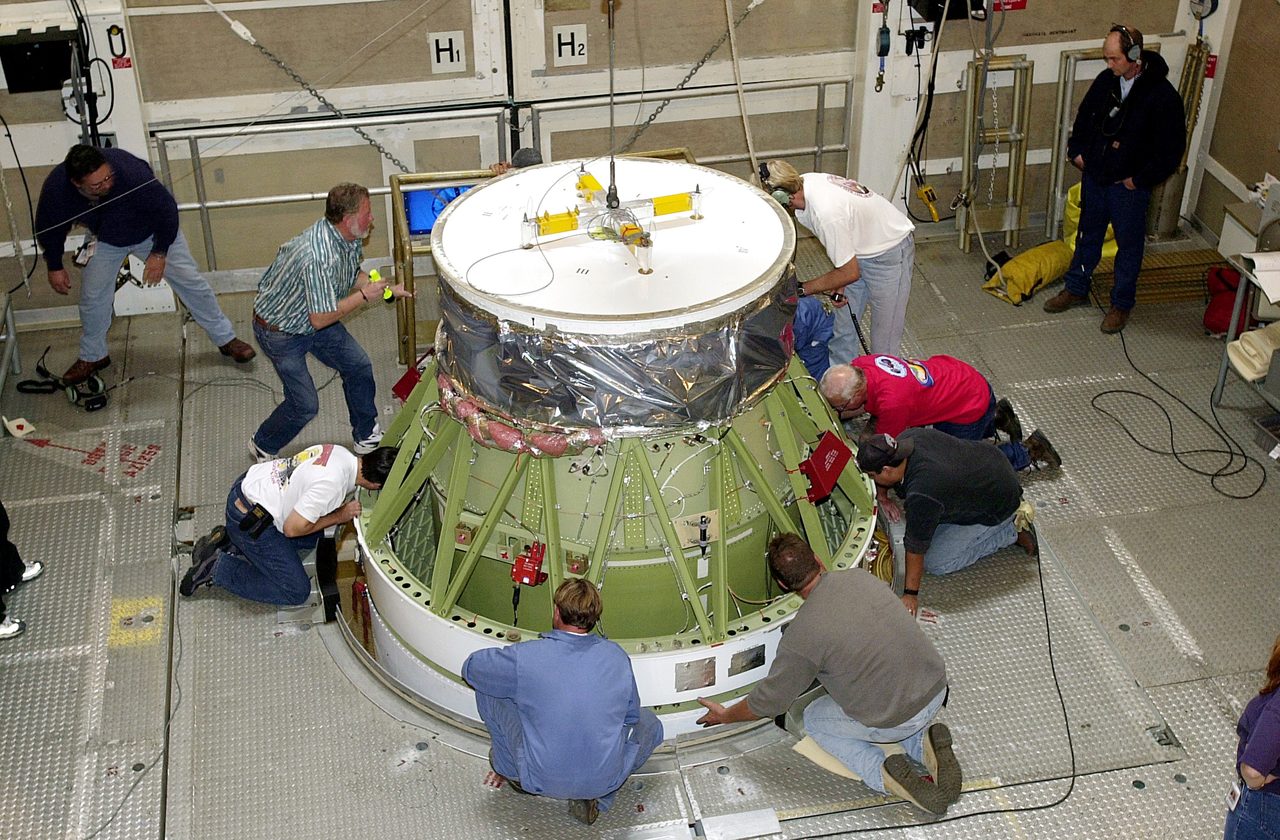
Missing a launch window can force a scrub because a rocket cannot reach its required trajectory simply by departing later. A launch window is the interval during which departure can meet a mission’s trajectory and operational requirements; once it closes, correcting the original problem does not restore the opportunity.
Earth’s rotation carries the launch site into and out of alignment with a target orbital plane (the flat surface containing an orbit). For a rendezvous with another spacecraft, the target’s position also matters: the vehicles must arrive together, not merely follow similar paths. Departures towards another world depend on planetary alignment and the spacecraft’s available propellant.
Orbital Radar tracking data records 15,924 active satellites as of 30 October 2026. Of these, 9,980 are operational Starlink satellites as of 30 October 2026, according to Orbital Radar tracking data. That population does not imply interchangeable launch opportunities: timing depends on the particular destination and mission.
Some missions have an effectively instantaneous opportunity, requiring lift-off at a specified moment. A countdown interruption that prevents departure then can end the attempt. Others have a longer window, allowing the team to resolve a problem and resume the countdown while a viable trajectory remains available.
The next suitable opportunity is therefore mission-specific, not automatically the following day. Orbital geometry, rendezvous requirements and operational constraints must align again; Orbital Radar’s launch schedule provides context for the mission’s revised timing.
How often do rocket launches get scrubbed or delayed?
There is no universal rate for rocket launch scrubs or delays: the answer depends on the launch vehicle, launch site, season, mission and what counts as a delay. A comparison that mixes different weather conditions, mission requirements and scheduling practices can obscure more than it explains.
A same-attempt scrub rate measures how often an identified launch attempt is called off rather than proceeding to lift-off. Schedule slippage measures movement away from an earlier advertised launch date, which may change before a countdown ever begins.
These measures answer different questions: whether a particular attempt went ahead, and whether a mission kept its earlier timetable. A mission can slip from its advertised date yet launch on its first actual attempt, so treating those outcomes as equivalent produces a misleading comparison.
A meaningful scrub-rate comparison needs a defined sample of attempts, consistent outcome labels and a stated period. It must explain how holds that end in launch, abandoned attempts and advance postponements are counted, and use the same rules throughout.
Orbital Radar tracking data recorded 15,924 active satellites in orbit as of 30 October 2026. That figure measures the operating satellite population, not launch reliability or the frequency of scrubs.
Orbital Radar's historical launch log provides context on completed orbital launches, rather than a scrub-rate dataset. A list of completed launches alone cannot establish a scrub rate because it does not establish how many attempts were called off.
What happens after a launch is scrubbed?
After a launch is scrubbed, teams secure the rocket and ground systems before preparing another attempt. Depending on the vehicle and the reason for stopping, this can mean draining propellant, venting tanks through controlled systems, isolating electrical equipment and keeping personnel clear until the pad is safe.
Engineers review telemetry (measurements transmitted by the rocket), equipment readings and the countdown sequence to identify what happened. A suspect sensor may need checks against independent measurements; damaged hardware may require replacement and further testing. Some work can be completed at the pad, while other repairs require the rocket to return to a processing building.
A new attempt must fit an available launch window, with suitable weather, range clearance, rested ground crews and spacecraft readiness. Recovery ships or landing facilities must also be ready where the mission requires them.
Orbital Radar tracking data recorded 10 people in space on 30 October 2026. Orbital Radar tracking data listed 15,924 active satellites on 30 October 2026. For missions heading to an occupied station or deploying satellites, destination and deployment requirements remain part of replanning.
A quickly resolved sensor issue and a hardware repair can therefore produce very different delays: there is no standard turnaround time. Orbital Radar’s launch schedule provides a place to follow revised plans, but a replacement date remains subject to readiness checks.
How much does a scrubbed rocket launch cost?
A scrubbed rocket launch has no universal price: the extra cost depends on why the attempt stopped, when it stopped and what must be repeated. The launch-service price covers the contracted mission, not a fixed charge for each unsuccessful countdown, and contract terms determine who bears particular costs.
Additional expenses can include staffing another shift, running ground equipment, replenishing propellants and other consumables, and inspecting hardware before another attempt. Rescheduling tracking facilities, recovery vessels or aircraft can add costs, while a technical fault requiring repairs may be substantially more expensive than a weather scrub.
The financial effects can also extend beyond the launch provider: a satellite operator may have to postpone commissioning, the testing needed before its spacecraft enters service. Researchers can lose planned observing periods or face disrupted experiment schedules, while changes to shared launch facilities and support teams can affect other missions.
Orbital Radar’s launch-cost trends page provides broader pricing context, but advertised launch prices do not reveal the cost of an individual scrub. Changes on the Orbital Radar launch schedule show how missions are being rescheduled, not the resulting bills; those depend on operational needs and commercial arrangements.
How can I check whether a rocket launch has been delayed?
Check the mission on Orbital Radar’s launch schedule and compare its currently listed departure time with your viewing or travel plans. Recheck before setting out: an updated schedule shows the current plan, not a guarantee that the rocket will launch.
A listed launch time is the planned departure time. A launch window is the interval during which departure is possible; its opening is not necessarily the moment of liftoff. A provisional date remains subject to confirmation, so avoid treating it as a firm appointment. Entries may provide different levels of detail.
Confirm the displayed time zone rather than assuming the time is local to you or the launch site. Follow the launch operator’s countdown updates for holds, scrub announcements and explanations: a schedule change alone may not explain what happened. If an attempt is scrubbed, wait for confirmation of the replacement opportunity before rearranging travel.
Use the Orbital Radar launch log to distinguish completed orbital flights from upcoming attempts. A launch record is also different from an inventory of objects still orbiting Earth.
Orbital Radar tracking data lists 15,924 active satellites as of 30 October 2026. Orbital Radar’s live catalogue contains 31,909 objects, including debris, on that date. Neither inventory confirms whether a particular upcoming mission has launched.
Key takeaways
- A scrub ends a launch attempt, while a countdown hold may still allow departure within the available window.
- Weather, vehicle faults, ground equipment, range restrictions and mission timing can each prevent a launch.
- There is no universal scrub rate or retry interval because missions, operating conditions and definitions differ.
- Orbital Radar’s launch schedule helps readers follow revised plans, but a listed departure time is not a guarantee.
Frequently Asked Questions
Can a rocket launch safely in the rain?
Can a launch be scrubbed after the engines ignite?
Does a scrubbed launch use up all its fuel?
Are crewed launches subject to different weather restrictions?
Should I travel to watch a launch if its date might change?
📎 Cite this article · data available
Orbital Radar Newsroom. (2026). Why Do Rocket Launches Get Scrubbed? Delays Explained. Orbital Radar. https://orbitalradar.com/blog/why-do-rocket-launches-get-scrubbed"Why Do Rocket Launches Get Scrubbed? Delays Explained." Orbital Radar, 30 October 2026, https://orbitalradar.com/blog/why-do-rocket-launches-get-scrubbed.@misc{orbitalradar_why_do_rocket_launches_get_scrubbed,
title = {Why Do Rocket Launches Get Scrubbed? Delays Explained},
author = {{Orbital Radar}},
year = {2026},
howpublished = {\url{https://orbitalradar.com/blog/why-do-rocket-launches-get-scrubbed}}
}