Satellite Manoeuvre Detection: An Authoritative Guide
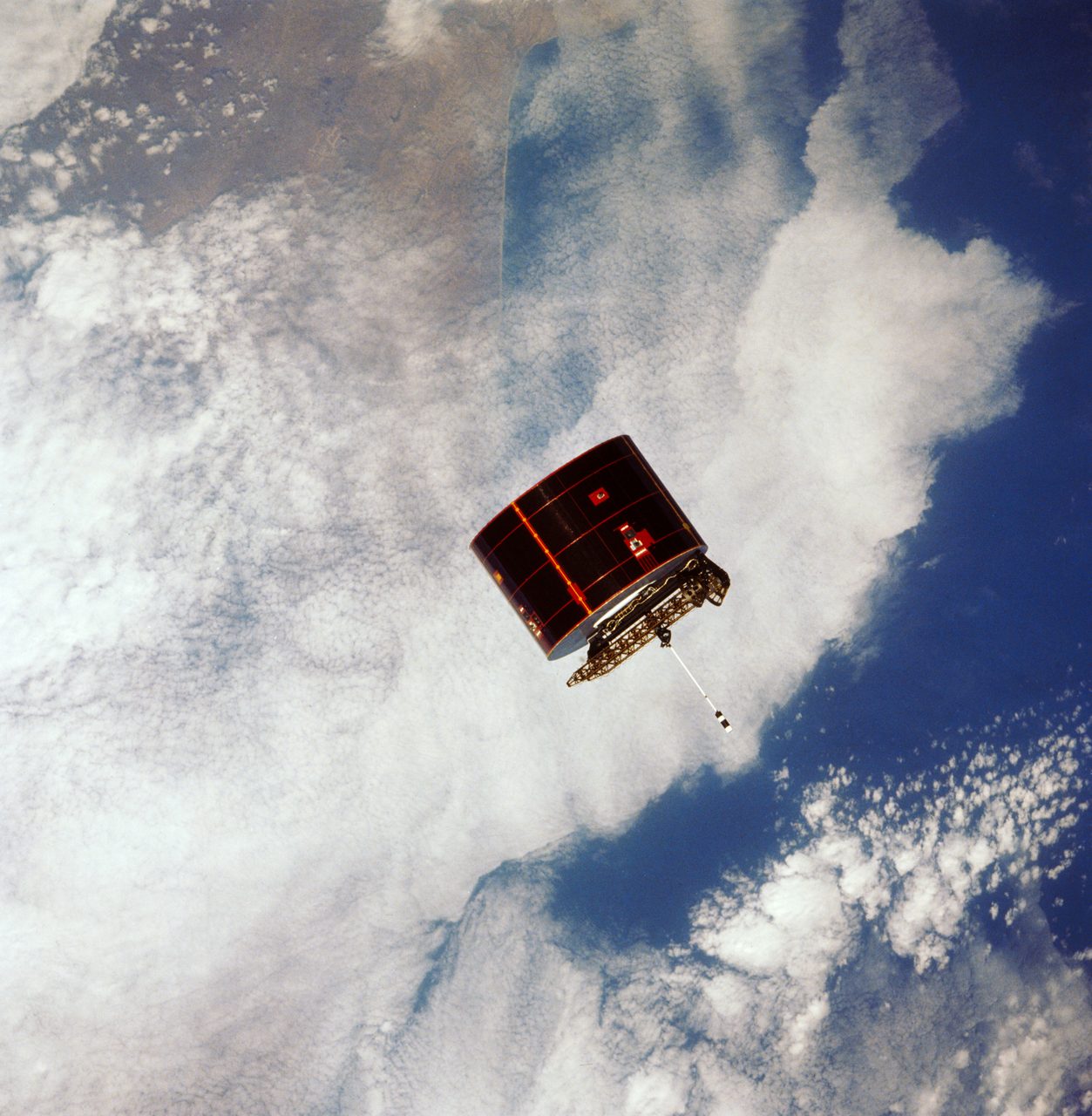
Satellite manoeuvre detection involves tracking changes in a satellite's orbit to ensure space safety and efficiency.
| Active satellites | 15,779 |
| Starlink active | 10,063 |
| Catalogued objects | 31,559 |
| Predicted re-entries | 18 |
| Active close approaches | 23 |
| People in space | 10 |
Satellite manoeuvre detection refers to the process of identifying and tracking changes in a satellite's orbit. This capability is crucial for maintaining space situational awareness, preventing collisions, and optimising satellite operations. As of now, there are 15,779 active satellites in orbit, according to Orbital Radar's live catalogue.
How Does Satellite Manoeuvre Detection Work?
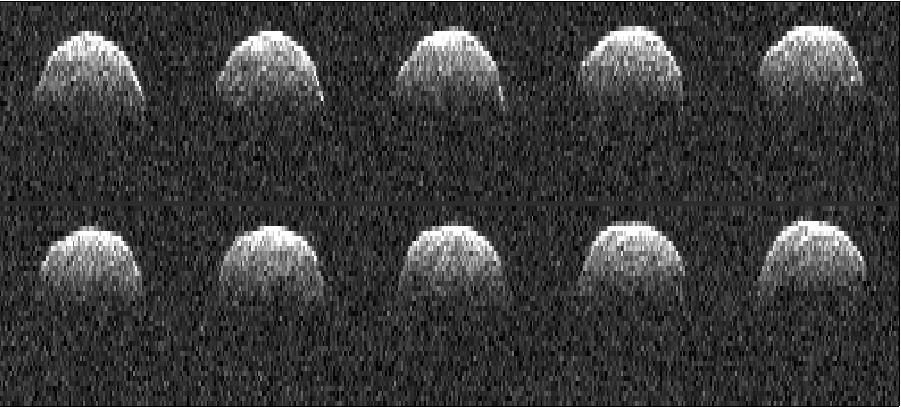
Satellite manoeuvre detection relies on a network of ground-based radars and telescopes that monitor changes in a satellite's trajectory. These systems detect variations in speed and direction, which indicate a manoeuvre. For instance, NORAD ID 25544, the International Space Station, frequently adjusts its orbit to avoid debris. The Orbital Radar manoeuvre tracker provides real-time updates on such changes.
Why Is Satellite Manoeuvre Detection Important?
Detecting satellite manoeuvres is essential for collision avoidance and operational efficiency. With 31 predicted re-entries this year, tracking these changes helps in planning and executing collision avoidance manoeuvres. Additionally, it aids in managing the 31,559 catalogued objects, including 10,092 pieces of debris, ensuring the safety of active satellites.
Challenges in Detecting Satellite Manoeuvres
One of the main challenges in satellite manoeuvre detection is distinguishing intentional manoeuvres from natural orbital decay. With 10,063 Starlink satellites operational, distinguishing between routine adjustments and significant manoeuvres is complex. The space situational awareness toolkit from Orbital Radar helps address these challenges by providing comprehensive data analysis.
Satellite Manoeuvre Detection vs. Tracking
While tracking involves monitoring a satellite's current position, manoeuvre detection focuses on identifying changes in its trajectory. For example, the Starlink Tracker shows 901 satellites raising orbit and 172 deorbiting, highlighting the dynamic nature of satellite operations. Understanding these differences is crucial for effective space traffic management.
Key Takeaways
Satellite manoeuvre detection is vital for maintaining safe and efficient operations in space. With 23 active close approaches being tracked, this capability is indispensable for collision avoidance. The growing number of satellites and debris necessitates advanced detection systems, as detailed in Orbital Radar's Space Academy resources.
Frequently Asked Questions
What is satellite manoeuvre detection?
How are satellite manoeuvres detected?
Why is detecting satellite manoeuvres important?
What challenges exist in detecting satellite manoeuvres?
How does manoeuvre detection differ from satellite tracking?
📎 Cite this article · data available
Orbital Radar Newsroom. (2026). Satellite Manoeuvre Detection: An Authoritative Guide. Orbital Radar. https://orbitalradar.com/blog/maneuver-detection-explainer"Satellite Manoeuvre Detection: An Authoritative Guide." Orbital Radar, 8 October 2026, https://orbitalradar.com/blog/maneuver-detection-explainer.@misc{orbitalradar_maneuver_detection_explainer,
title = {Satellite Manoeuvre Detection: An Authoritative Guide},
author = {{Orbital Radar}},
year = {2026},
howpublished = {\url{https://orbitalradar.com/blog/maneuver-detection-explainer}}
}