Understanding Satellite Doppler Shift in Orbital Tracking

Satellite Doppler shift affects frequency changes in signals from moving satellites, crucial for accurate tracking and communication.
| Active satellites | 18,107 |
| Starlink active | 9,838 |
| Catalogued objects | 29,414 |
| Predicted re-entries | 25 |
| Active close approaches | 15 |
| People in space | 1,120,260,913,054,928 |
The Doppler shift, named after Austrian physicist Christian Doppler, refers to the change in frequency or wavelength of a wave in relation to an observer moving relative to the wave source. In satellite tracking, this effect is observed as satellites move in orbit, causing the frequency of signals they emit to shift. This phenomenon is crucial for accurate satellite communication and navigation.
How Does Doppler Shift Affect Satellite Signals?
As satellites orbit Earth, they move relative to ground stations, causing a shift in the frequency of their transmitted signals. This shift is towards higher frequencies (blue shift) as the satellite approaches and towards lower frequencies (red shift) as it recedes. Ground stations must adjust their receivers to account for this shift, ensuring accurate data reception. The effect is particularly significant for low Earth orbit (LEO) satellites, which move rapidly across the sky.
Why Is Doppler Shift Important in Satellite Tracking?
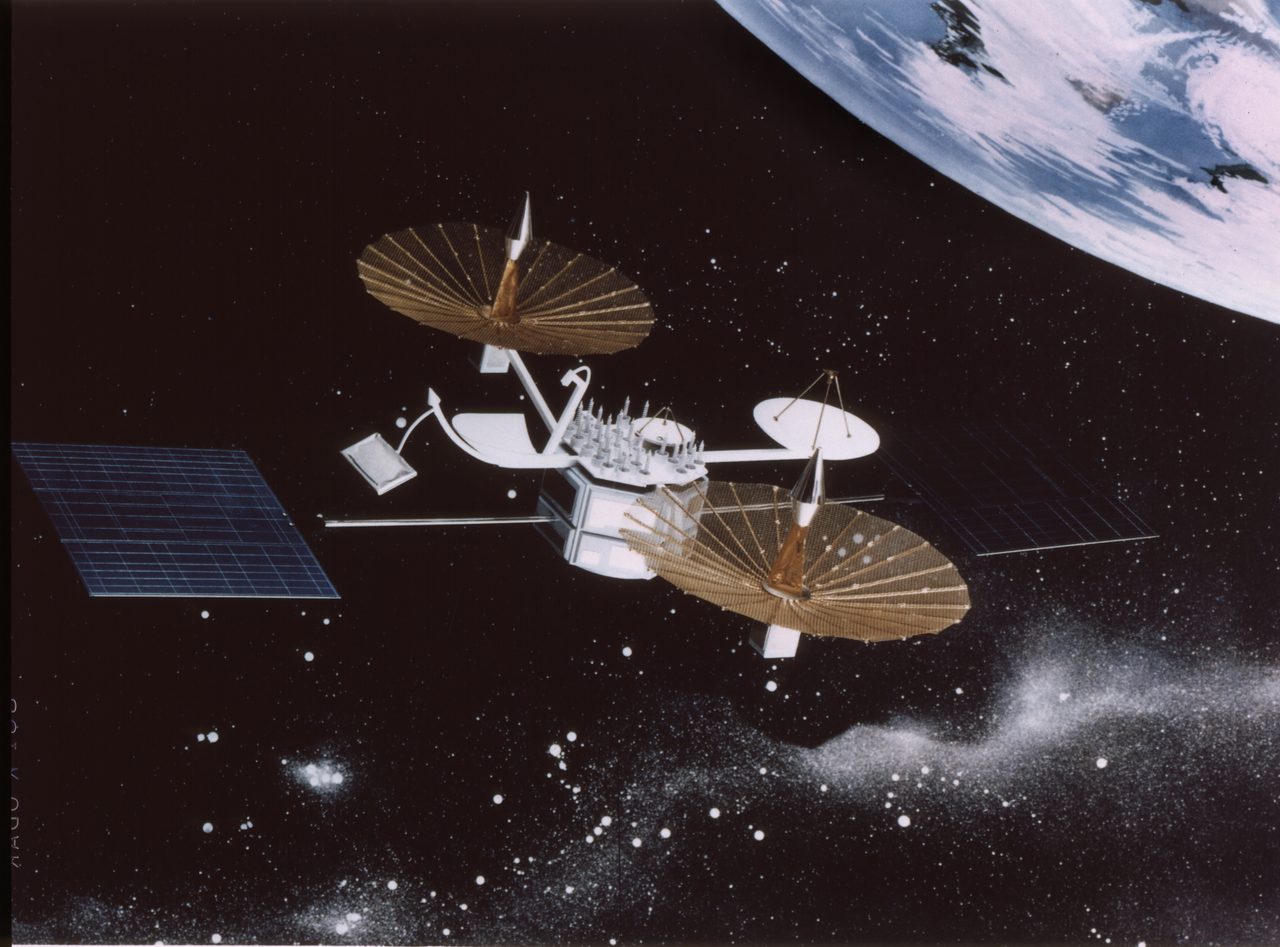
Doppler shift is essential for determining a satellite's velocity and position. By analysing these frequency changes, ground stations can calculate the satellite's speed and trajectory. This information is vital for maintaining communication links, especially for navigation systems like GPS. The Groundlink tool can help users understand how Doppler shift affects satellite visibility and communication from specific locations.
Doppler Shift in Communication vs. Navigation
In communication, Doppler shift must be corrected to ensure clear signal transmission between satellites and ground stations. For navigation, it helps in precise location tracking. Systems like GPS rely on Doppler calculations to provide accurate positioning data. The Orbital Radar Academy offers detailed courses on tracking data analysis, including Doppler effects.
Mitigating Doppler Effects in Satellite Design
Satellite designers incorporate technologies to mitigate Doppler effects, such as adaptive frequency control and advanced modulation techniques. These ensure that communication remains stable despite frequency shifts. The Propagation Heatmap tool provides insights into how these shifts impact signal propagation in different atmospheric conditions.
Key Takeaways on Satellite Doppler Shift
Understanding Doppler shift is crucial for effective satellite tracking and communication. The phenomenon affects signal frequency, requiring adjustments for accurate data transmission. Tools like Groundlink and educational resources from Orbital Radar enhance comprehension and practical application of these concepts.
Frequently Asked Questions
What is Doppler shift in satellite tracking?
How does Doppler shift impact GPS accuracy?
Can Doppler shift affect satellite communication?
Why is Doppler shift important for LEO satellites?
How do ground stations compensate for Doppler shift?
📎 Cite this article · data available
Orbital Radar Newsroom. (2026). Understanding Satellite Doppler Shift in Orbital Tracking. Orbital Radar. https://orbitalradar.com/blog/satellite-doppler-explainer"Understanding Satellite Doppler Shift in Orbital Tracking." Orbital Radar, 13 September 2026, https://orbitalradar.com/blog/satellite-doppler-explainer.@misc{orbitalradar_satellite_doppler_explainer,
title = {Understanding Satellite Doppler Shift in Orbital Tracking},
author = {{Orbital Radar}},
year = {2026},
howpublished = {\url{https://orbitalradar.com/blog/satellite-doppler-explainer}}
}