India's Jio Plans LEO Constellation Amid Market Shifts
India's Jio announces a sovereign LEO constellation plan, NASA contracts a private company for its next Mars orbiter, and JWST unveils a well-developed galaxy cluster.
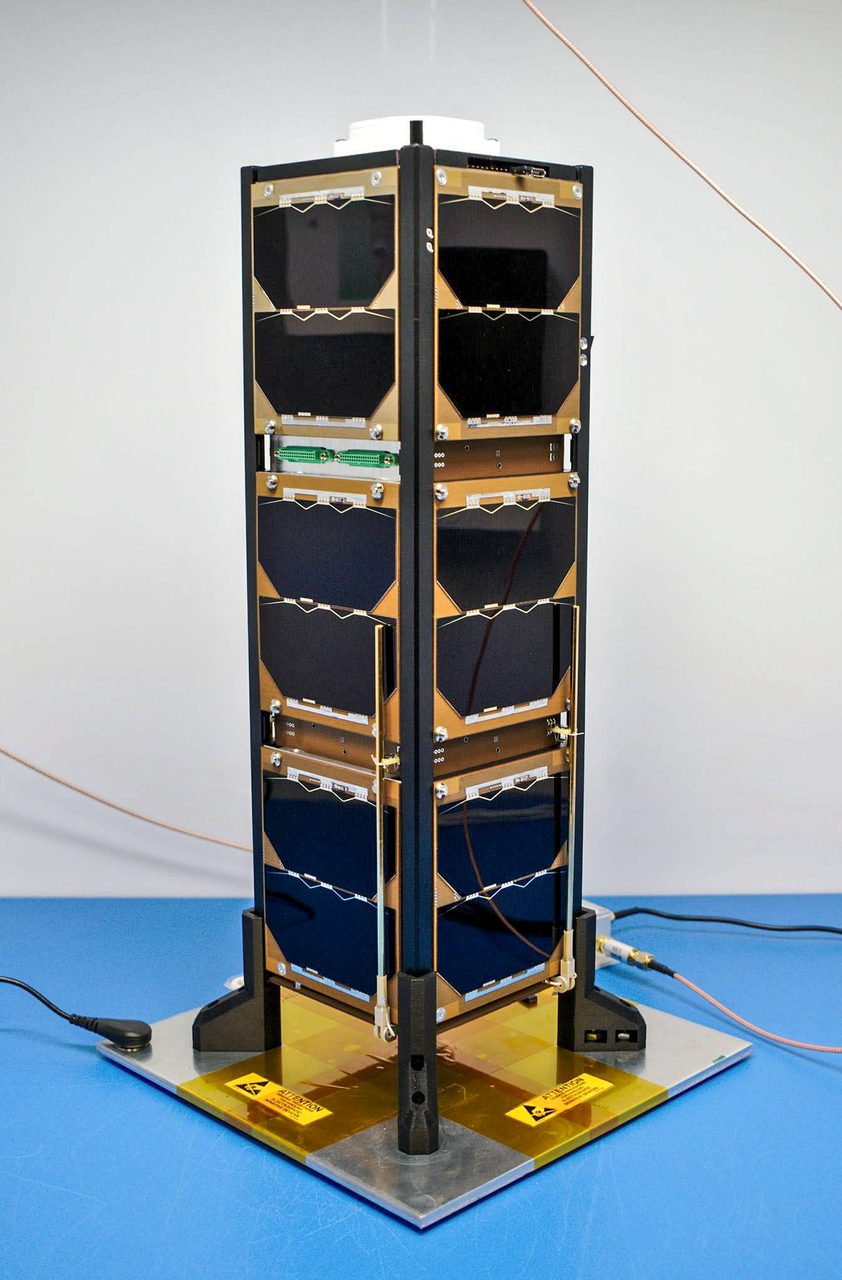
India's telecommunications giant Jio has unveiled plans for a sovereign low Earth orbit (LEO) satellite constellation, aiming to enhance connectivity across the country. This announcement comes ahead of Jio's anticipated initial public offering (IPO), highlighting the strategic importance of satellite communications in India's digital future. The constellation is expected to compete with existing networks, including SpaceX's Starlink, which can be tracked using our Starlink Tracker.
NASA Contracts Private Mars Orbiter
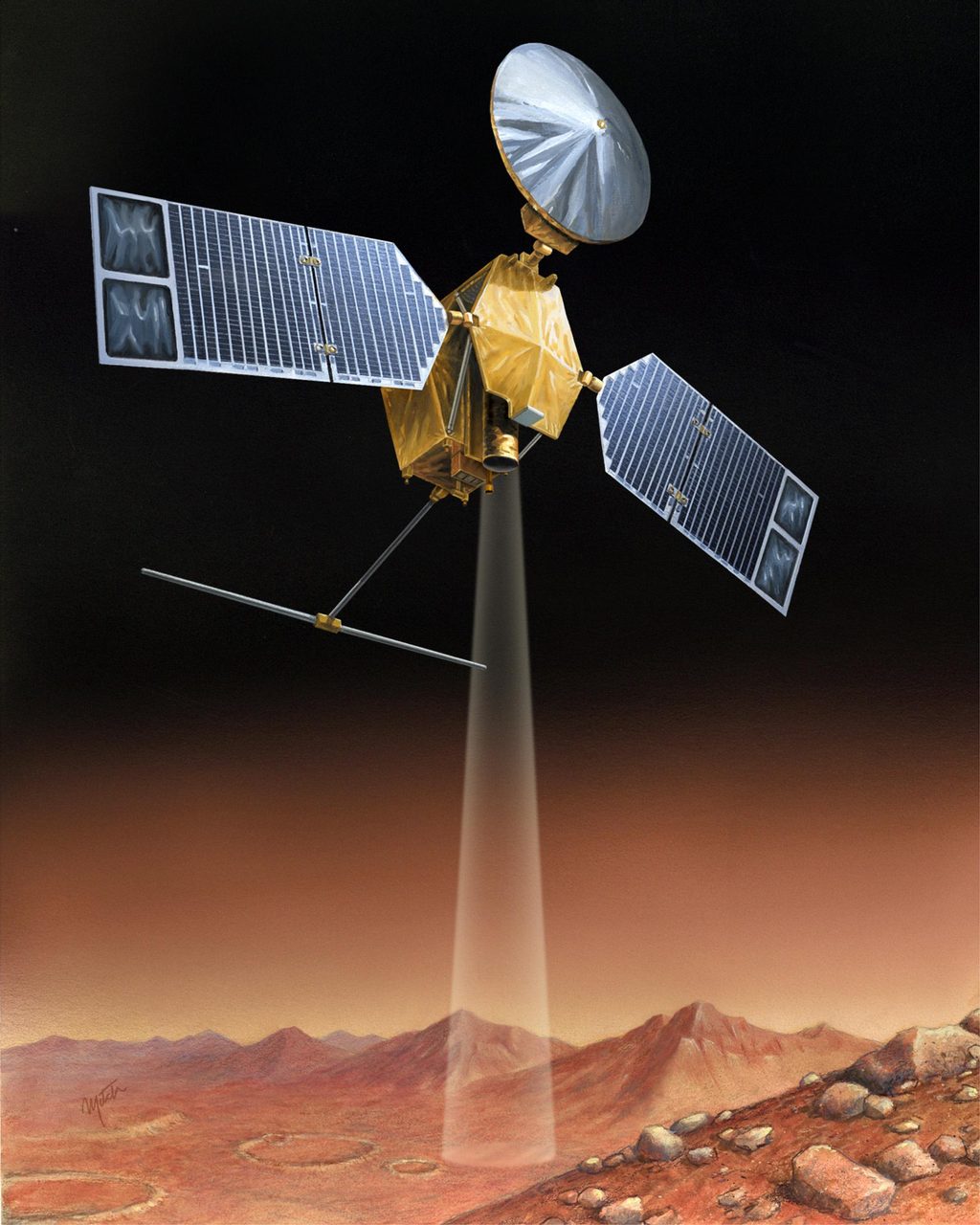
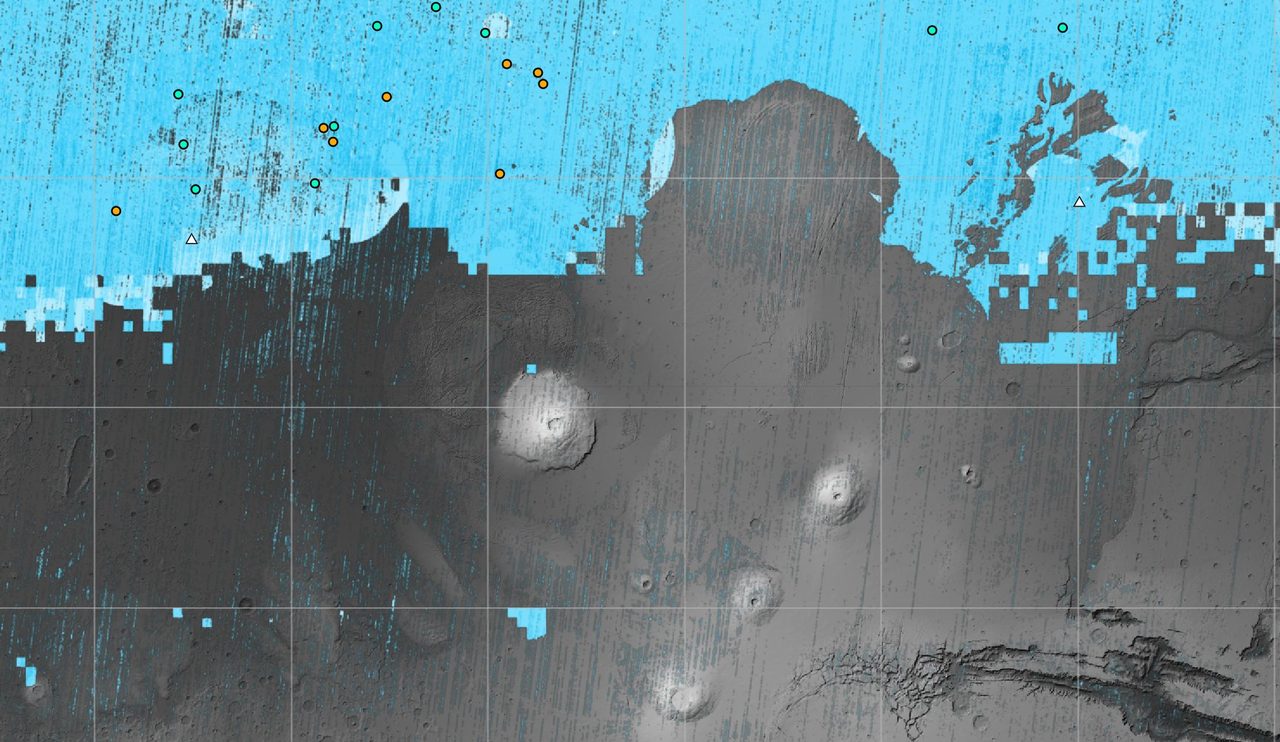
NASA has selected a private company, yet to be publicly named, to build and launch its next Mars orbiter, scheduled for 2028. This marks a significant shift in NASA's approach, as it traditionally relied on established aerospace giants like SpaceX. The orbiter will play a crucial role in relaying data from Mars missions and scouting for future landing sites. Details on the mission's objectives and design will be available in our Launch Schedule as they are released.
JWST's Cosmic Noon Discoveries

The James Webb Space Telescope (JWST) has captured new images of an unusually well-developed galaxy cluster, opening new avenues for studying the 'cosmic noon' period. This era, occurring approximately 10 billion years ago, is when galaxies formed stars at their highest rates. The findings could reshape our understanding of galaxy evolution and the universe's history. For those interested in viewing these images, our Satellite Eye provides access to live satellite imagery.
What to Watch
While no launches are scheduled for today, the most unpredictable meteor shower of the year is set to peak next week. Observers can expect a dazzling display, weather permitting. Additionally, keep an eye on our Debris Map for updates on close approaches, as several satellites are currently experiencing near-miss events.
Frequently Asked Questions
What is Jio's LEO constellation plan?
Who is building NASA's next Mars orbiter?
📎 Cite this article
Orbital Radar Newsroom. (2026). India's Jio Plans LEO Constellation Amid Market Shifts. Orbital Radar. https://orbitalradar.com/blog/orbital-briefing-2026-06-20"India's Jio Plans LEO Constellation Amid Market Shifts." Orbital Radar, 20 June 2026, https://orbitalradar.com/blog/orbital-briefing-2026-06-20.@misc{orbitalradar_orbital_briefing_2026_06_20,
title = {India's Jio Plans LEO Constellation Amid Market Shifts},
author = {{Orbital Radar}},
year = {2026},
howpublished = {\url{https://orbitalradar.com/blog/orbital-briefing-2026-06-20}}
}