SpaceX Starship's Tower Catch and JWST's Water Hunt
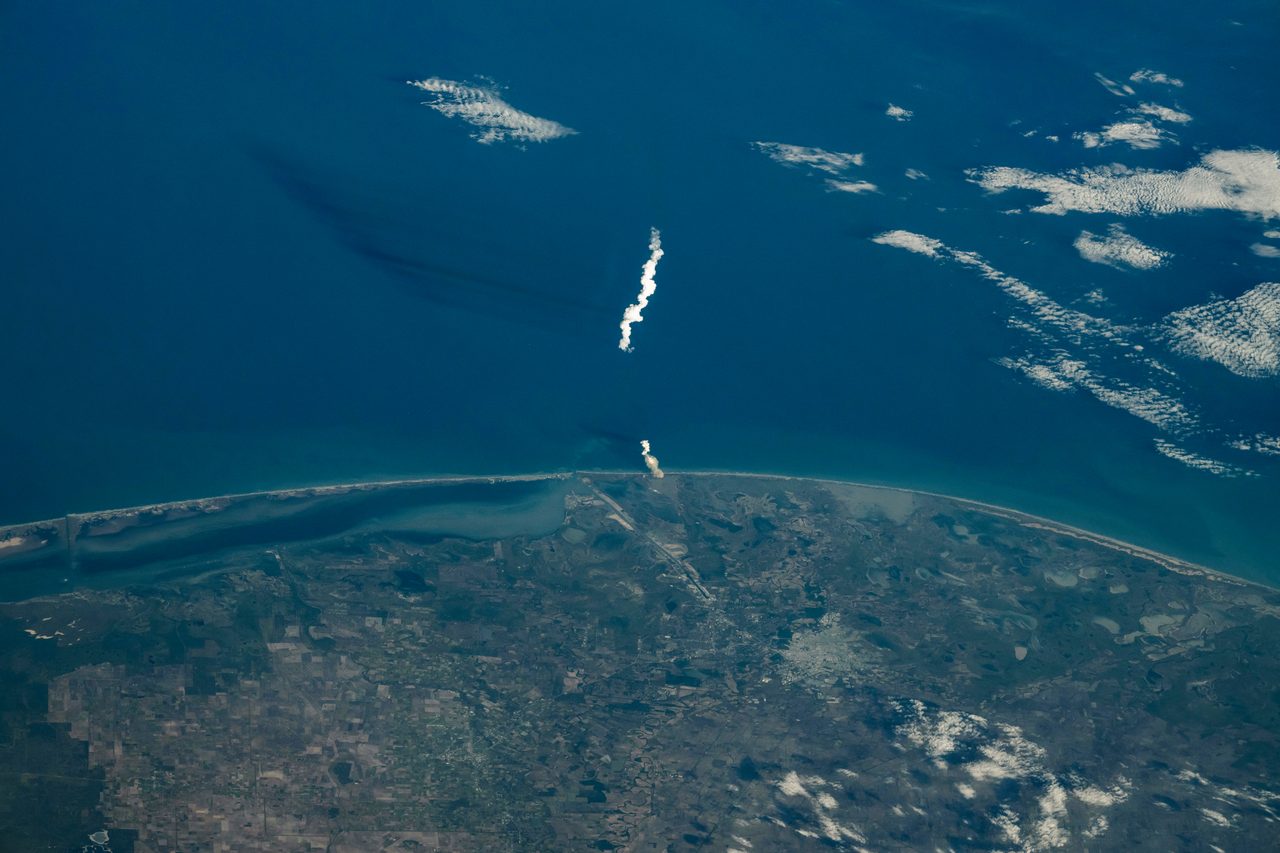
SpaceX plans a tower catch for Starship's next flight, while JWST explores water on mini-Neptunes.
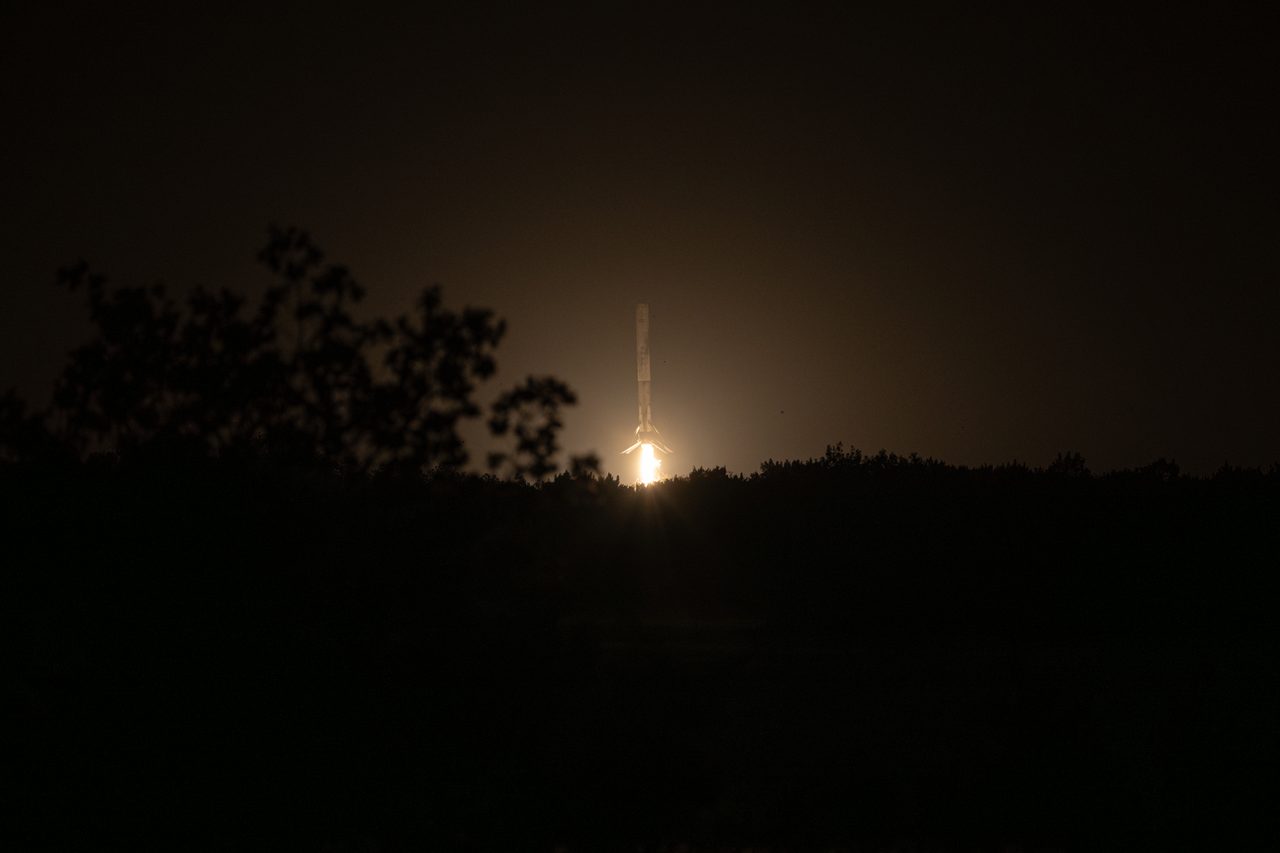
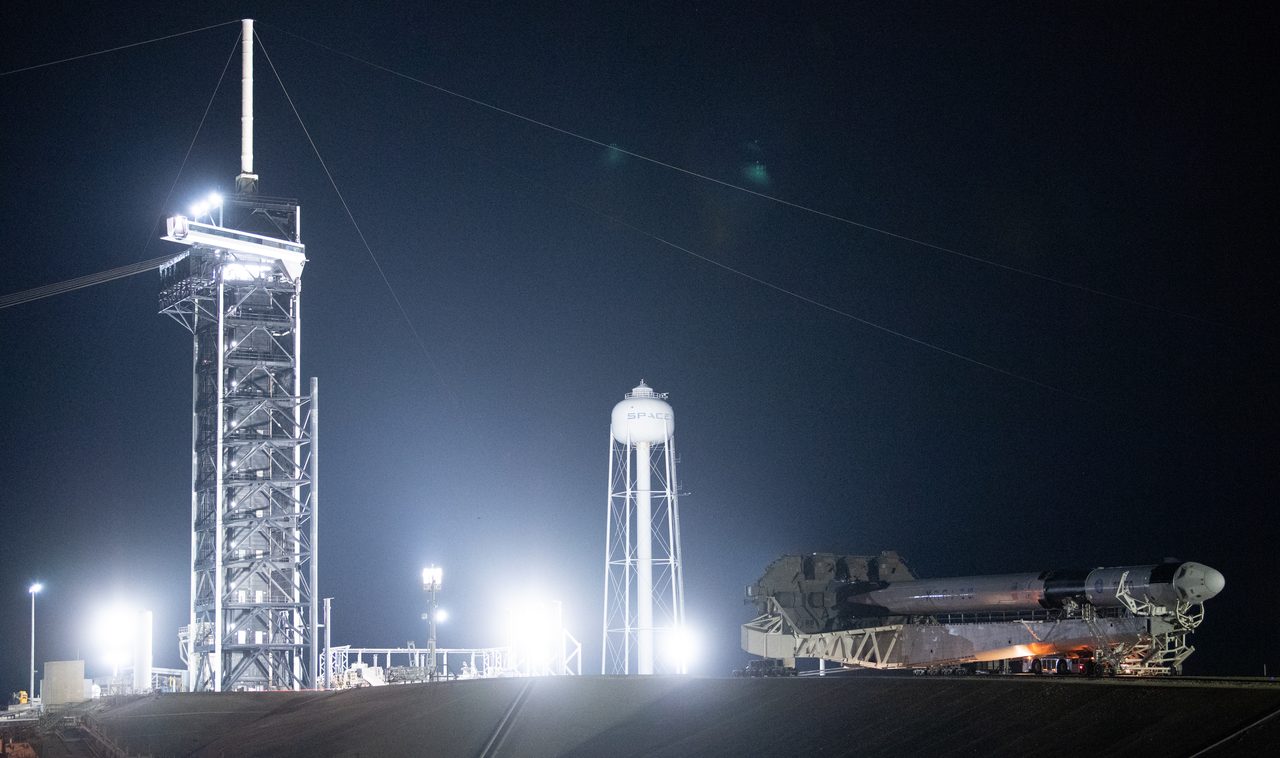
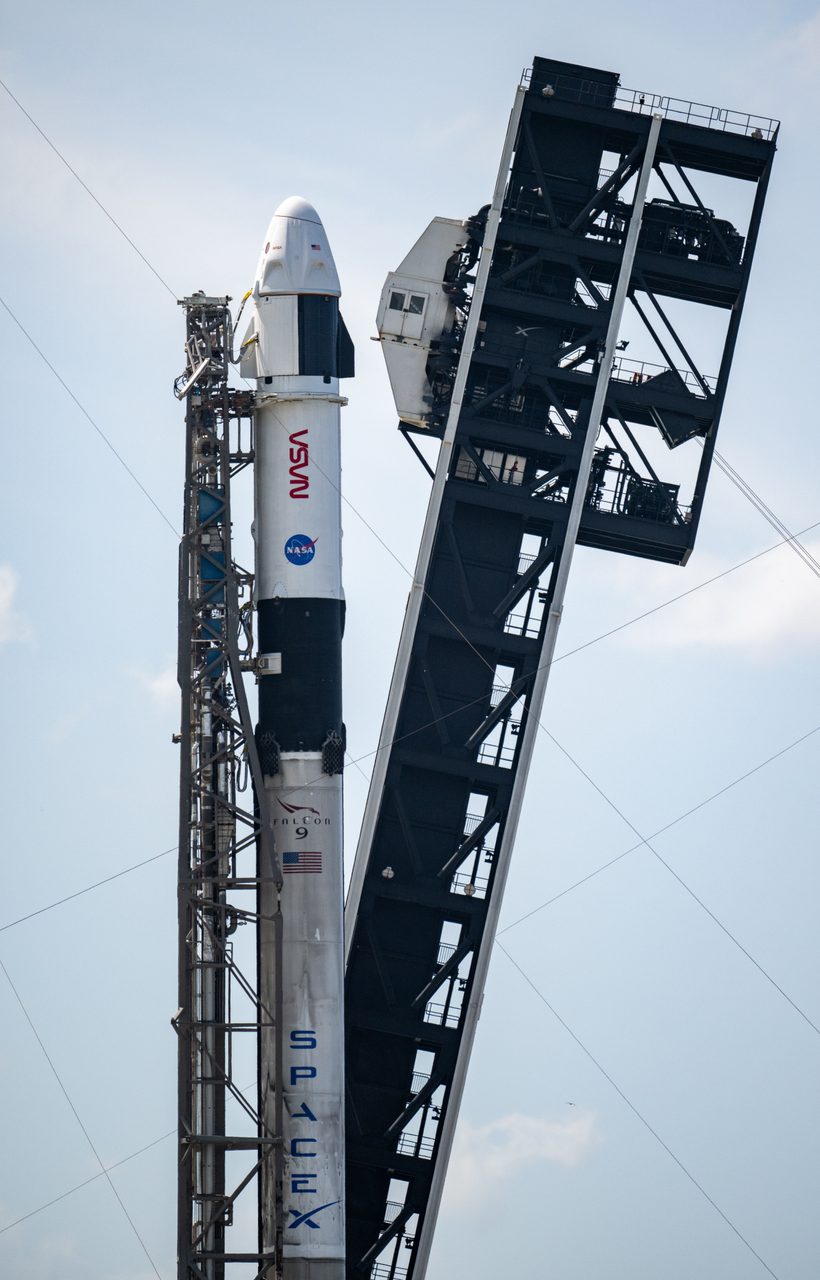
SpaceX is preparing for a novel recovery method for its Starship vehicle following the successful completion of its 13th flight. The company aims to use a 'tower catch' technique for the next mission, a method that involves capturing the descending spacecraft with a launch tower rather than landing it traditionally. This approach could enhance the reusability of the Starship, potentially reducing turnaround times between flights. Details of the upcoming mission can be monitored on our Launch Schedule page.
JWST's Quest for Water
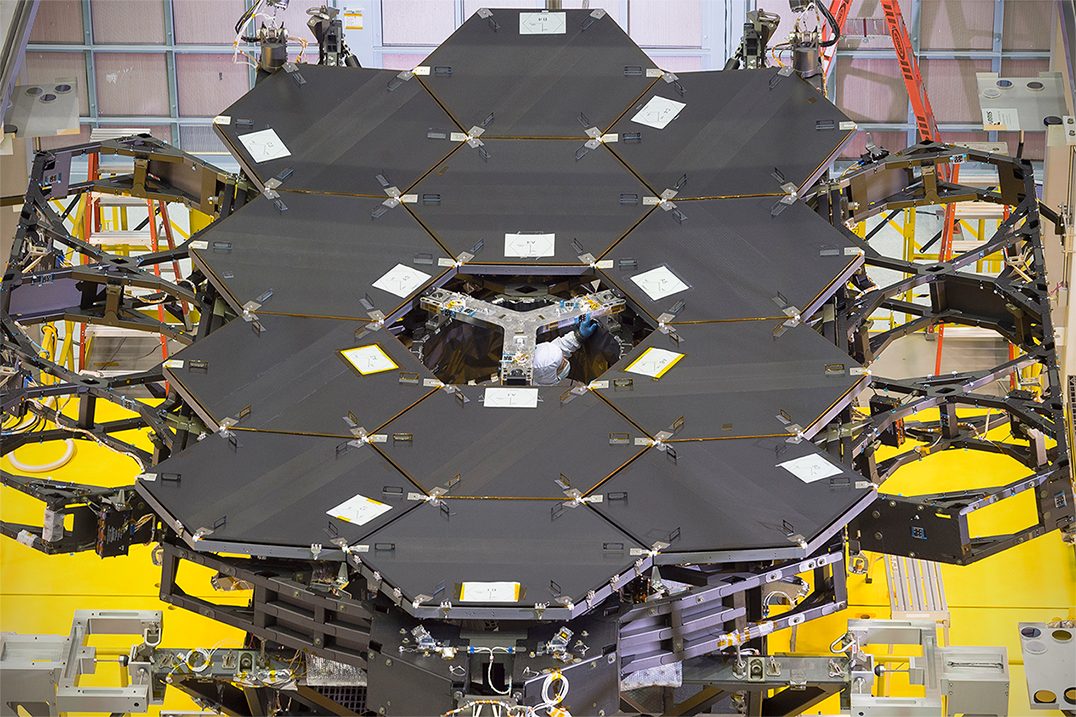
The James Webb Space Telescope (JWST) is currently investigating the presence of water on mini-Neptune exoplanets. Recent analyses suggest that water may be hidden deep within these worlds, challenging previous assumptions about their atmospheres. The JWST's advanced instruments allow for unprecedented observation of these distant planets, providing insights into their atmospheric composition. As the telescope continues its mission, updates on its findings can be explored through the Space Agencies directory.
Orbital Close Approaches
Several close approaches between satellites have been recorded, with the nearest involving OBJECT A and OBJECT B at a distance of approximately 0.34 km. Such events highlight the increasing congestion in Earth's orbit, where over 18,365 active satellites are currently tracked. The Debris Map provides a visual representation of potential collision risks and is regularly updated with new data.
What to Watch
While there are no immediate launches scheduled, the space community is keenly observing SpaceX's next Starship mission, particularly the innovative tower catch technique. Additionally, ongoing observations by JWST promise further revelations about exoplanetary atmospheres. For those interested in satellite movements, the Pass Predictor offers forecasts of visible satellite passes.
Frequently Asked Questions
What is the tower catch method for Starship?
What is the James Webb Space Telescope searching for on mini-Neptunes?
📎 Cite this article
Orbital Radar Newsroom. (2026). SpaceX Starship's Tower Catch and JWST's Water Hunt. Orbital Radar. https://orbitalradar.com/blog/orbital-briefing-2026-07-26"SpaceX Starship's Tower Catch and JWST's Water Hunt." Orbital Radar, 26 July 2026, https://orbitalradar.com/blog/orbital-briefing-2026-07-26.@misc{orbitalradar_orbital_briefing_2026_07_26,
title = {SpaceX Starship's Tower Catch and JWST's Water Hunt},
author = {{Orbital Radar}},
year = {2026},
howpublished = {\url{https://orbitalradar.com/blog/orbital-briefing-2026-07-26}}
}