Orbital Close Calls Highlight Need for Space Traffic Management
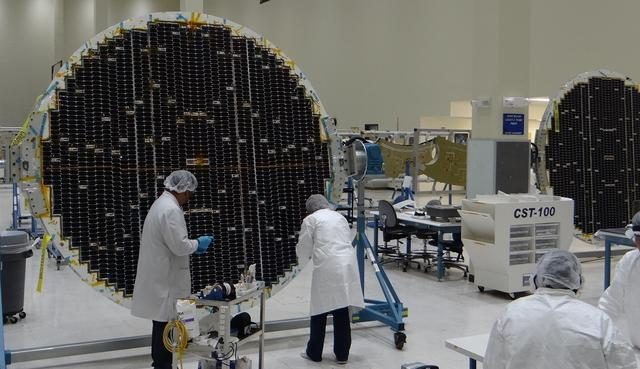
Recent close approaches in orbit underscore the need for better space traffic management as Starliner delays continue.
The increasing frequency of close approaches between satellites and debris in Earth's orbit is raising concerns about the need for more stringent space traffic management. Recent data indicates multiple close calls, including a minimum distance of approximately 1.44 km between NANOFF B and NANOFF A. These incidents highlight the growing congestion in space, with over 18 active close approaches currently being tracked. With 28,957 total catalogued objects, the risk of collision is an ever-present challenge for satellite operators. For real-time tracking of these events, the Orbital Radar Debris Map provides valuable insights.
Starliner Delays Continue
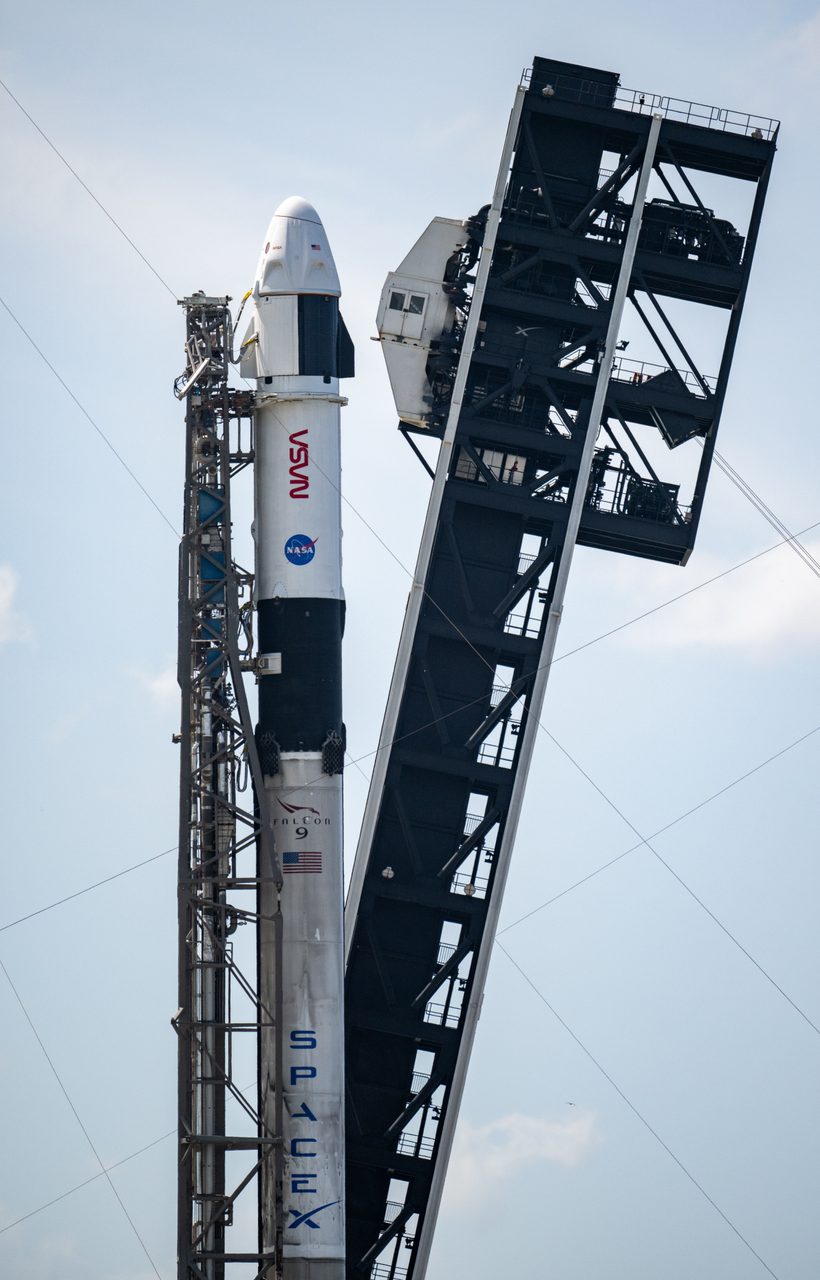
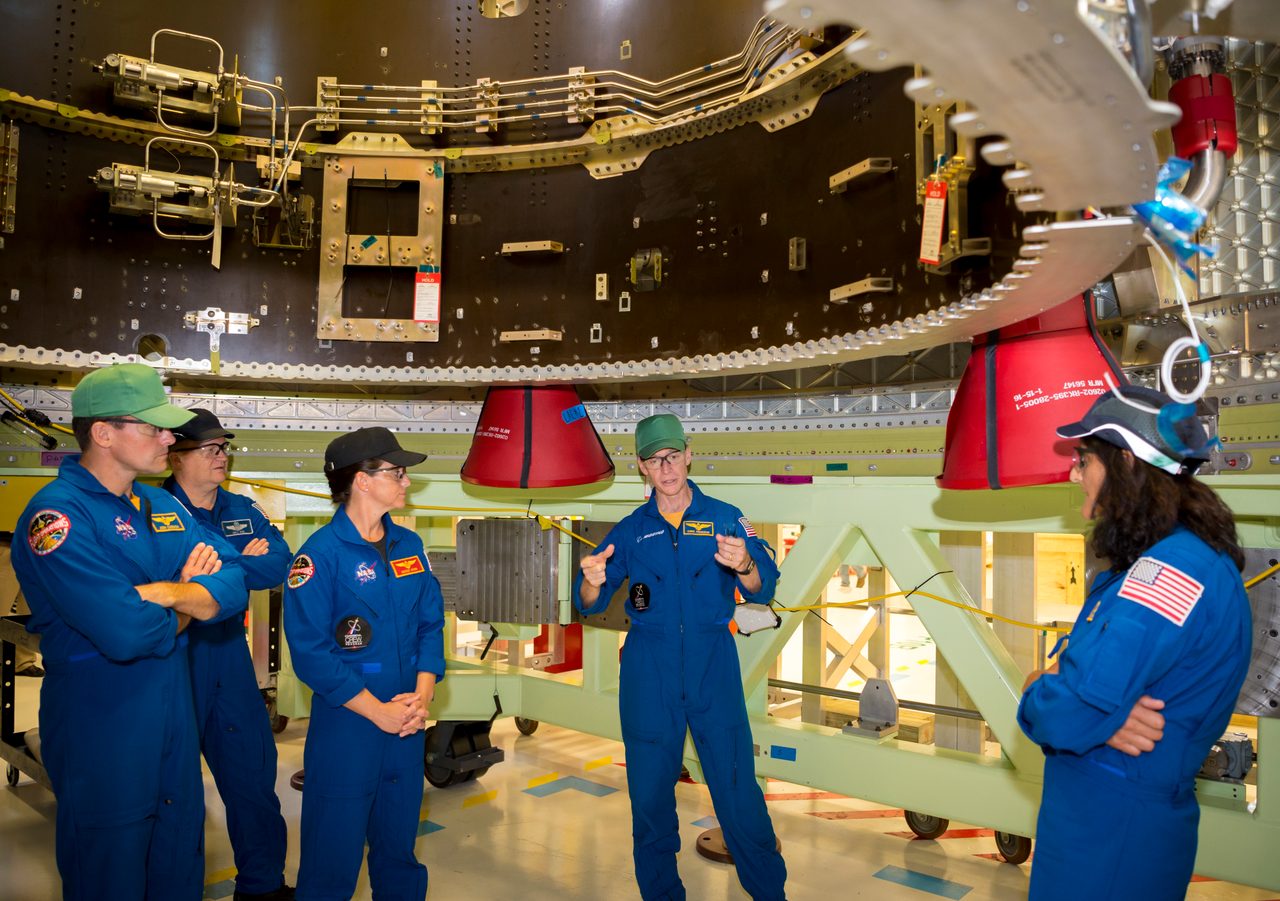
Boeing's Starliner spacecraft remains grounded with no confirmed date for its next flight. This ongoing delay is causing concern within the space community as the vehicle was intended to provide an additional crew transport option to the International Space Station (ISS). The delay is attributed to technical challenges that have yet to be resolved. As the Starliner programme remains in limbo, the reliance on SpaceX's Crew Dragon for crewed missions to the ISS continues. For more on spacecraft like Starliner, visit the Spacecraft & Capsules section.
Mercury's Magnetic Field Traps Solar Wind
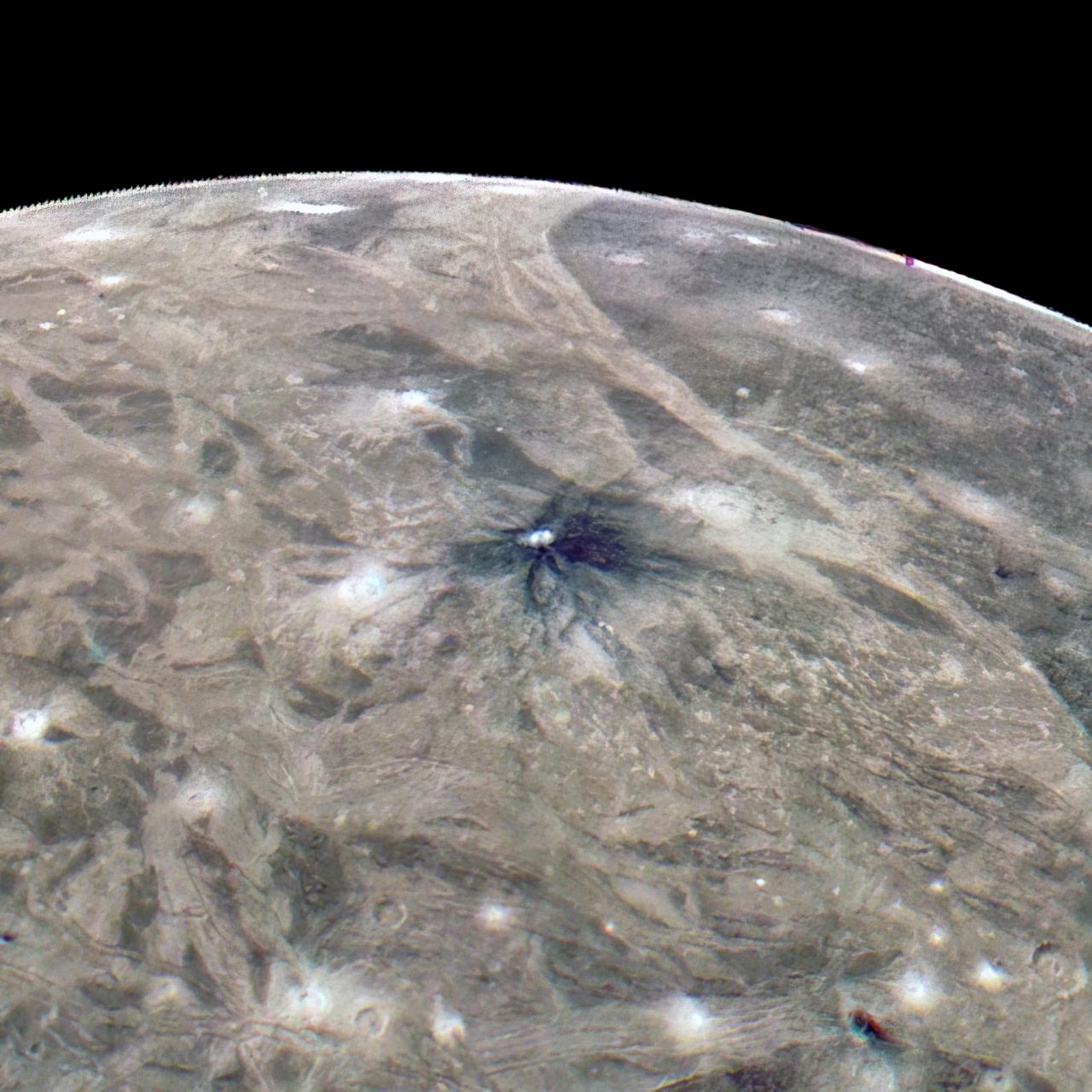
Recent studies have revealed that Mercury's weak magnetic field can periodically trap solar wind particles. This phenomenon occurs due to the planet's proximity to the Sun and its relatively small magnetosphere. Understanding these interactions is crucial for comprehending the dynamics of Mercury's space environment. Such insights are valuable for future missions to the innermost planet, potentially informing both robotic and human exploration strategies.
What to Watch
While no launches are scheduled for the immediate future, the space community is closely monitoring developments in space traffic management and the ongoing Starliner situation. Additionally, the James Webb Space Telescope (JWST) continues its observations of binary stars in the Small Magellanic Cloud, offering new insights into stellar evolution. For a comprehensive overview of upcoming launches, visit the Launch Schedule page.
Frequently Asked Questions
What is causing the delay in Starliner's next flight?
Why are close approaches between satellites a concern?
📎 Cite this article
Orbital Radar Newsroom. (2026). Orbital Close Calls Highlight Need for Space Traffic Management. Orbital Radar. https://orbitalradar.com/blog/orbital-briefing-2026-07-31"Orbital Close Calls Highlight Need for Space Traffic Management." Orbital Radar, 31 July 2026, https://orbitalradar.com/blog/orbital-briefing-2026-07-31.@misc{orbitalradar_orbital_briefing_2026_07_31,
title = {Orbital Close Calls Highlight Need for Space Traffic Management},
author = {{Orbital Radar}},
year = {2026},
howpublished = {\url{https://orbitalradar.com/blog/orbital-briefing-2026-07-31}}
}