CosmoCube Satellite to Explore Early Universe from Lunar Far Side
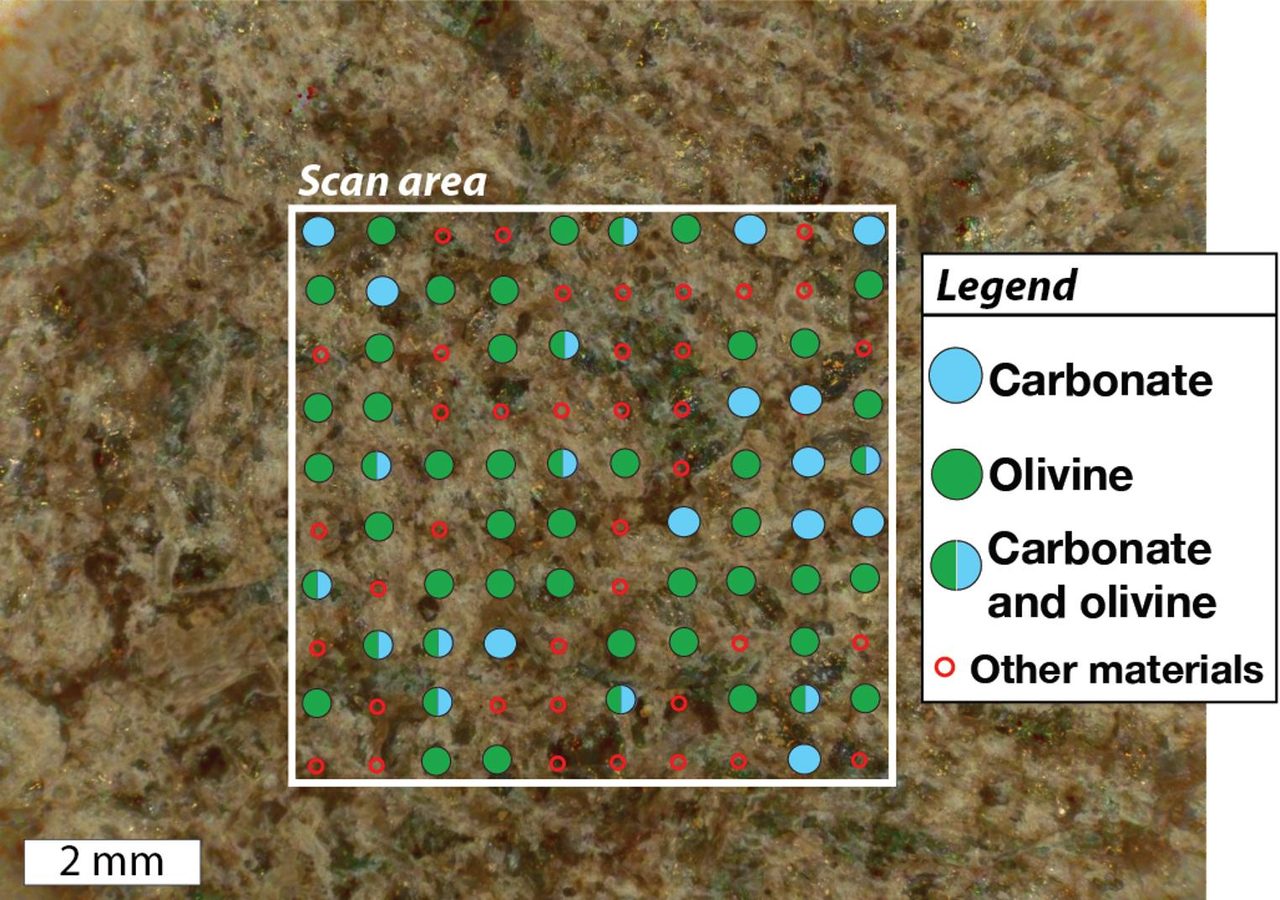
The CosmoCube satellite will study the early universe from the Moon's far side, while Martian meteorite analysis reveals ancient water.
The CosmoCube satellite, a pioneering mission to study the early universe, is set to be deployed on the far side of the Moon. This location offers a unique radio-quiet environment, free from Earth's interference, enabling unprecedented observations of cosmic microwave background radiation. The mission, part of a collaborative effort involving multiple international space agencies, aims to provide insights into the universe's infancy. For more on lunar missions, visit our Moon Globe.
Martian Meteorite Reveals Ancient Water
A Martian meteorite, recently analysed, has provided compelling evidence of ancient water in Mars's crust. The meteorite, found to be unusually dry, suggests that water was once present but has since been lost to space or absorbed into the planet's surface. This discovery adds to our understanding of Mars's climatic history and its potential for past life. For a deeper dive into Martian geology, explore our Space Agencies directory.
Perseids Meteor Shower Peaks
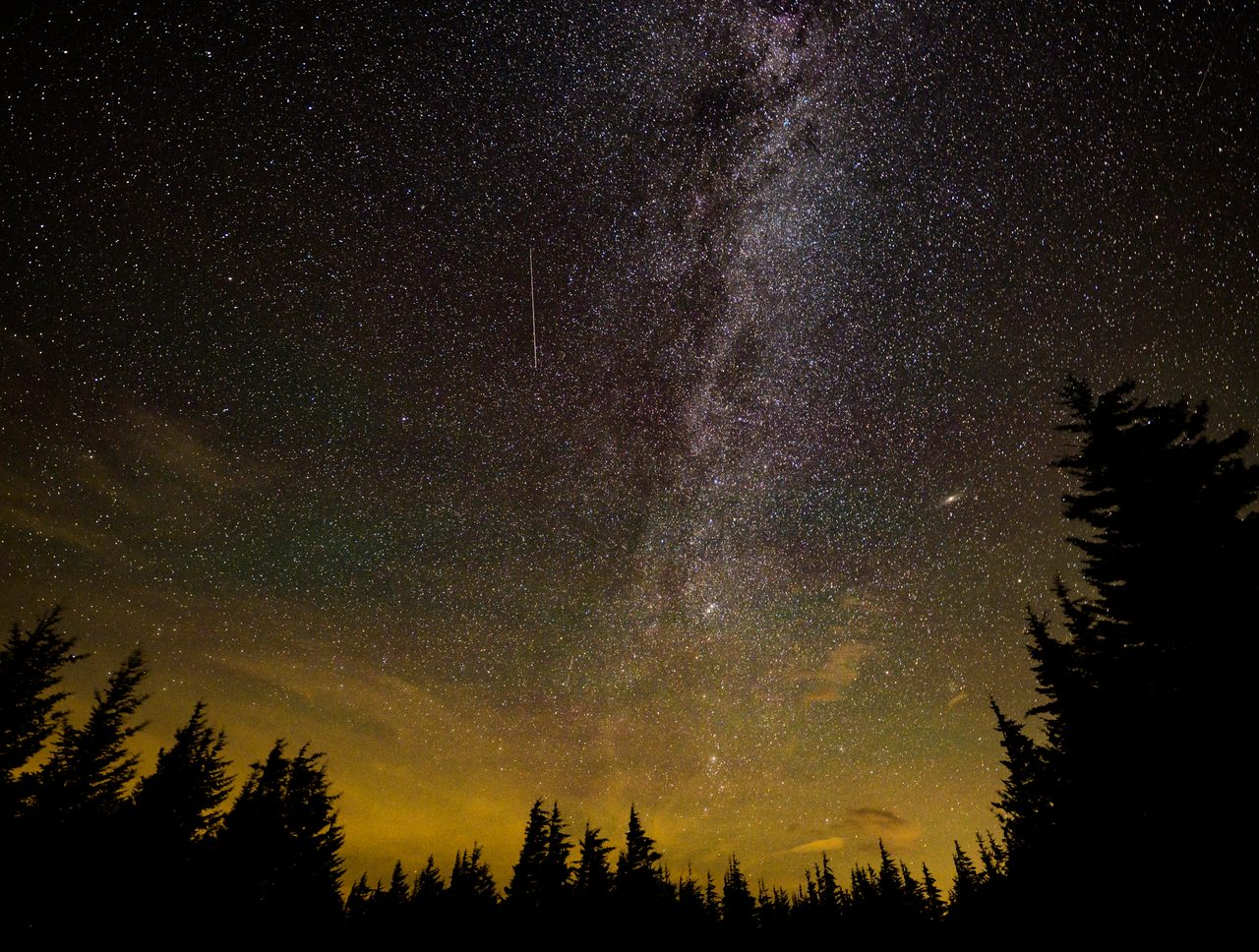
The Perseids meteor shower, one of the most anticipated celestial events, is peaking this week. Known for its high frequency of bright meteors, the Perseids are best viewed under clear, dark skies. For those interested in observing the shower, our Pass Predictor can help you find optimal viewing times.
What to Watch
While no launches are scheduled for today, the space community is closely monitoring several close approaches between satellites. Notably, SUPERVIEW NEO-2 05 and SUPERVIEW NEO-2 06 will pass within approximately 1.59 km of each other. These events underscore the growing need for effective space traffic management. Keep up with upcoming launches on our Launch Schedule.
Frequently Asked Questions
What is the CosmoCube satellite?
When is the best time to view the Perseids meteor shower?
📎 Cite this article
Orbital Radar Newsroom. (2026). CosmoCube Satellite to Explore Early Universe from Lunar Far Side. Orbital Radar. https://orbitalradar.com/blog/orbital-briefing-2026-08-22"CosmoCube Satellite to Explore Early Universe from Lunar Far Side." Orbital Radar, 22 August 2026, https://orbitalradar.com/blog/orbital-briefing-2026-08-22.@misc{orbitalradar_orbital_briefing_2026_08_22,
title = {CosmoCube Satellite to Explore Early Universe from Lunar Far Side},
author = {{Orbital Radar}},
year = {2026},
howpublished = {\url{https://orbitalradar.com/blog/orbital-briefing-2026-08-22}}
}