Capturing the Celestial Dance of the Perseids
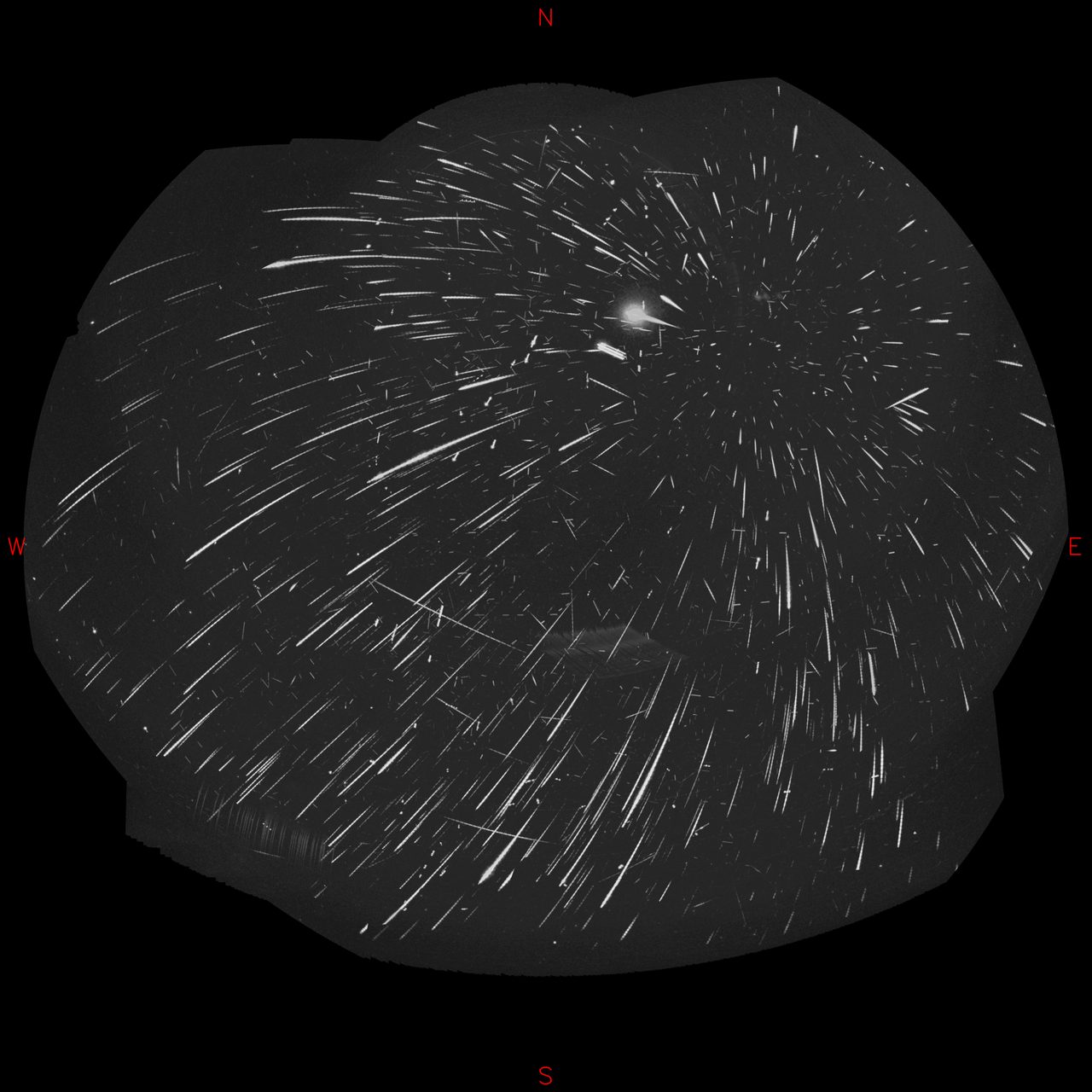
A composite image from Czechia captures the Perseid Meteor Shower's peak, showcasing 1,706 meteors and revealing radiants from multiple showers.
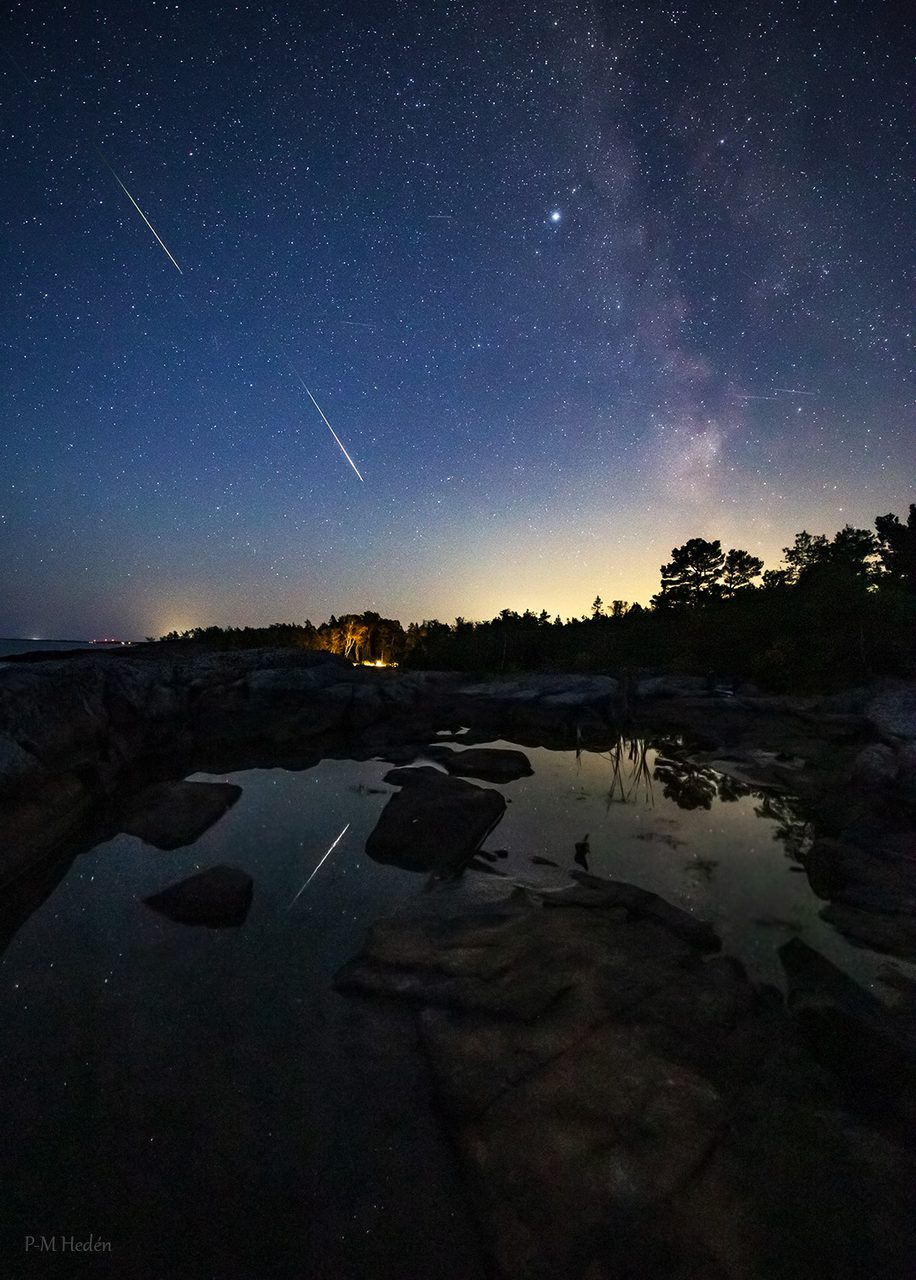
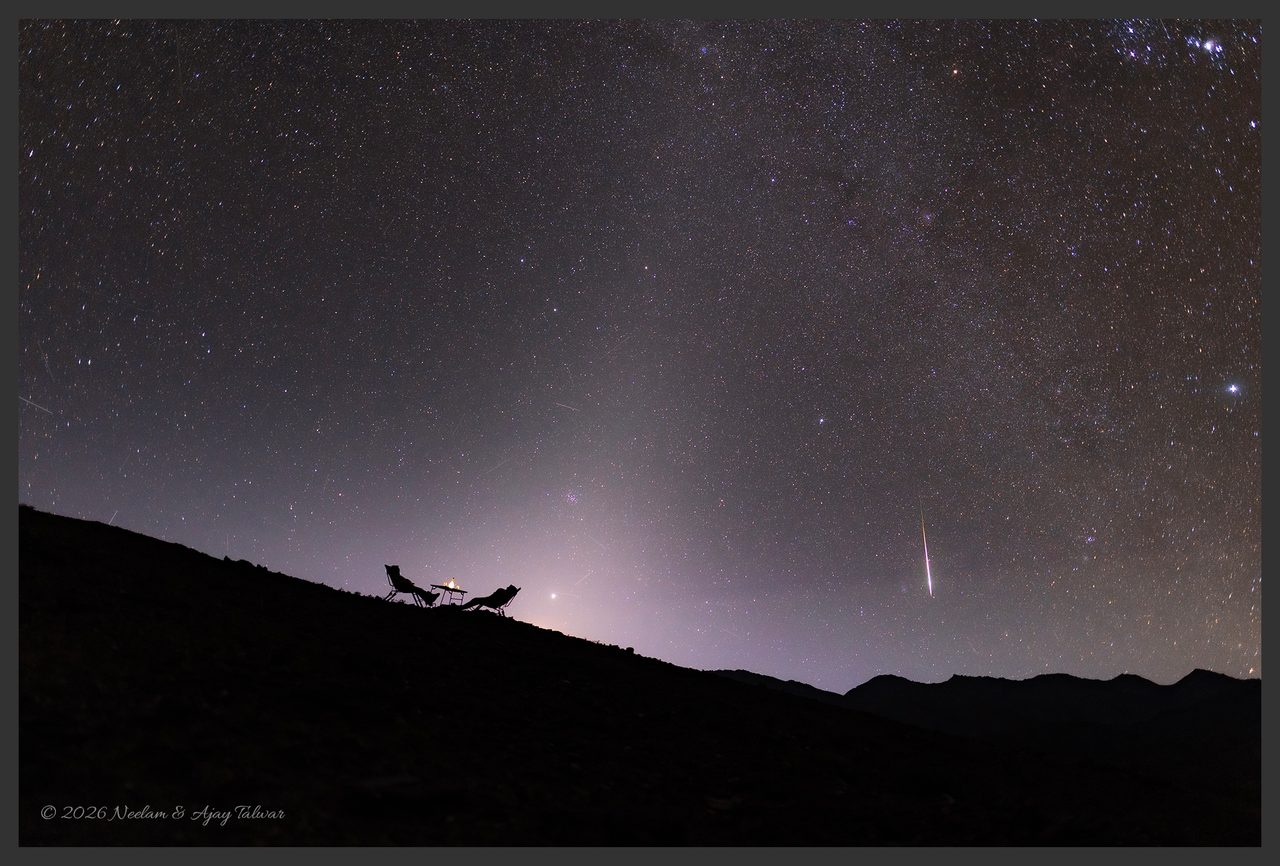
The featured image, "Mostly Perseids," offers a captivating view of the night sky as seen from the Valašské Meziříčí Observatory in Czechia. Captured on the night of August 12-13, 2026, this composite photograph aligns images from four meteor-monitoring cameras to reveal 1,706 meteors. The majority of these are Perseids, a prolific meteor shower that peaks annually in mid-August. The Perseids are known for their bright, fast meteors, which originate from the debris trail of Comet Swift-Tuttle. The image highlights the radiant point in the constellation Perseus, from which these meteors appear to emanate.
The Science Behind Meteor Showers
Meteor showers occur when Earth passes through the trail of debris left by a comet or asteroid. As these particles enter Earth's atmosphere, they burn up, creating streaks of light known as meteors. The Perseids are particularly renowned due to their high activity rate and the favourable viewing conditions in the Northern Hemisphere. This image also captures meteors from less active showers, such as the Kappa Cygnids and the antihelion complex near Aquarius. Understanding these meteor showers can provide insights into the composition and behaviour of comets, contributing to our broader knowledge of the solar system.
Observing the Night Sky
For those interested in observing meteor showers, the Perseids offer a spectacular display that can be enjoyed without specialised equipment. The best viewing conditions occur after midnight, away from city lights. For enthusiasts tracking satellites or other celestial events, tools like the Orbital Radar pass predictor can enhance your stargazing experience by providing information on visible satellite passes.
Frequently Asked Questions
What causes the Perseid Meteor Shower?
How can I best observe the Perseid Meteor Shower?
📎 Cite this article
Orbital Radar Newsroom. (2026). Capturing the Celestial Dance of the Perseids. Orbital Radar. https://orbitalradar.com/blog/cosmic-gallery-2026-08-22"Capturing the Celestial Dance of the Perseids." Orbital Radar, 23 August 2026, https://orbitalradar.com/blog/cosmic-gallery-2026-08-22.@misc{orbitalradar_cosmic_gallery_2026_08_22,
title = {Capturing the Celestial Dance of the Perseids},
author = {{Orbital Radar}},
year = {2026},
howpublished = {\url{https://orbitalradar.com/blog/cosmic-gallery-2026-08-22}}
}