Close Satellite Encounters and Space Force Leadership Change
Satellite close approaches and a leadership change in the U.S. Space Force highlight today's space activities.
Today, the orbital environment is marked by several close approaches between satellites, with the closest being COSMOS 2581 and COSMOS 2582, which passed within approximately 0.91 km of each other. These events underscore the importance of vigilant monitoring and collision avoidance in increasingly crowded orbits. The Orbital Radar Debris Map provides real-time tracking of such close encounters.
New Leadership at U.S. Space Force
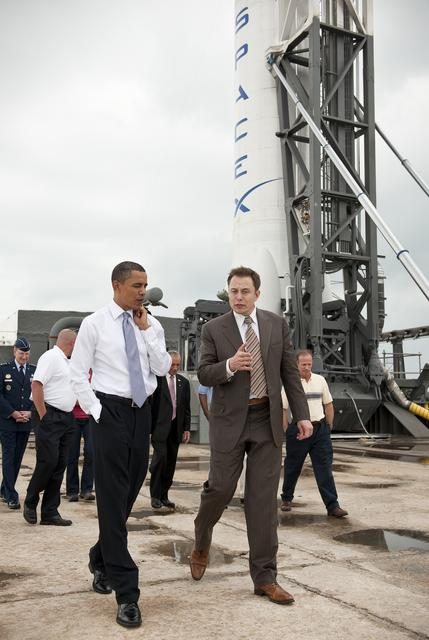
Lieutenant General Stephen N. Schiess has assumed command of the U.S. Space Force, marking a significant leadership transition. Schiess will oversee the branch's efforts to maintain and enhance space security amidst growing global competition. His leadership is expected to focus on advancing the capabilities of the Space Force in both defensive and offensive operations, as detailed in the Space Agencies directory.
Astronomical Discoveries and Observations
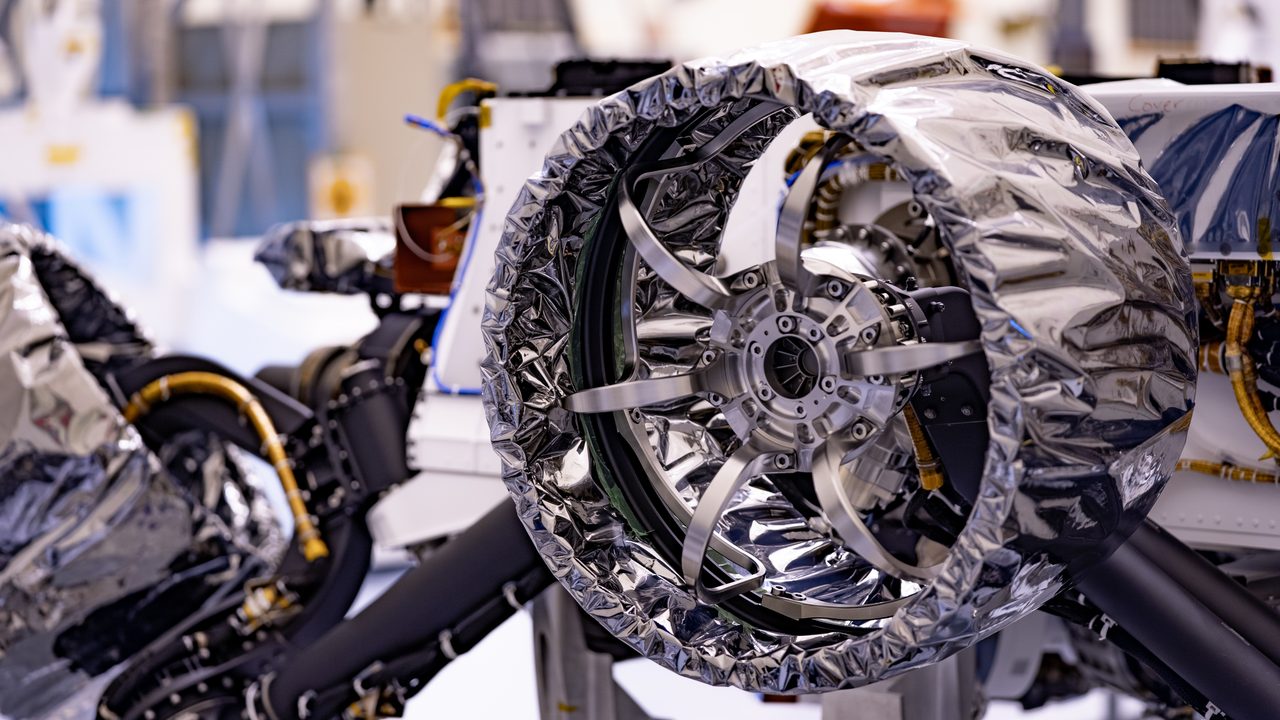
In the realm of astronomical research, AI has been employed to analyse data from the Gaia mission, bringing hot subdwarfs into sharper focus. This development could aid in understanding stellar evolution and the structure of our galaxy. Meanwhile, the Perseverance rover on Mars captured a striking view of Earth disappearing behind the Martian moon. Such observations are accessible through the Mars Rovers page.
What to Watch
While there are no launches scheduled for today, enthusiasts can look forward to upcoming lunar occultations involving Jupiter and Venus. These celestial events offer unique opportunities for both amateur and professional astronomers to observe the dynamics of our solar system. For more details on future launches and events, visit the Launch Schedule.
Frequently Asked Questions
What is a satellite close approach?
Who is the new leader of the U.S. Space Force?
📎 Cite this article
Orbital Radar Newsroom. (2026). Close Satellite Encounters and Space Force Leadership Change. Orbital Radar. https://orbitalradar.com/blog/orbital-briefing-2026-09-04"Close Satellite Encounters and Space Force Leadership Change." Orbital Radar, 4 September 2026, https://orbitalradar.com/blog/orbital-briefing-2026-09-04.@misc{orbitalradar_orbital_briefing_2026_09_04,
title = {Close Satellite Encounters and Space Force Leadership Change},
author = {{Orbital Radar}},
year = {2026},
howpublished = {\url{https://orbitalradar.com/blog/orbital-briefing-2026-09-04}}
}