NASA Eyes Marius Lunar Pit for Future Base
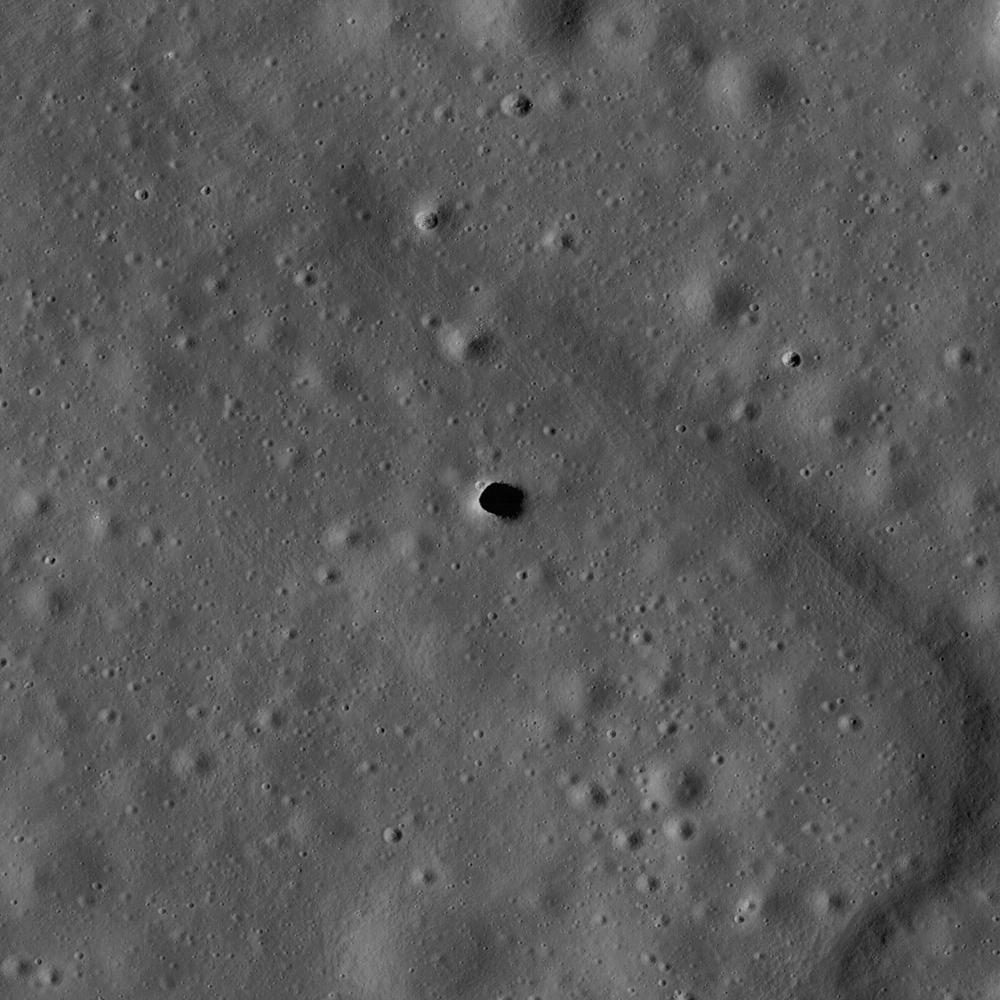
NASA selects GIMLI to explore Marius Lunar Pit for potential base. Starlink satellites narrowly avoid collision. Curiosity reaches new heights on Mars.
| Active satellites | 15,779 |
| Starlink active | 10,063 |
| Catalogued objects | 31,559 |
| Predicted re-entries | 17 |
| Active close approaches | 25 |
| People in space | 14 |
NASA has selected the GIMLI mission to explore the Marius Lunar Pit, a potential site for a future lunar base. The mission aims to assess the pit's viability for human habitation, leveraging advanced robotic technologies to gather data on the pit's environment and resources. This initiative is part of NASA's broader Artemis programme, which seeks to establish a sustainable human presence on the Moon by the end of the decade. The Marius Lunar Pit, located in the Oceanus Procellarum region, offers a unique geological setting that could provide insights into lunar history and resources.
Starlink Satellites Avoid Collision
Two Starlink satellites, STARLINK-2385 and STARLINK-30972, experienced a close approach with a minimum distance of approximately 1.77 km. Such events highlight the growing challenges of satellite traffic management in low Earth orbit (LEO). As of 8 October 2026, Orbital Radar tracking data indicates 10,063 Starlink satellites are operational. With the increasing number of satellites, close approaches are becoming more frequent, necessitating enhanced space situational awareness and collision avoidance strategies. Interested readers can explore the Starlink Tracker for real-time updates on satellite positions.
Curiosity's Martian Milestone
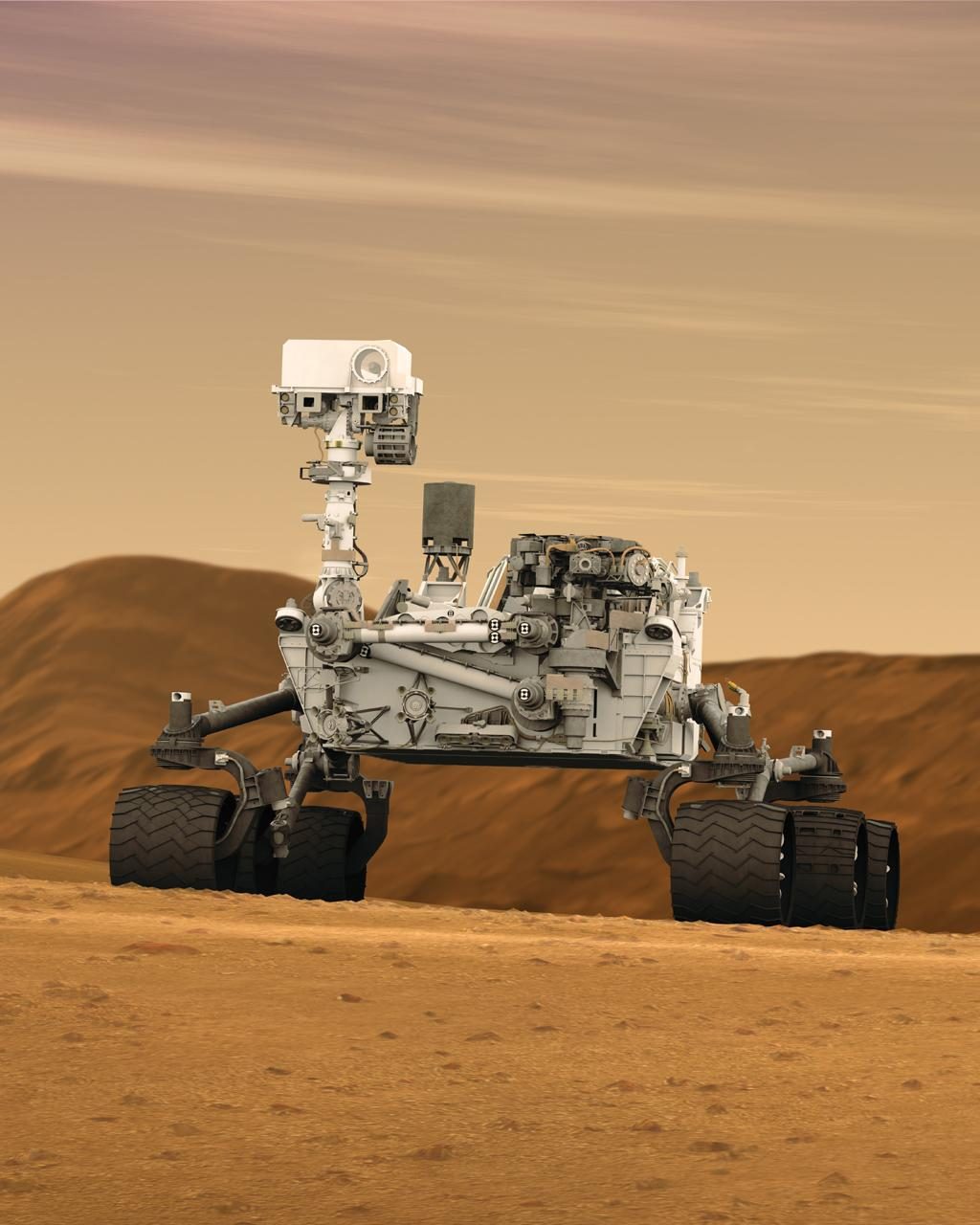
NASA's Curiosity rover has reached a significant elevation milestone on Mars, capturing stunning images of dawn breaking over wind-carved cliffs. This achievement marks another step in the rover's ongoing exploration of the Martian surface, providing valuable data on the planet's geological history. Curiosity's mission continues to yield insights into Mars' past climate and potential habitability, contributing to our understanding of the Red Planet. For more details on Curiosity's journey, visit the Mars Rovers page.
What to Watch
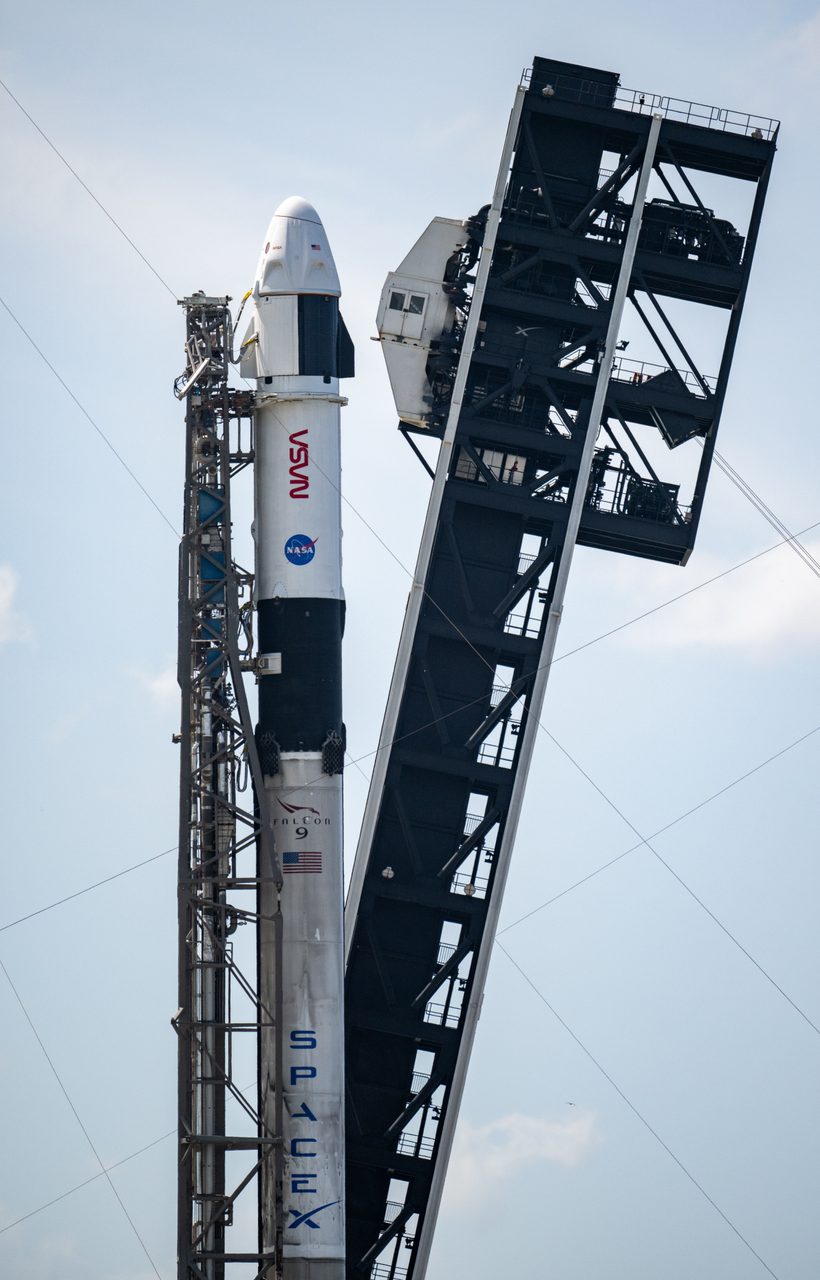
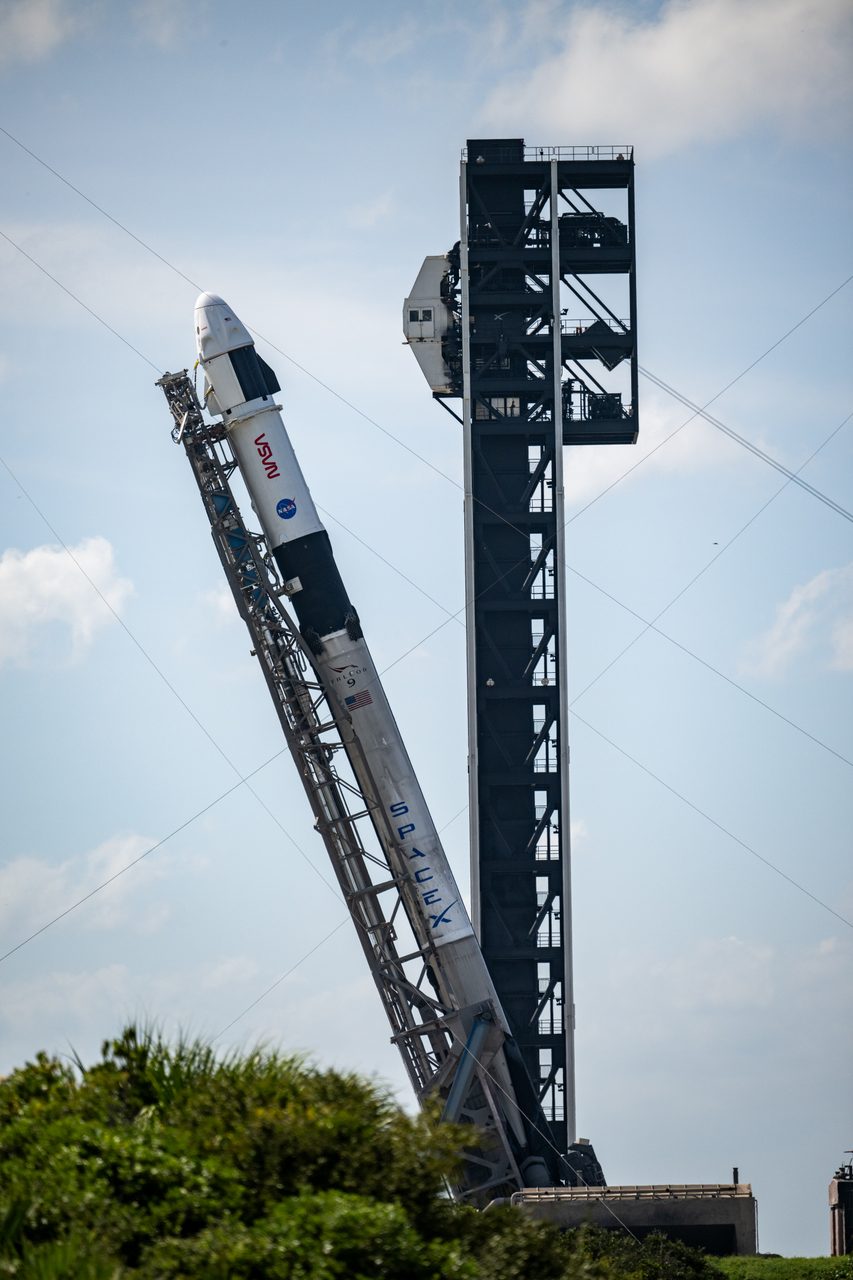
While there are no launches scheduled for the immediate future, space enthusiasts can look forward to NASA's upcoming coverage of the SpaceX 35th Commercial Resupply Mission to the International Space Station (ISS). This mission will deliver essential supplies and scientific experiments to the station, supporting ongoing research and operations. For a comprehensive view of upcoming space events, check the Launch Schedule on Orbital Radar.
Frequently Asked Questions
What is the GIMLI mission?
How many Starlink satellites are currently operational?
📎 Cite this article · data available
Orbital Radar Newsroom. (2026). NASA Eyes Marius Lunar Pit for Future Base. Orbital Radar. https://orbitalradar.com/blog/orbital-briefing-2026-10-08"NASA Eyes Marius Lunar Pit for Future Base." Orbital Radar, 8 October 2026, https://orbitalradar.com/blog/orbital-briefing-2026-10-08.@misc{orbitalradar_orbital_briefing_2026_10_08,
title = {NASA Eyes Marius Lunar Pit for Future Base},
author = {{Orbital Radar}},
year = {2026},
howpublished = {\url{https://orbitalradar.com/blog/orbital-briefing-2026-10-08}}
}