SpaceX Crew-12 Returns as Close Approaches Increase

SpaceX Crew-12 returns from the ISS as close satellite approaches increase. 15,756 active satellites are currently tracked.
| Active satellites | 15,756 |
| Starlink active | 10,037 |
| Catalogued objects | 31,444 |
| Predicted re-entries | 28 |
| Active close approaches | 19 |
| People in space | 14 |
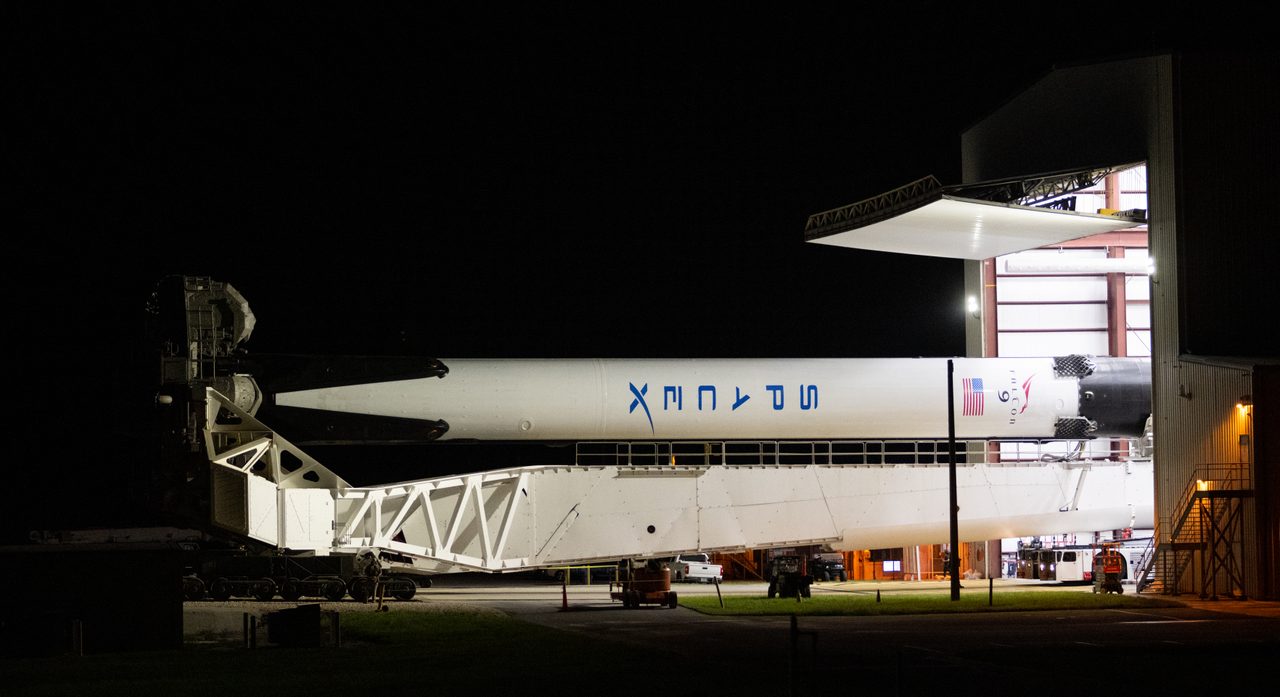
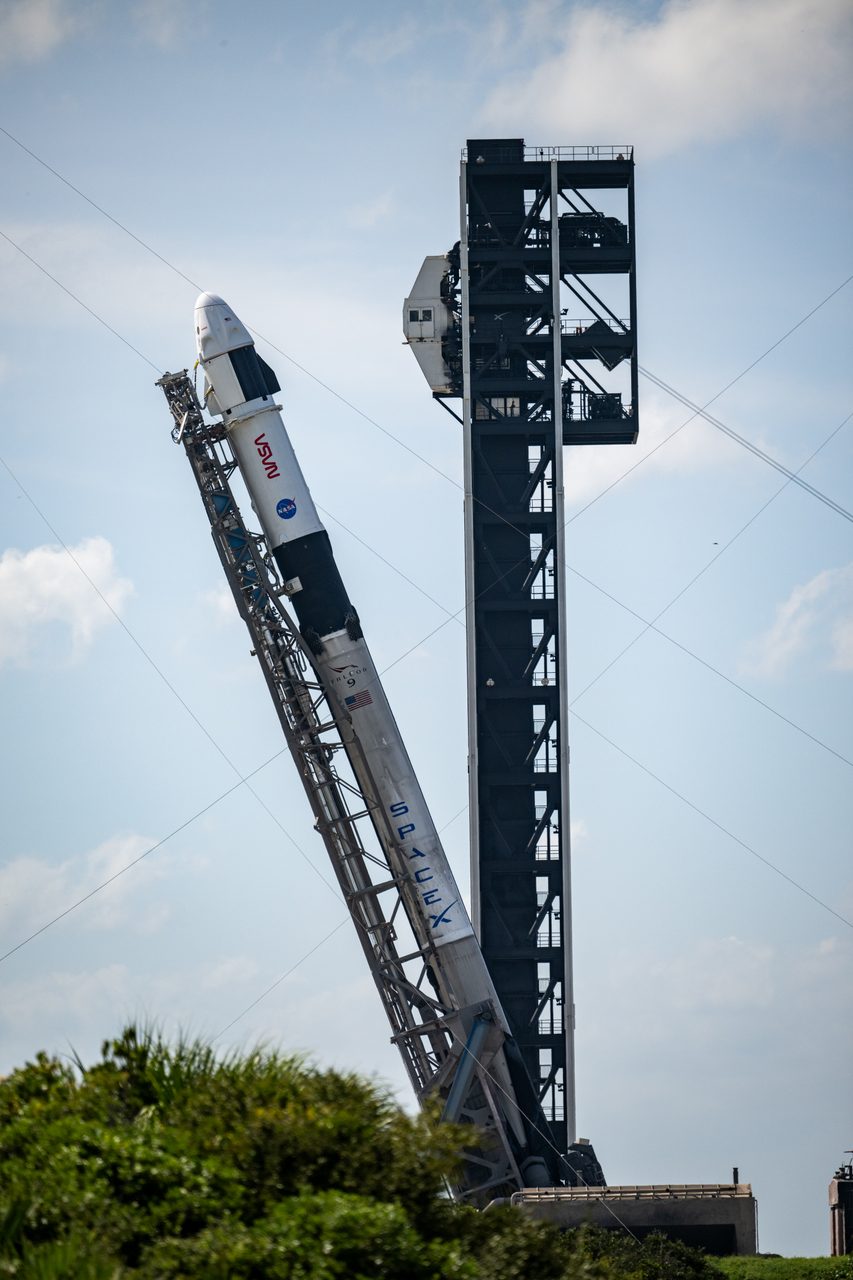
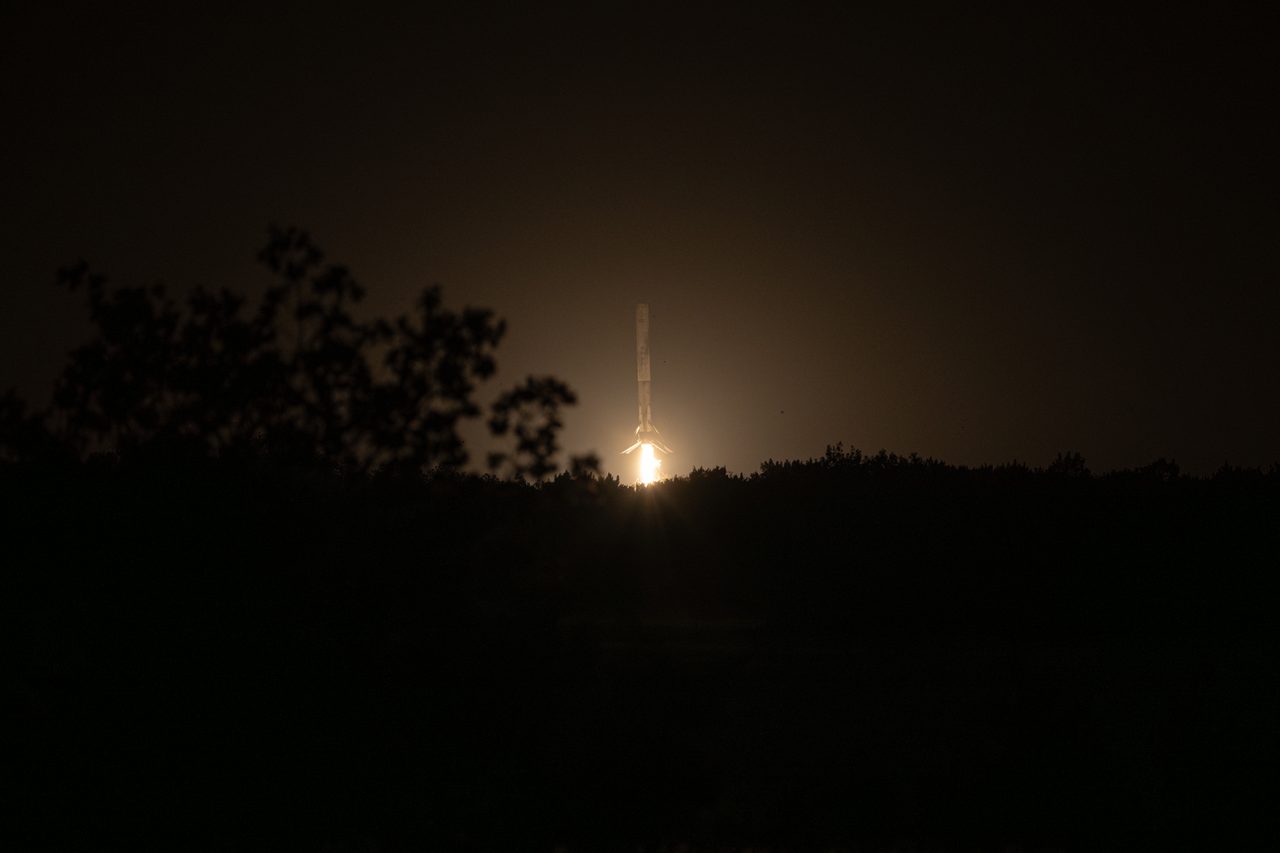
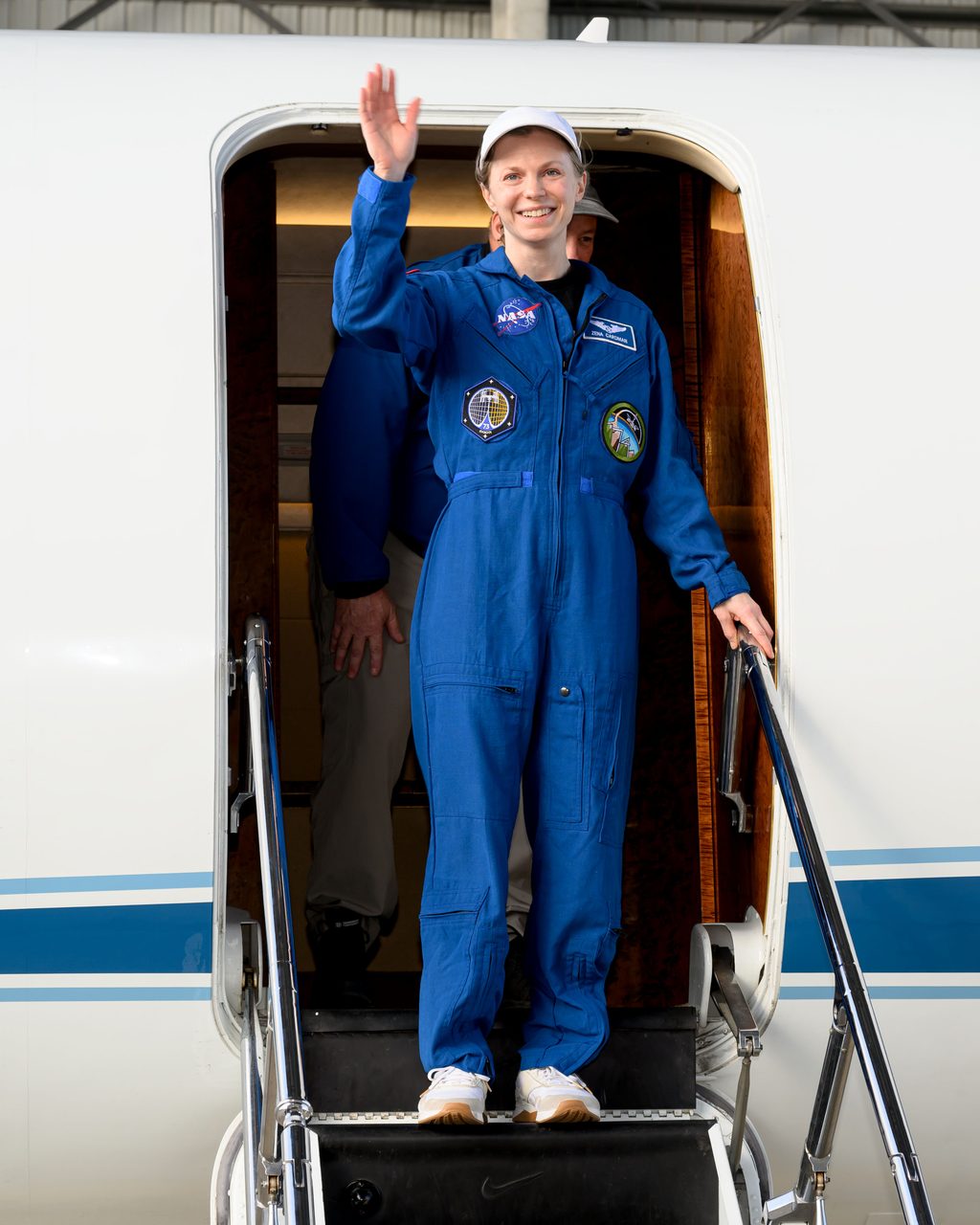
NASA's SpaceX Crew-12 mission has successfully concluded, with the crew returning to Earth after completing their science mission aboard the International Space Station (ISS). The mission, which included various scientific experiments, highlights the ongoing collaboration between NASA and SpaceX in maintaining and utilizing the ISS for research and exploration.
Increase in Close Satellite Approaches
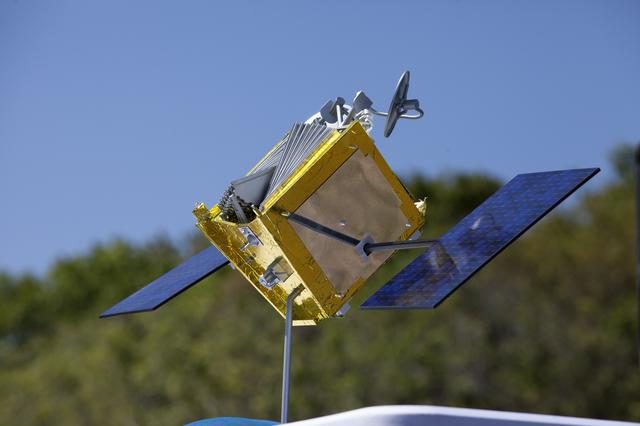
Recent data indicates a rise in close approaches between satellites, with several instances involving the Tianhui and SuperView NEO constellations. Notably, Tianhui 5A and 5B came within approximately 0.45 km of each other. Such close approaches underscore the importance of space situational awareness, which can be explored further through the SSA hub on Orbital Radar.
Space Weather and Orbital Environment
Current space weather conditions remain stable, with a Kp index of 3 indicating a quiet geomagnetic environment. The total number of active satellites in orbit is 15,756, with 31,444 catalogued objects including debris. This highlights the growing complexity of the orbital environment, which can be visualised using Orbital Radar's Debris Map.
What to Watch
While no launches are scheduled for today, the space community is closely monitoring upcoming events. The return of NASA's SpaceX Crew-12 marks a significant milestone, and future missions can be tracked via the Launch Schedule on Orbital Radar. Additionally, visible satellite passes can be checked using the Pass Predictor.
Frequently Asked Questions
What is the current number of active satellites in orbit?
How close did Tianhui 5A and 5B come to each other?
Cite this article
Pick a style, then copy it or download it for your reference manager.Orbital Radar. (2026, October 3). SpaceX Crew-12 Returns as Close Approaches Increase. Retrieved November 19, 2026, from https://orbitalradar.com/blog/orbital-briefing-2026-10-03
“SpaceX Crew-12 Returns as Close Approaches Increase.” Orbital Radar, 3 Oct. 2026, orbitalradar.com/blog/orbital-briefing-2026-10-03. Accessed 19 Nov. 2026.
Orbital Radar (2026) SpaceX Crew-12 Returns as Close Approaches Increase. Available at: https://orbitalradar.com/blog/orbital-briefing-2026-10-03 (Accessed: 19 November 2026).
Orbital Radar. “SpaceX Crew-12 Returns as Close Approaches Increase.” Last modified October 3, 2026. https://orbitalradar.com/blog/orbital-briefing-2026-10-03.
@misc{orbitalradar_blog_orbital_briefing_2026_10_03,
  author       = {{Orbital Radar}},
  title        = {SpaceX Crew-12 Returns as Close Approaches Increase},
  year         = {2026},
  month        = oct,
  howpublished = {\url{https://orbitalradar.com/blog/orbital-briefing-2026-10-03}},
  url          = {https://orbitalradar.com/blog/orbital-briefing-2026-10-03},
  urldate      = {2026-11-19},
  note         = {Accessed 2026-11-19}
}
TY - ELEC AU - Orbital Radar, TI - SpaceX Crew-12 Returns as Close Approaches Increase PY - 2026 DA - 2026/10/03 PB - Orbital Radar UR - https://orbitalradar.com/blog/orbital-briefing-2026-10-03 Y2 - 2026/11/19 LA - en ER -
Live figures change, so keep the date you accessed the page. How to cite Orbital Radar