ESA's SMILE Begins Science Operations with First Images
ESA and CAS have released the first images from the SMILE mission, marking the official start of its science operations.
| Active satellites | 15,750 |
| Starlink active | 10,056 |
| Catalogued objects | 31,474 |
| Active close approaches | 24 |
| People in space | 10 |
The European Space Agency (ESA) and the Chinese Academy of Sciences (CAS) have officially commenced science operations for the Solar wind Magnetosphere Ionosphere Link Explorer (SMILE) mission. This collaboration has released the first images captured by the spacecraft, which aims to study the interaction between the solar wind and Earth's magnetosphere. SMILE's findings are expected to enhance our understanding of space weather phenomena, crucial for protecting satellites and ground-based technology.
SpaceX Satellite Launch
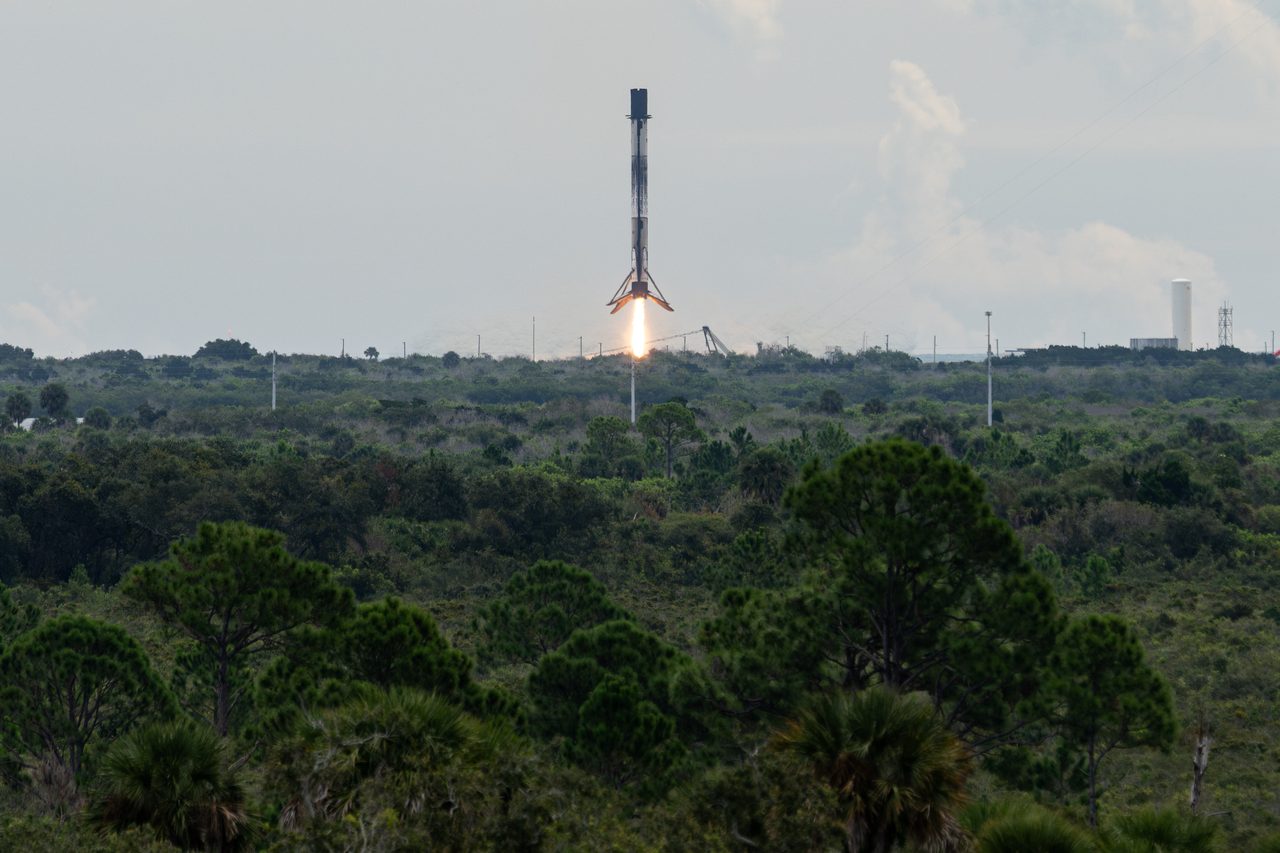
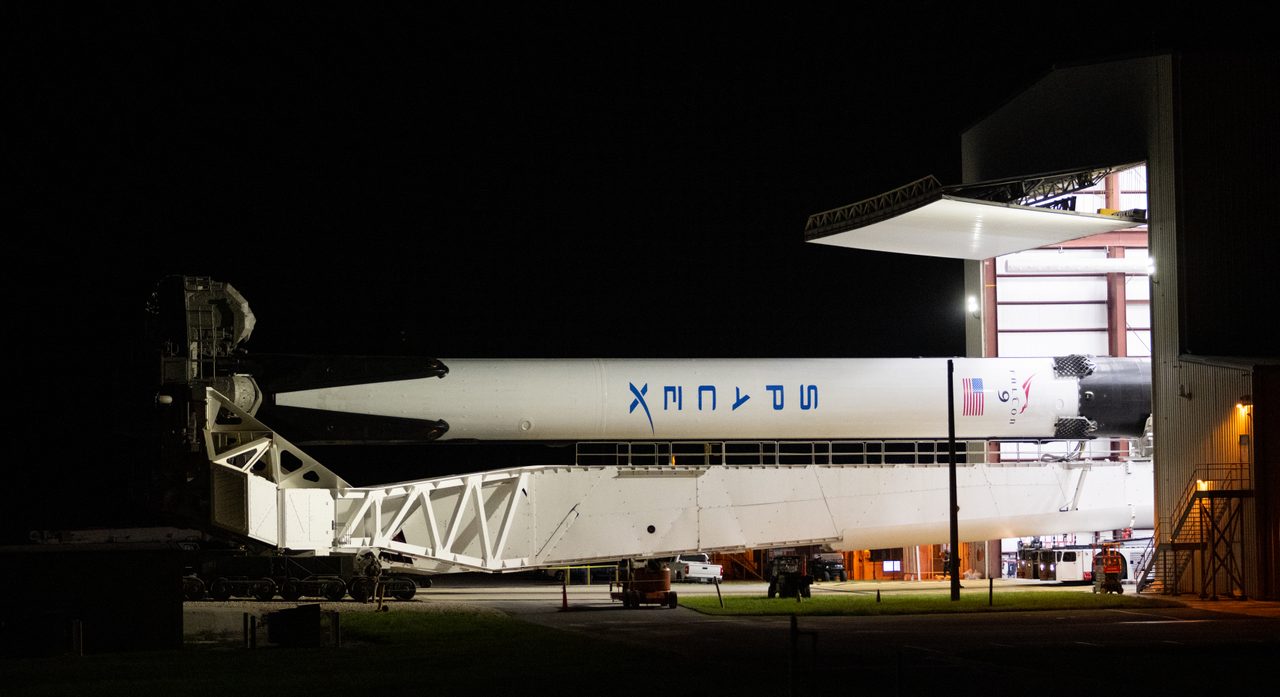
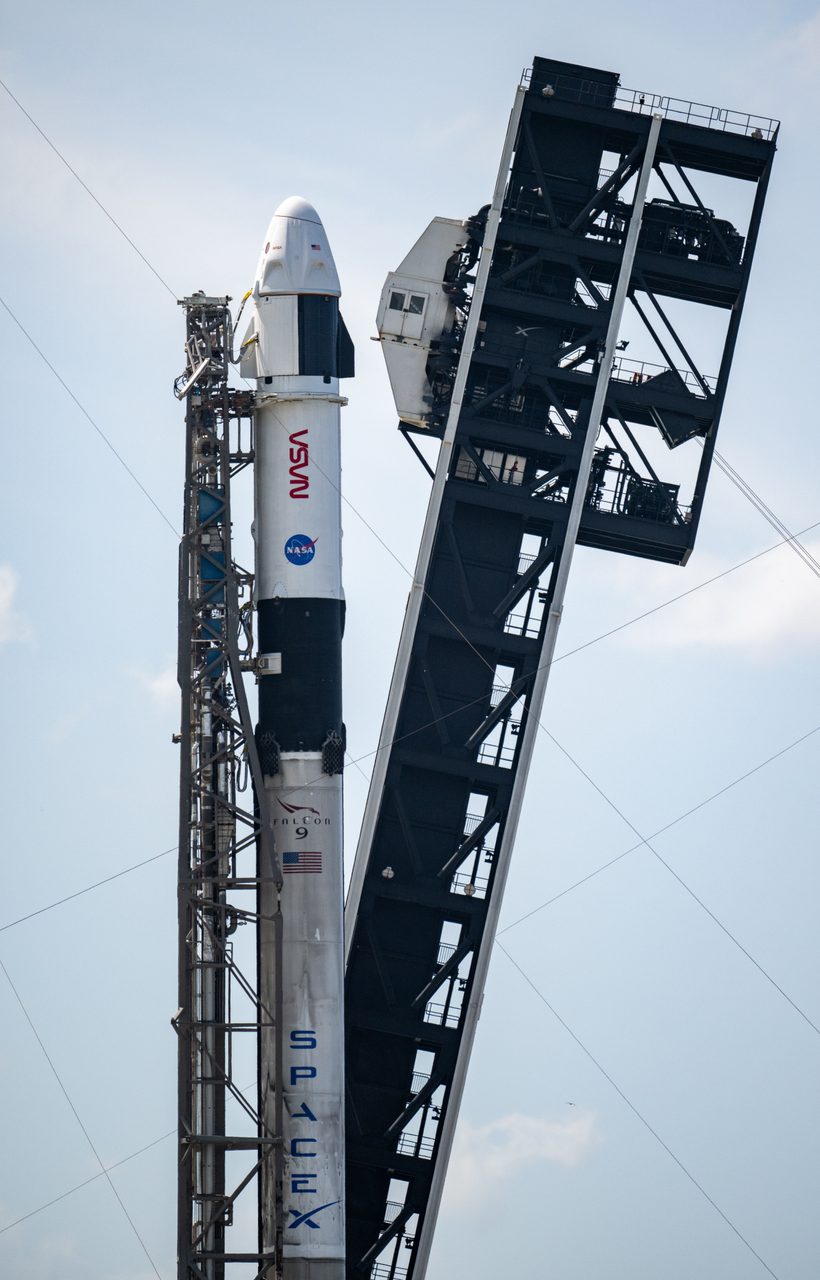
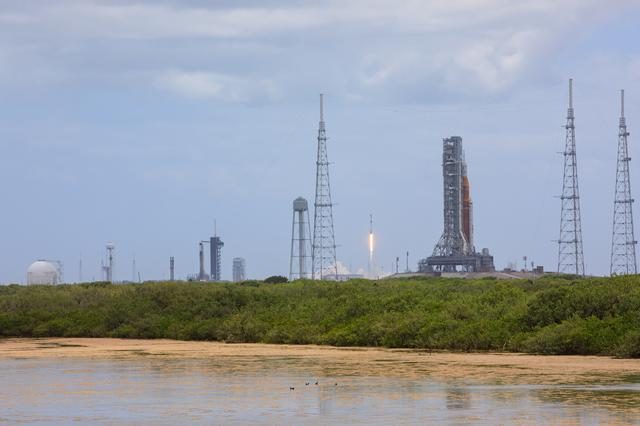
SpaceX is scheduled to launch 21 data transport satellites for the Space Development Agency today. This mission will utilise a Falcon 9 rocket, contributing to the growing constellation of satellites aimed at enhancing global communications. The launch is part of a broader effort to bolster space-based data relay capabilities. Details of the mission can be tracked on the Orbital Radar launch schedule.
Close Approaches in Orbit
Recent orbital data highlights several close approaches between satellites, including a minimum distance of 0.21 km between SUPERVIEW NEO-2 03 and SUPERVIEW NEO-2 04. These events underscore the increasing congestion in low Earth orbit (LEO), where 15,750 active satellites are currently tracked. The importance of space situational awareness is growing, with tools available on the Orbital Radar SSA hub to monitor such interactions.
What to Watch
While no new launches are scheduled for the immediate future, the space community is closely monitoring the ongoing science operations of SMILE and the upcoming data from the XRISM mission, which recently detected a pulsar feeding from a companion's stellar wind. These developments promise to provide valuable insights into astrophysical processes and space weather impacts.
Frequently Asked Questions
What is the SMILE mission?
How many satellites are currently active in orbit?
📎 Cite this article · data available
Orbital Radar Newsroom. (2026). ESA's SMILE Begins Science Operations with First Images. Orbital Radar. https://orbitalradar.com/blog/orbital-briefing-2026-10-05"ESA's SMILE Begins Science Operations with First Images." Orbital Radar, 5 October 2026, https://orbitalradar.com/blog/orbital-briefing-2026-10-05.@misc{orbitalradar_orbital_briefing_2026_10_05,
title = {ESA's SMILE Begins Science Operations with First Images},
author = {{Orbital Radar}},
year = {2026},
howpublished = {\url{https://orbitalradar.com/blog/orbital-briefing-2026-10-05}}
}