MMX heads for Mars: Orbital Briefing, 22 October 2026
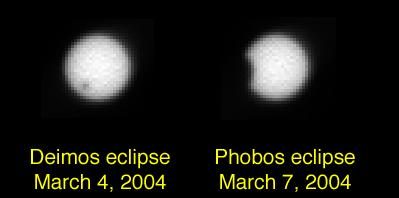
MMX has launched on its journey towards Mars, while close approaches keep orbital traffic under scrutiny. Starlink and Chinese launches lead the next events to watch.
| Active satellites | 15,880 |
| Starlink active | 10,078 |
| Catalogued objects | 31,835 |
| Predicted re-entries | 11 |
| Active close approaches | 18 |
| People in space | 10 |
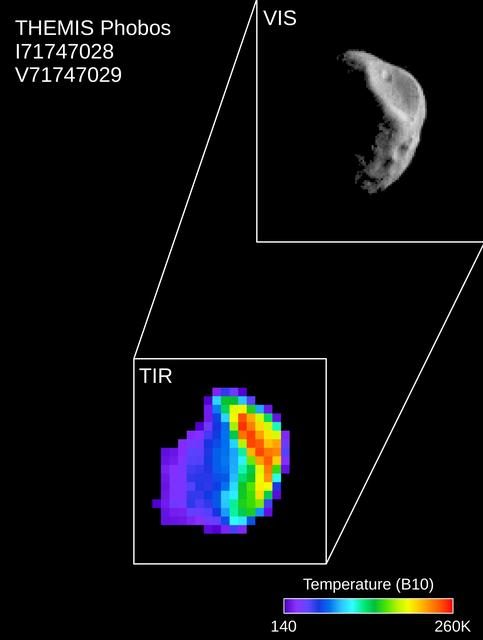
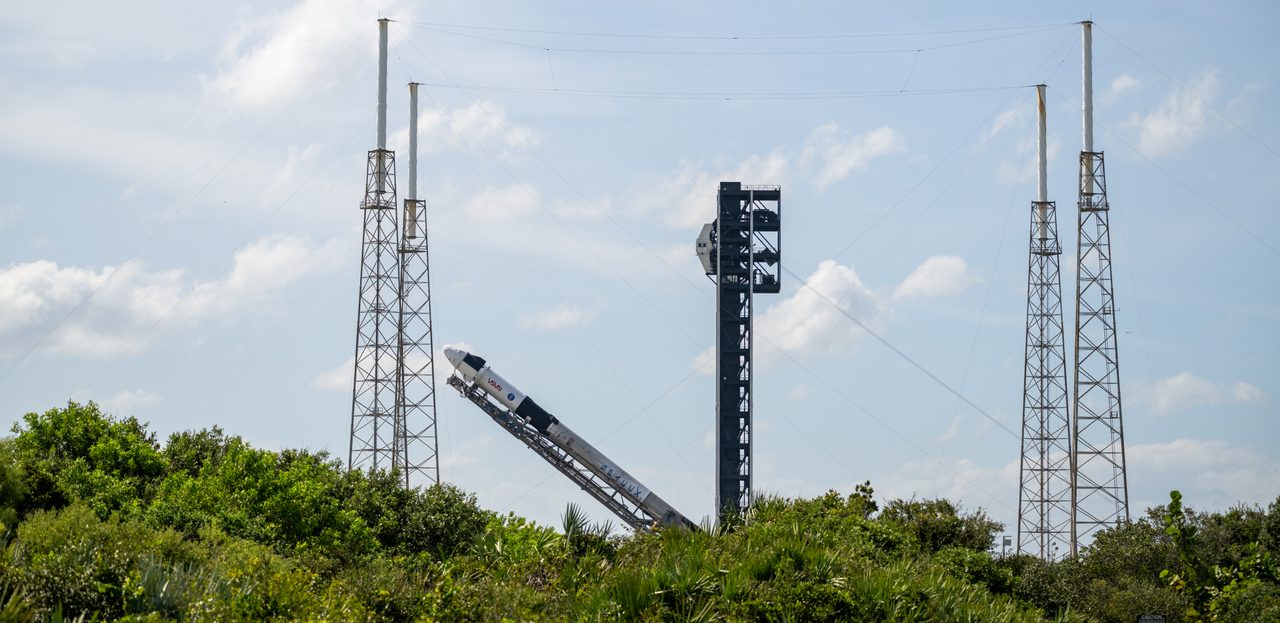
Japan’s Martian Moons eXploration mission, MMX, has begun its journey towards Mars following a successful H3-24 launch. MMX launched at 19:41 UTC on 19 October 2026, according to Orbital Radar tracking data.
The launch marks departure, not arrival: Mars orbit remains the mission’s destination. For readers following the journey beyond Earth, Orbital Radar’s Mars Globe offers planetary context, while the Launch Log records the departure alongside other orbital missions.
Close approaches put orbital traffic in focus
Orbital Radar tracking data lists 18 active close approaches on 22 October 2026. Among the recent encounters, OBJECT B and OBJECT D have a reported minimum separation of approximately 1.40 km, while SUPERVIEW NEO-2 05 and SUPERVIEW NEO-2 06 have a minimum of approximately 1.60 km.
Another encounter involves debris labelled CZ-6A DEB, with a minimum separation of approximately 1.96 km. A close approach is not a collision prediction: separation alone does not establish impact probability, which also depends on timing and uncertainty in the objects’ positions.
Orbital Radar’s live catalogue lists 15,880 active satellites on 22 October 2026. The space situational awareness toolkit provides context for monitoring this traffic, while the Debris Map helps readers explore the wider population of objects around Earth.
NASA tests hardware for future Artemis flights

NASA reports an RS-25 engine test in support of future Artemis missions, keeping propulsion hardware development on the agenda alongside this week’s launches. Engine testing examines performance on the ground before hardware is committed to flight; a test announcement should not be read as confirmation of a mission’s launch readiness.
Elsewhere, NASA highlights fires in New Guinea and work on its CASALS instrument for three-dimensional mapping of Earth’s surface. These developments illustrate the breadth of space activity beyond launches, from preparing exploration hardware to observing environmental change.
Space weather remains below storm level
The current planetary Kp index, a measure of disturbance in Earth’s magnetic field, is 3. Orbital Radar’s space-weather risk indicators are green for low Earth orbit, geostationary orbit and the International Space Station, indicating no elevated risk in those categories.
That assessment is a current condition, not a guarantee for the coming days. Readers following solar activity can use the Sun Globe for context alongside changing space-weather measurements.
What to Watch
Starlink mission 15-15 is scheduled for 22 October at 21:45 UTC, with its status marked Go For Launch. Two CASC launches are scheduled for 23 October, at 10:15 UTC and 18:00 UTC; their mission names remain unannounced.
Starlink mission 15-16 follows on 24 October at 05:29 UTC, ahead of another CASC launch scheduled for 25 October at 01:50 UTC. Launch times can change, so the Orbital Radar Launch Schedule is the place to follow their status.
Frequently Asked Questions
Has Japan’s MMX mission reached Mars?
When is the next scheduled Starlink launch?
📎 Cite this article · data available
Orbital Radar Newsroom. (2026). MMX heads for Mars: Orbital Briefing, 22 October 2026. Orbital Radar. https://orbitalradar.com/blog/orbital-briefing-2026-10-22"MMX heads for Mars: Orbital Briefing, 22 October 2026." Orbital Radar, 22 October 2026, https://orbitalradar.com/blog/orbital-briefing-2026-10-22.@misc{orbitalradar_orbital_briefing_2026_10_22,
title = {MMX heads for Mars: Orbital Briefing, 22 October 2026},
author = {{Orbital Radar}},
year = {2026},
howpublished = {\url{https://orbitalradar.com/blog/orbital-briefing-2026-10-22}}
}