27-satellite Starlink launch scrubbed: Orbital Briefing
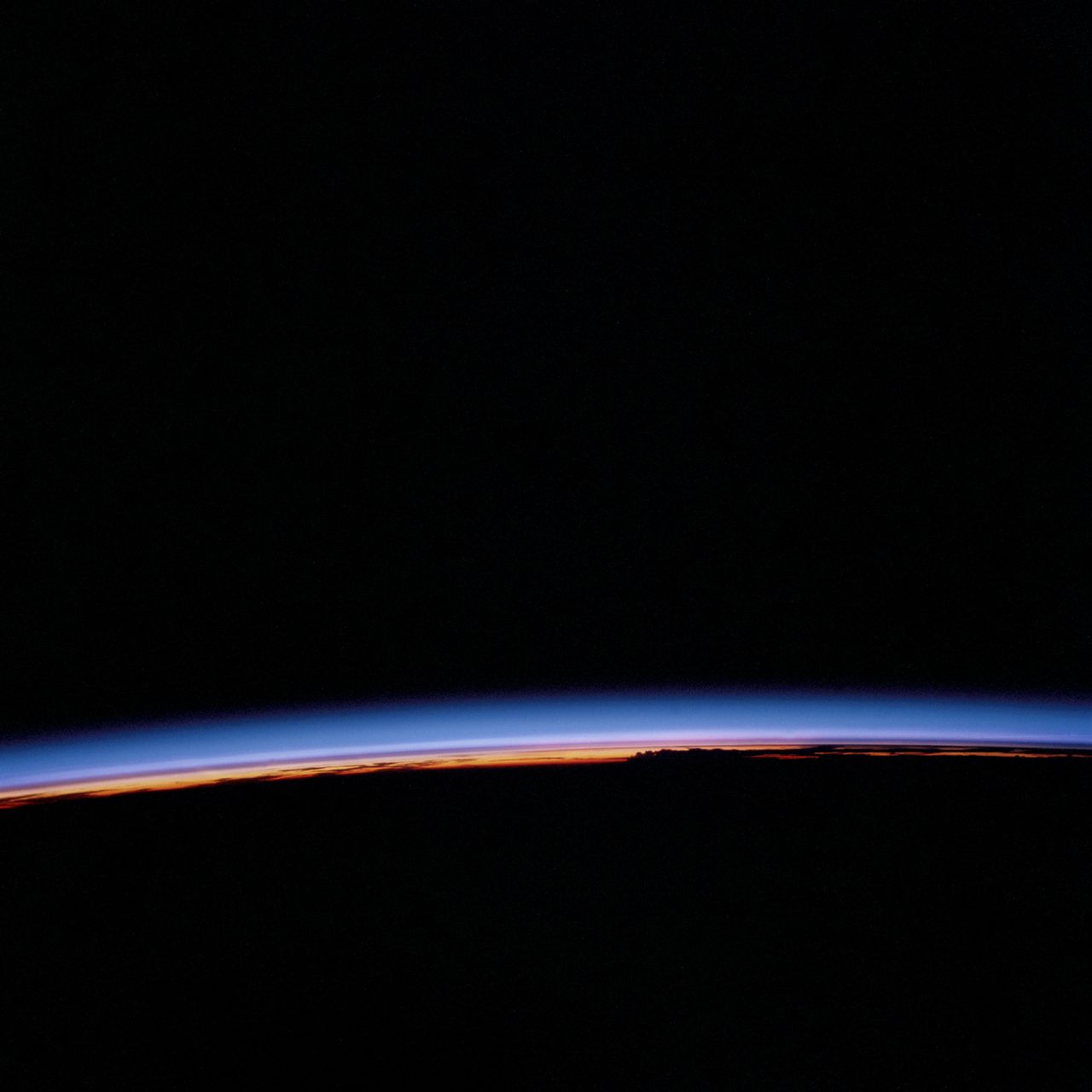
SpaceX has scrubbed a 27-satellite Starlink launch from Vandenberg. Meanwhile, close approaches remain under watch and Ceres-1S records a successful flight.
| Active satellites | 15,873 |
| Starlink active | 10,080 |
| Catalogued objects | 31,839 |
| Predicted re-entries | 11 |
| Active close approaches | 24 |
| People in space | 10 |
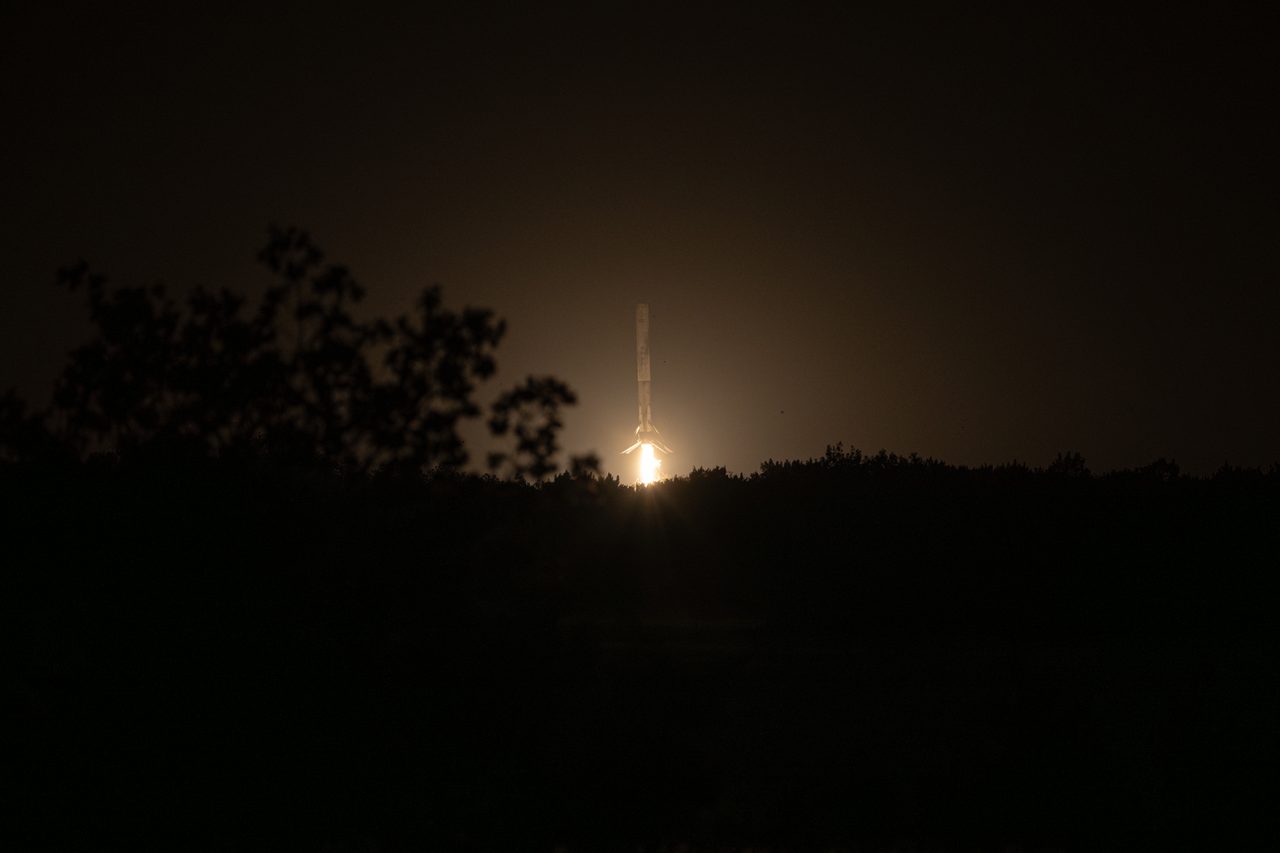
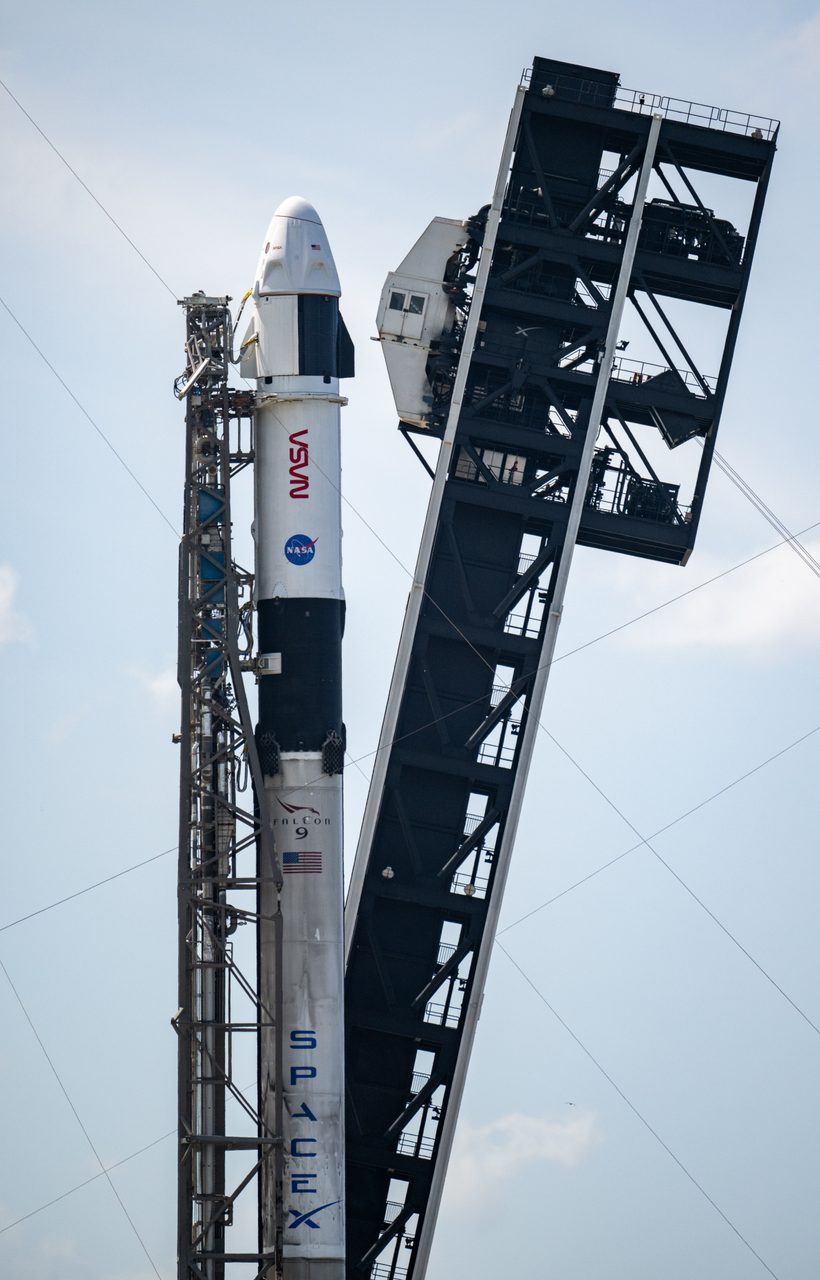
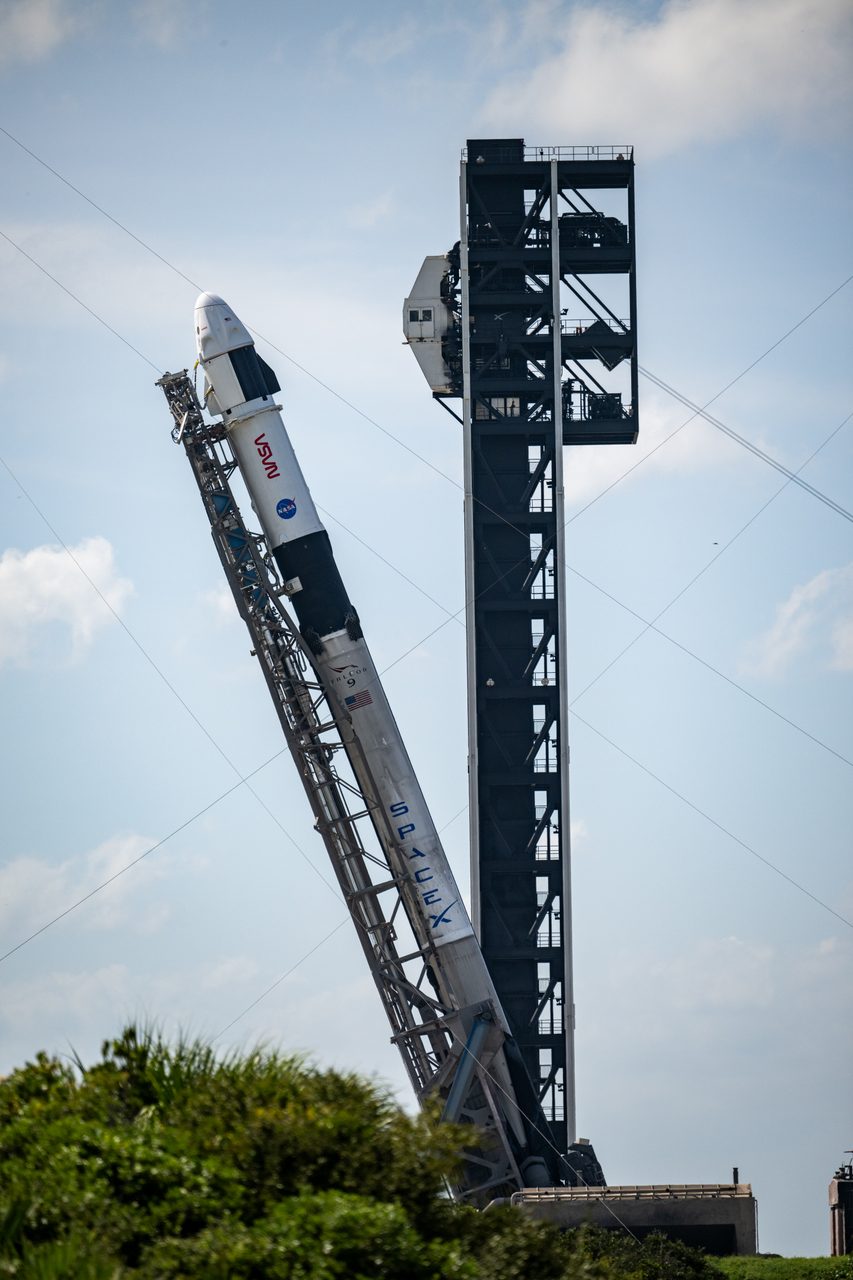
SpaceX has scrubbed a Falcon 9 launch carrying 27 Starlink satellites from Vandenberg Space Force Base, delaying another deployment for its broadband constellation. The postponement shifts attention to the next launch opportunity, while the constellation continues expanding through other missions.
Orbital Radar tracking data lists 10,080 operational Starlink satellites as of 21 October 2026. A further 875 are raising their orbits, while 194 are deorbiting — descending towards atmospheric re-entry rather than joining the operational network.
Those categories distinguish spacecraft delivering service from those still moving into position or leaving orbit. Readers can follow the constellation's distribution on the Orbital Radar Starlink Tracker; a launch postponement changes the deployment timetable, not the status of satellites already operating.
Close approaches put orbital safety in focus
Orbital Radar tracking data records 24 active close approaches as of 21 October 2026. Among the encounters being monitored, OBJECT A and OBJECT B have a minimum separation of approximately 0.69 km, while OBJECT B and OBJECT D have a minimum separation of approximately 0.99 km.
Other tracked encounters include CZ-6A debris fragments passing approximately 1.33 km apart and GAOFEN 9 05 approaching STARLINK-37972 to approximately 1.94 km. A close approach, also called a conjunction, is not itself a collision warning: separation must be considered alongside uncertainty in the objects' positions and the geometry of their encounter.
Orbital Radar's live catalogue contains 31,839 objects, including debris, as of 21 October 2026. The space situational awareness toolkit provides context for monitoring this shared orbital environment, where operational satellites and discarded hardware occupy overlapping regions.
Starship catch proposal looks beyond today's launches
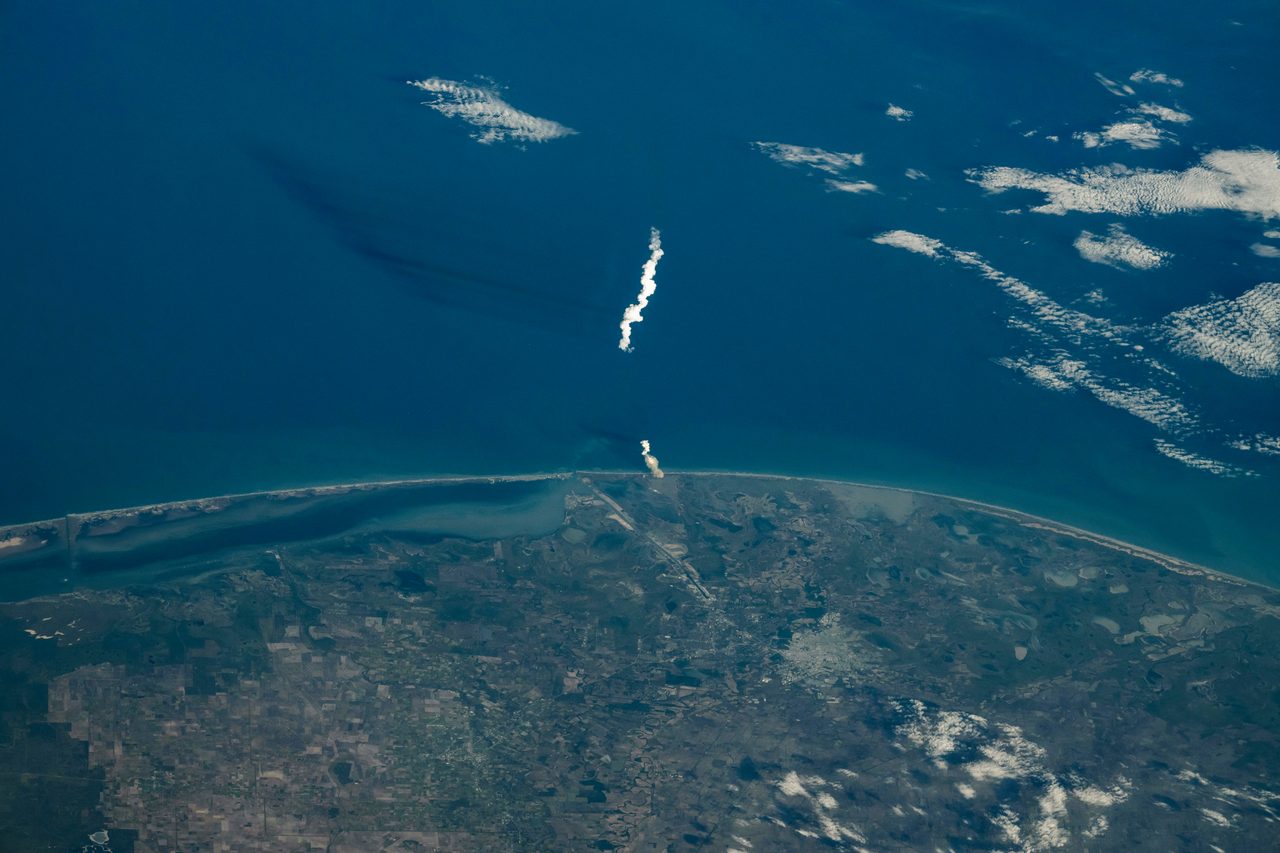
SpaceX intends to attempt a double Starship rocket catch on its next test launch, according to Elon Musk. That remains a proposed test objective rather than a demonstrated capability, and the distinction matters when assessing progress towards recovering and reusing the system.
Catching returning hardware places demands on flight guidance, structural integrity and ground equipment working together. Orbital Radar's launch vehicle directory offers background on Starship and Falcon 9, whose operational missions continue alongside the larger vehicle's development programme.
What to Watch
Galactic Energy's Ceres-1S successfully launched Xiguang-4 01 into low Earth orbit at 03:39 UTC on 21 October 2026. Later today, Falcon 9's Starlink Group 15-15 mission is listed as go for launch at 23:02 UTC; schedules remain subject to change.
Rocket Lab's Electron mission We're Not Hawking Around, carrying three HawkEye 360 satellites, is provisionally scheduled for 07:00 UTC on 22 October. Long March 6A and Long March 4B launches follow on 23 October, at 10:15 UTC and 19:25 UTC respectively, with payloads unidentified.
The Orbital Radar Launch Schedule tracks these upcoming departures. Space-weather indicators currently show Kp 3, a measure of global geomagnetic disturbance, with green risk assessments for low Earth orbit, geostationary orbit and the International Space Station.
Frequently Asked Questions
Was the SpaceX Starlink launch from Vandenberg scrubbed?
Does a close satellite approach mean a collision will happen?
📎 Cite this article · data available
Orbital Radar Newsroom. (2026). 27-satellite Starlink launch scrubbed: Orbital Briefing. Orbital Radar. https://orbitalradar.com/blog/orbital-briefing-2026-10-21"27-satellite Starlink launch scrubbed: Orbital Briefing." Orbital Radar, 21 October 2026, https://orbitalradar.com/blog/orbital-briefing-2026-10-21.@misc{orbitalradar_orbital_briefing_2026_10_21,
title = {27-satellite Starlink launch scrubbed: Orbital Briefing},
author = {{Orbital Radar}},
year = {2026},
howpublished = {\url{https://orbitalradar.com/blog/orbital-briefing-2026-10-21}}
}