Understanding Uncontrolled Re-entries: Risks and Realities
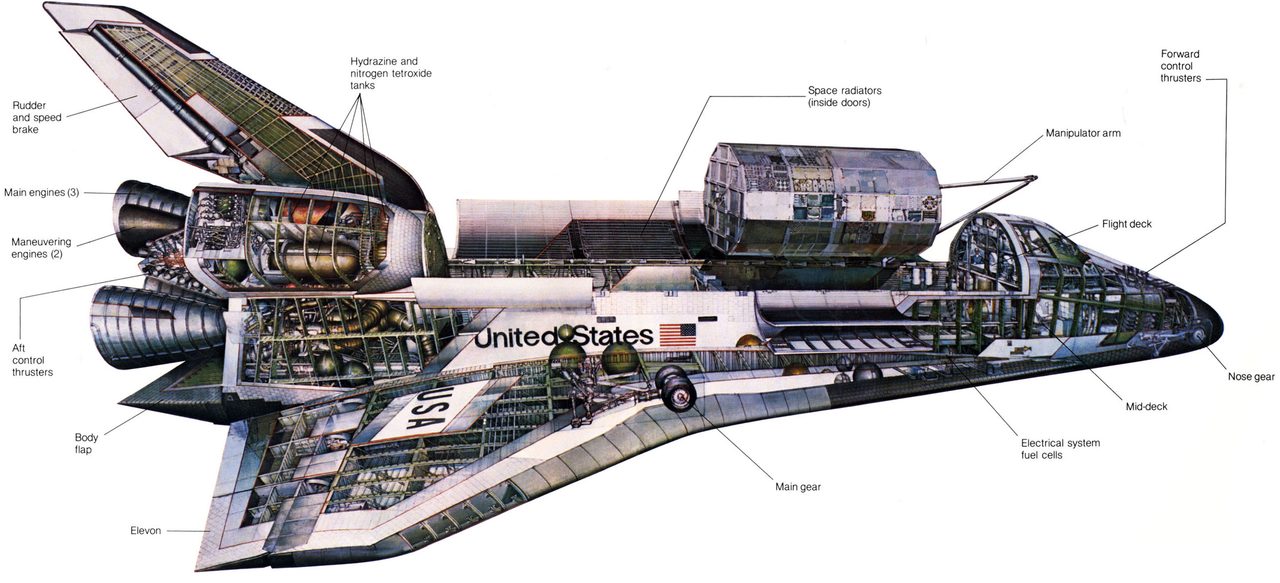
Uncontrolled re-entry occurs when a satellite or space debris re-enters Earth's atmosphere without precise control, posing potential risks.
| Active satellites | 15,756 |
| Starlink active | 10,037 |
| Catalogued objects | 31,430 |
| Predicted re-entries | 22 |
| Active close approaches | 15 |
| People in space | 14 |
Uncontrolled re-entry refers to the process where a satellite or piece of space debris re-enters Earth's atmosphere without precise control over its descent. This can lead to unpredictable landing zones, posing potential risks to populated areas. With 31,430 catalogued objects in orbit, understanding re-entry dynamics is crucial.
What Causes Uncontrolled Re-entries?
Uncontrolled re-entries occur primarily due to orbital decay, where atmospheric drag gradually reduces a satellite's altitude. Factors such as solar activity can increase atmospheric density, accelerating decay. For instance, the Long March 5B rocket stages have been noted for their uncontrolled descents, raising international concern.
How Are Uncontrolled Re-entries Tracked?
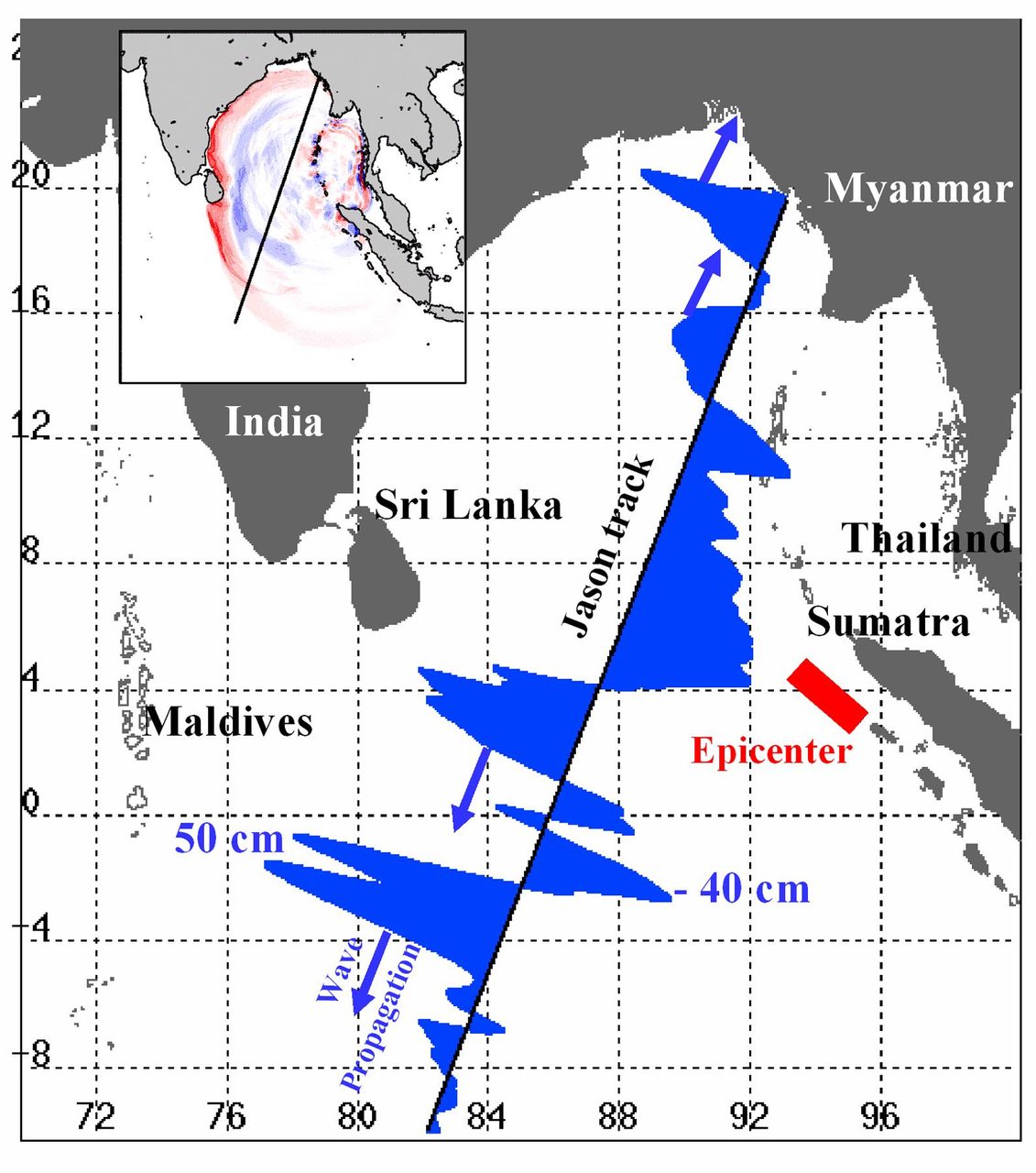
Agencies use radar and optical telescopes to monitor space objects. Orbital Radar's re-entry tracker provides predictions for 22 re-entries soon. Tracking involves calculating the object's trajectory and predicting its atmospheric re-entry point, though precise predictions are challenging due to atmospheric variability.
Why Do Uncontrolled Re-entries Matter?
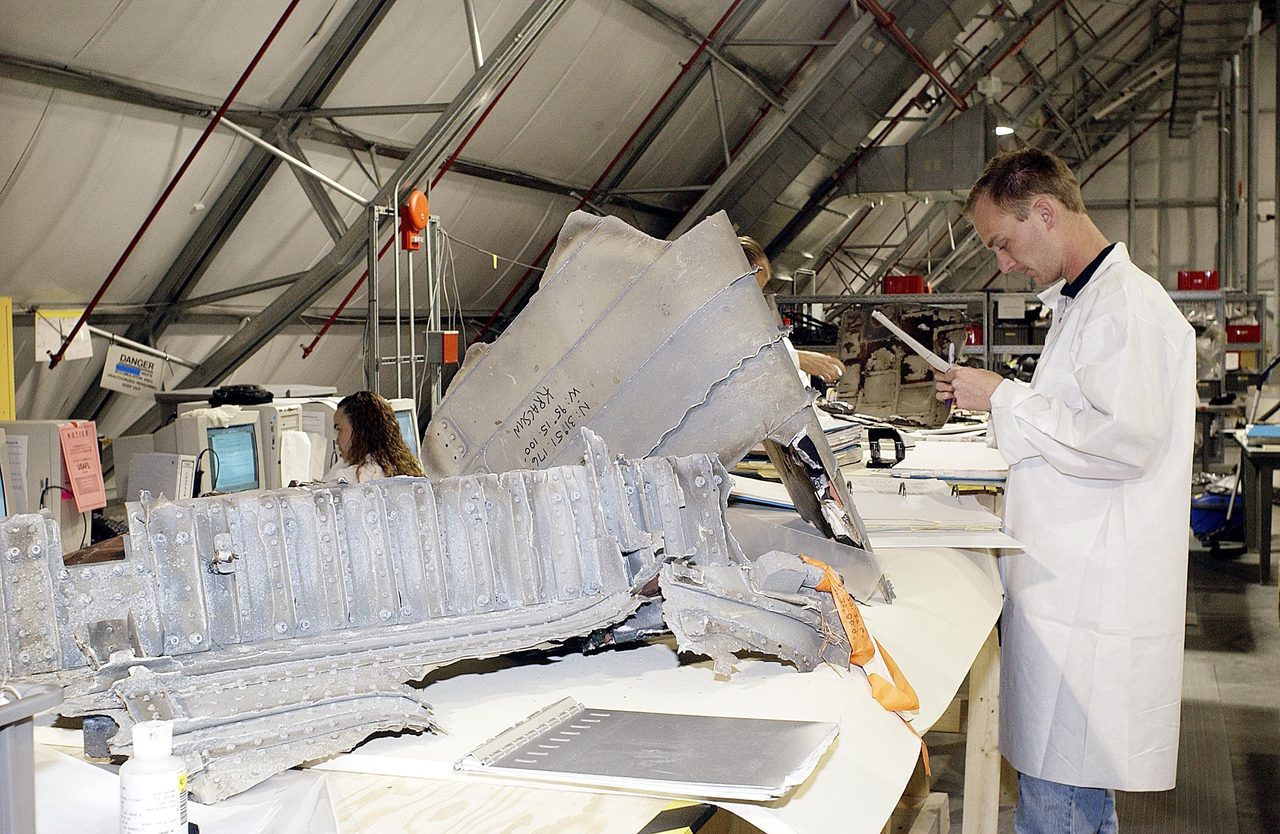
The potential for debris to impact populated areas makes uncontrolled re-entries a significant concern. While most debris burns up, larger objects can survive, as seen with the 2020 Long March 5B incident. With 31,426 tracked objects, the need for effective monitoring and mitigation strategies is essential.
Controlled vs. Uncontrolled Re-entry
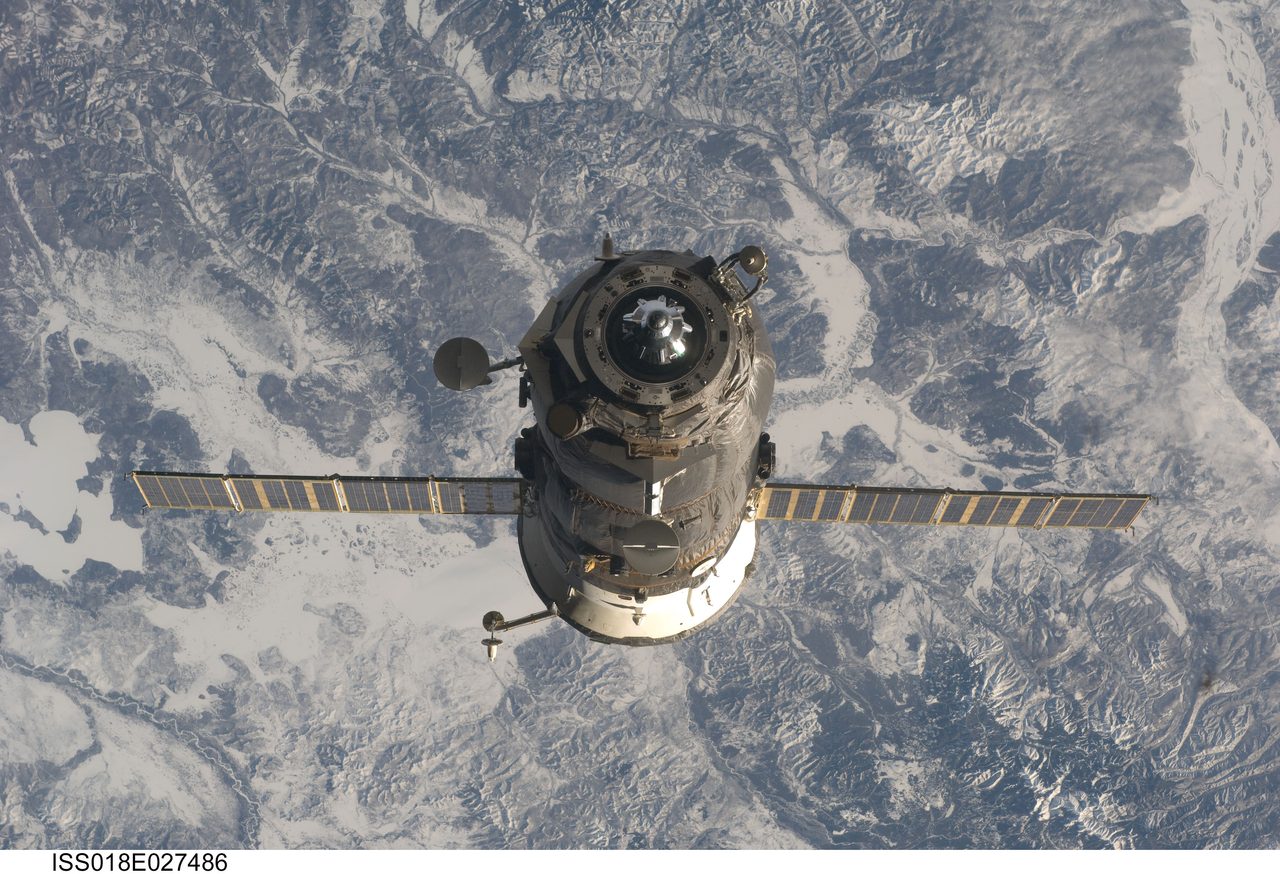
Controlled re-entries are planned, with operators guiding the object to a safe descent, often into remote ocean areas. In contrast, uncontrolled re-entries lack this precision, leading to unpredictable outcomes. The distinction is crucial for risk management and public safety.
Key Takeaways
Uncontrolled re-entries are a natural consequence of orbital decay and pose potential risks due to unpredictable landing sites. With 15 active close approaches being tracked, continuous monitoring is vital. Understanding these dynamics helps in formulating international policies for space safety.
Frequently Asked Questions
What is an uncontrolled re-entry?
How often do uncontrolled re-entries happen?
Can uncontrolled re-entries be dangerous?
How are re-entries tracked?
What is the difference between controlled and uncontrolled re-entry?
📎 Cite this article · data available
Orbital Radar Newsroom. (2026). Understanding Uncontrolled Re-entries: Risks and Realities. Orbital Radar. https://orbitalradar.com/blog/uncontrolled-reentry-explainer"Understanding Uncontrolled Re-entries: Risks and Realities." Orbital Radar, 3 October 2026, https://orbitalradar.com/blog/uncontrolled-reentry-explainer.@misc{orbitalradar_uncontrolled_reentry_explainer,
title = {Understanding Uncontrolled Re-entries: Risks and Realities},
author = {{Orbital Radar}},
year = {2026},
howpublished = {\url{https://orbitalradar.com/blog/uncontrolled-reentry-explainer}}
}