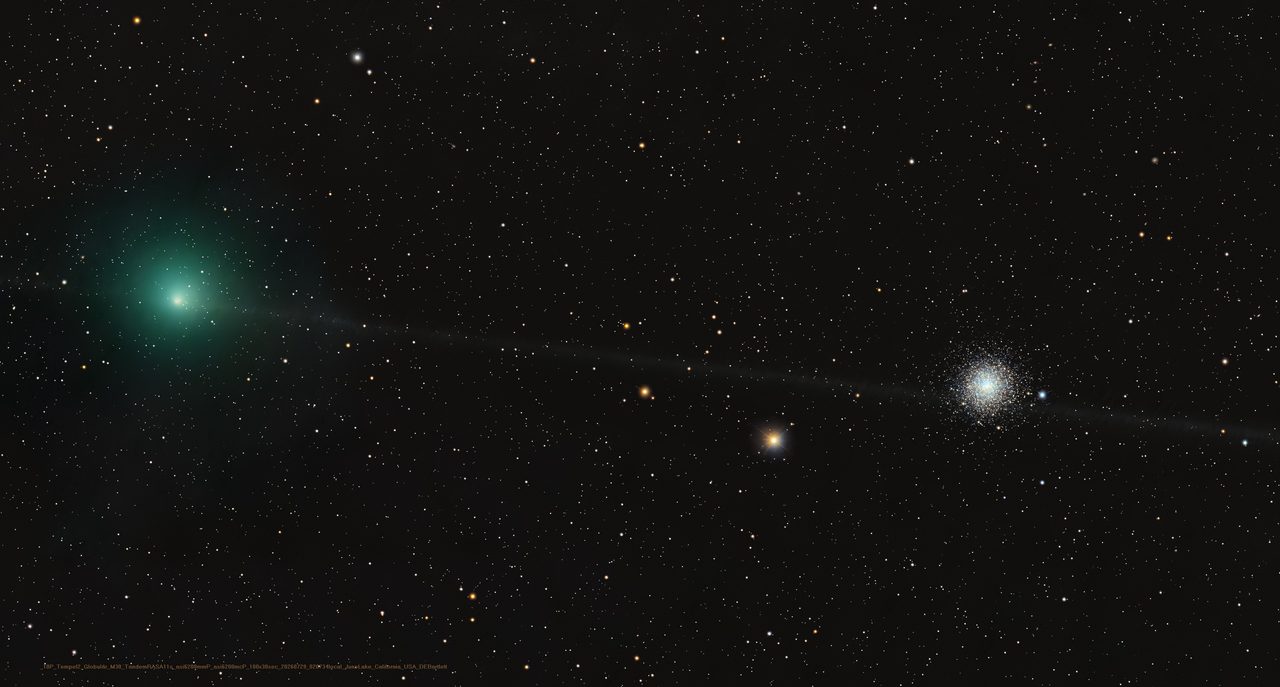
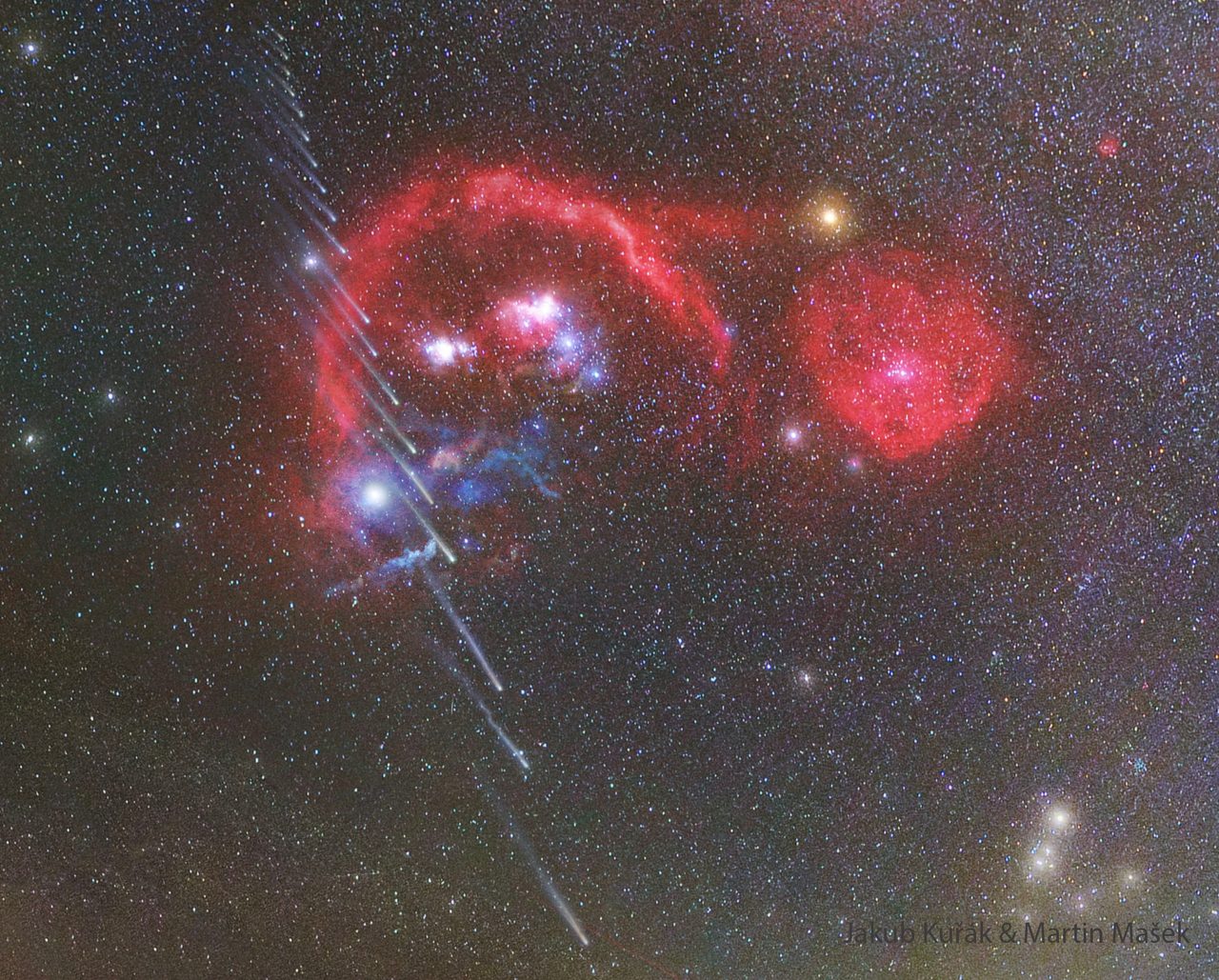
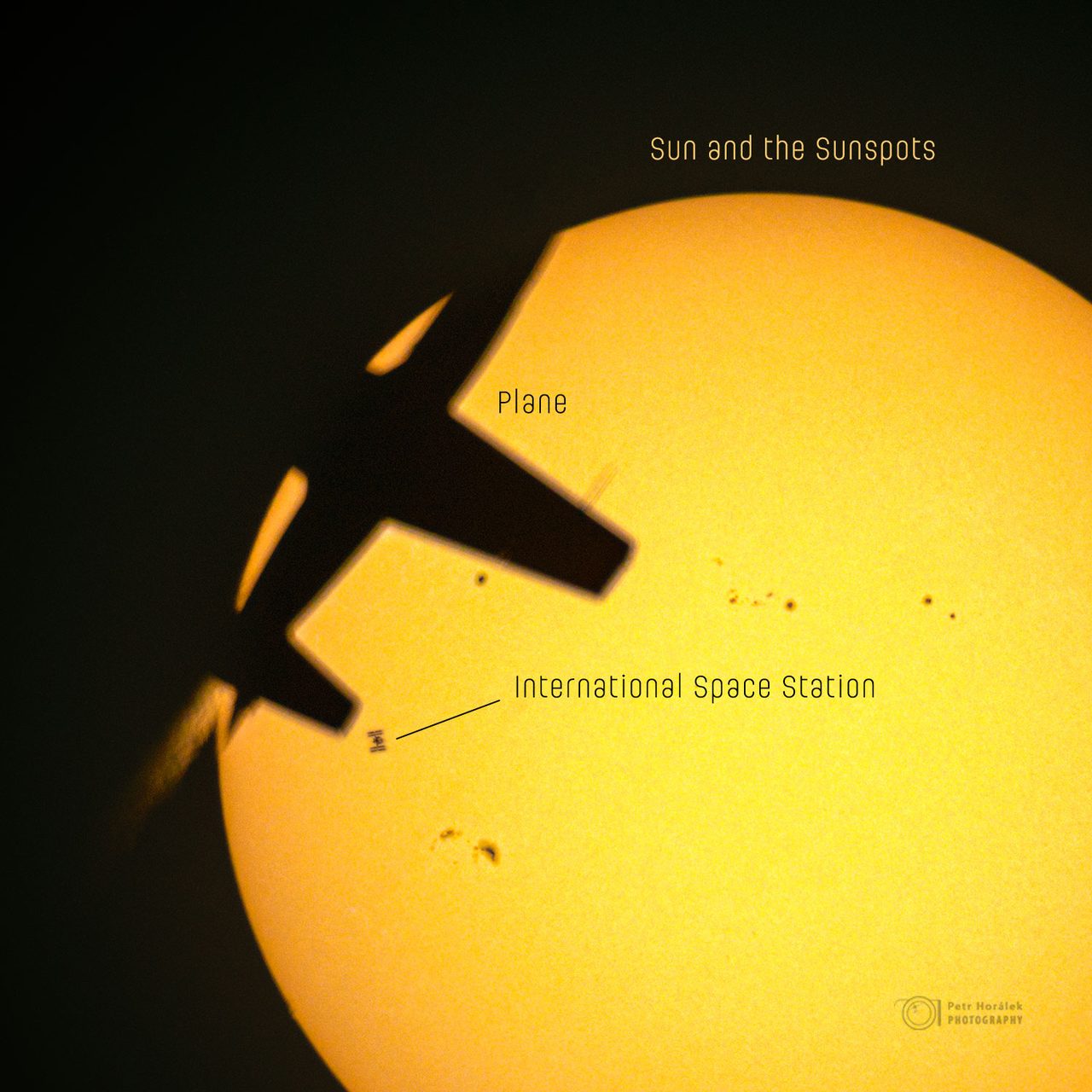
Comet 220P's Dazzling Outburst: A Rare Celestial Show
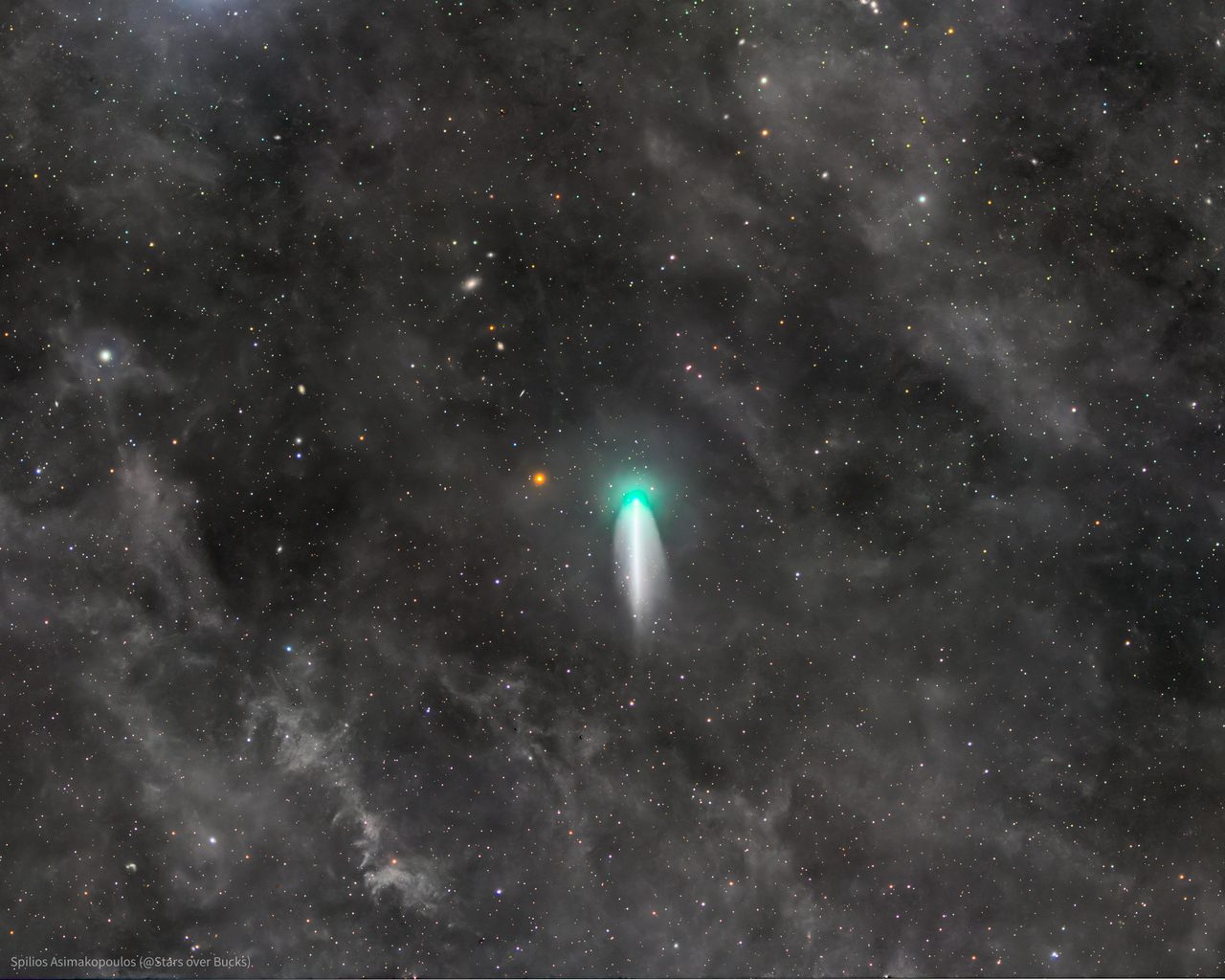
Comet 220P/McNaught has unexpectedly brightened, becoming visible to binoculars. This rare outburst offers a unique celestial view.
Comet 220P/McNaught, usually a faint celestial body requiring telescopic aid, has recently undergone two surprising outbursts, making it 20,000 times brighter than its typical appearance. This unusual event allows observers to view the comet with binoculars, showcasing its bright green head and short dust tail. The comet continues its orbit between Mars and Jupiter, completing a circuit every five years. The reasons behind these dramatic outbursts remain speculative, with possibilities including the release of subsurface gas or seismic activity on the comet's surface.
The Science Behind Cometary Outbursts
Cometary outbursts like those seen in 220P/McNaught provide valuable insights into the volatile nature of these icy bodies. The sudden release of gas and dust can be triggered by internal pressure build-up or surface disturbances. As comets like 220P approach the Sun, solar radiation can cause sublimation of ices, leading to spectacular displays. Understanding these phenomena helps astronomers learn more about the composition and behaviour of comets, which are considered time capsules from the early solar system.
Observing Comet 220P
For those eager to catch a glimpse of Comet 220P, the current brightness offers a rare opportunity. Binoculars or a camera with long exposure settings will enhance the viewing experience. As the comet is expected to pass about one astronomical unit from Earth in October, it is advisable to check the Orbital Radar pass predictor for optimal viewing times. After this close approach, the comet will begin to fade as it retreats to the outer reaches of its orbit.
Frequently Asked Questions
What causes a comet to brighten suddenly?
How often does Comet 220P orbit the Sun?
📎 Cite this article
Orbital Radar Newsroom. (2026). Comet 220P's Dazzling Outburst: A Rare Celestial Show. Orbital Radar. https://orbitalradar.com/blog/cosmic-gallery-2026-08-24"Comet 220P's Dazzling Outburst: A Rare Celestial Show." Orbital Radar, 25 August 2026, https://orbitalradar.com/blog/cosmic-gallery-2026-08-24.@misc{orbitalradar_cosmic_gallery_2026_08_24,
title = {Comet 220P's Dazzling Outburst: A Rare Celestial Show},
author = {{Orbital Radar}},
year = {2026},
howpublished = {\url{https://orbitalradar.com/blog/cosmic-gallery-2026-08-24}}
}