How Reusable Rockets Work and Their Impact on Spaceflight
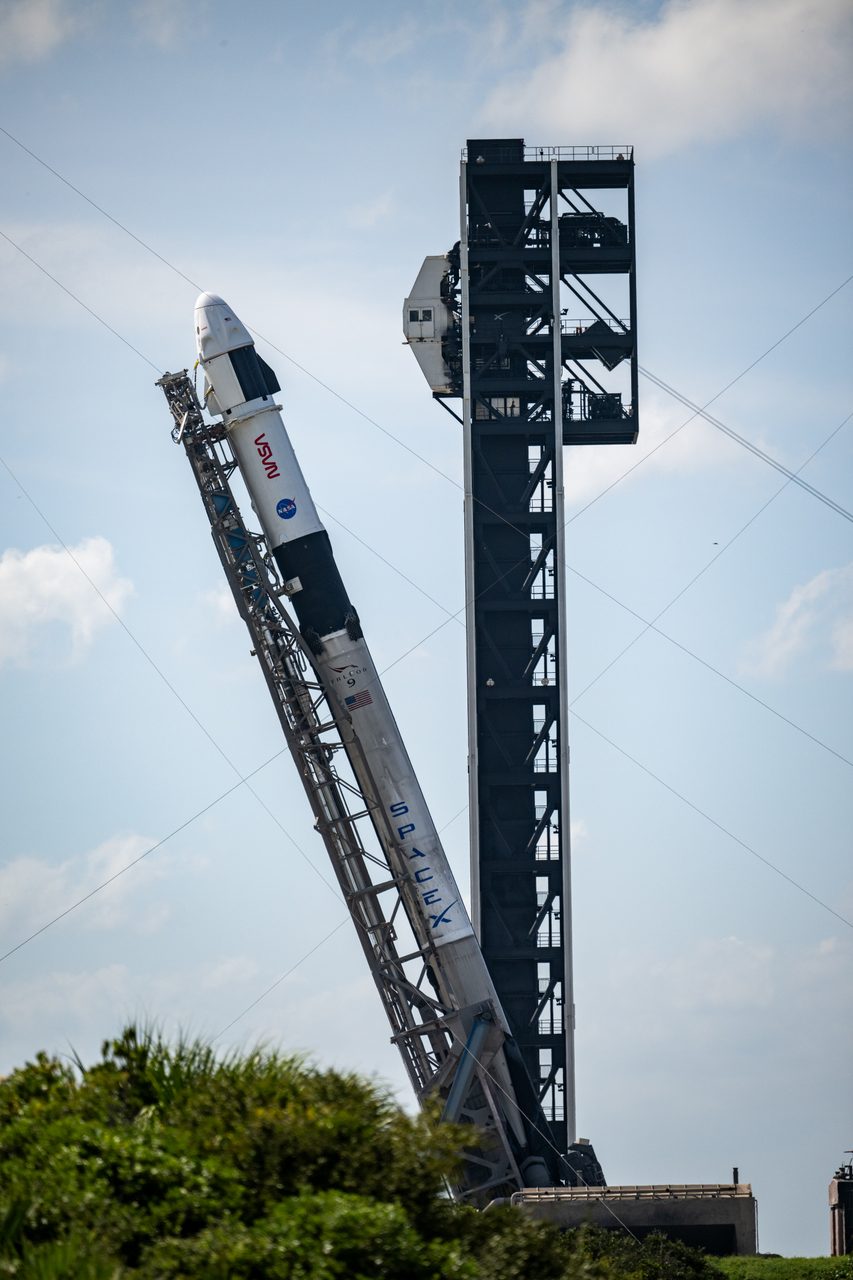
Reusable rockets have transformed spaceflight by reducing costs and increasing launch frequency, with SpaceX leading the way.
Reusable rockets are launch vehicles that can be recovered and flown multiple times, significantly reducing the cost of access to space. Pioneered by companies like SpaceX with their Falcon 9, these rockets have changed the economics of spaceflight by allowing for rapid turnaround between missions.
How Do Reusable Rockets Work?
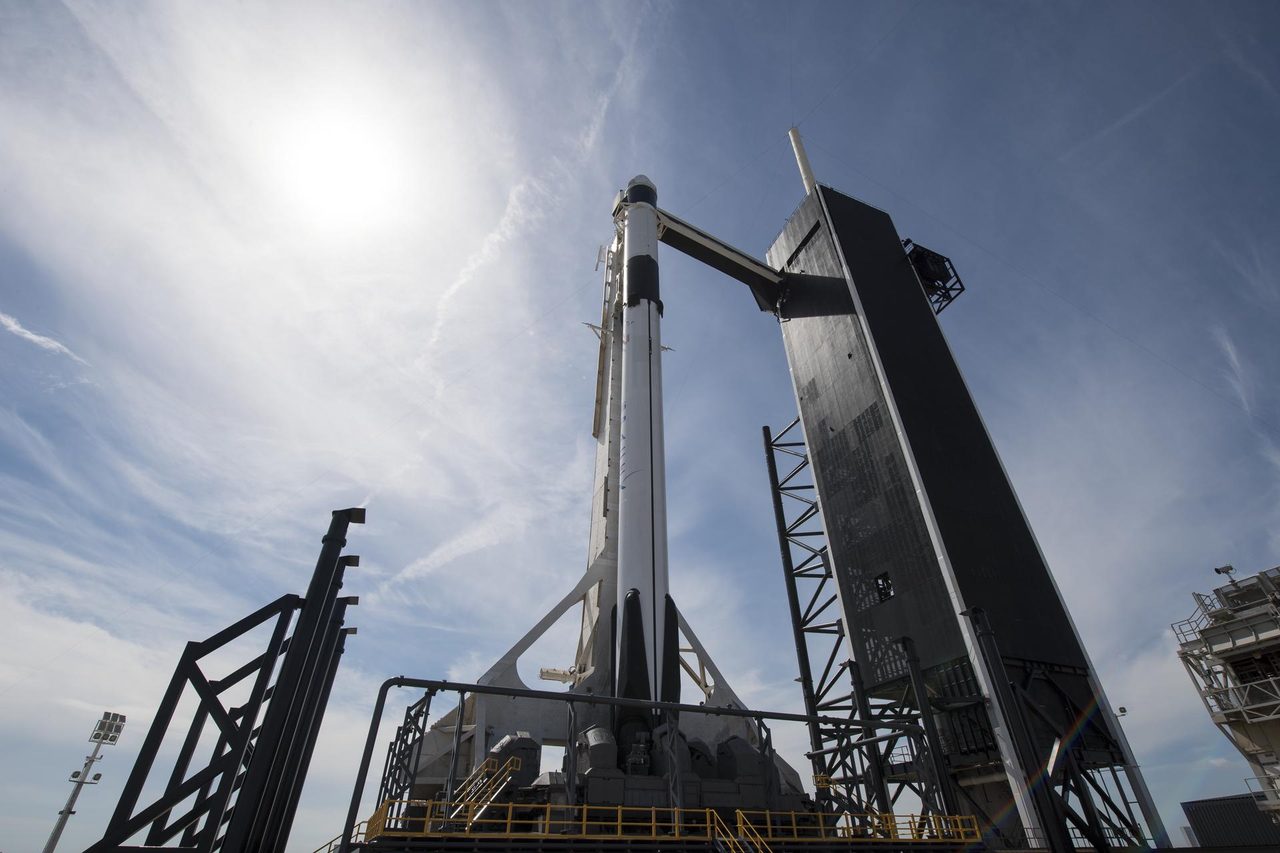
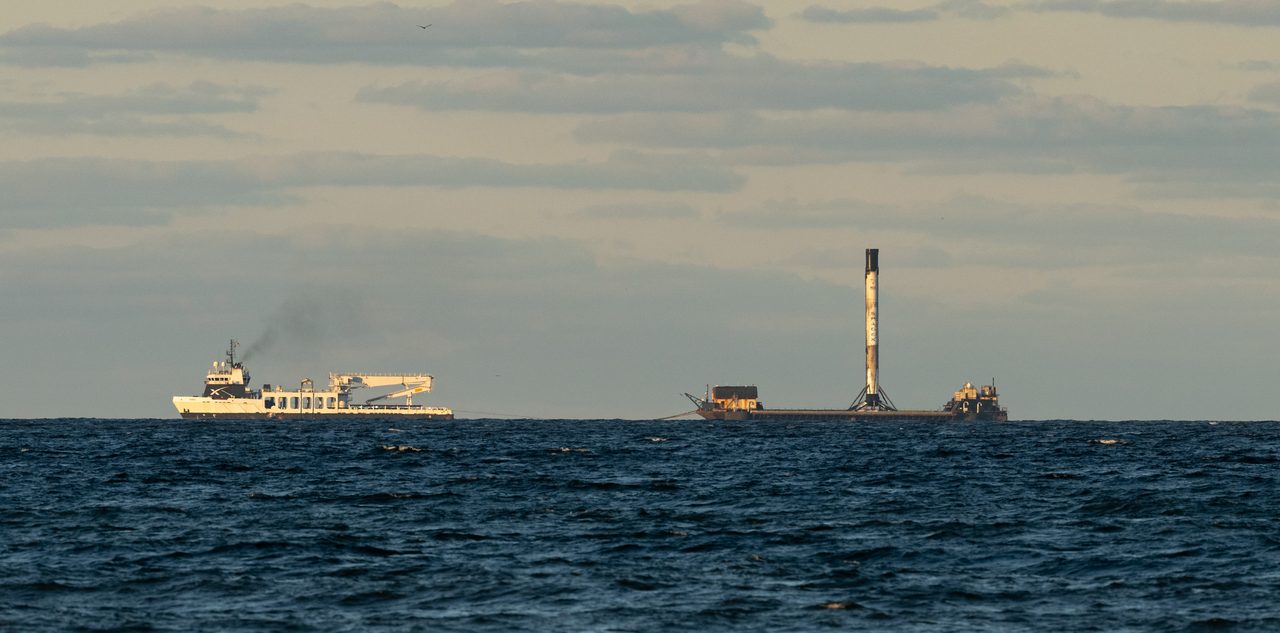
Reusable rockets function by incorporating technologies that allow them to return to Earth intact. Key components include landing legs, grid fins for atmospheric control, and advanced guidance systems. The Falcon 9, for example, performs a controlled descent and vertical landing on droneships in the ocean, part of SpaceX's recovery fleet.
The Economic Impact of Reusable Rockets
The introduction of reusable rockets has dramatically lowered the cost per launch. Prior to their use, a typical launch could cost upwards of $60 million. Reusability reduces this by a factor of 10, making space more accessible for commercial and scientific missions. This cost efficiency is pivotal for projects like the Starlink constellation, which currently has 10,782 active satellites.
Reusable Rockets vs Traditional Launch Vehicles

Traditional expendable rockets are used once and discarded, often resulting in debris. In contrast, reusable rockets minimise waste and environmental impact. The launch vehicles database shows a growing trend towards reusability, with companies like Blue Origin and Rocket Lab developing their own reusable systems.
Challenges in Reusable Rocket Technology
Despite their advantages, reusable rockets face technical challenges. Ensuring the structural integrity of components after multiple flights is crucial. Heat shielding, precise landing technology, and rapid refurbishment are areas of ongoing development. The complexity of these systems requires rigorous testing and innovation.
Key Takeaways
Reusable rockets represent a paradigm shift in space travel, offering reduced costs and increased launch frequency. They are essential for ambitious projects like Mars colonisation and large-scale satellite deployments. As technology advances, the role of reusable rockets will likely expand, further transforming our approach to space exploration.
Frequently Asked Questions
What are reusable rockets?
How do reusable rockets land?
Why are reusable rockets important?
Which companies are developing reusable rockets?
What challenges do reusable rockets face?
📎 Cite this article
Orbital Radar Newsroom. (2026). How Reusable Rockets Work and Their Impact on Spaceflight. Orbital Radar. https://orbitalradar.com/blog/reusable-rockets-explained"How Reusable Rockets Work and Their Impact on Spaceflight." Orbital Radar, 22 July 2026, https://orbitalradar.com/blog/reusable-rockets-explained.@misc{orbitalradar_reusable_rockets_explained,
title = {How Reusable Rockets Work and Their Impact on Spaceflight},
author = {{Orbital Radar}},
year = {2026},
howpublished = {\url{https://orbitalradar.com/blog/reusable-rockets-explained}}
}