SpaceX Starship: The Fully Reusable Megarocket Explained

SpaceX's Starship is a fully reusable spacecraft designed to carry humans and cargo to Mars and beyond. Discover its design, capabilities, and mission goals.
SpaceX's Starship is a fully reusable spacecraft designed to carry humans and cargo to destinations such as the Moon and Mars. Central to SpaceX's vision of interplanetary travel, Starship aims to reduce the cost of access to space by reusing its components. The vehicle consists of two stages: the Super Heavy booster and the Starship spacecraft itself.
How Does Starship Work?
Starship operates using a two-stage system. The first stage, known as the Super Heavy booster, is equipped with 33 Raptor engines and provides the necessary thrust to escape Earth's gravity. After separation, the booster returns to Earth for a vertical landing, ready for reuse. The second stage, the Starship spacecraft, continues to orbit and beyond, capable of carrying up to 100 tonnes of cargo. Its design includes a heat shield for re-entry and landing legs for a controlled descent.
Why Starship Matters
Starship represents a significant leap in space travel technology due to its reusability and payload capacity. By drastically reducing the cost per kilogram to orbit, it opens new possibilities for space exploration, including the potential for human settlement on Mars. Starship's design also enables rapid point-to-point travel on Earth, potentially revolutionising global transportation.
Starship vs. Traditional Rockets
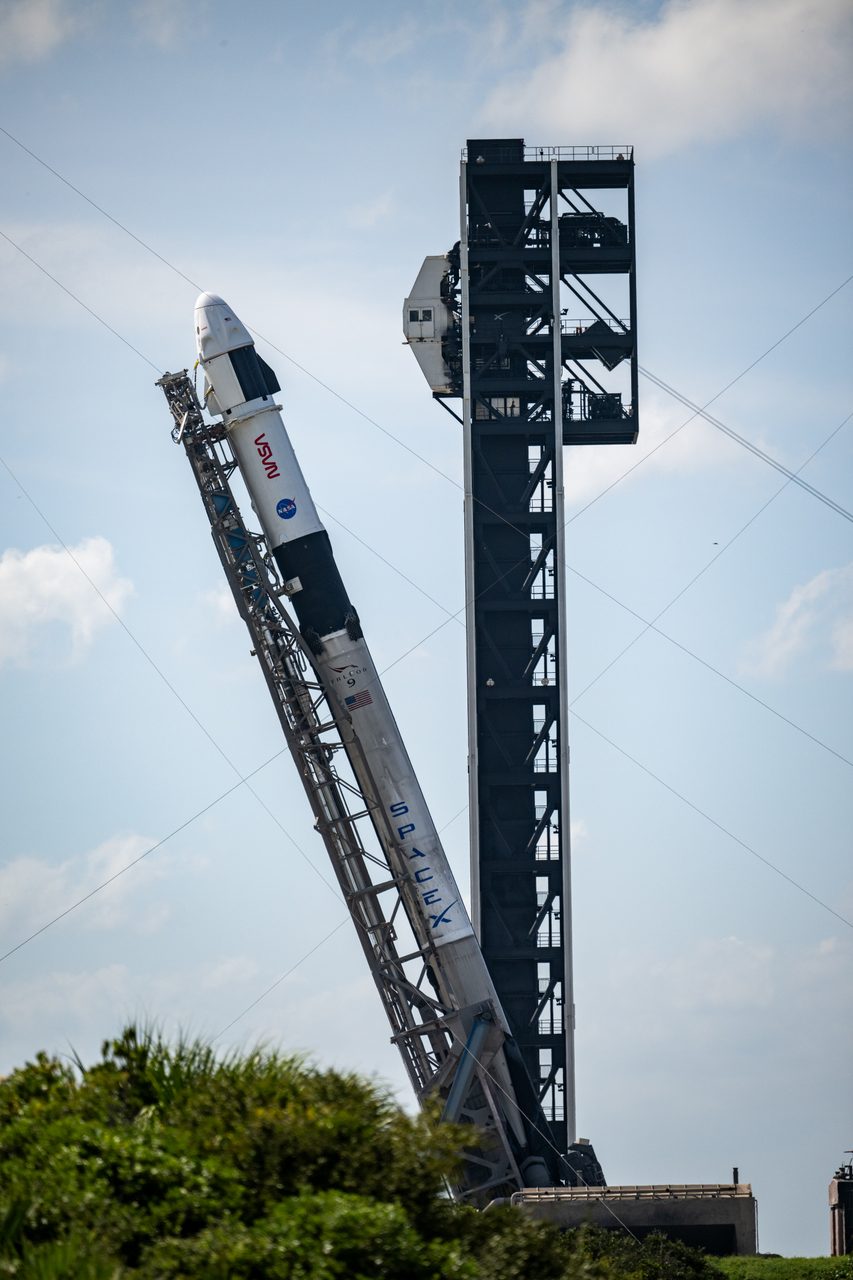
Traditional rockets, such as the Ariane 5 or Falcon 9, are partially reusable, with only certain components recovered and reused. In contrast, Starship's entire system is designed for reuse, akin to an aircraft. This approach not only reduces costs but also increases the frequency of launches. According to the Orbital Radar launch vehicles page, this could lead to a new era of frequent and affordable space access.
Starship's Role in SpaceX's Mars Ambitions
SpaceX envisions Starship as the vehicle that will enable human colonisation of Mars. With its large payload capacity and ability to refuel in orbit, Starship is designed to transport the necessary equipment and personnel for establishing a self-sustaining colony. The Orbital Radar launch schedule includes several planned missions to test these capabilities.
Challenges and Future Prospects
Despite its potential, Starship faces several challenges, including regulatory hurdles and technical issues related to its engines and heat shield. However, SpaceX's iterative design process aims to address these challenges through frequent testing and development. The Orbital Radar recovery fleet page details the support vessels involved in these operations.
Key Takeaways
Starship is a pivotal component of SpaceX's mission to make space travel more accessible and sustainable. Its fully reusable design promises to lower costs and increase launch frequency, paving the way for ambitious missions to the Moon, Mars, and beyond. As testing progresses, Starship could redefine our approach to space exploration and transportation.
Frequently Asked Questions
What is SpaceX Starship's payload capacity?
How many engines does the Starship Super Heavy booster have?
What makes Starship different from Falcon 9?
When is Starship expected to launch its first crewed mission?
How does Starship's reusability impact space travel costs?
📎 Cite this article
Orbital Radar Newsroom. (2026). SpaceX Starship: The Fully Reusable Megarocket Explained. Orbital Radar. https://orbitalradar.com/blog/starship-explained-guide"SpaceX Starship: The Fully Reusable Megarocket Explained." Orbital Radar, 21 July 2026, https://orbitalradar.com/blog/starship-explained-guide.@misc{orbitalradar_starship_explained_guide,
title = {SpaceX Starship: The Fully Reusable Megarocket Explained},
author = {{Orbital Radar}},
year = {2026},
howpublished = {\url{https://orbitalradar.com/blog/starship-explained-guide}}
}