Space News Mission Log — Satellite Launches, Orbital Events & Analysis
Daily space news, satellite launch reports, orbital debris analysis and weekly roundups — grounded in live tracking data from our network monitoring 36 published reports.
Falcon 9: The Rocket That Changed Spaceflight Forever
The Falcon 9 rocket by SpaceX revolutionised spaceflight with its reusable design, reducing launch costs and increasing access to space.
Delta-V Explained: The Currency of Spaceflight
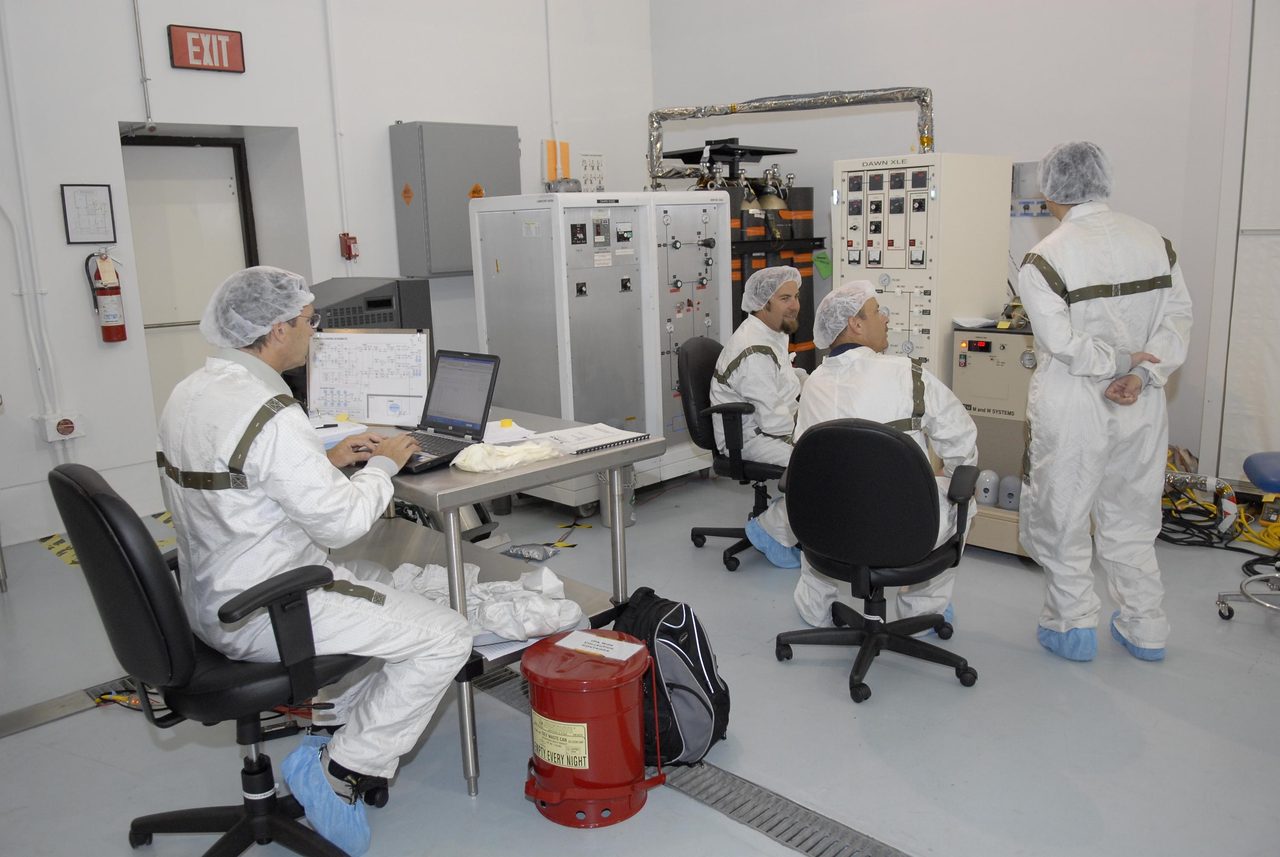
Delta-v is the change in velocity needed for space manoeuvres, crucial in mission planning and satellite operations.
What Happens to Your Body in Space? The Human Effects
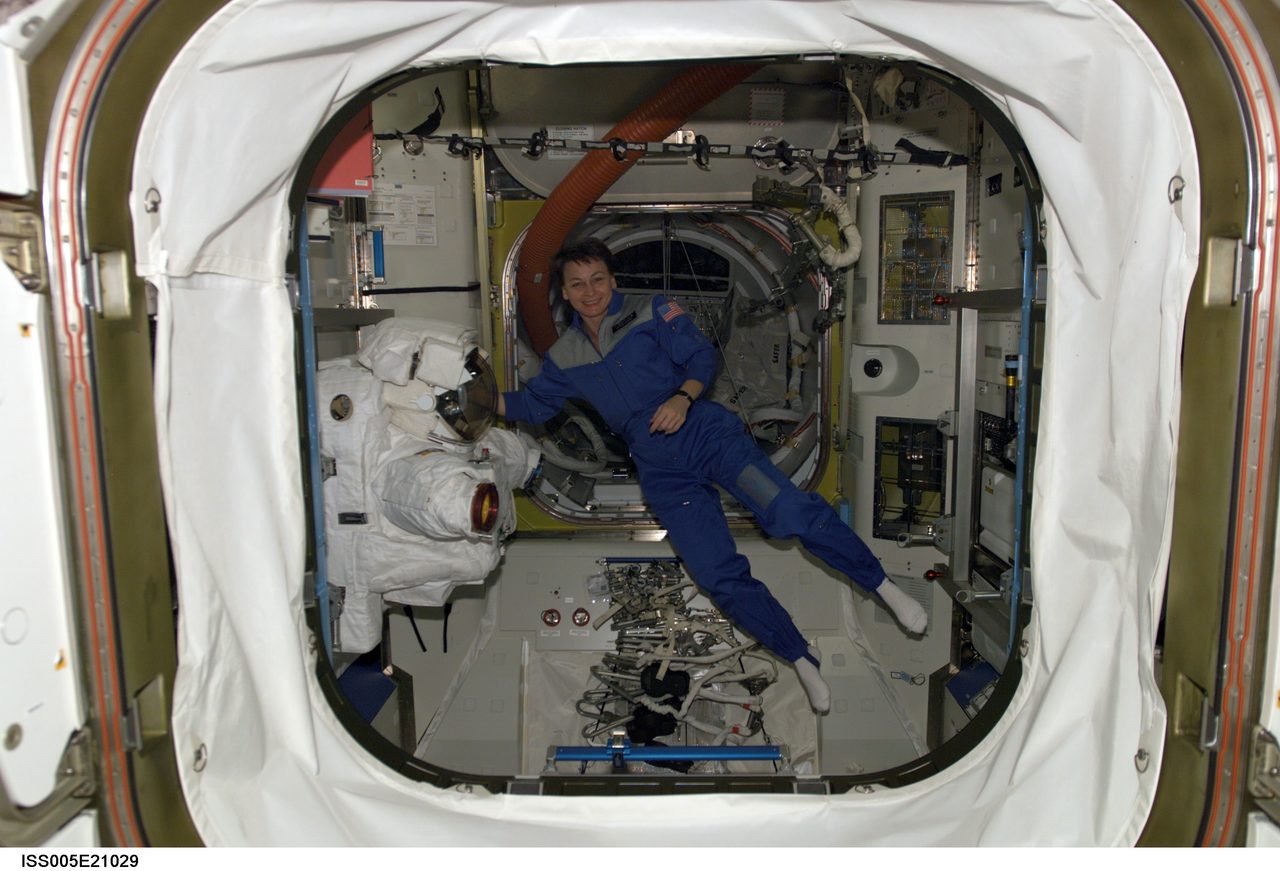
Spaceflight changes how bones, muscles, circulation and eyesight work. Explore the risks of long ISS stays, the countermeasures crews use and what recovery involves.
Space Tourism Cost: Prices, Providers and Who Can Go
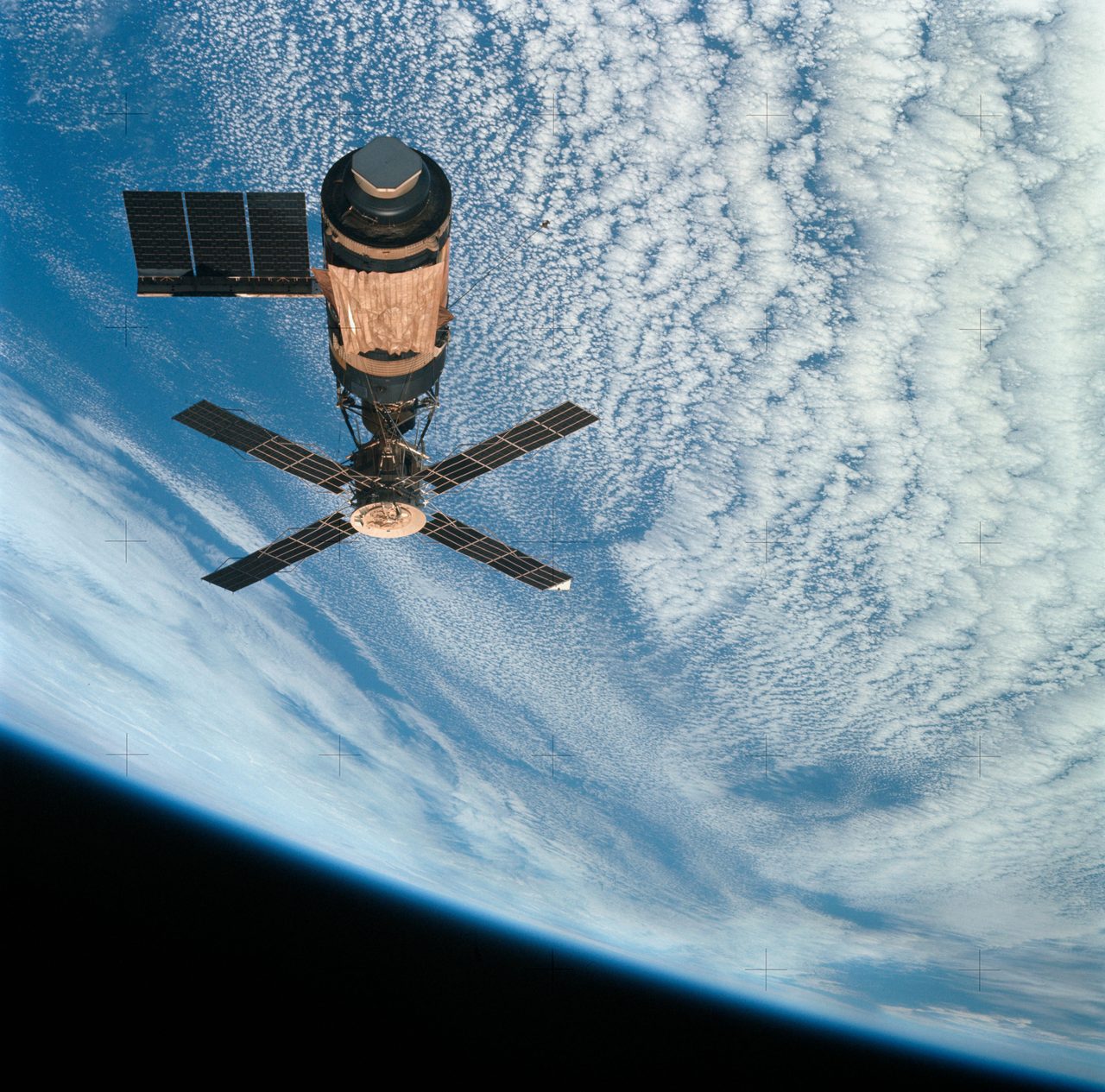
Space tourism costs hundreds of thousands of dollars for suborbital trips and tens of millions for orbital stays. The price depends on the flight, provider and package.
Why Do Rockets Launch From Florida?
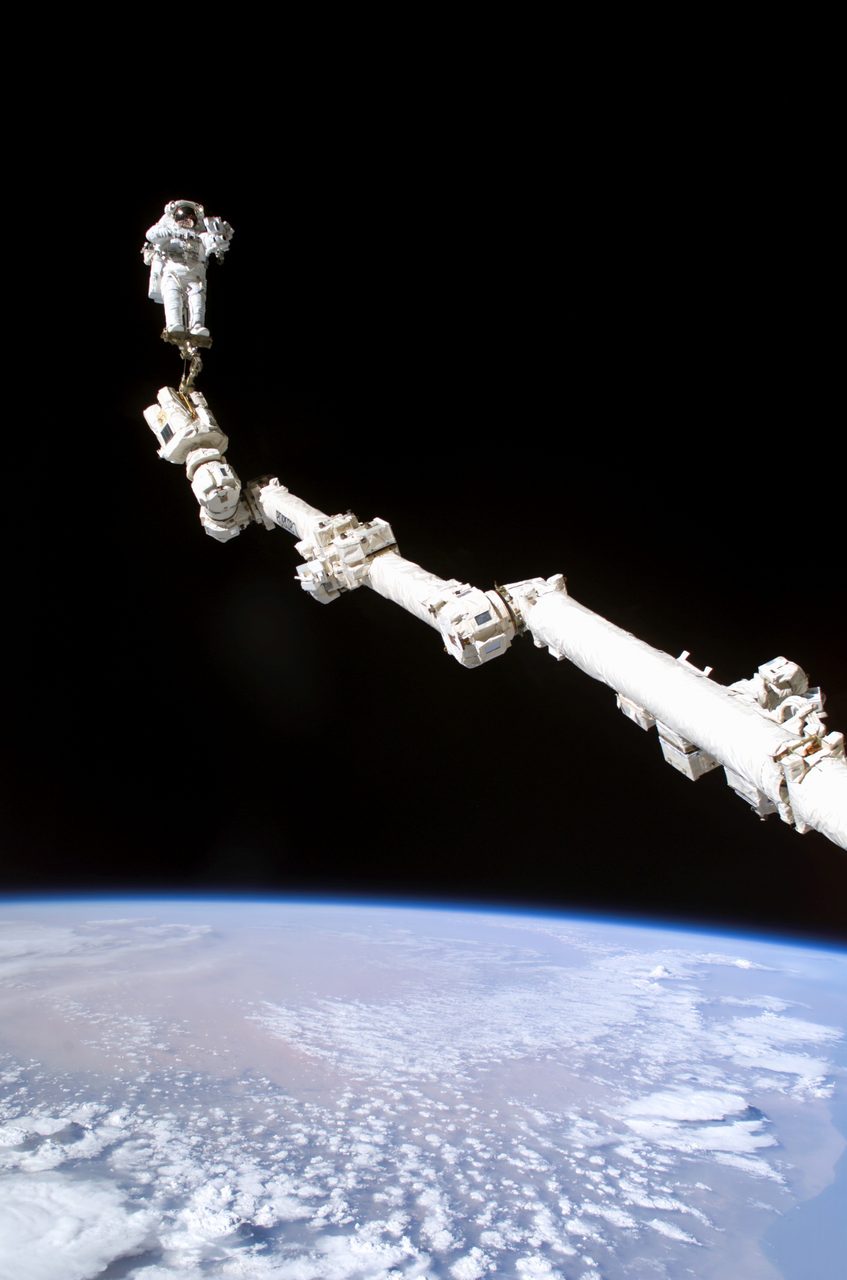
Florida combines an eastward boost from Earth's rotation with open Atlantic launch corridors and decades of infrastructure. But the best launch site depends on the mission.
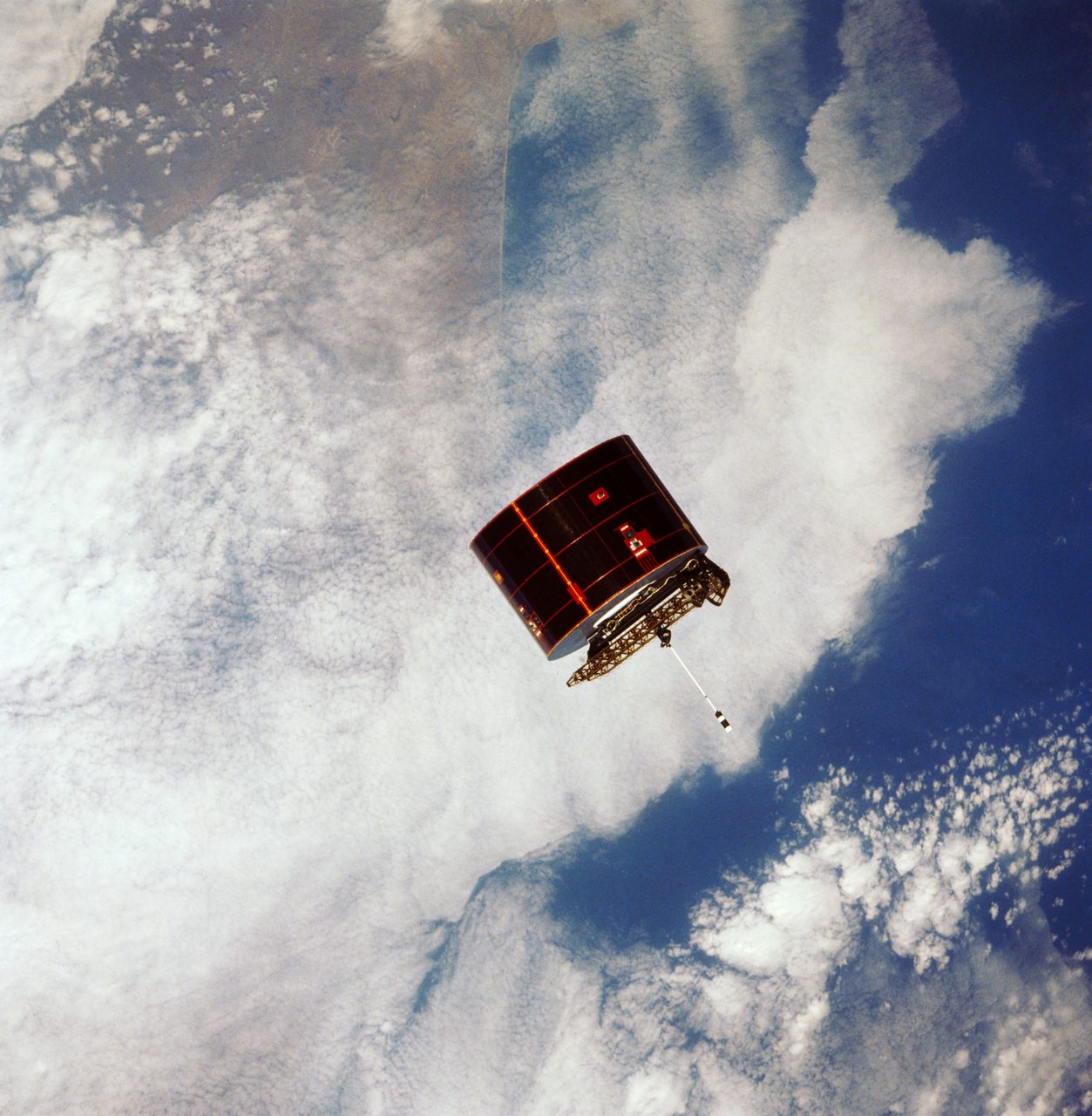
Tiangong: China's permanent outpost in Earth orbit
Built around three large modules, Tiangong gives China a permanent laboratory in low Earth orbit and a platform for long-duration human spaceflight.
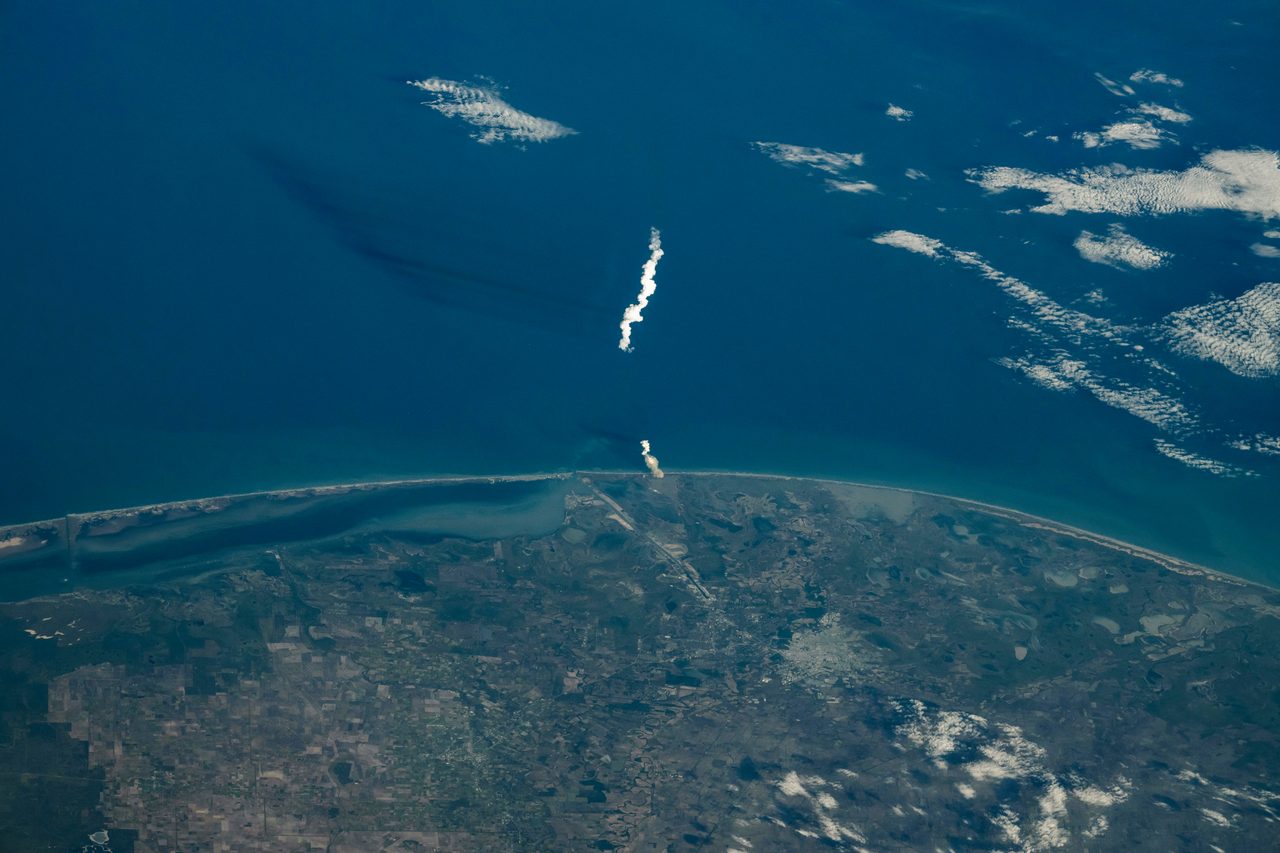
Starship caught after orbital flight: 15 November 2026 briefing
SpaceX has reportedly caught a Starship upper stage returning from orbit. Sunday's briefing also covers close approaches, Tiangong and the next Amazon Leo launch.
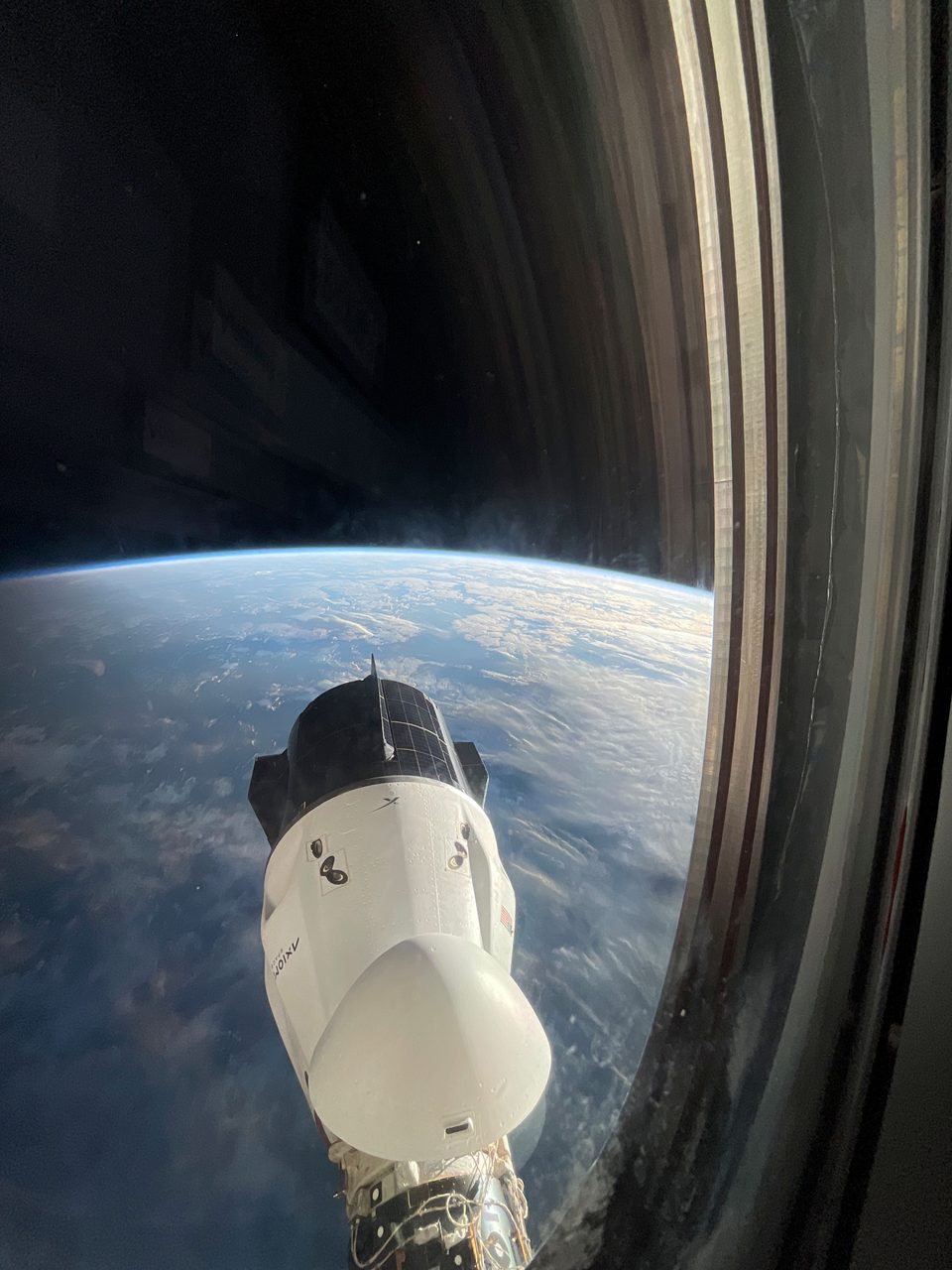
How Do Astronauts Get Back to Earth?
Astronauts return in spacecraft that slow down, survive atmospheric heating and land under parachutes. The journey ends with an ocean splashdown or a touchdown on land.
How Long Does It Take to Get to Mars?
Getting to Mars usually takes seven to nine months. The journey depends on where both planets will be at arrival, not simply how far apart they are at launch.
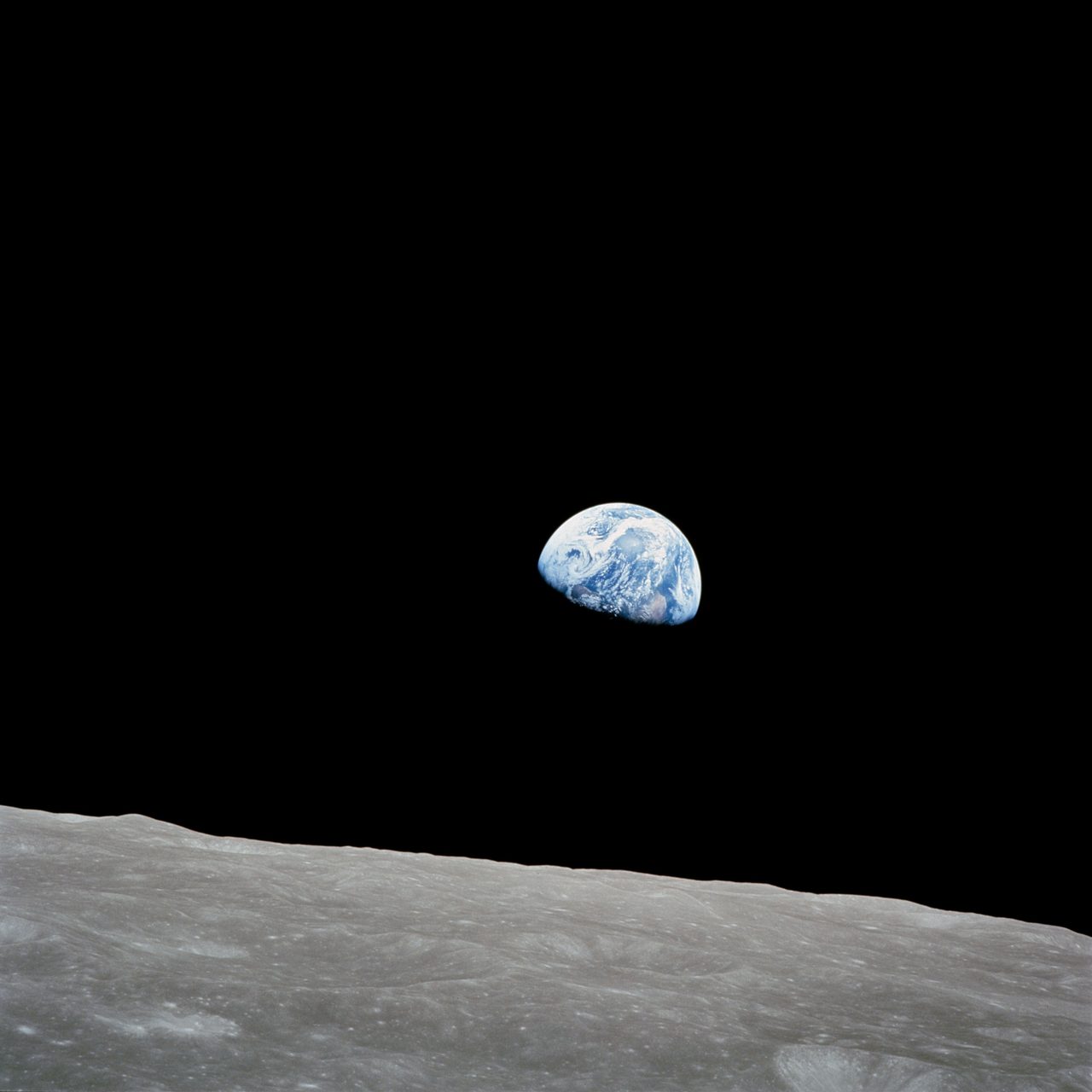
How Long Does It Take to Get to the Moon?
Reaching the Moon can take about three days or several months. The difference lies in the route, the fuel budget and whether a spacecraft must land, orbit or simply fly past.
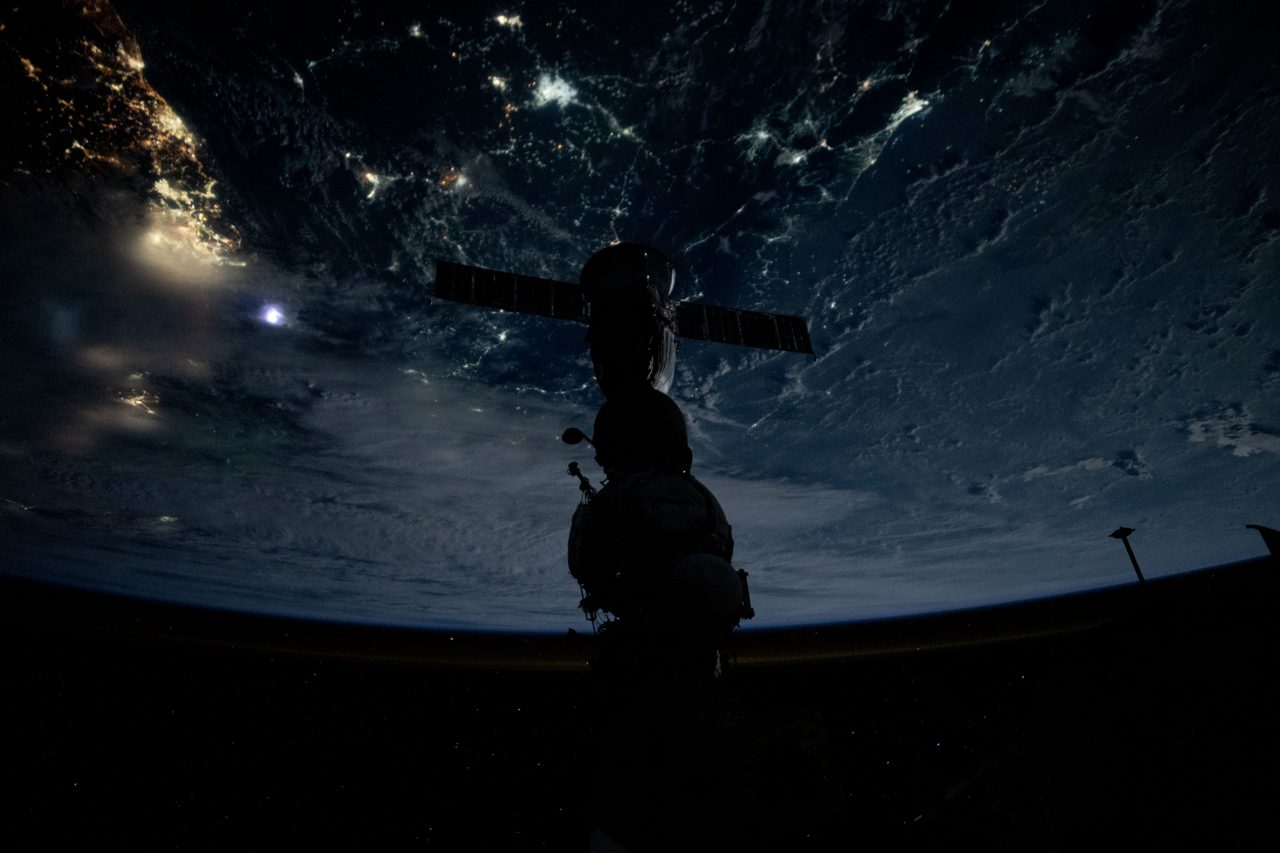
How Long Does It Take to Get to the ISS? Hours to Days
Reaching the ISS can take about three hours or stretch over one or two days. The difference is largely about launch timing, orbital alignment and the spacecraft's rendezvous plan.
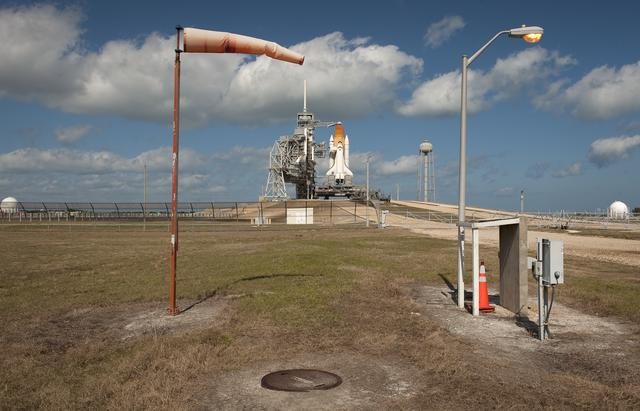
Reusable Rockets: How They Work and Why They Matter
Reusable rockets bring valuable hardware back for another flight. Their impact depends as much on inspection, refurbishment and launch demand as on spectacular landings.