This Week in Orbit: 2026-08-30

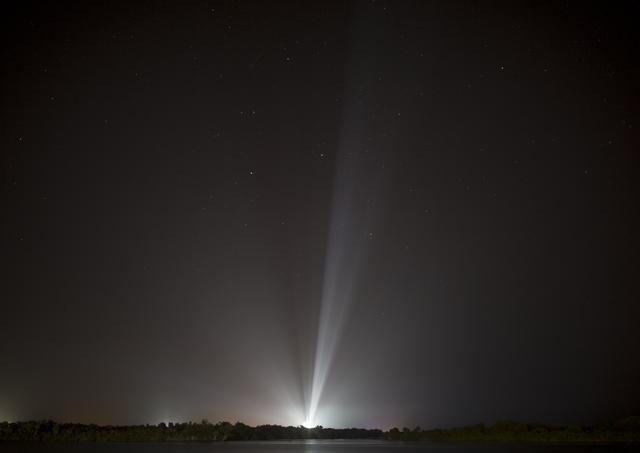
NASA's Nancy Grace Roman Space Telescope, aiming to explore the hidden universe, successfully launched aboard a SpaceX Falcon Heavy rocket. This marks a significant milestone in cosmic exploration, focusing on dark energy, exoplanets, and infrared astronomy.
Week Overview
NASA's Nancy Grace Roman Space Telescope, aiming to explore the hidden universe, successfully launched aboard a SpaceX Falcon Heavy rocket. This marks a significant milestone in cosmic exploration, focusing on dark energy, exoplanets, and infrared astronomy. The launch was a highlight, with the telescope now en route to its operational orbit. Meanwhile, NASA's Deep Space Network (DSN) expanded with the addition of Deep Space Station 23 at Goldstone, enhancing communication capabilities for interplanetary missions.
Launch Activity
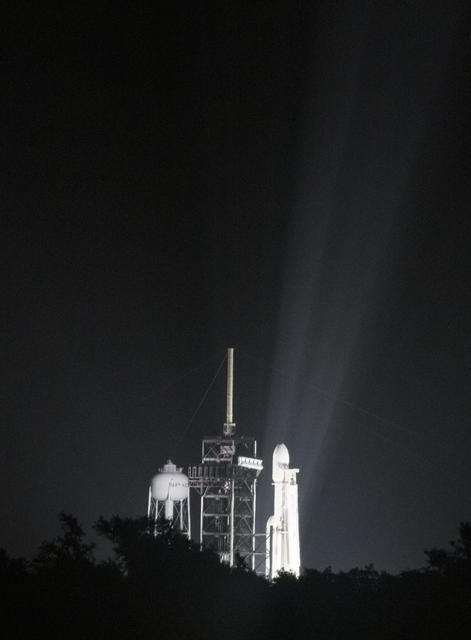
This week saw no new launches beyond the Roman Space Telescope. The Launch Schedule on Orbital Radar remains a key resource for upcoming missions, with details on various international launches planned in the coming months. The absence of additional launches this week highlights the focus on the Roman mission, a pivotal project for NASA's astrophysics programme.
Orbital Events
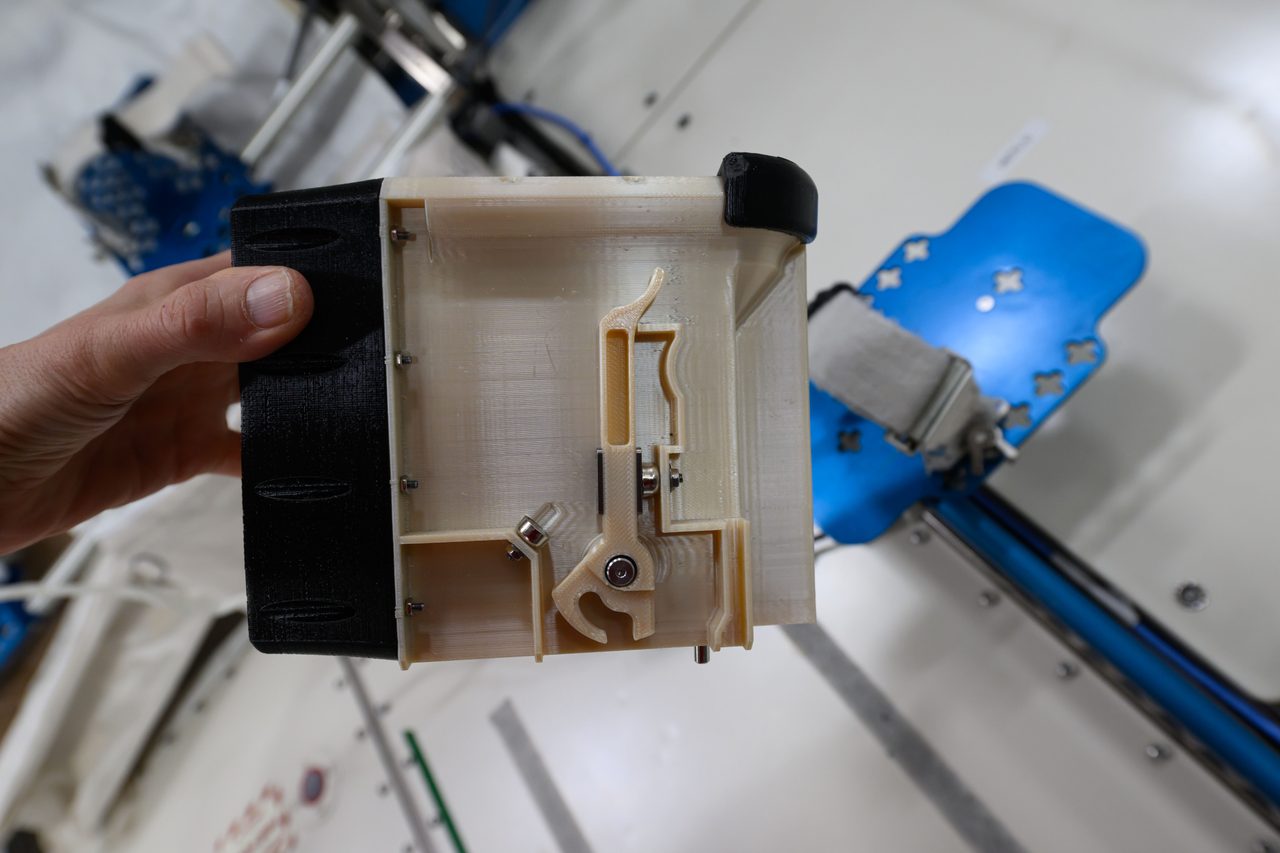
A series of close approaches were monitored, with the most significant being between PRC Test Spacecraft 4 and OBJECT H, and INTELSAT 1002 and MEV-2, both reaching a minimum distance of 0.00 km. These events underscore the growing congestion in orbit, a concern for satellite operators. Additionally, a sharp change in the B* drag term for ONEWEB-0332 suggests a possible manoeuvre or space weather impact. For a detailed view of these events, the Debris Map on Orbital Radar provides real-time tracking.
Space Weather
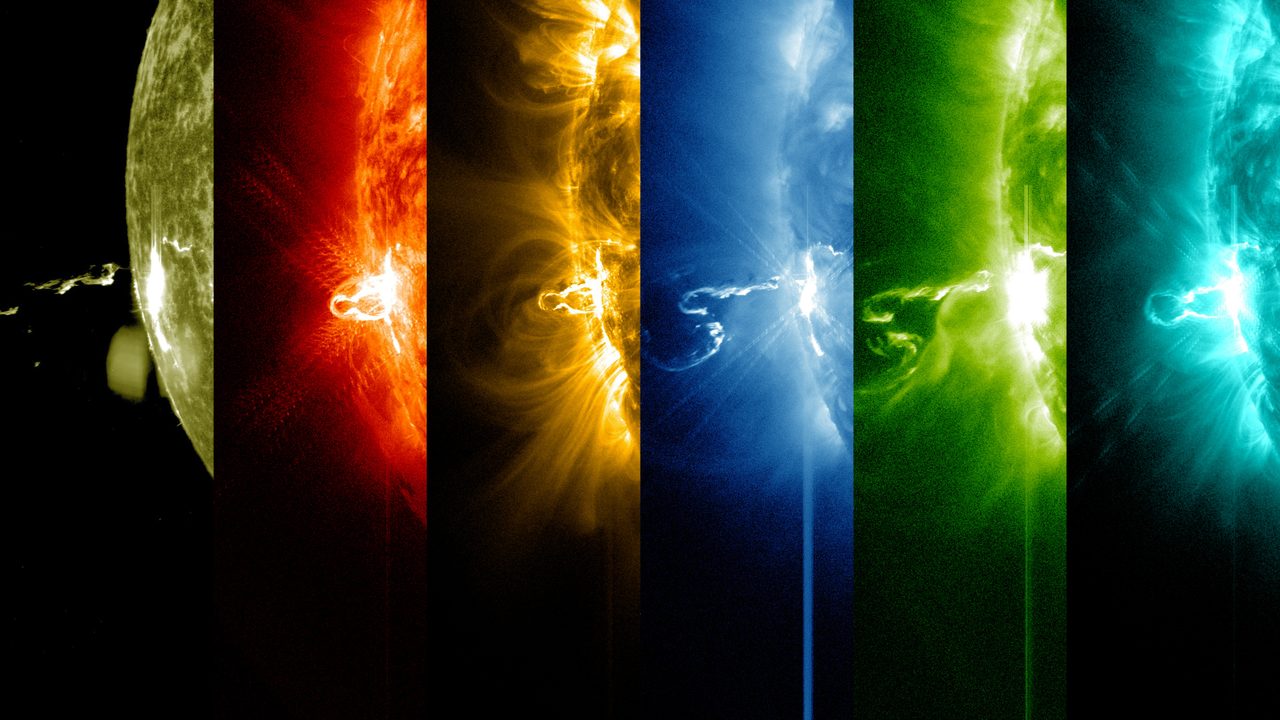
Space weather conditions remained largely stable, with a Kp index of 0 indicating minimal geomagnetic activity. However, a yellow alert for F10.7 solar flux suggests increased solar activity, which could impact geosynchronous satellites. The Space Weather page on Orbital Radar offers continuous updates and risk assessments for various orbital regions.
Notable Satellites
The active satellite count stands at 18,685, with Starlink contributing 11,044 to this total. Of these, 9,821 are operational, reflecting SpaceX's significant presence in low Earth orbit. For comprehensive details on individual satellites, the Satellite Library on Orbital Radar remains an invaluable resource.
Looking Ahead
As we look forward, the focus will be on the Roman Space Telescope's journey to its operational orbit and the data it will begin to collect. The Launch Schedule indicates several international missions on the horizon, promising a busy period for space enthusiasts. Additionally, the Re-entry Tracker on Orbital Radar highlights 42 predicted re-entries soon, a reminder of the dynamic nature of space operations.
📎 Cite this article
Orbital Radar Newsroom. (2026). This Week in Orbit: 2026-08-30. Orbital Radar. https://orbitalradar.com/blog/this-week-in-orbit-2026-08-30"This Week in Orbit: 2026-08-30." Orbital Radar, 31 August 2026, https://orbitalradar.com/blog/this-week-in-orbit-2026-08-30.@misc{orbitalradar_this_week_in_orbit_2026_08_30,
title = {This Week in Orbit: 2026-08-30},
author = {{Orbital Radar}},
year = {2026},
howpublished = {\url{https://orbitalradar.com/blog/this-week-in-orbit-2026-08-30}}
}