Space News Mission Log — Satellite Launches, Orbital Events & Analysis
Daily space news, satellite launch reports, orbital debris analysis and weekly roundups — grounded in live tracking data from our network monitoring 548 published reports.
How Far Away Can You See a Rocket Launch?
A rocket launch can be visible hundreds of kilometres away, especially around twilight. Your view depends on its trajectory, sunlight, weather and your horizon.
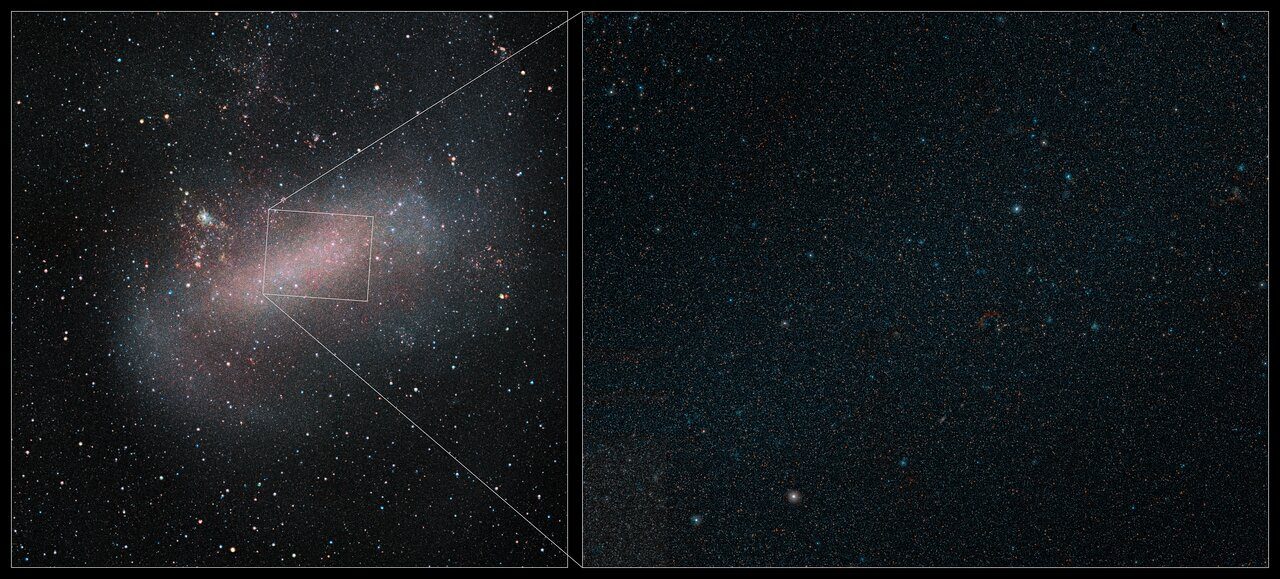
A starry night inside the Large Magellanic Cloud’s core
A crowded stellar landscape fills this infrared view of the Large Magellanic Cloud. Repeated VISTA observations reveal how its stars move and help map its hidden structure.
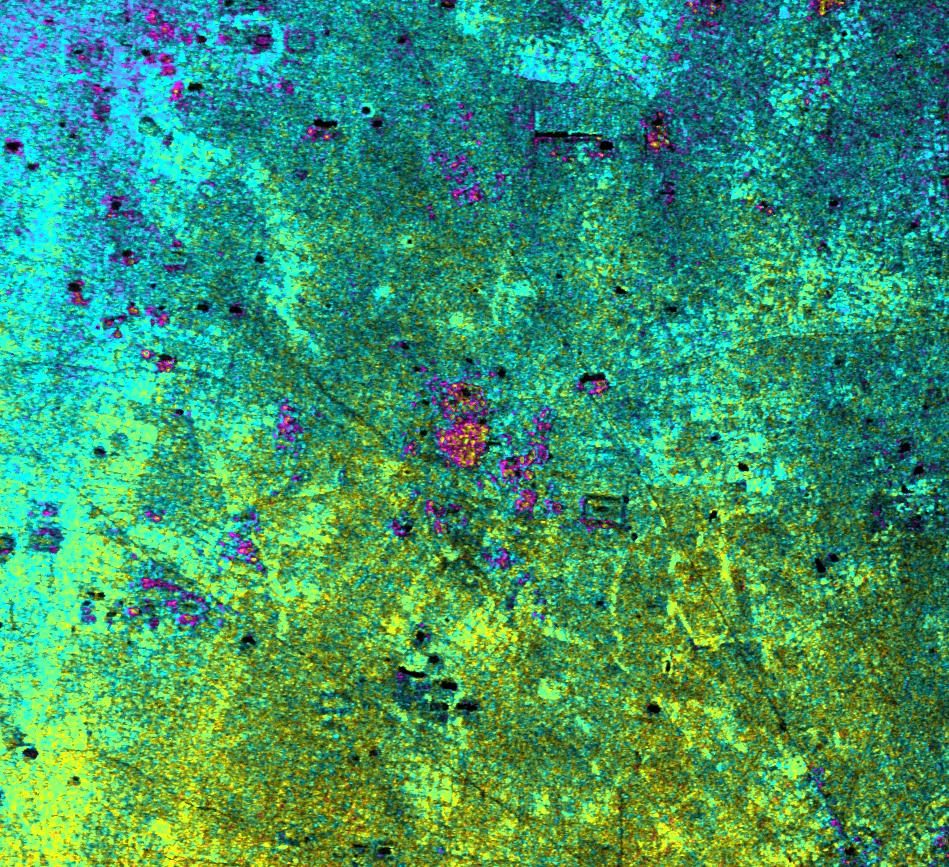
How Do Radar Satellites Work? SAR Explained
Radar satellites illuminate Earth with microwaves rather than waiting for sunlight. Learn how their echoes become images, what SAR reveals and where its limits lie.
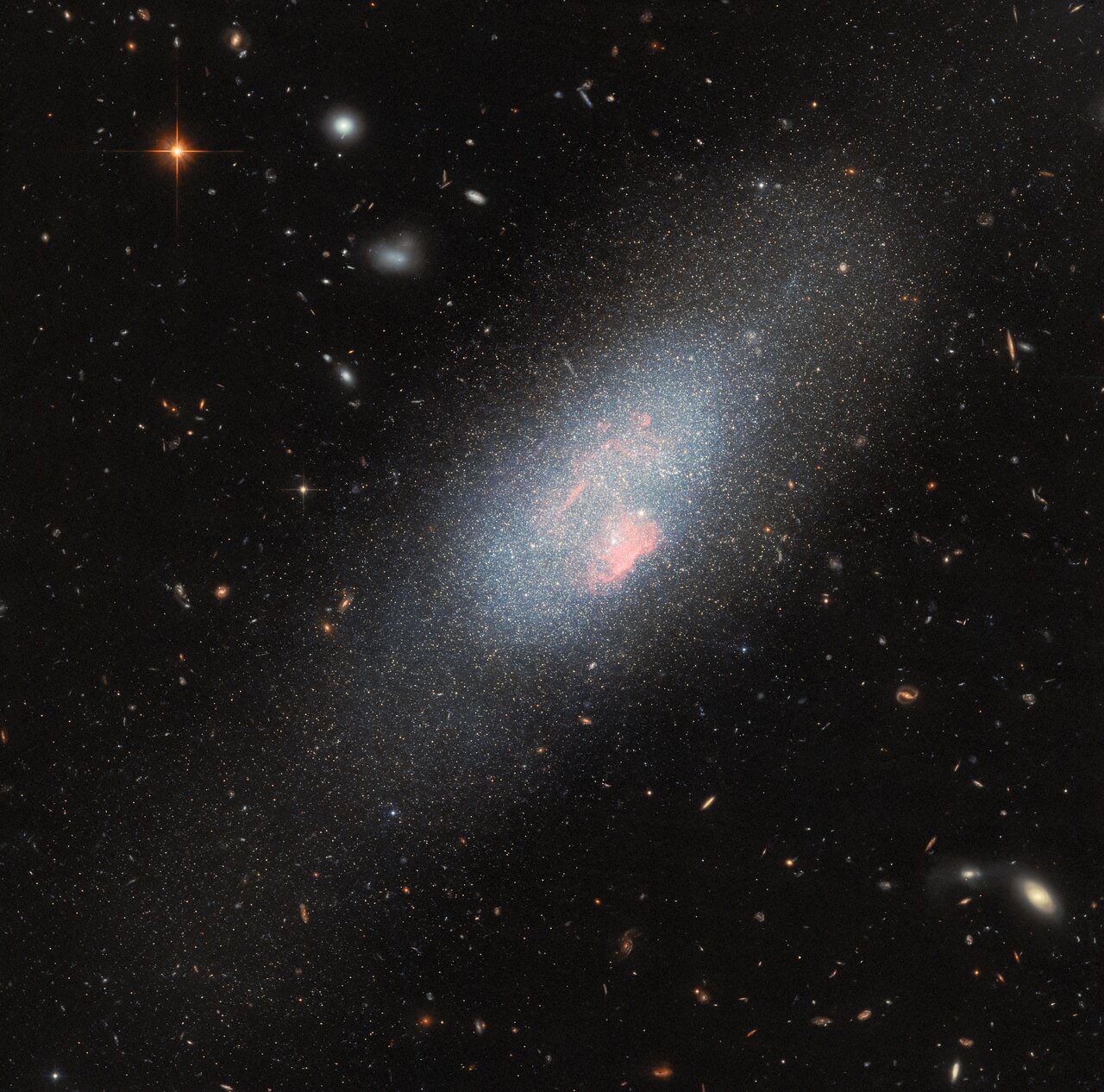
Massive stars leave their mark on blue galaxy Mrk 178
A pale blue galaxy holds evidence of a recent stellar upheaval. Hubble’s view of Markarian 178 reveals massive stars shedding their atmospheres into space.

NVS-03 reaches orbit: Orbital Briefing, 31 October 2026
India’s NVS-03 navigation satellite has reached orbit, while SpaceX reports another Starlink deployment. Ahead: Rocket Lab’s next radar-imaging mission.
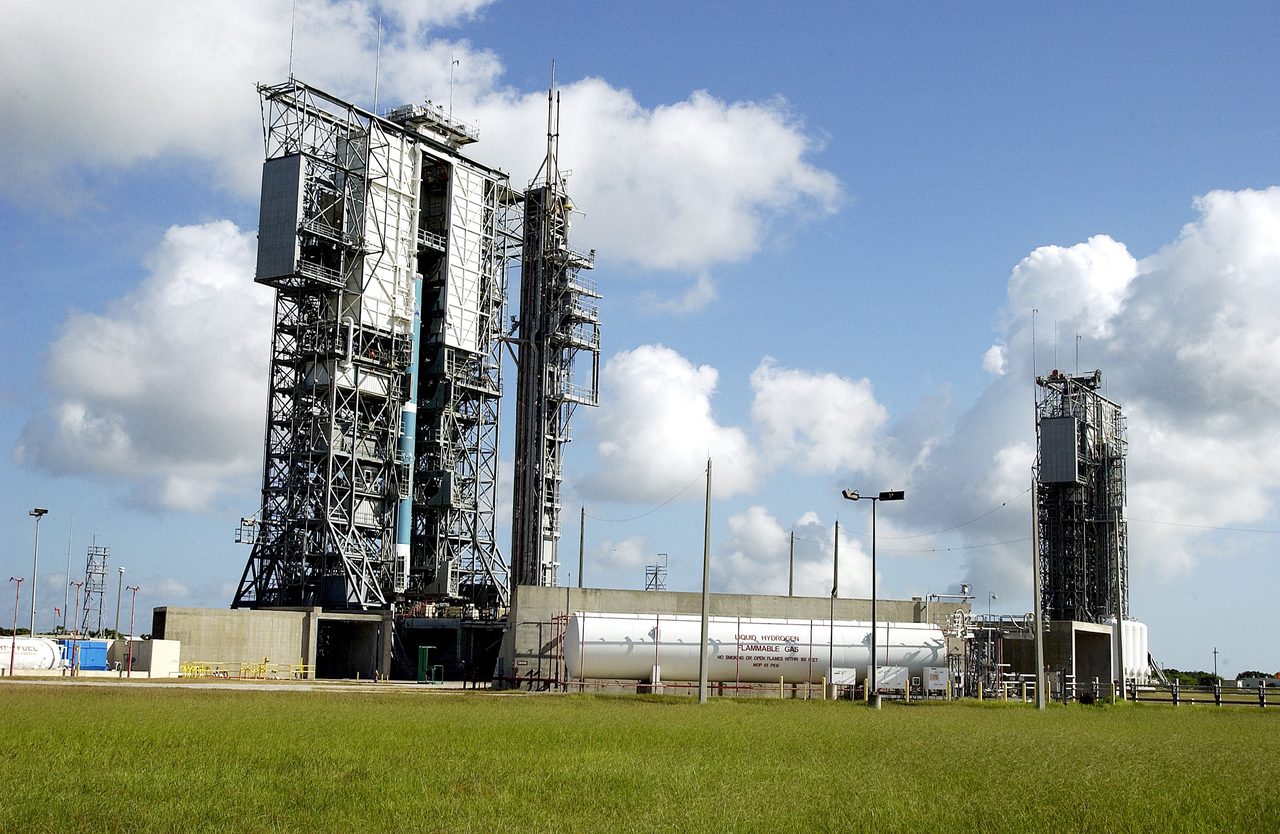
Why Do Rocket Launches Get Scrubbed? Delays Explained
Rocket launches are scrubbed when weather, hardware or flight-safety conditions prevent a safe departure. Here is what causes delays and what determines the next attempt.
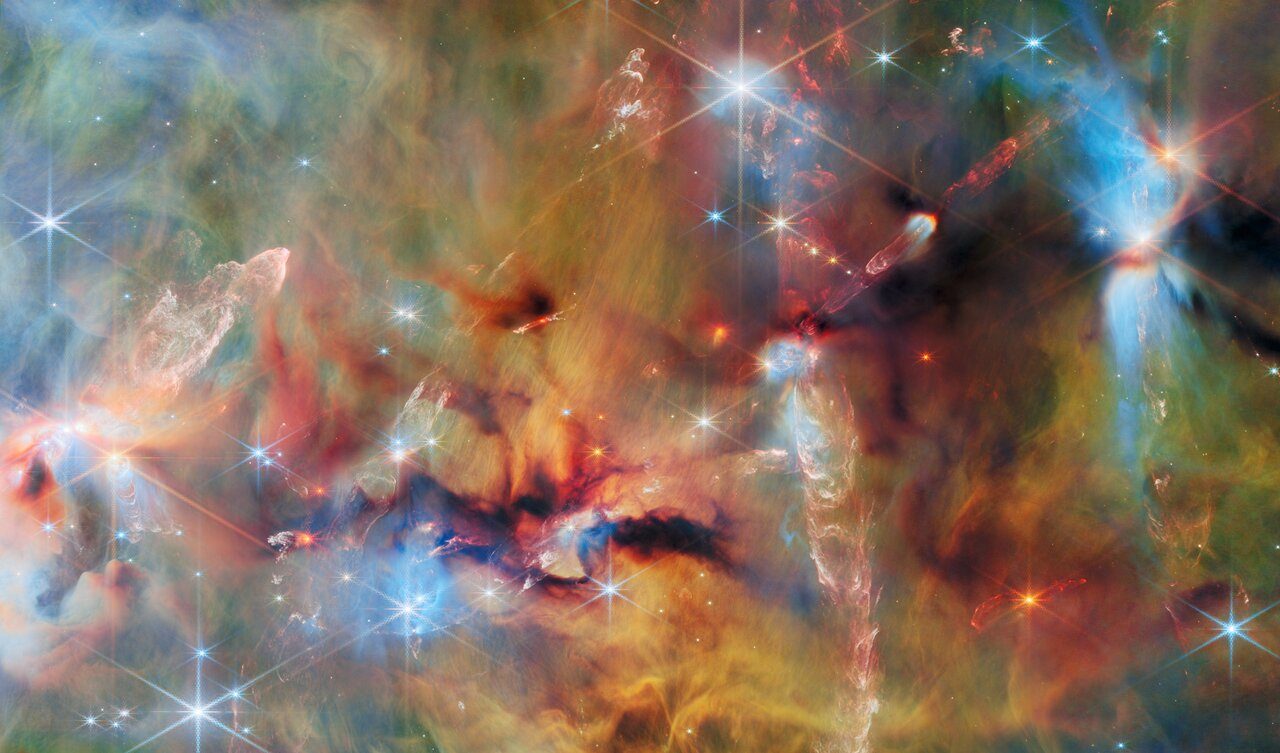
Webb reveals stellar beginnings in Orion’s dusty nursery
Webb reveals a stellar nursery behind the Orion Nebula, where hidden protostars drive glowing outflows and emerging stars illuminate their surroundings.
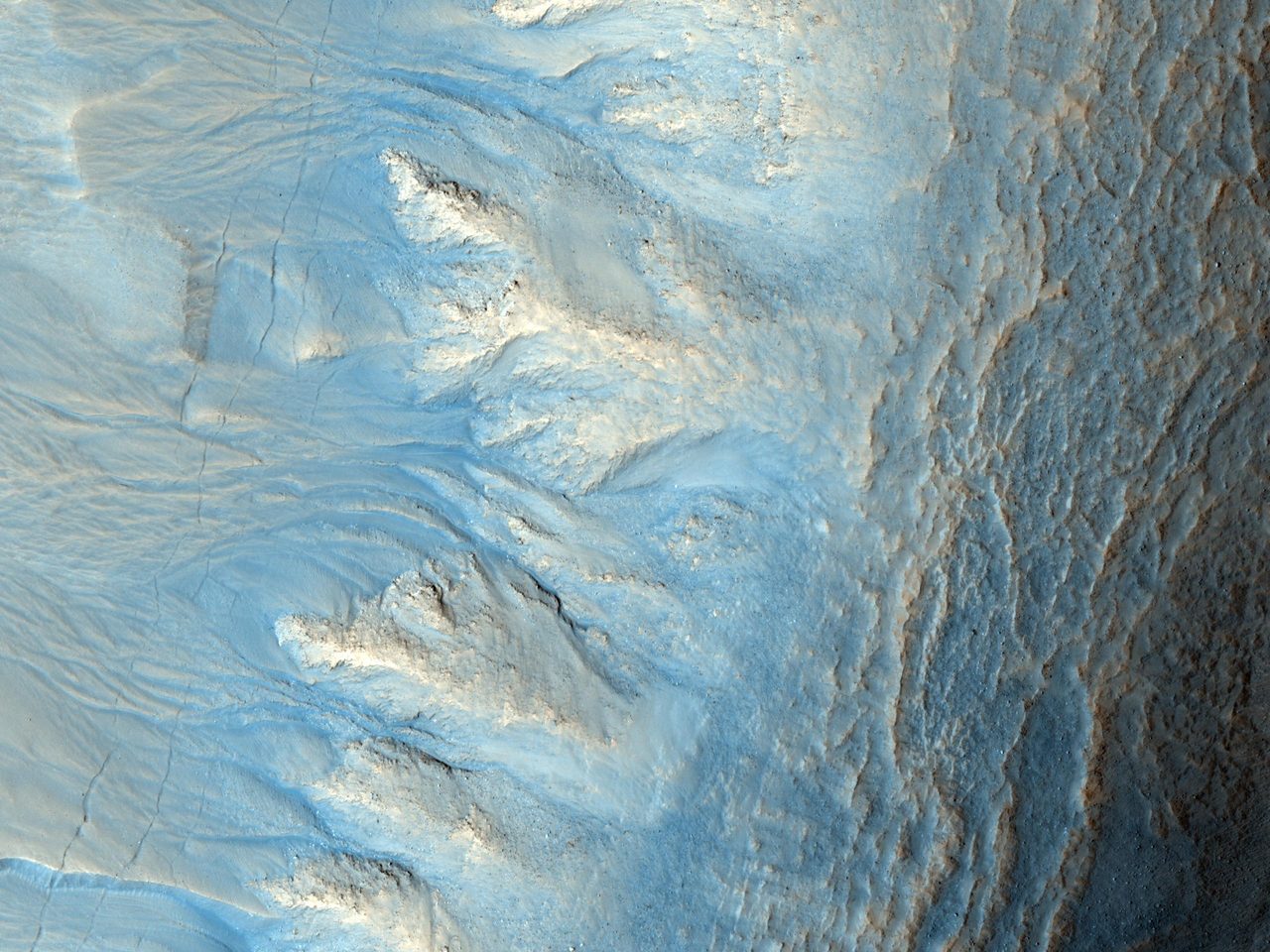
How Often Do Satellites Almost Collide? Near Misses in Orbit
Orbital Radar recorded 536 approaches within 1 km in the latest 30 days. Its conjunction history reveals a longer-term rise, but proximity alone does not establish collision risk.
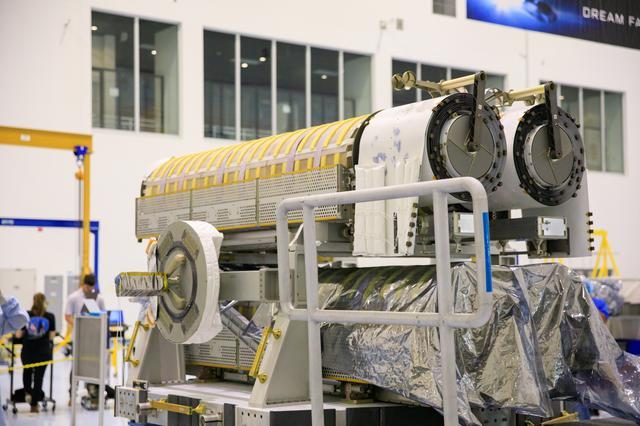
ISS solar array upgrade: Orbital Briefing, 30 October 2026
Spacewalkers have deployed an upgraded solar array at the International Space Station. Meanwhile, ISRO targets a navigation satellite launch and orbital monitoring continues.
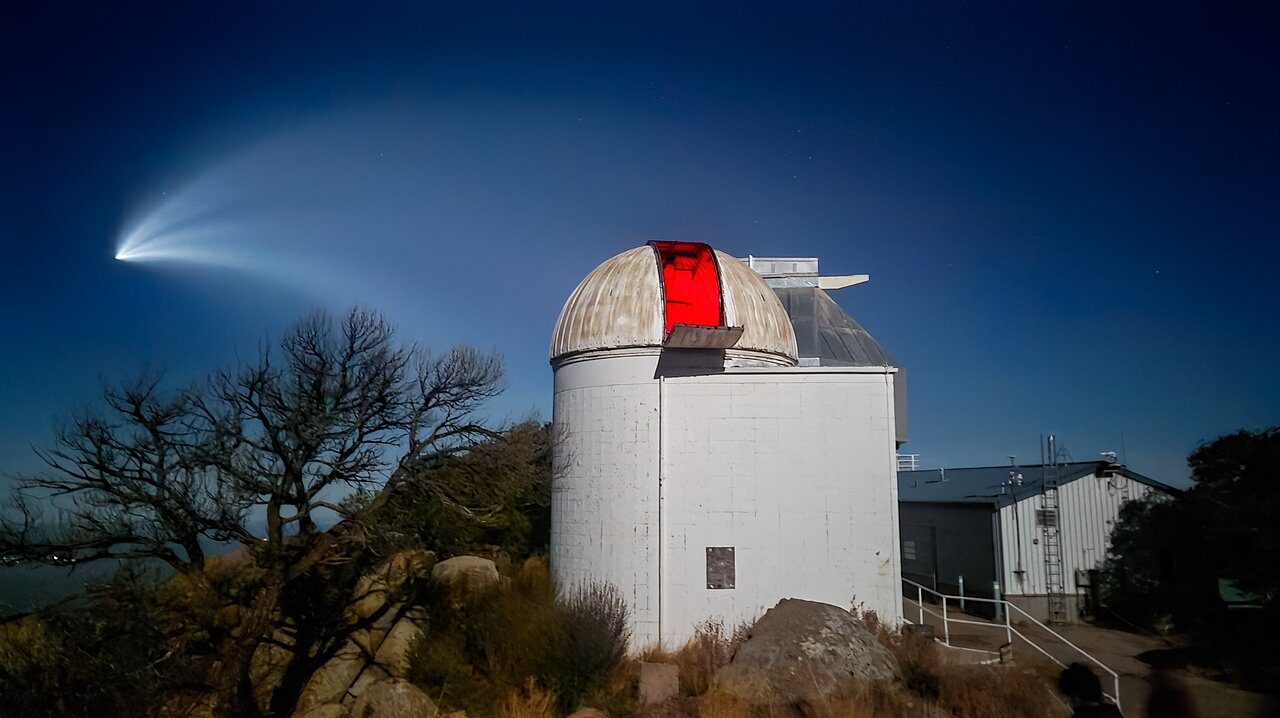
Having a Blast at Kitt Peak: A Rocket Catches Sunlight
A Falcon 9 launch about 550 miles away lights up the sky above Kitt Peak. Its sunlit exhaust and a red-lit telescope dome reveal contrasting uses of light after sunset.
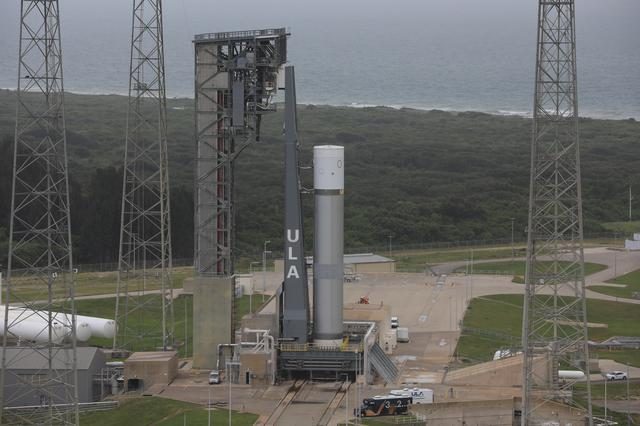
Vulcan targets November return: Orbital Briefing, 29 October
ULA is targeting mid-November for Vulcan’s return to flight. Meanwhile, sharp changes in Starlink drag estimates warrant scrutiny ahead of SpaceX and ISRO launches.
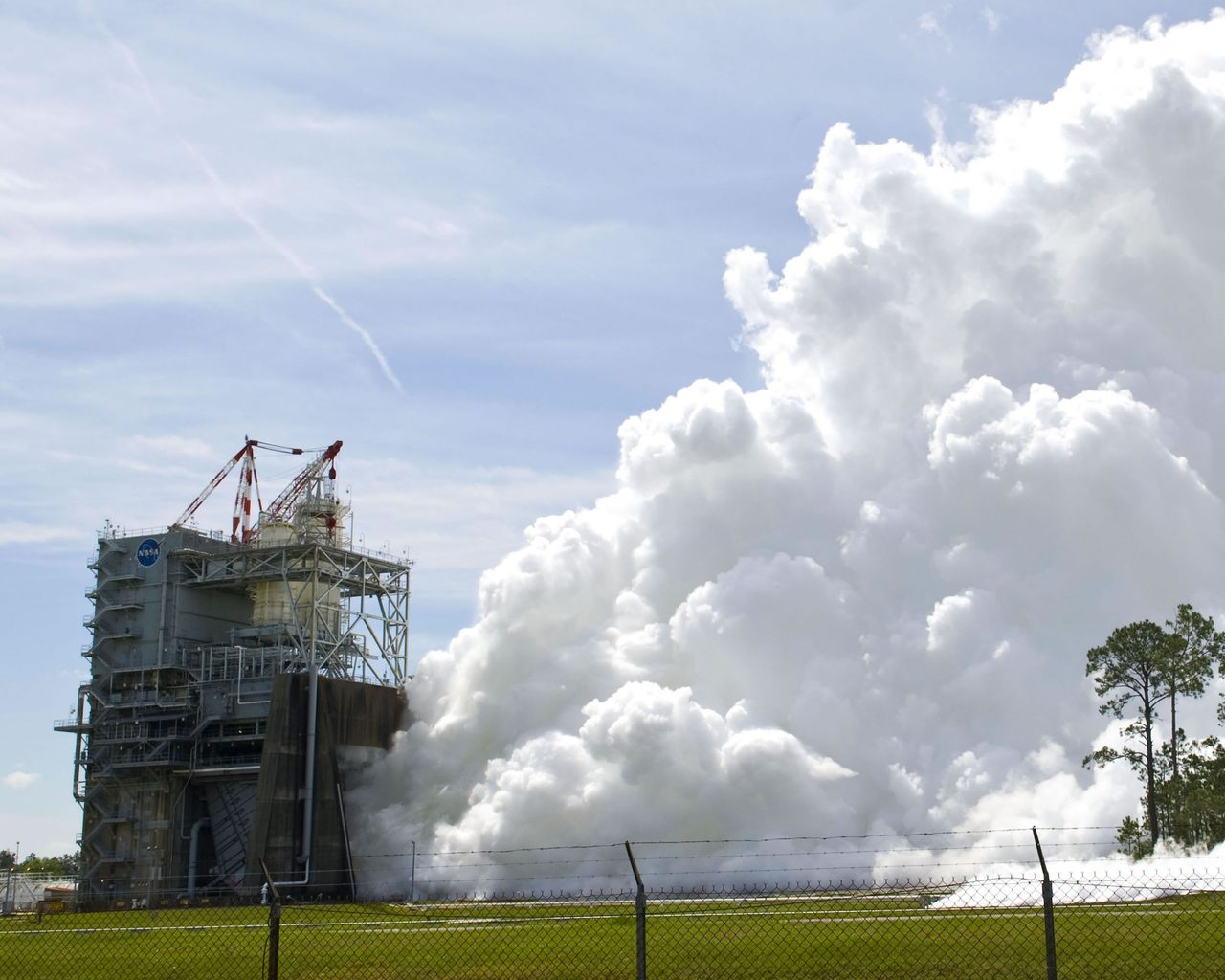
Types of Rocket Propulsion: Chemical, Electric and Nuclear
Chemical engines deliver thrust, electric thrusters conserve propellant, and nuclear concepts offer different trade-offs. Here is how mission designers choose between them.