Space News Mission Log — Satellite Launches, Orbital Events & Analysis
Daily space news, satellite launch reports, orbital debris analysis and weekly roundups — grounded in live tracking data from our network monitoring 548 published reports.
Dark clouds and a starry night reveal the Milky Way’s heart
The Milky Way’s centre emerges between telescopes at La Silla Observatory, where glowing hydrogen and dark dust reveal contrasting faces of stellar nurseries.
9,996 active Starlinks: Orbital Briefing, 28 October 2026
Starlink has 9,996 operational satellites following another successful Falcon 9 mission. Meanwhile, geomagnetic conditions are quiet ahead of SpaceX and ISRO launches.
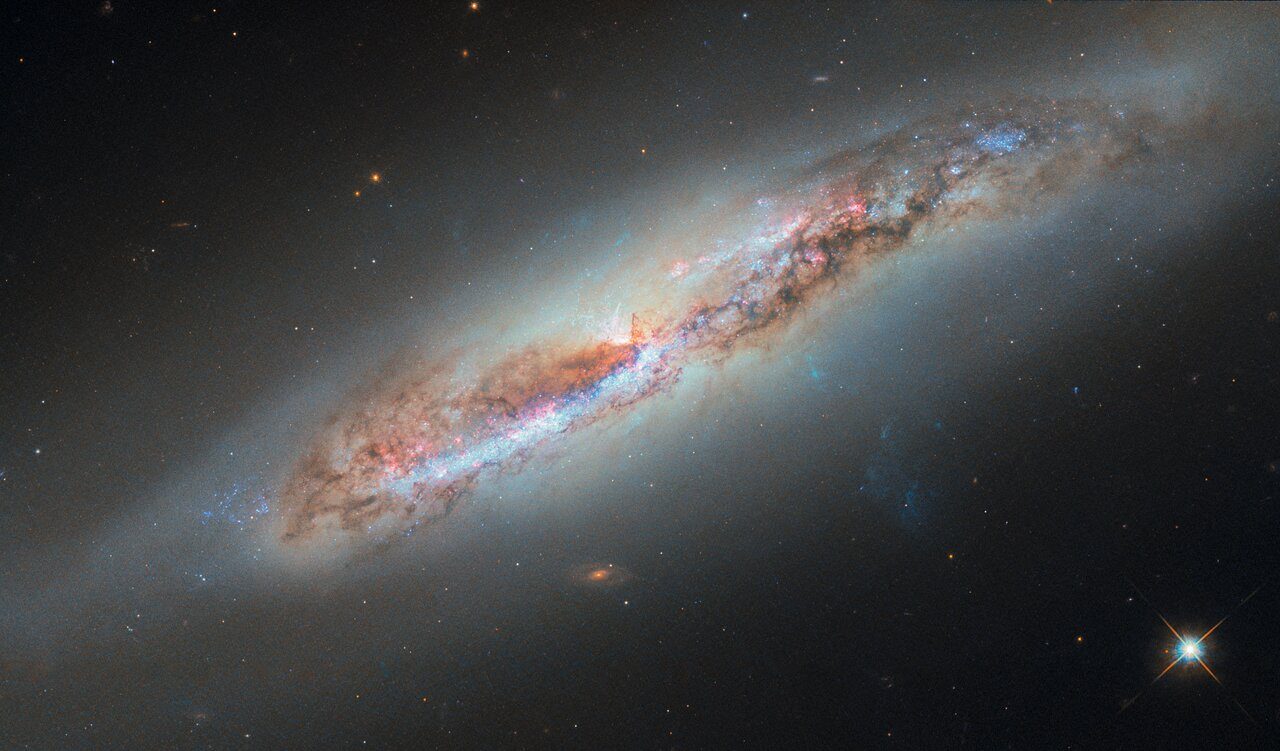
Galactic gas makes a getaway from spiral galaxy NGC 4388
A glowing plume extends from NGC 4388 as it travels through the Virgo cluster. Hubble’s view reveals how the space between galaxies can reshape them.
Why Do Rockets Launch From Florida?
Florida combines an eastward boost from Earth's rotation with open Atlantic launch corridors and decades of infrastructure. But the best launch site depends on the mission.
How Often Do Satellites Maneuver? What Our Detector Sees
Orbital Radar logged 45,196 orbit-change events over the past month. Explore what those detections reveal about satellite activity—and why they are not a count of thruster firings.
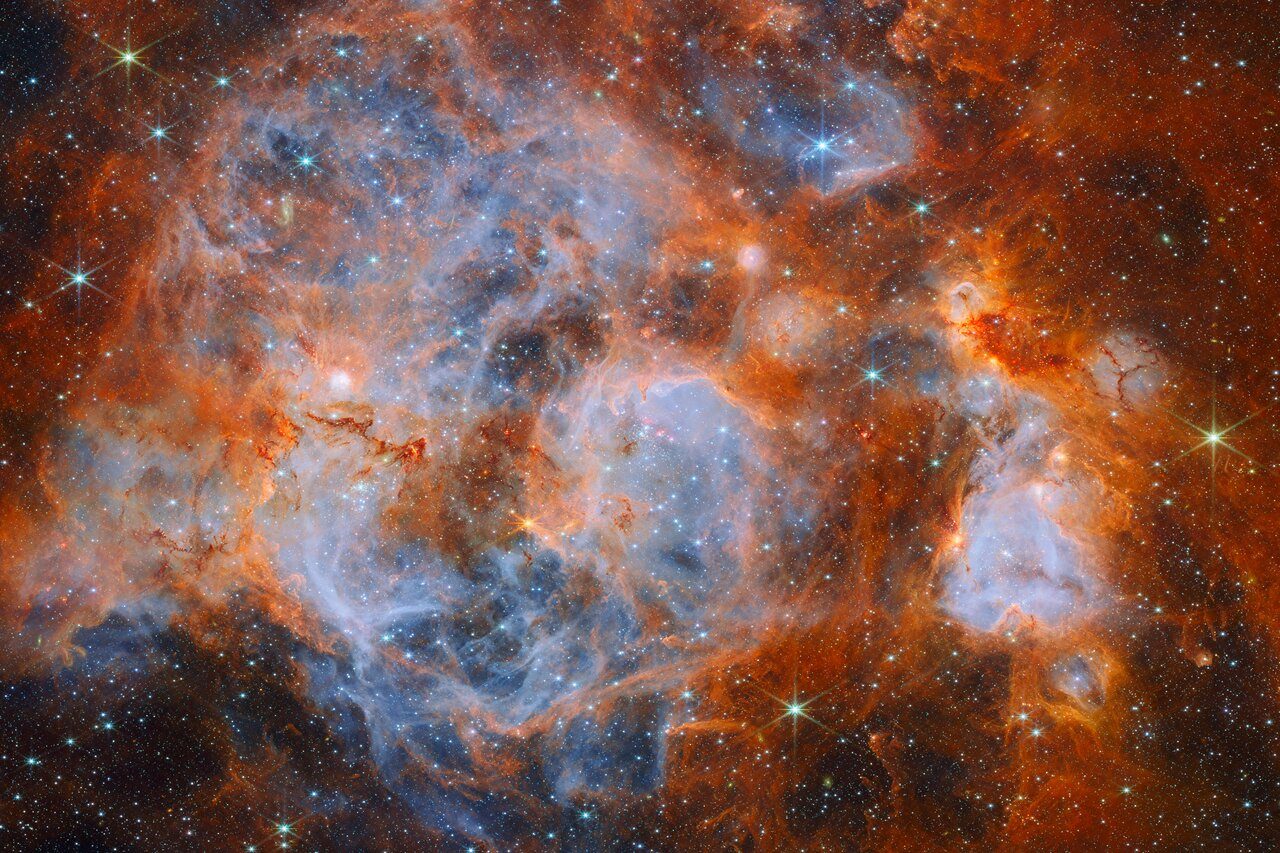
Stars brewing in N159: Webb reveals a nebulous cauldron
Webb’s view of N159 reveals young stars sculpting their birthplace, while dense filaments protect others still forming inside this turbulent stellar nursery.
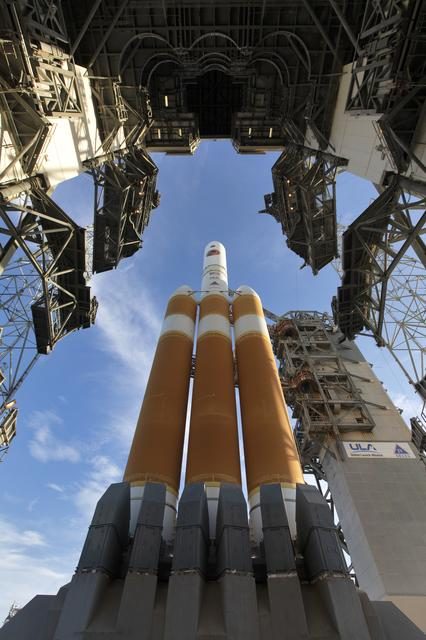
18 close approaches tracked: Orbital Briefing, 26 October
A roughly 0.63 km satellite approach leads Monday's briefing, alongside quiet space weather, Starlink fleet figures and the next scheduled Falcon 9 launch.
How Long Does It Take to Get to Mars?
Getting to Mars usually takes seven to nine months. The journey depends on where both planets will be at arrival, not simply how far apart they are at launch.

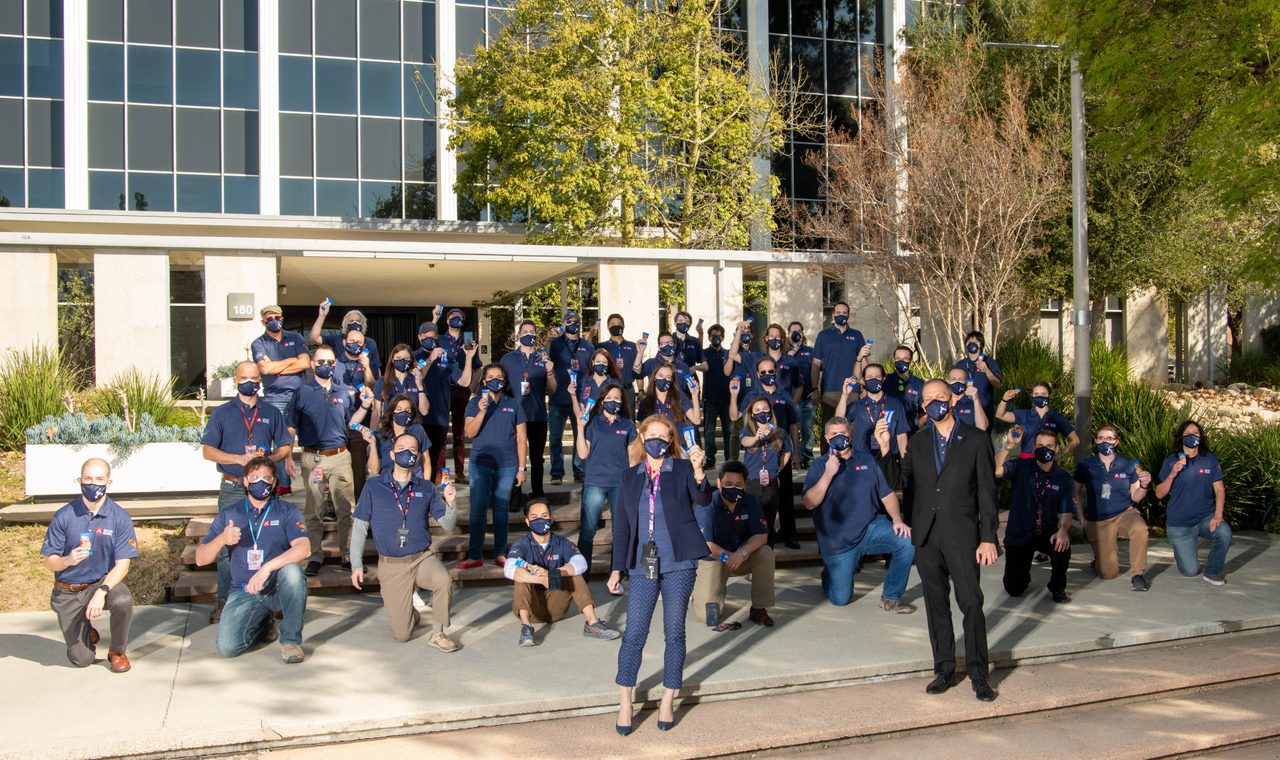
Rubin’s First Photons: Inside the April 2025 Milestone
Rubin Observatory’s first photons arrived on 15 April 2025. This control-room photograph captures the human response to a milestone decades in the making.

SatNet reaches orbit: Orbital Briefing, 25 October 2026
China's SatNet LEO Group 28 has reached orbit aboard Long March 8A. Elsewhere, satellite close approaches warrant attention while geomagnetic conditions remain quiet.
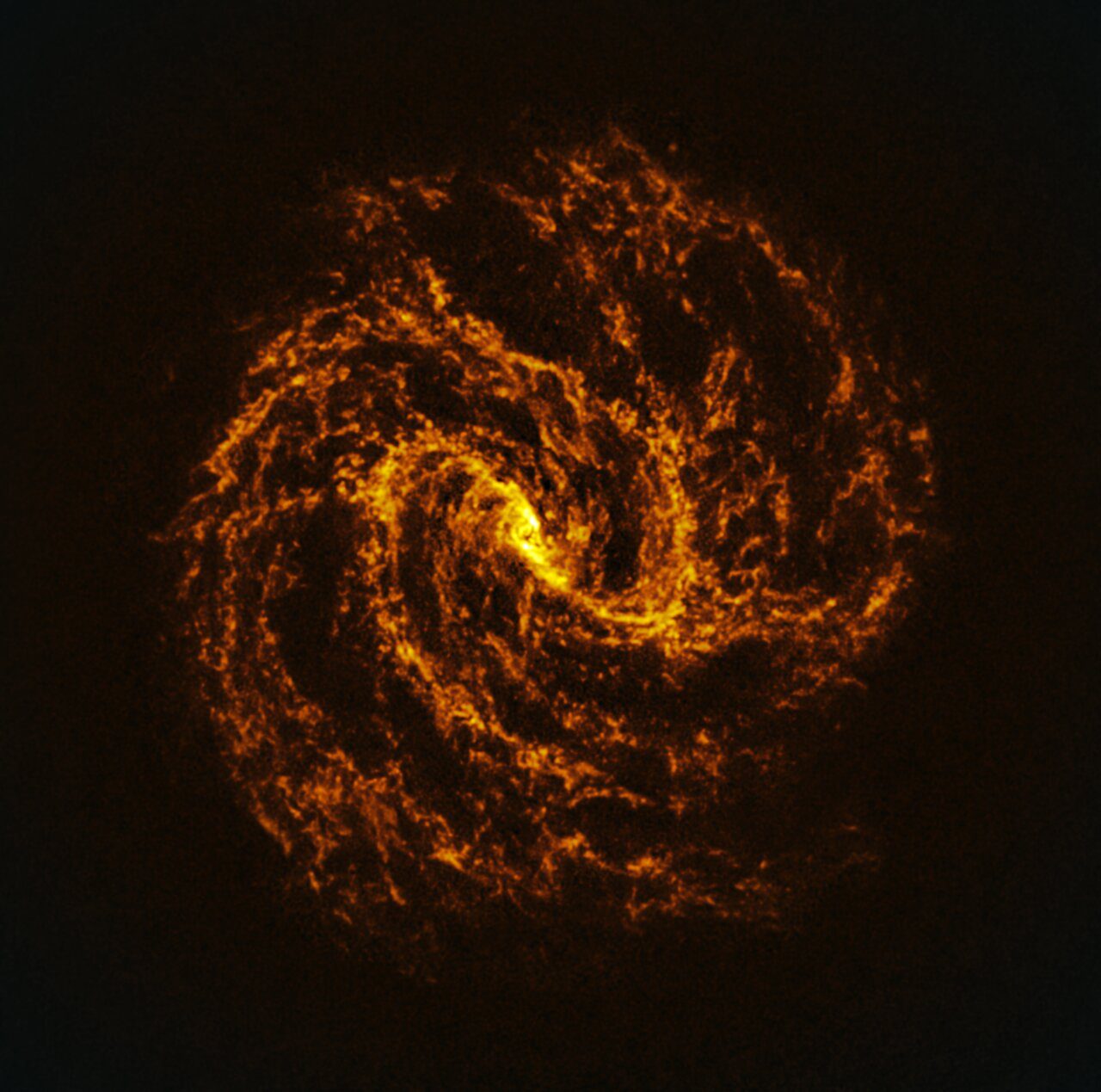
A swirling galaxy: M83 reveals its cold star-making gas
ALMA’s view of the Southern Pinwheel reveals cold molecular gas rather than visible starlight — tracing the material from which new stars form.

Three launches in a day: Orbital Briefing, 24 October 2026
China and Rocket Lab recorded three successful launches on Friday. Today's briefing also covers Artemis lander testing, close approaches and the next flight dates.