Space News Mission Log — Satellite Launches, Orbital Events & Analysis
Daily space news, satellite launch reports, orbital debris analysis and weekly roundups — grounded in live tracking data from our network monitoring 10 published reports.
Crew Capsules Compared: Dragon, Starliner, Soyuz, and Shenzhou
Compare Dragon, Starliner, Soyuz, and Shenzhou capsules. Understand their features, missions, and differences.
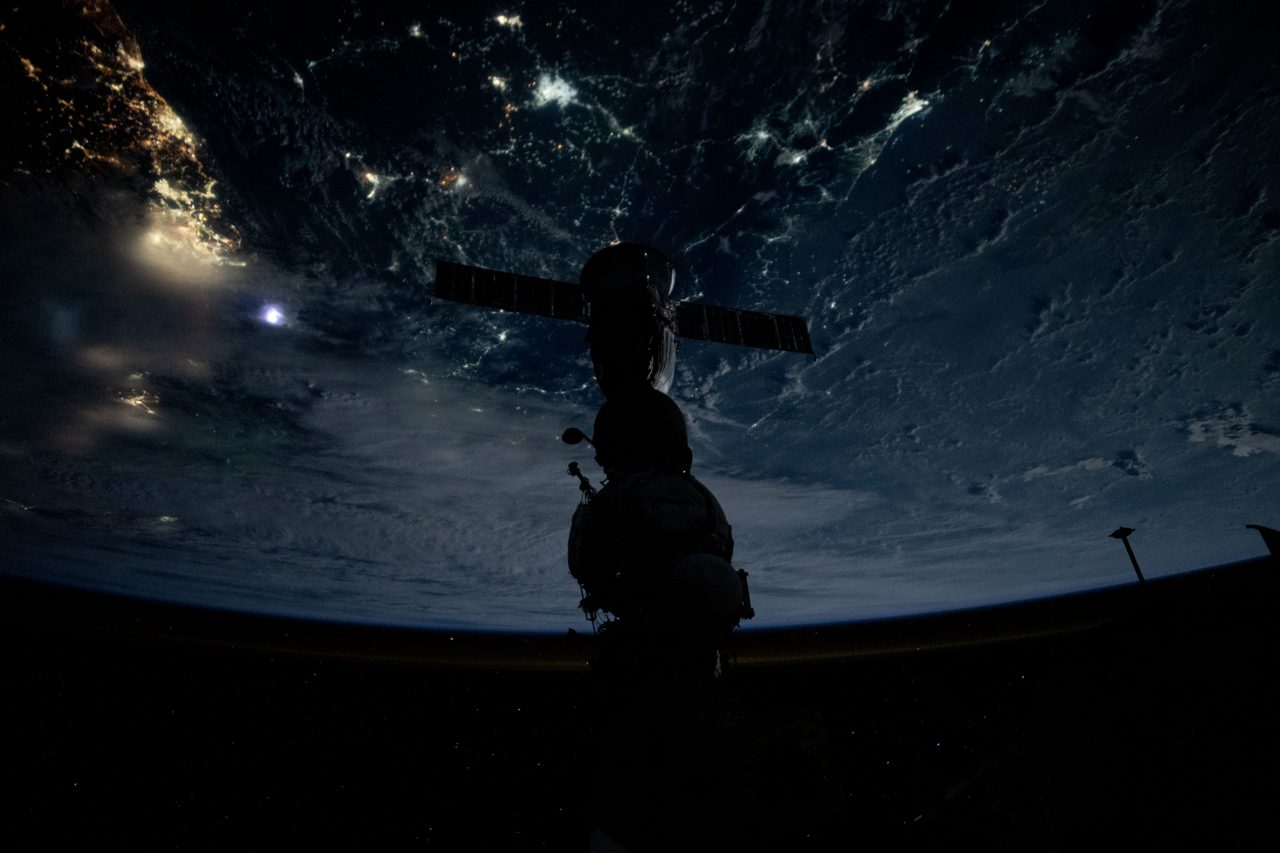
How Long Does It Take to Get to the ISS? Hours to Days
Reaching the ISS can take about three hours or stretch over one or two days. The difference is largely about launch timing, orbital alignment and the spacecraft's rendezvous plan.

How Spacecraft Dock with the International Space Station
Spacecraft docking with the ISS involves precise orbital mechanics and advanced technology to ensure a safe and successful connection.
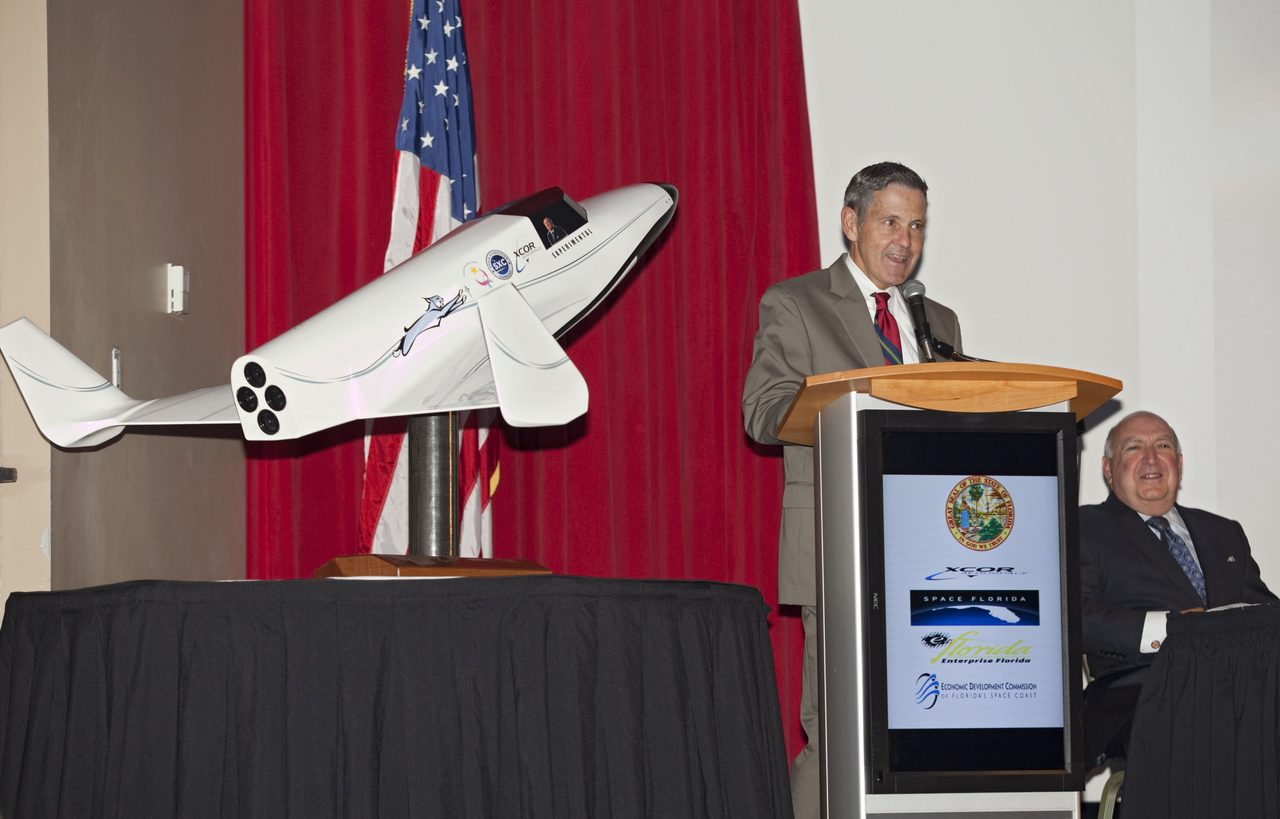
Space Tourism Costs: Who Can Afford the Final Frontier?
Space tourism costs vary widely, from $250,000 for suborbital flights to $55 million for a stay on the ISS. Learn more about pricing and options.
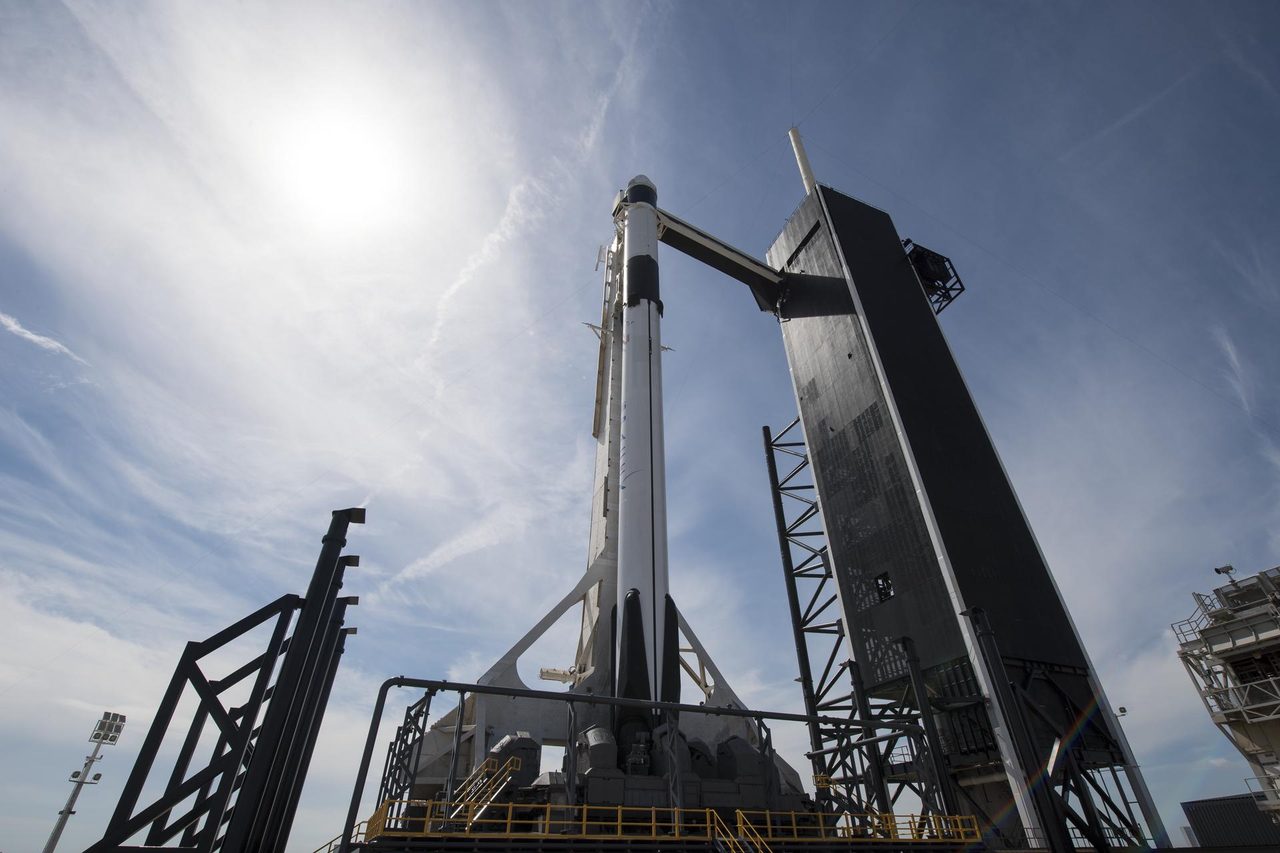
Falcon 9: The Rocket That Changed Spaceflight Forever
The Falcon 9 rocket by SpaceX revolutionised spaceflight with its reusable design, reducing launch costs and increasing access to space.
Orbital Close Calls Highlight Need for Space Traffic Management
Recent close approaches in orbit underscore the need for better space traffic management as Starliner delays continue.
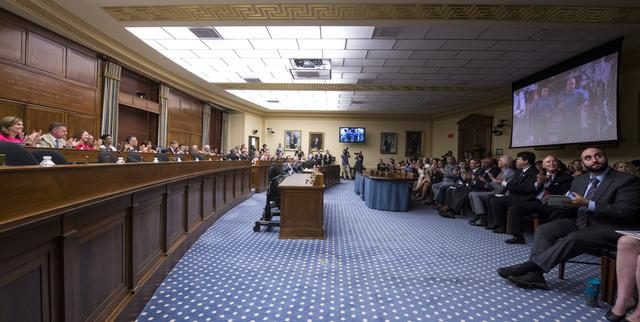
NASA vs ESA vs CNSA: How the Space Agencies Compare
NASA, ESA and CNSA represent different ways of organising space exploration. Their budgets, responsibilities and partnerships matter more than a simple ranking.
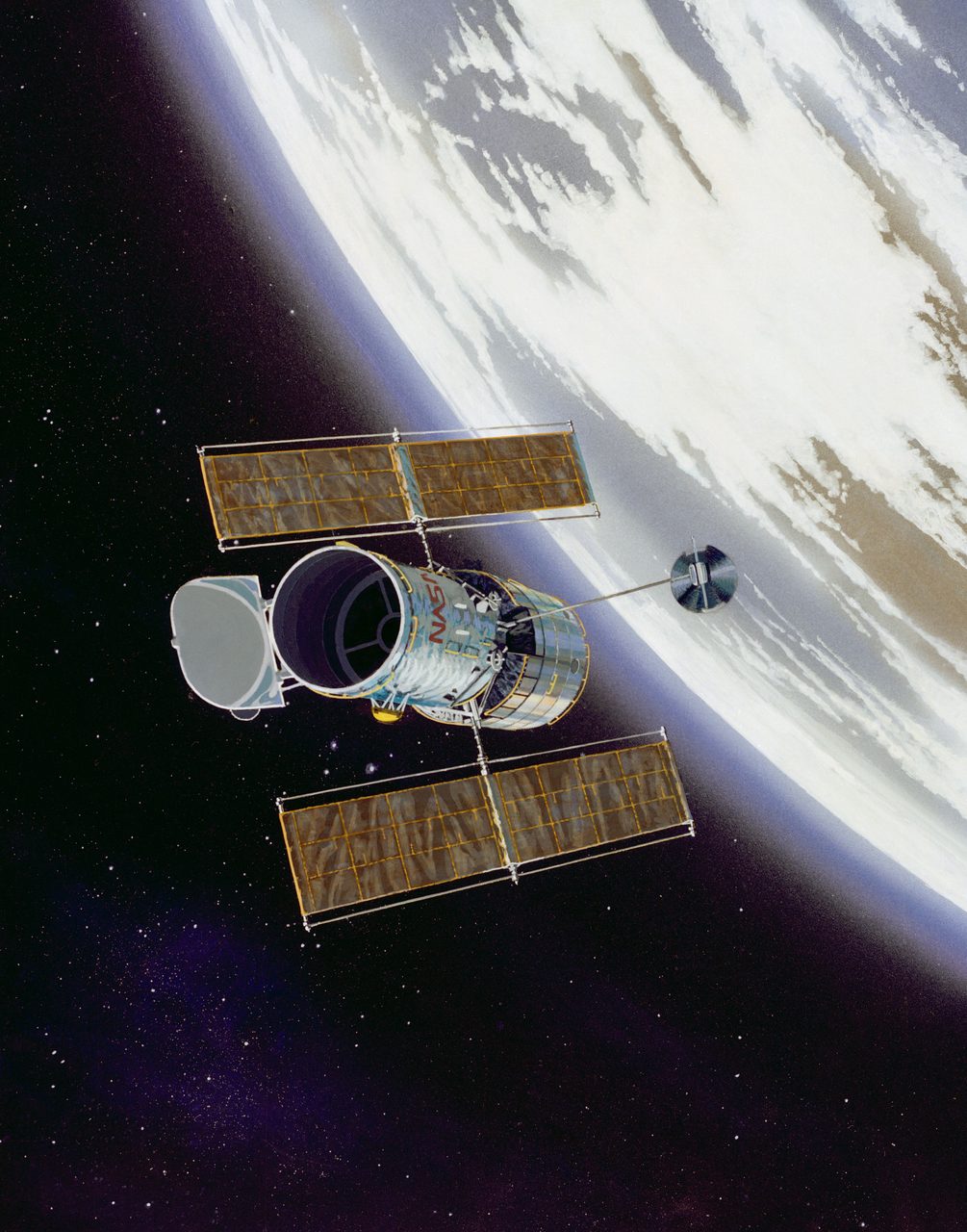
NASA Considers Hubble Reboost Amid ISS Challenges
NASA explores cost-effective options for a Hubble reboost as ISS faces air leak challenges. Blue Origin focuses on future missions.
ISS Crew Takes Shelter Amid Russian Segment Leak
ISS crew members took shelter following an air leak in the Russian segment. Blue Origin remains focused on future missions despite New Glenn anomaly.
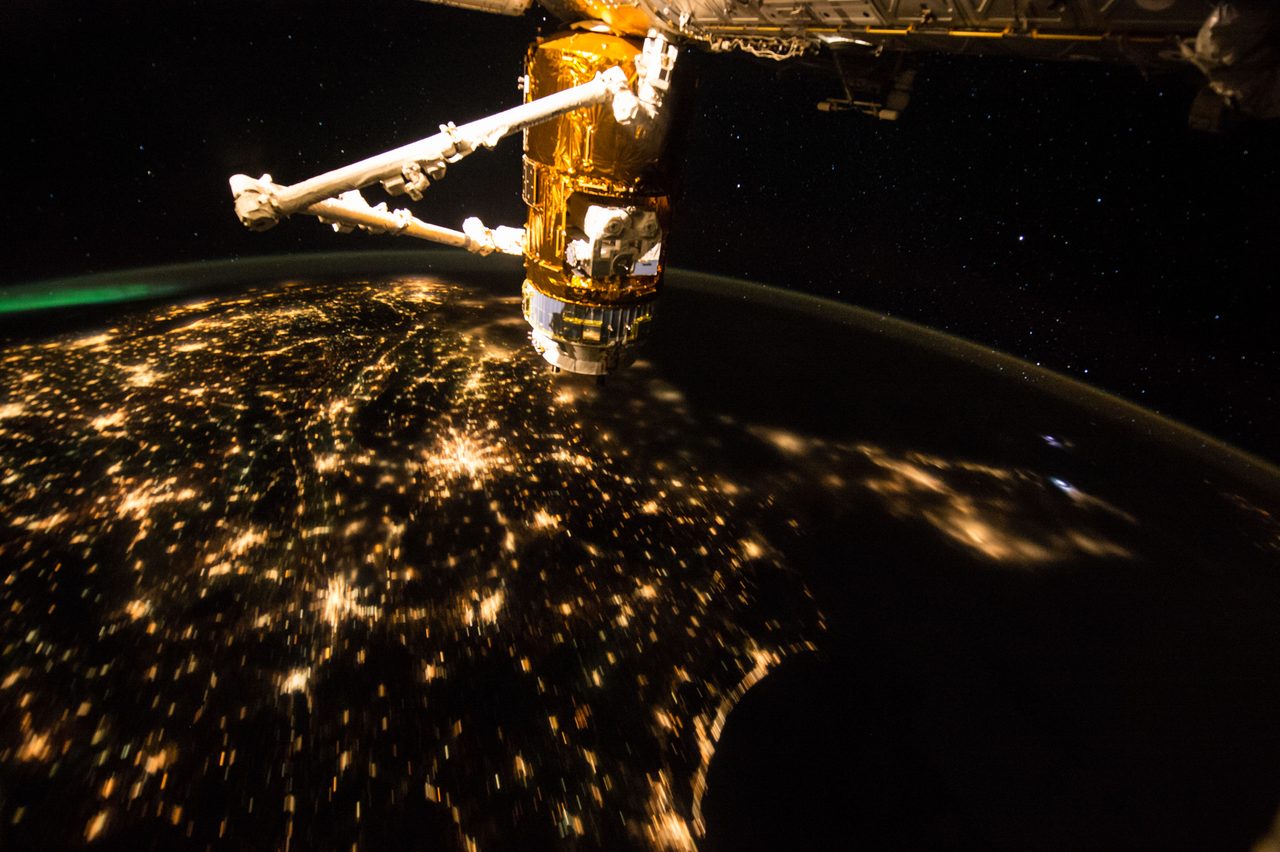
Why Does the ISS Need to Be Reboosted?
Thin air still slows the ISS near 400 km above Earth. Periodic engine burns replace lost orbital energy and keep the station at a useful operating altitude.