Space News Mission Log — Satellite Launches, Orbital Events & Analysis
Daily space news, satellite launch reports, orbital debris analysis and weekly roundups — grounded in live tracking data from our network monitoring 44 published reports.
Space Debris: Understanding the Growing Threat in Orbit
Space debris refers to defunct human-made objects in orbit that pose collision risks to spacecraft and satellites.

Understanding Kessler Syndrome: Space Debris Chain Reaction
Kessler Syndrome describes a scenario where space debris collisions create a self-sustaining cascade, threatening orbital operations.
Who Tracks Space Debris? Inside the Global Surveillance Network
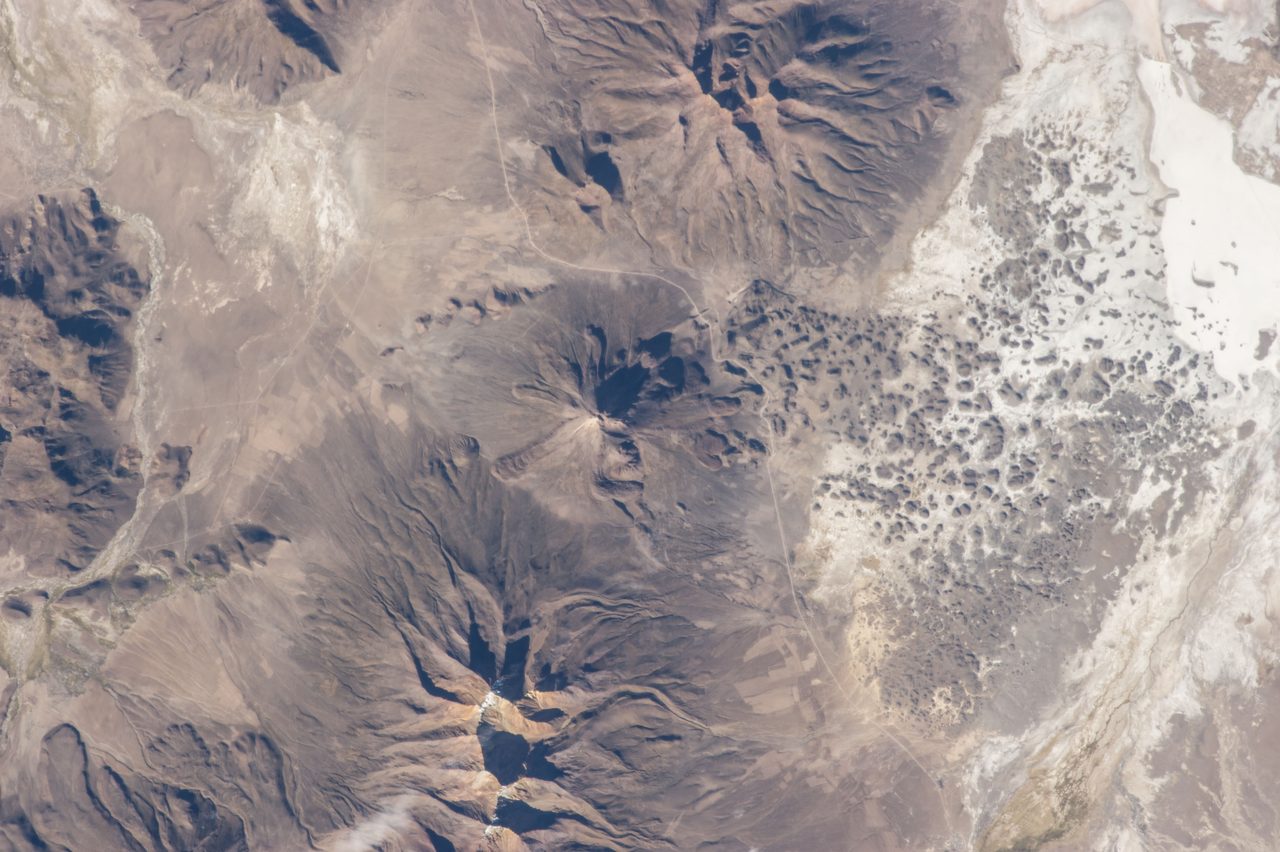
Space debris is tracked by a global network of agencies monitoring 28,886 objects, ensuring orbital safety and sustainability.
Active Debris Removal: Technologies Cleaning Up Space
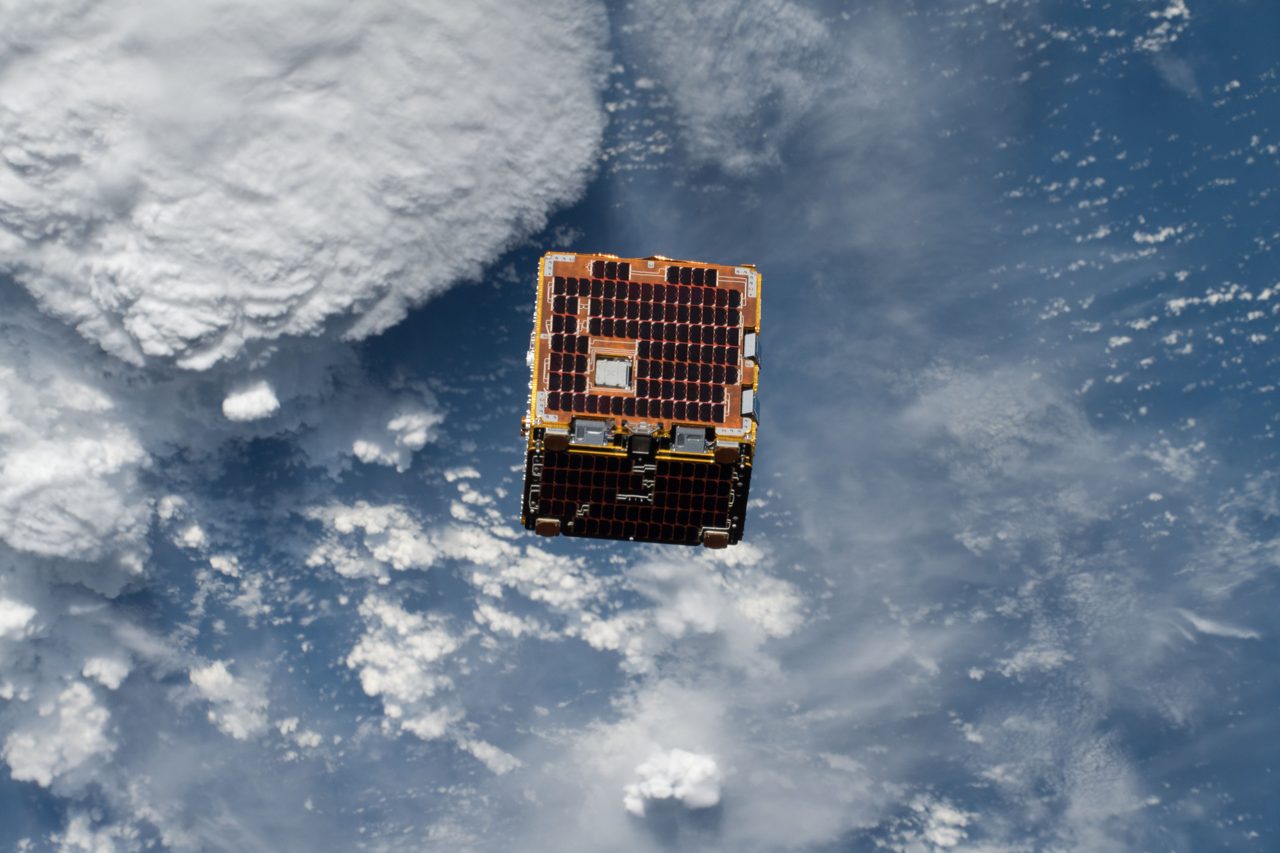
Active debris removal involves technologies designed to clean up space junk, ensuring sustainable orbits for future missions.
How Many Satellites Are in Orbit: A Comprehensive Guide
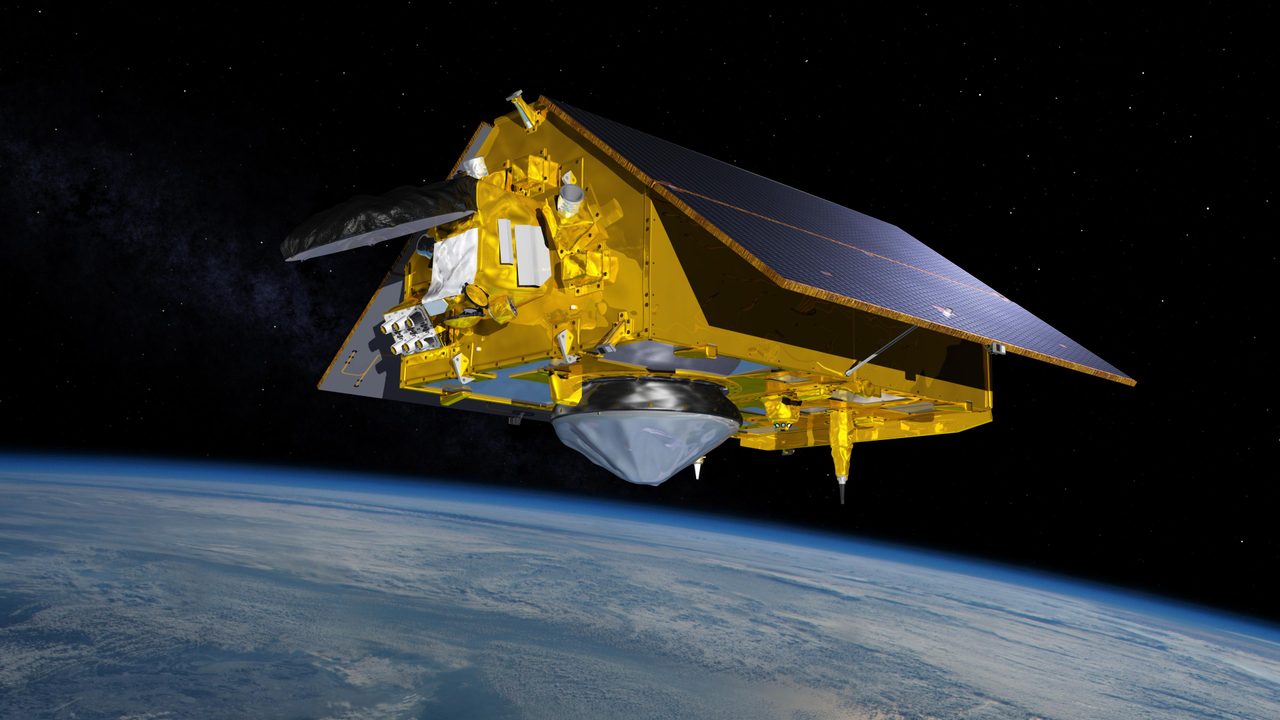
As of 2026, there are 17,907 active satellites in orbit, with a total of 28,248 catalogued objects including debris.
Close Approach Alert: Objects B and C Near Miss in Orbit
A close approach between two space objects, designated as OBJECT B and OBJECT C, occurred on 30 June 2026 at 00:30 UTC. The minimum distance between the two was approximately 1.37 kilometres, which is considered a medium-severity conjunction.
Exploring Space: Insights from Orbital Radar Academy
Orbital Radar Academy offers comprehensive education on satellite tracking, orbital dynamics, and space debris management, equipping learners with essential space knowledge.
Understanding Orbital Decay: Why Satellites Fall to Earth
Orbital decay occurs when a satellite's orbit decreases over time due to atmospheric drag and gravitational forces, eventually leading to re-entry.
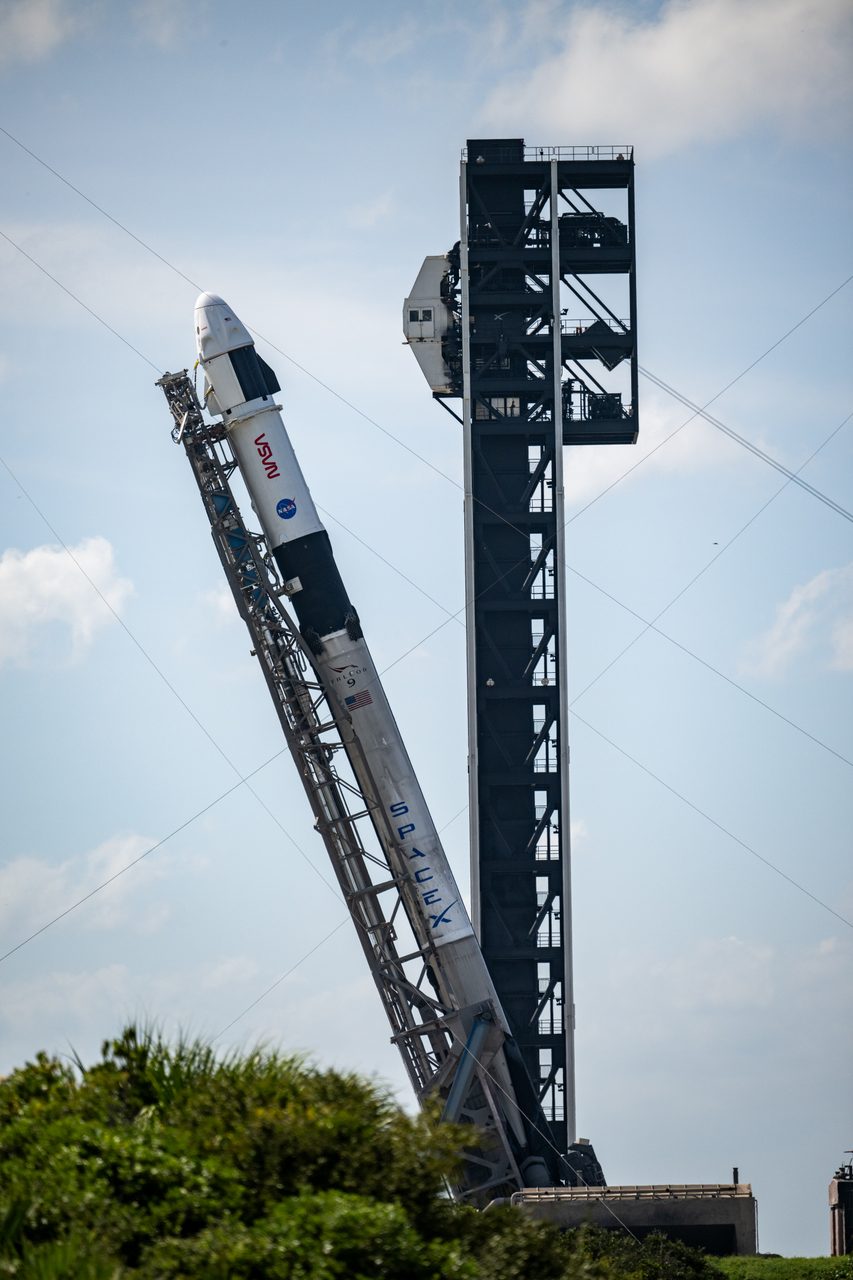
SpaceX IPO Boosts Market; Artemis Lander Plans Evolve
SpaceX's IPO sees shares rise 20%, marking a financial milestone. NASA refines Artemis lunar lander plans amid close satellite approaches.
Satellite Spotlight: COSMOS 1408 — The 2021 Russian ASAT Test Debris Field
COSMOS 1408 was a Soviet military satellite launched on 16 September 1982. It was part of the Tselina-D series, designed for electronic intelligence gathering.
Satellite Spotlight: COSMOS 1408 — The 2021 Russian ASAT Test Debris Field
COSMOS 1408, also known by its NORAD ID 13552, was a Soviet-era electronic signals intelligence satellite launched on 16 September 1982. It was part of the Tselina-D series, designed to monitor electronic communications and radar emissions from Earth.
Close Approach of QIANFAN Satellites: Assessing the Risks and Implications
On 12 June 2026, two satellites from the QIANFAN series, QIANFAN-169 (NORAD ID: 69386) and QIANFAN-182 (NORAD ID: 69399), experienced a close approach event. The minimum predicted distance between the two satellites was approximately 1.67 kilometres.