Space News Mission Log — Satellite Launches, Orbital Events & Analysis
Daily space news, satellite launch reports, orbital debris analysis and weekly roundups — grounded in live tracking data from our network monitoring 298 published reports.
Space Debris: Understanding the Growing Threat in Orbit
Space debris refers to defunct human-made objects in orbit, posing risks to satellites and space missions.

Who Tracks Space Debris? Inside the Global Network
Military surveillance networks, civilian agencies and commercial firms share the task of tracking space debris. Here is how their observations become collision warnings.
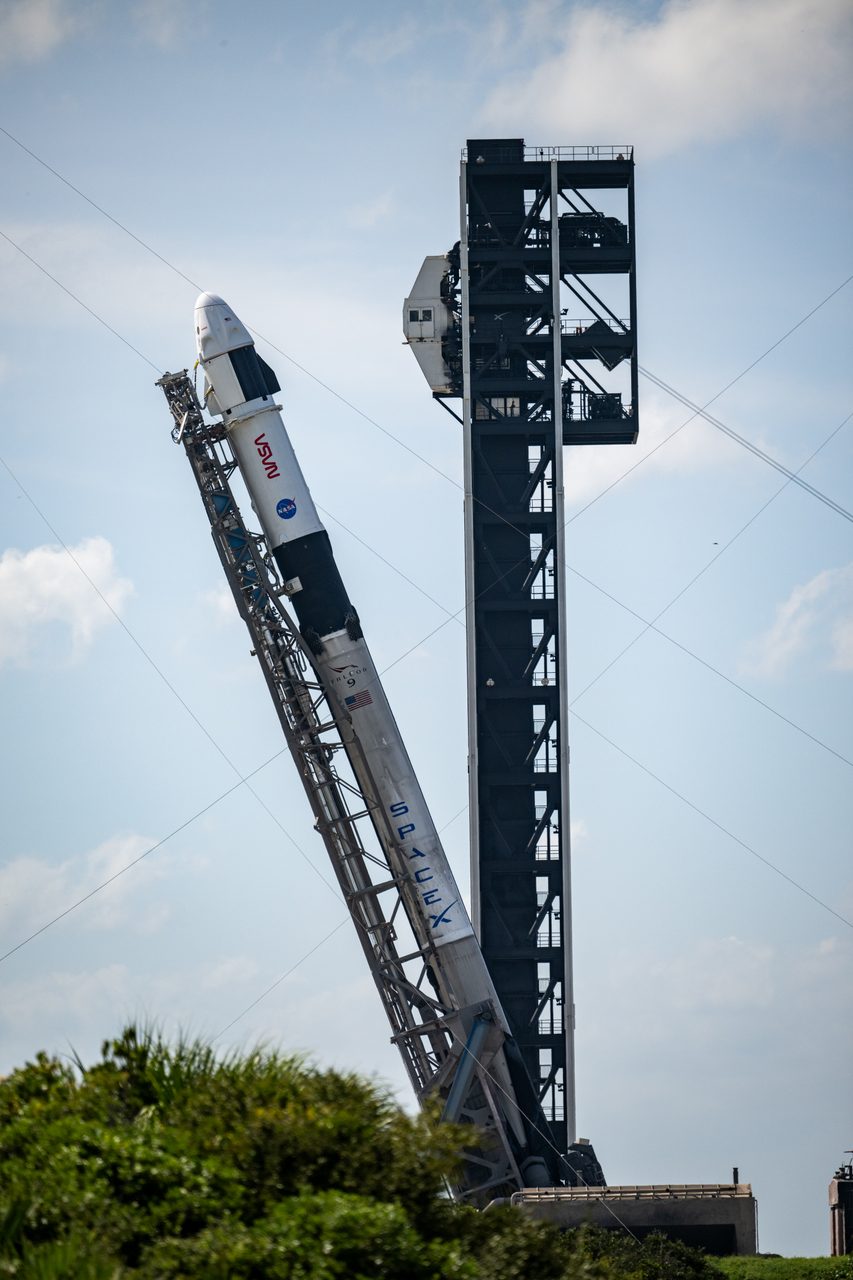
SpaceX Launches Classified NRO Payload Amidst Rising Space Debris Concerns
SpaceX launches a classified payload for the NRO, while astronomers warn of invisible debris in geosynchronous orbit. The Roman Space Telescope is set for an August launch.
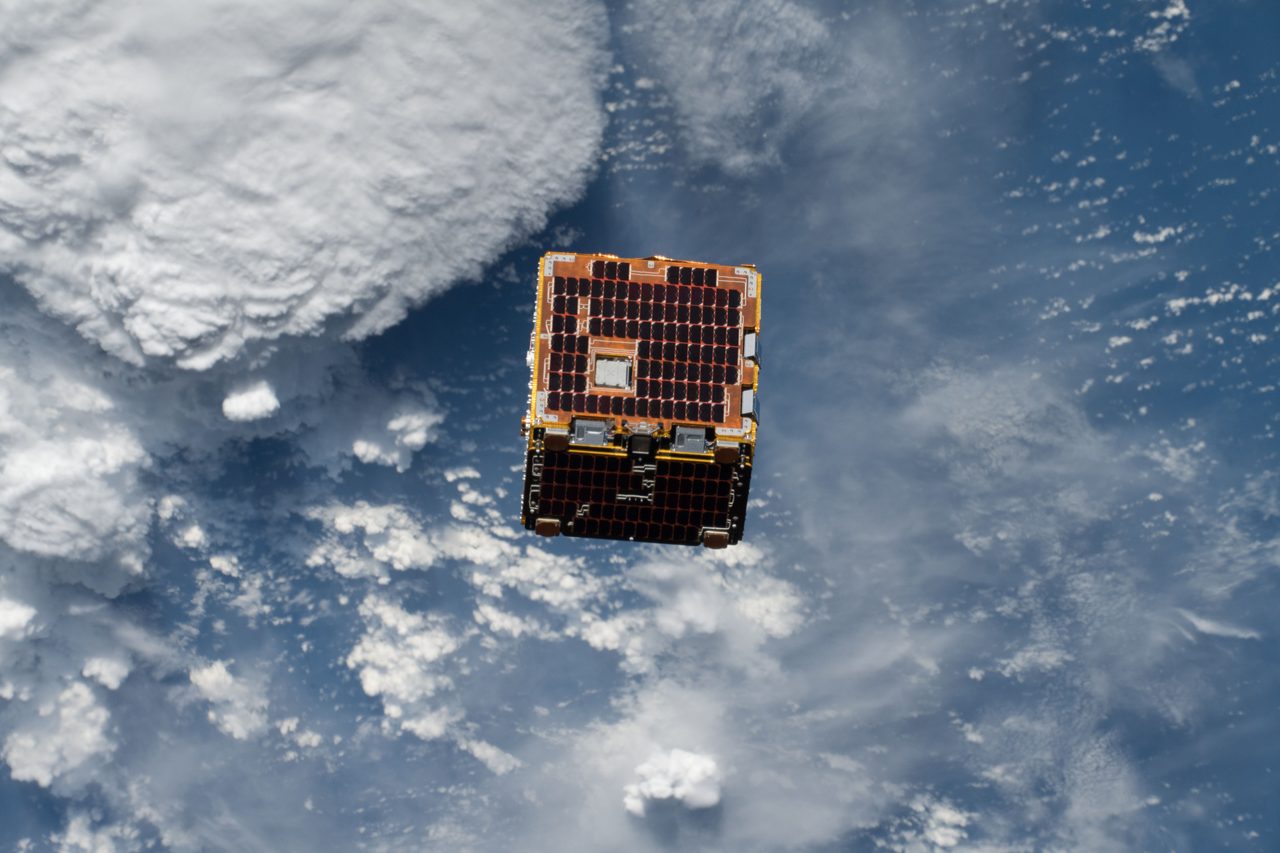
Active Debris Removal: Technologies Cleaning Up Space
Active debris removal involves technologies designed to clean up space junk, ensuring sustainable orbits for future missions.

Understanding Kessler Syndrome: Space Debris Chain Reaction
Kessler syndrome refers to a scenario where space debris collisions create more debris, increasing collision risks exponentially.
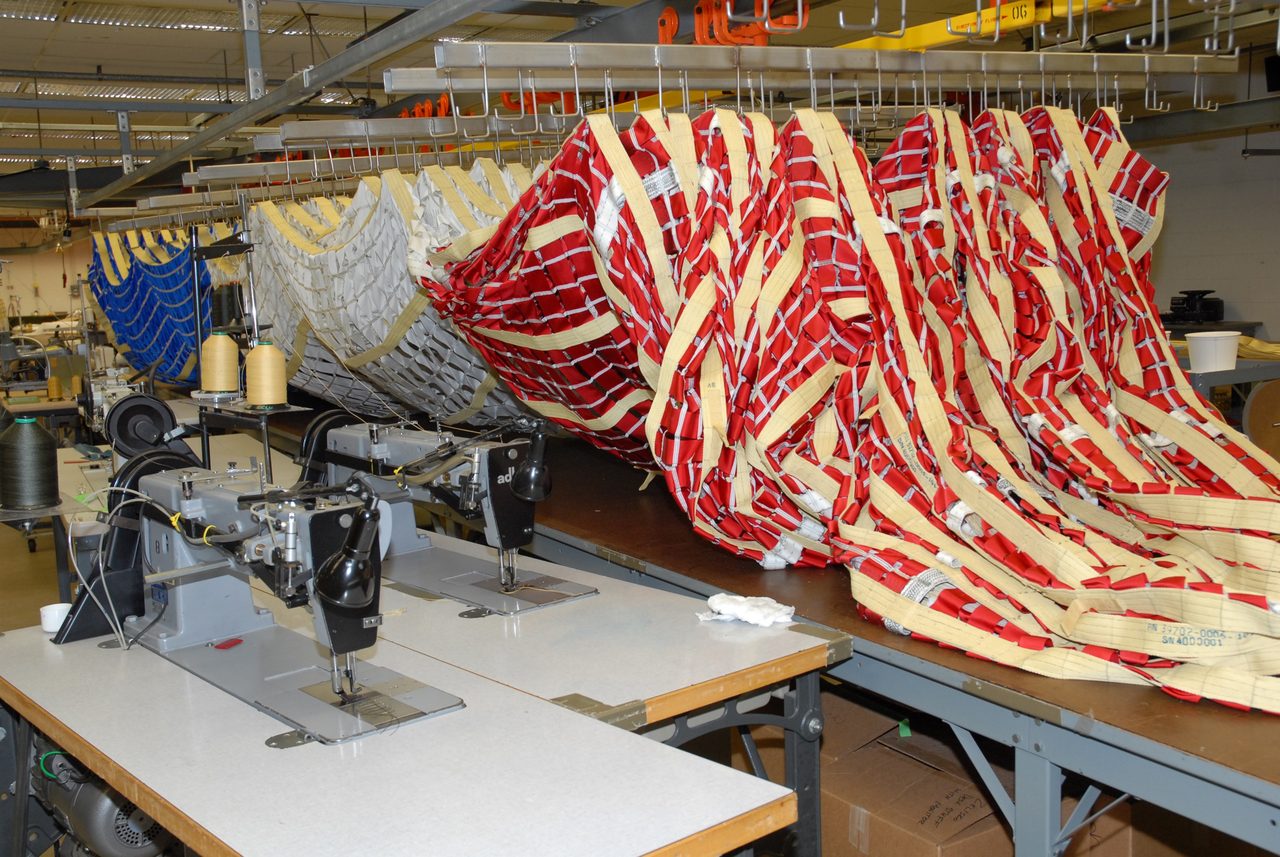
Understanding Rocket Body Debris in Earth's Orbit
Rocket body debris refers to the remnants of launch vehicles left in orbit, contributing significantly to space debris and posing collision risks.
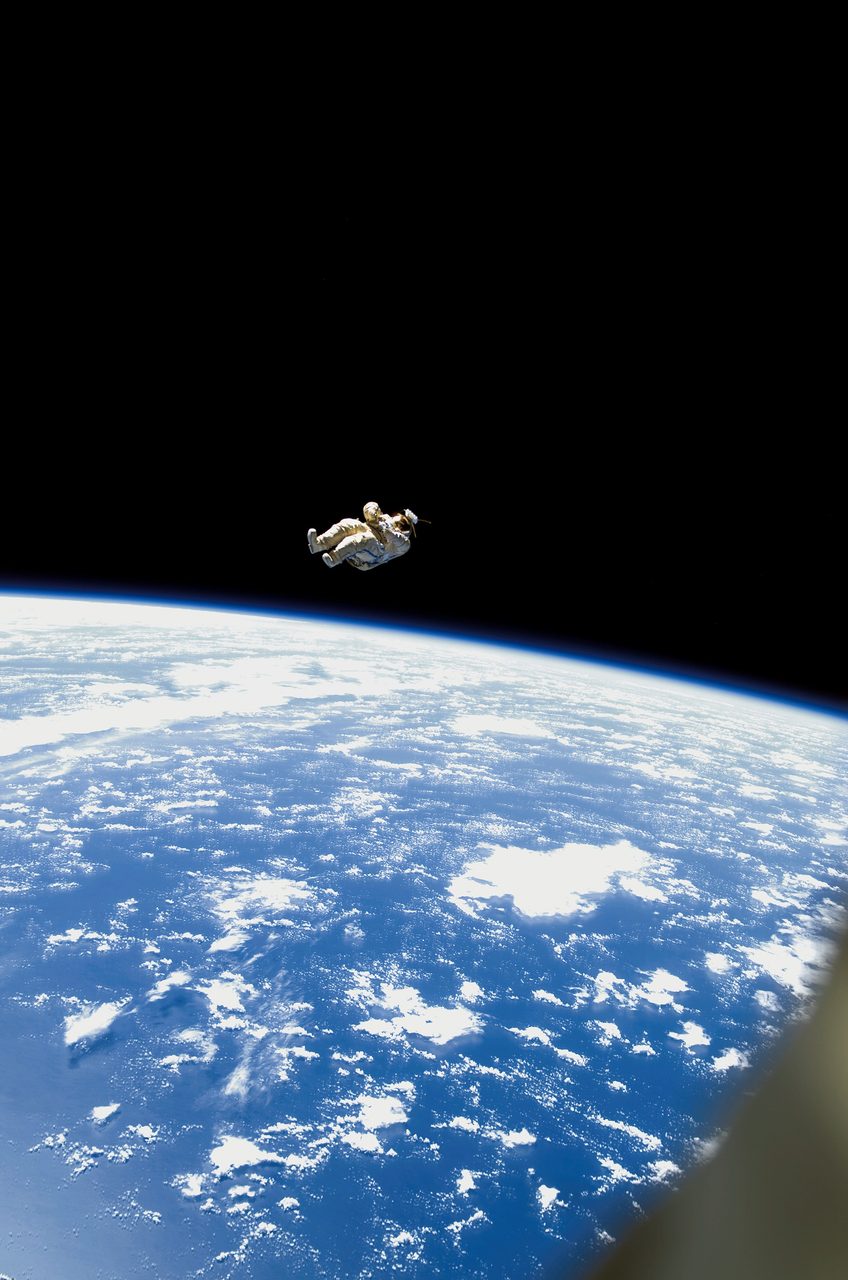
How Many Starlink Satellites Fall Each Day?
1.5 Starlink satellites re-enter Earth's atmosphere each day, according to Orbital Radar data. Explore the reasons behind these controlled re-entries.
Space Fence Radar: How the US Tracks Objects in Orbit
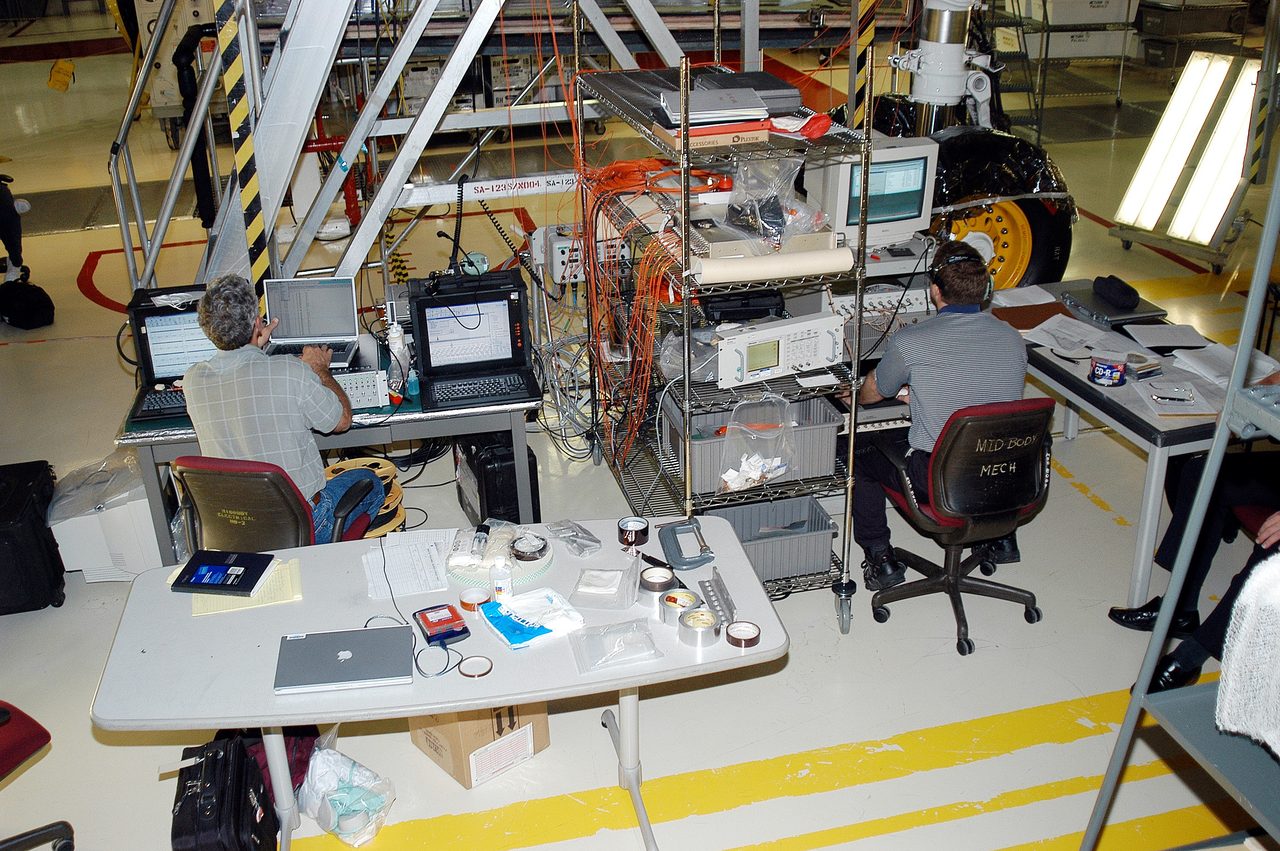
The US Space Force’s Space Fence radar detects satellites and debris from Kwajalein Atoll. Here is how those measurements help operators assess collision risks.
Space Sustainability: Ensuring the Future of Orbital Operations
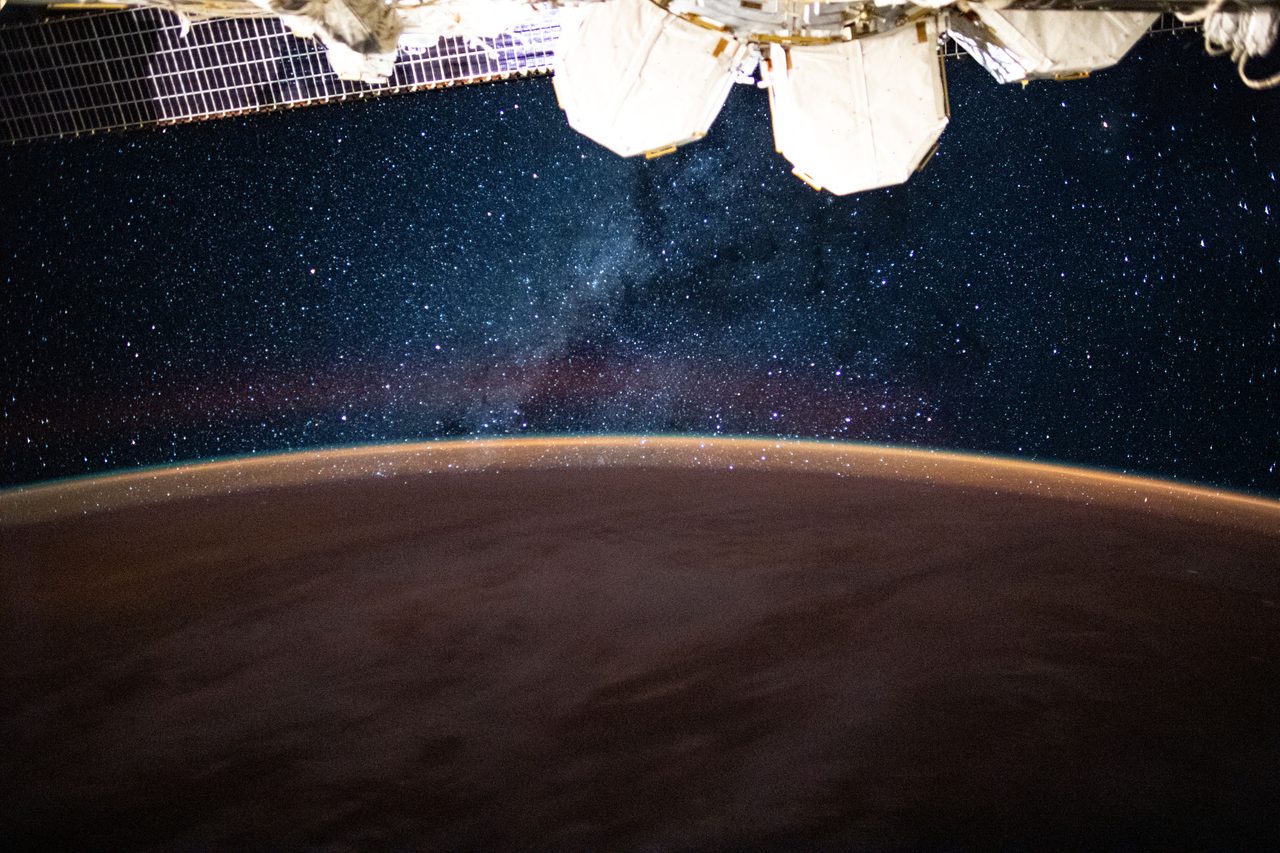
Space sustainability involves managing the growing number of satellites and debris to ensure long-term usability of Earth's orbits.
The Cosmos-Iridium Collision: A Landmark Satellite Crash
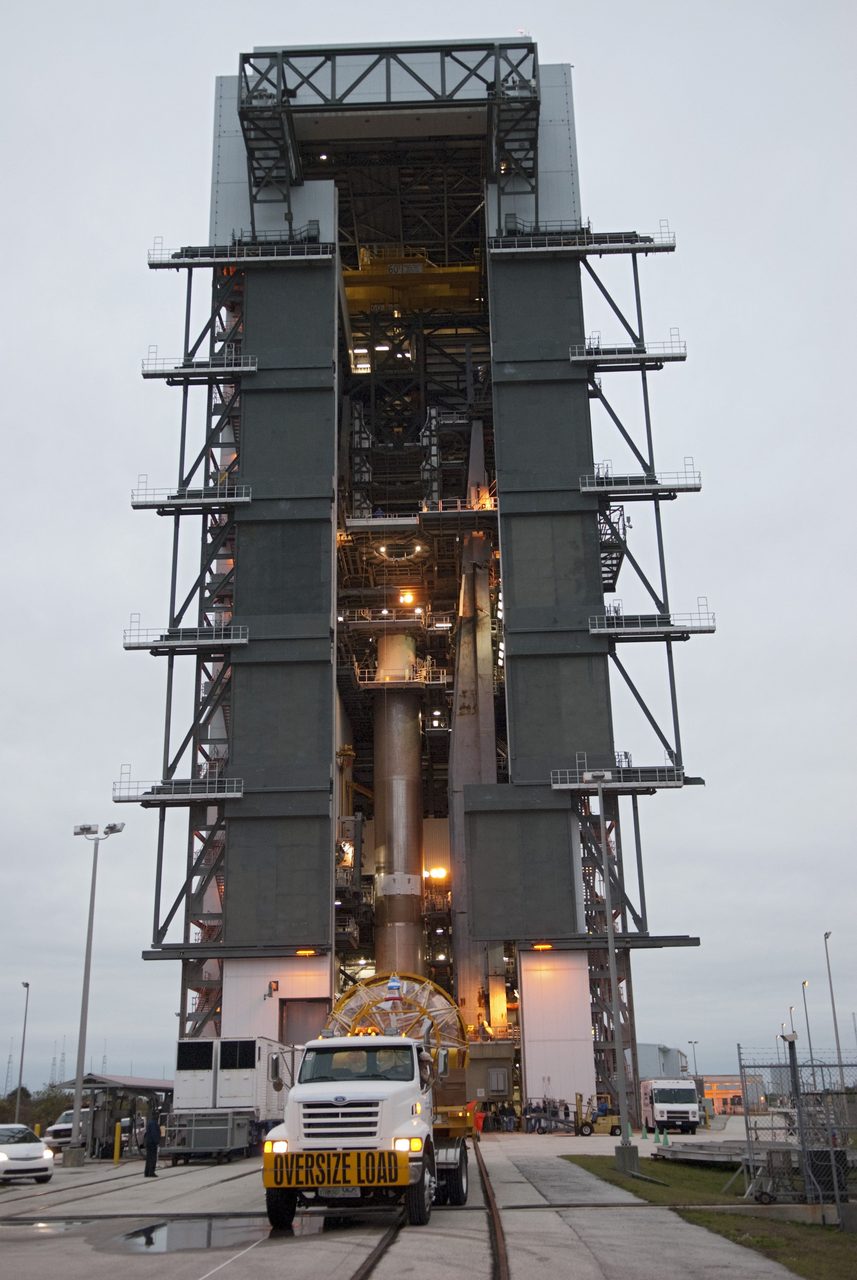
The Cosmos-Iridium collision in 2009 marked the first major satellite crash, significantly impacting space debris management and satellite operations.
Understanding Orbital Decay: Why Satellites Fall to Earth
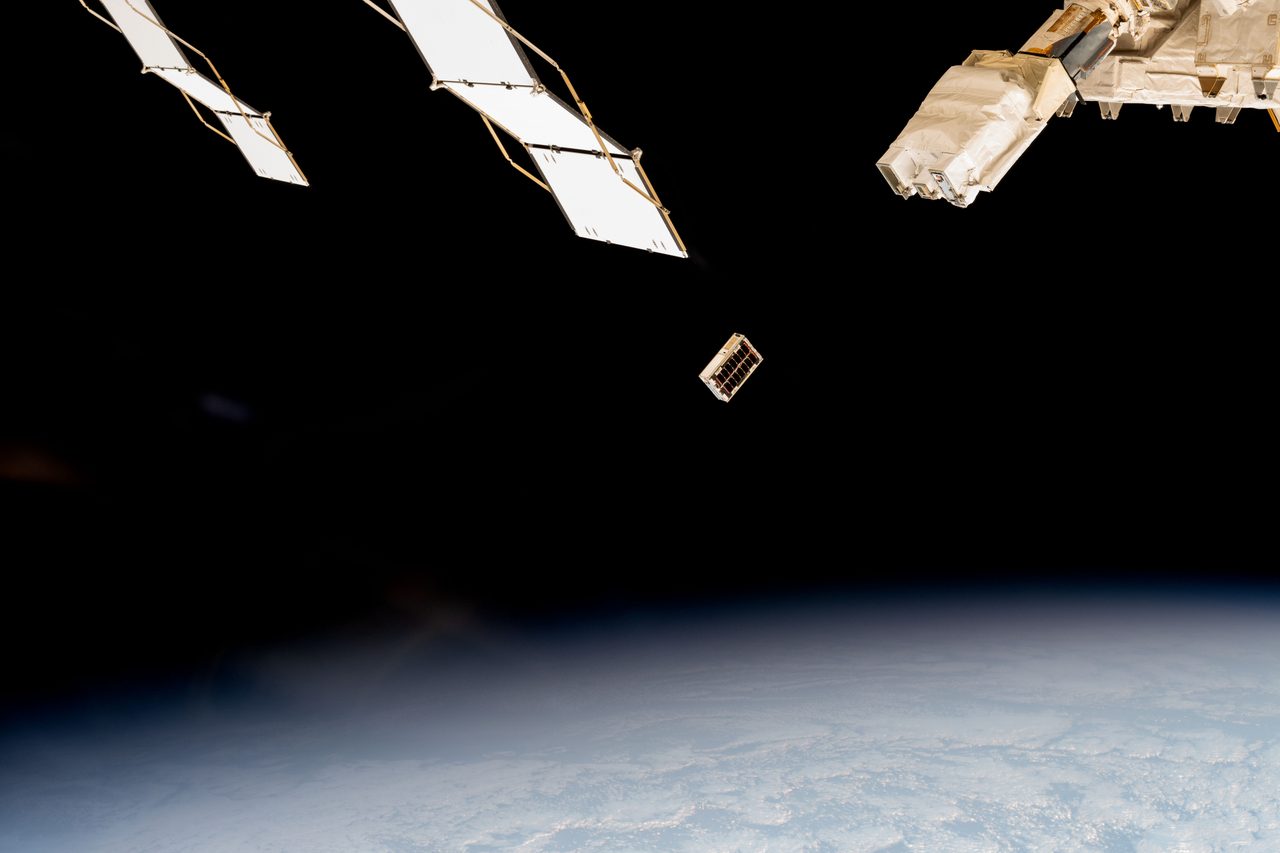
Orbital decay is the gradual reduction of a satellite's orbit due to atmospheric drag and gravitational forces, leading to eventual reentry.
Exploring Space: Insights from Orbital Radar Academy
Orbital Radar Academy offers comprehensive education on satellite tracking, orbital dynamics, and space debris management, equipping learners with essential space knowledge.