SpaceX Launches Classified NRO Payload Amidst Rising Space Debris Concerns
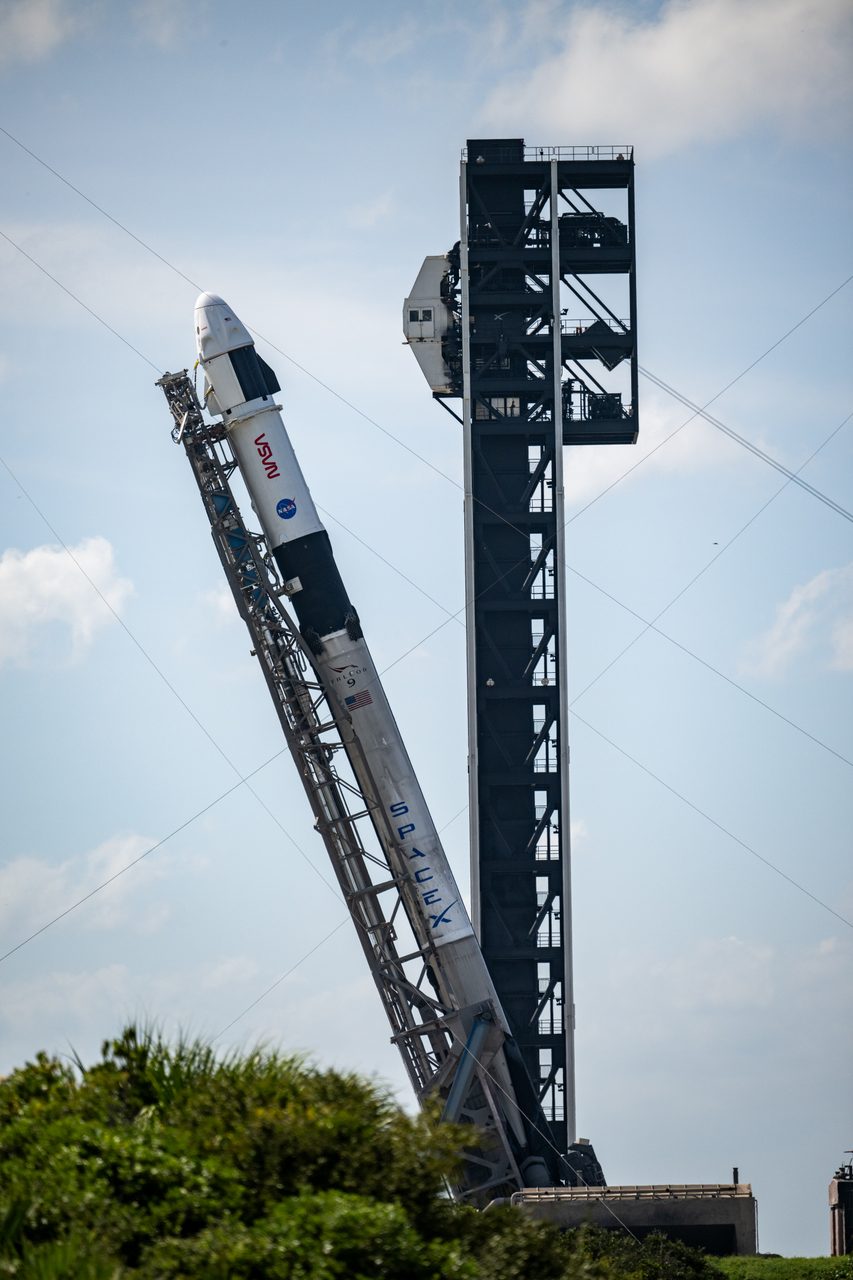
SpaceX launches a classified payload for the NRO, while astronomers warn of invisible debris in geosynchronous orbit. The Roman Space Telescope is set for an August launch.
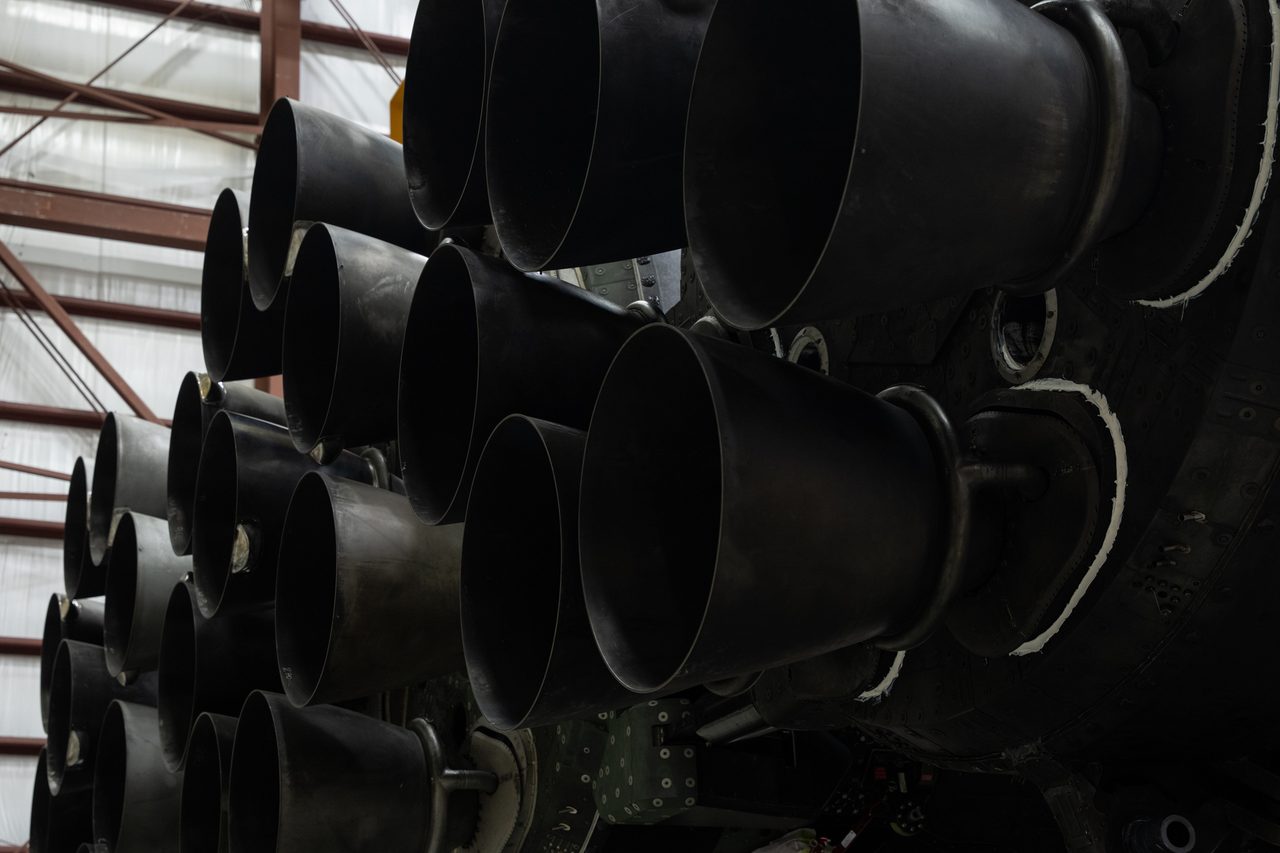
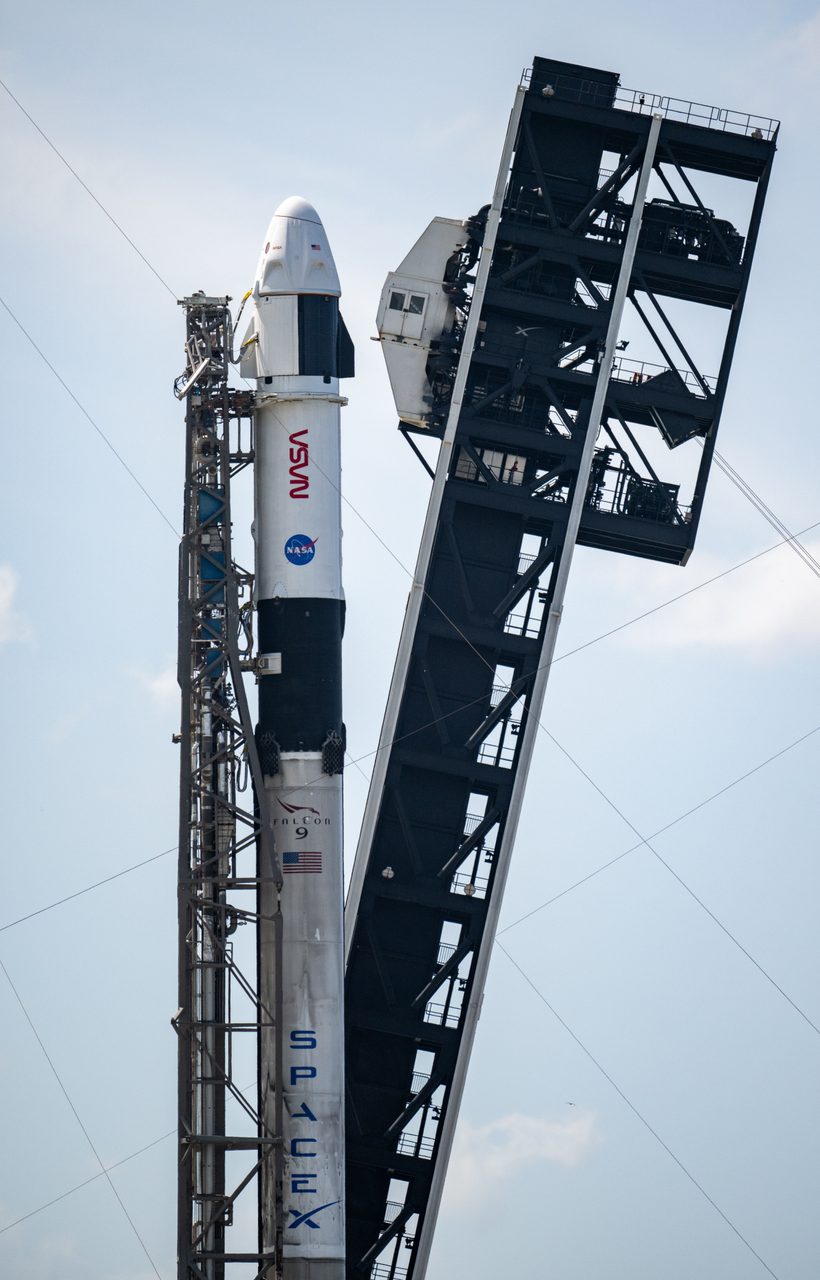
SpaceX successfully launched a classified payload for the National Reconnaissance Office (NRO) today. The mission, designated NROL-91, lifted off from Cape Canaveral Space Force Station aboard a Falcon 9 rocket. The specifics of the payload remain undisclosed, as is typical for NRO missions, which often involve surveillance and national security objectives. This launch adds to the growing number of active satellites, currently totalling 18,356, as tracked in our Satellite Library.
Invisible Debris Threatens Geosynchronous Orbit

Astronomers have raised alarms about invisible space debris threatening geosynchronous orbit, a critical region for communications and weather satellites. Using a technique called 'blind stacking', researchers have identified previously undetectable debris that could pose collision risks. Geosynchronous orbit, with its stable position relative to Earth, is home to many vital satellites, making debris management essential. The Debris Map provides ongoing tracking of such objects.
Roman Space Telescope Prepares for Launch
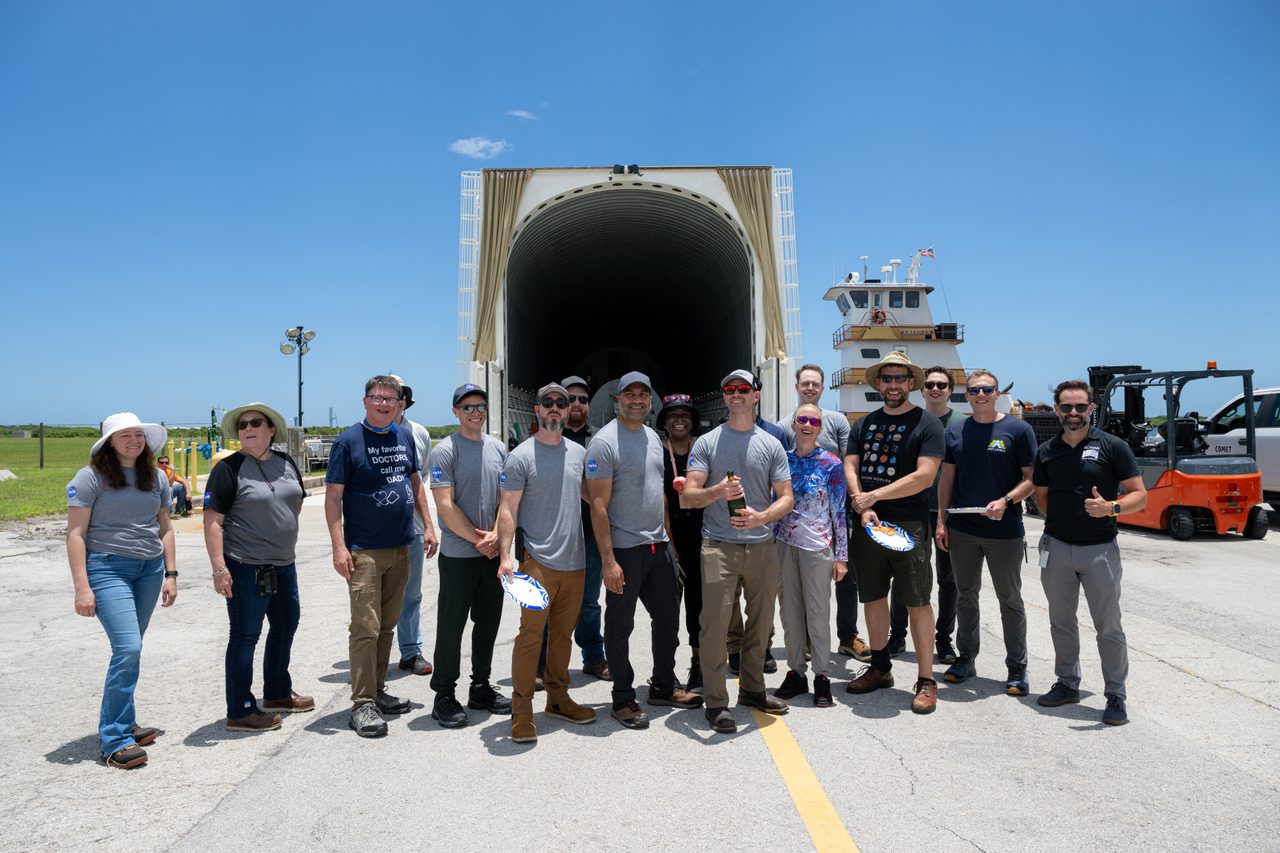
NASA's Roman Space Telescope is slated for launch on 30 August 2026. This next-generation observatory aims to explore the mysteries of dark energy, exoplanets, and infrared astronomy. The telescope's advanced capabilities promise to deliver unprecedented insights into the cosmos, continuing the legacy of the Hubble and James Webb telescopes. For those interested in upcoming launches, our Launch Schedule offers detailed information.
What to Watch
As we look ahead, the imminent launch of the Roman Space Telescope on 30 August is a key event for the scientific community. Additionally, the ongoing monitoring of close approaches, such as the recent near-miss between WISDOM-A and NAHLA at approximately 1.21 km, underscores the importance of vigilant space traffic management. These events highlight the dynamic and sometimes precarious nature of space operations.
Frequently Asked Questions
What is the purpose of the NRO's classified payload launched by SpaceX?
Why is geosynchronous orbit important?
📎 Cite this article
Orbital Radar Newsroom. (2026). SpaceX Launches Classified NRO Payload Amidst Rising Space Debris Concerns. Orbital Radar. https://orbitalradar.com/blog/orbital-briefing-2026-05-13"SpaceX Launches Classified NRO Payload Amidst Rising Space Debris Concerns." Orbital Radar, 13 May 2026, https://orbitalradar.com/blog/orbital-briefing-2026-05-13.@misc{orbitalradar_orbital_briefing_2026_05_13,
title = {SpaceX Launches Classified NRO Payload Amidst Rising Space Debris Concerns},
author = {{Orbital Radar}},
year = {2026},
howpublished = {\url{https://orbitalradar.com/blog/orbital-briefing-2026-05-13}}
}