Live Planets
Where every planet is right now: live distances from Earth, how long their light takes to reach us, and which ones you can see tonight from where you are.
LivePositions for
The planets in their real places around the Sun right now. Distances squeezed so everything fits; planets drawn larger. Click or tap a planet to open its live page.
Every planet right now
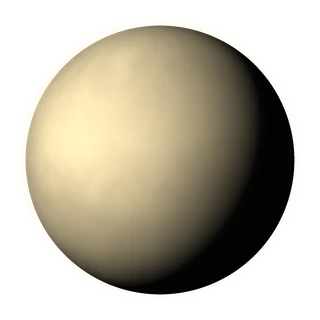
 Mercuryin LibraFrom Earth: 174,975,562kmLight9 min 44 sTonight: Morning skyComing up: Superior conjunction
 Venusin VirgoFrom Earth: 61,233,207kmLight3 min 24 sTonight: Morning skyComing up: Greatest elongation
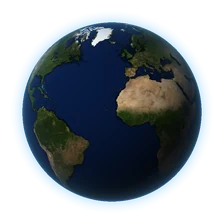 EarthYou are hereEvery distance on this chart is measured from hereLive Earth globe
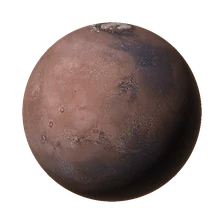 Marsin LeoFrom Earth: 179,542,361kmLight9 min 59 sTonight: After midnightComing up: Opposition
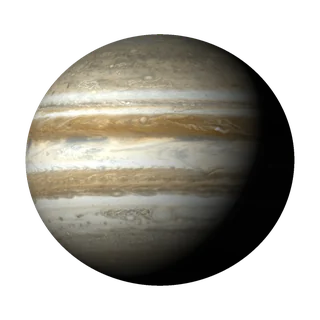
 Jupiterin LeoFrom Earth: 758,938,355kmLight42 min 12 sTonight: After midnightComing up: Opposition
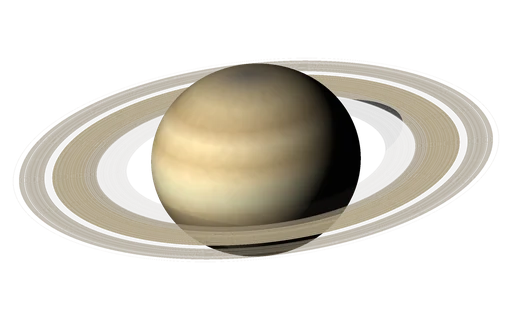
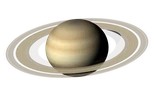 Saturnin CetusFrom Earth: 1,325,250,317kmLight1 h 13 min 41 sTonight: Evening skyComing up: Conjunction
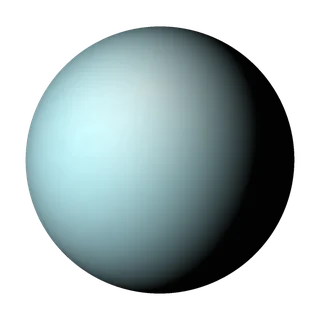
 Uranusin TaurusFrom Earth: 2,759,310,001kmLight2 h 33 min 24 sTonight: Up all nightComing up: Conjunction
 Neptunein PiscesFrom Earth: 4,404,061,901kmLight4 h 04 min 50 sTonight: Evening skyComing up: Conjunction
 PlutoDwarf planet, in CapricornusFrom Earth: 5,411,410,387kmLight5 h 00 min 51 sTonight: Evening skyComing up: Conjunction
Live distances from the centre of Earth, updating every second. The bars use a squeezed scale, each step ten times farther, so every planet fits. Light time is how long each planet's light takes to reach us.
Explore each planet
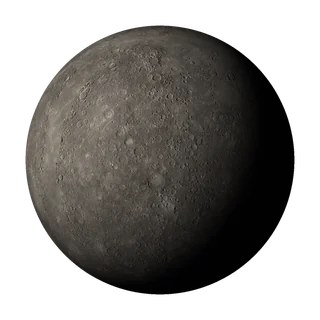
- From Earth
- 175.0 million km
- Light time
- 9 min
- In the sky
- Libra
- Superior conjunction
- 1 January 2027
- From Earth
- 61.2 million km
- Light time
- 3 min
- In the sky
- Virgo
- Greatest elongation
- 3 January 2027
- From Earth
- 758.9 million km
- Light time
- 42 min
- In the sky
- Leo
- Opposition
- 11 February 2027
- From Earth
- 1.33 billion km
- Light time
- 1 h 13 min
- In the sky
- Cetus
- Conjunction
- 7 April 2027
- From Earth
- 2.76 billion km
- Light time
- 2 h 33 min
- In the sky
- Taurus
- Conjunction
- 27 May 2027
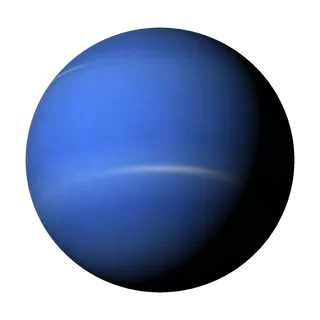
- From Earth
- 4.40 billion km
- Light time
- 4 h 04 min
- In the sky
- Pisces
- Conjunction
- 24 March 2027
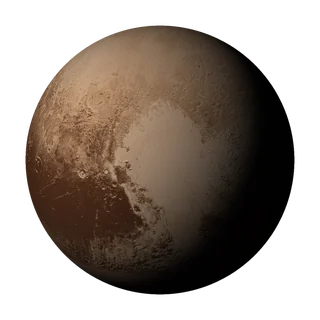
- From Earth
- 5.41 billion km
- Light time
- 5 h 00 min
- In the sky
- Capricornus
- Conjunction
- 25 January 2027
Live 3D globes
What you can see tonight
Choose a place to see tonight's times
- MercuryMorning sky, before sunriseChoose a place for the times where you are
- VenusMorning sky, before sunriseChoose a place for the times where you are
- MarsRises in the evening, best after midnightChoose a place for the times where you are
- JupiterRises in the evening, best after midnightChoose a place for the times where you are
- SaturnEvening sky, sets after midnightChoose a place for the times where you are
- UranusOpposite the Sun: up all nightChoose a place for the times where you are
- NeptuneEvening sky, sets after midnightChoose a place for the times where you are
- PlutoEvening sky, after sunsetChoose a place for the times where you are
Times are worked out for the place in the box. "Visible" means at least 7° above the horizon while the sky is dark. Most planets look like bright stars that do not twinkle.
Frequently Asked Questions
Cite this page
Pick a style, then copy it or download it for your reference manager.Orbital Radar. (2026, November 28). Live Planets: Where Every Planet Is Right Now. Retrieved November 28, 2026, from https://orbitalradar.com/planets
“Live Planets: Where Every Planet Is Right Now.” Orbital Radar, 28 Nov. 2026, orbitalradar.com/planets. Accessed 28 Nov. 2026.
Orbital Radar (2026) Live Planets: Where Every Planet Is Right Now. Available at: https://orbitalradar.com/planets (Accessed: 28 November 2026).
Orbital Radar. “Live Planets: Where Every Planet Is Right Now.” Last modified November 28, 2026. https://orbitalradar.com/planets.
@misc{orbitalradar_planets,
  author       = {{Orbital Radar}},
  title        = {Live Planets: Where Every Planet Is Right Now},
  year         = {2026},
  month        = nov,
  howpublished = {\url{https://orbitalradar.com/planets}},
  url          = {https://orbitalradar.com/planets},
  urldate      = {2026-11-28},
  note         = {Accessed 2026-11-28}
}
TY - ELEC AU - Orbital Radar, TI - Live Planets: Where Every Planet Is Right Now PY - 2026 DA - 2026/11/28 PB - Orbital Radar UR - https://orbitalradar.com/planets Y2 - 2026/11/28 LA - en ER -
Live figures change, so keep the date you accessed the page. How to cite Orbital Radar