How Long Do Satellites Last? A Comprehensive Guide
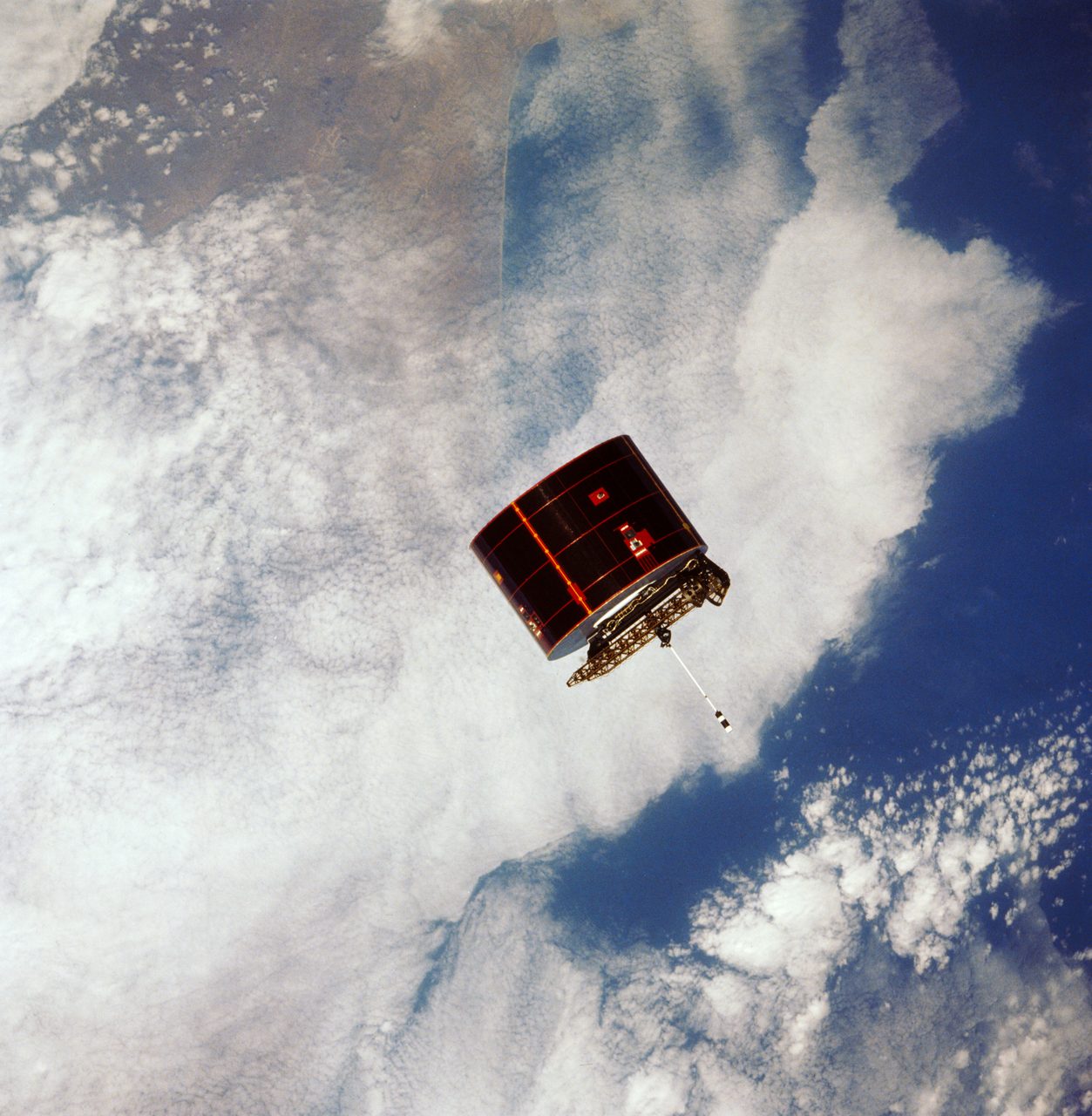
Satellites typically last between 5 to 15 years, depending on their mission and orbit. Factors like orbital decay and technological obsolescence play key roles.
| Active satellites | 15,734 |
| Starlink active | 10,015 |
| Catalogued objects | 31,254 |
| Active close approaches | 19 |
| People in space | 10 |
Satellites are designed to operate effectively for a specific period, generally ranging from 5 to 15 years. This duration depends on various factors including their orbital altitude, mission objectives, and technological advancements. As of now, 15,734 active satellites are orbiting Earth, according to Orbital Radar's live catalogue.
What Determines a Satellite's Lifespan?

The lifespan of a satellite is primarily determined by its mission design, orbital environment, and onboard systems. Low Earth Orbit (LEO) satellites, like many of the 10,015 operational Starlink satellites, often have shorter lifespans due to atmospheric drag. In contrast, Geostationary Orbit (GEO) satellites can last longer, as they reside in a more stable environment.
How Does Orbital Decay Affect Satellites?

Orbital decay is a process where a satellite's altitude decreases over time due to gravitational forces and atmospheric drag. This is particularly significant for satellites in LEO, which experience more atmospheric resistance. Orbital decay can be monitored using tools like Orbital Radar's orbital decay page.
Technological Obsolescence and Satellite Longevity

Technological advancements can render satellites obsolete before their physical end of life. As new technologies emerge, older satellites may no longer meet mission requirements. This is evident in the rapid evolution of communication satellites, where newer models offer enhanced capabilities.
The Role of Space Debris
Space debris poses a significant risk to satellite longevity. With 31,250 tracked objects, including 9,912 pieces of debris, collisions are a concern. Satellites must often perform avoidance manoeuvres, which can deplete onboard fuel and reduce operational life. The space debris map provides insights into current debris distribution.
End-of-Life Strategies for Satellites
At the end of their operational life, satellites are often deorbited or moved to a 'graveyard orbit'. This helps mitigate space debris. For instance, 215 Starlink satellites are currently in the process of deorbiting. Understanding these strategies is crucial for sustainable space operations.
Key Takeaways
Satellite lifespan is influenced by mission design, orbital environment, and technological factors. While most satellites last between 5 to 15 years, advancements in technology and increasing space debris are reshaping these expectations. For more detailed information, explore the satellite directory.
Frequently Asked Questions
How long do communication satellites last?
What is the lifespan of a weather satellite?
Why do some satellites have shorter lifespans?
How is satellite lifespan extended?
What happens to satellites at the end of their life?
📎 Cite this article · data available
Orbital Radar Newsroom. (2026). How Long Do Satellites Last? A Comprehensive Guide. Orbital Radar. https://orbitalradar.com/blog/satellite-lifespan-explainer"How Long Do Satellites Last? A Comprehensive Guide." Orbital Radar, 1 October 2026, https://orbitalradar.com/blog/satellite-lifespan-explainer.@misc{orbitalradar_satellite_lifespan_explainer,
title = {How Long Do Satellites Last? A Comprehensive Guide},
author = {{Orbital Radar}},
year = {2026},
howpublished = {\url{https://orbitalradar.com/blog/satellite-lifespan-explainer}}
}