Eclipses and Sunspots: A Solar Spectacle Unveiled
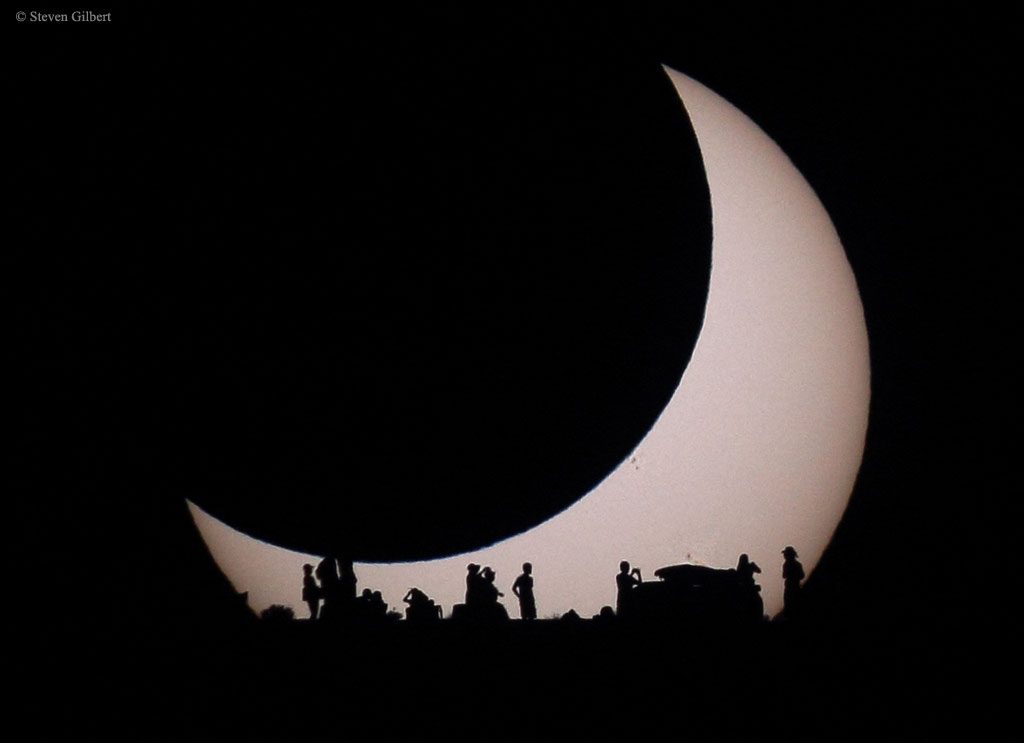
A captivating solar eclipse captured in 2012 reveals sunspots and the Moon's silhouette. Discover the science behind eclipses and upcoming celestial events.
In the featured image, we witness a solar eclipse from 2012, captured at the Glen Canyon National Recreation Area in Arizona. The photograph not only shows the Moon partially obscuring the Sun but also silhouettes of observers below, creating a striking juxtaposition. This celestial alignment offers a rare opportunity to observe sunspots—dark regions on the Sun's surface caused by magnetic activity. As the Sun's energy output varies, these spots can influence space weather, which is vital for satellite operations and communications.
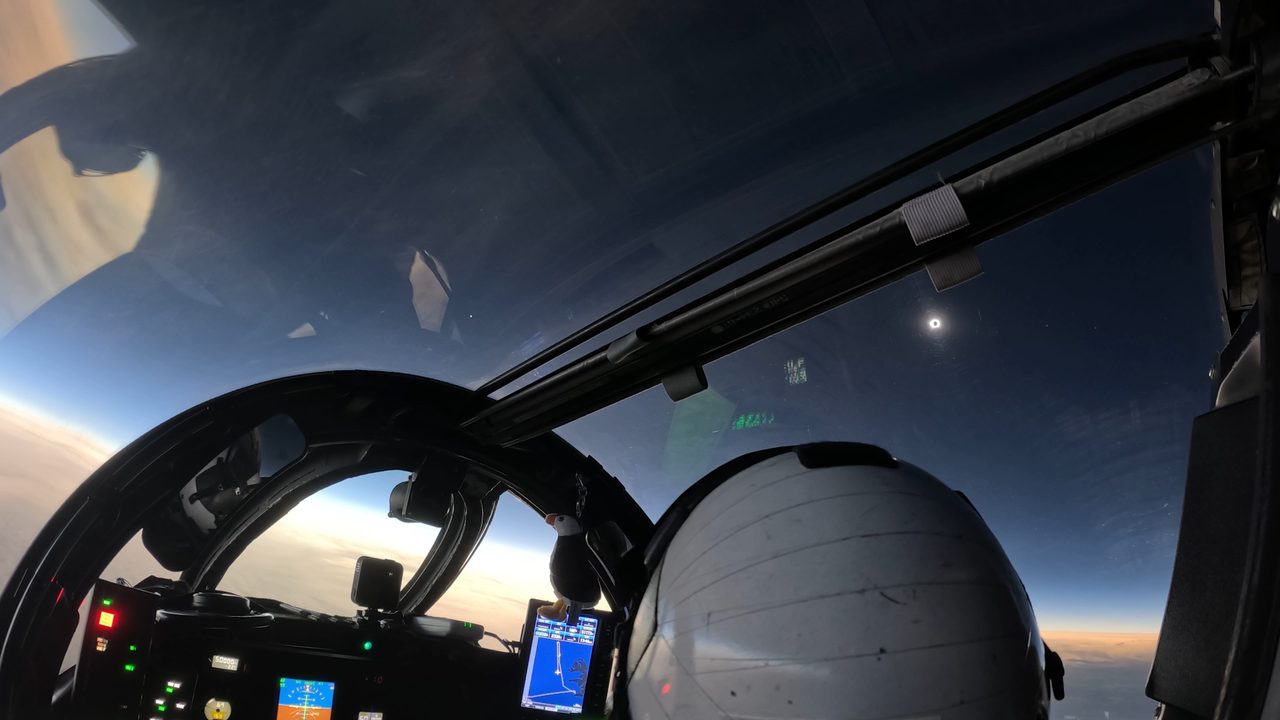
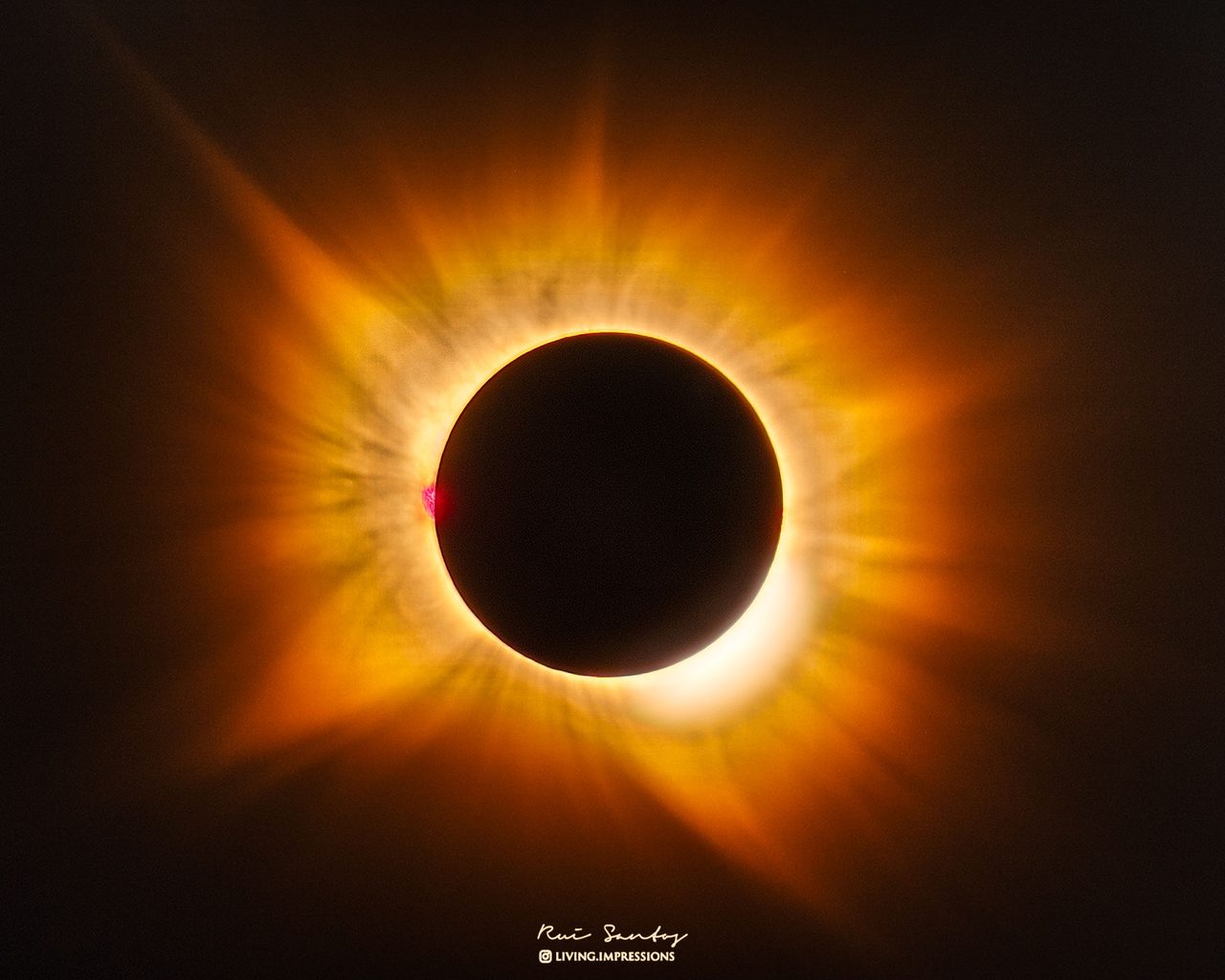
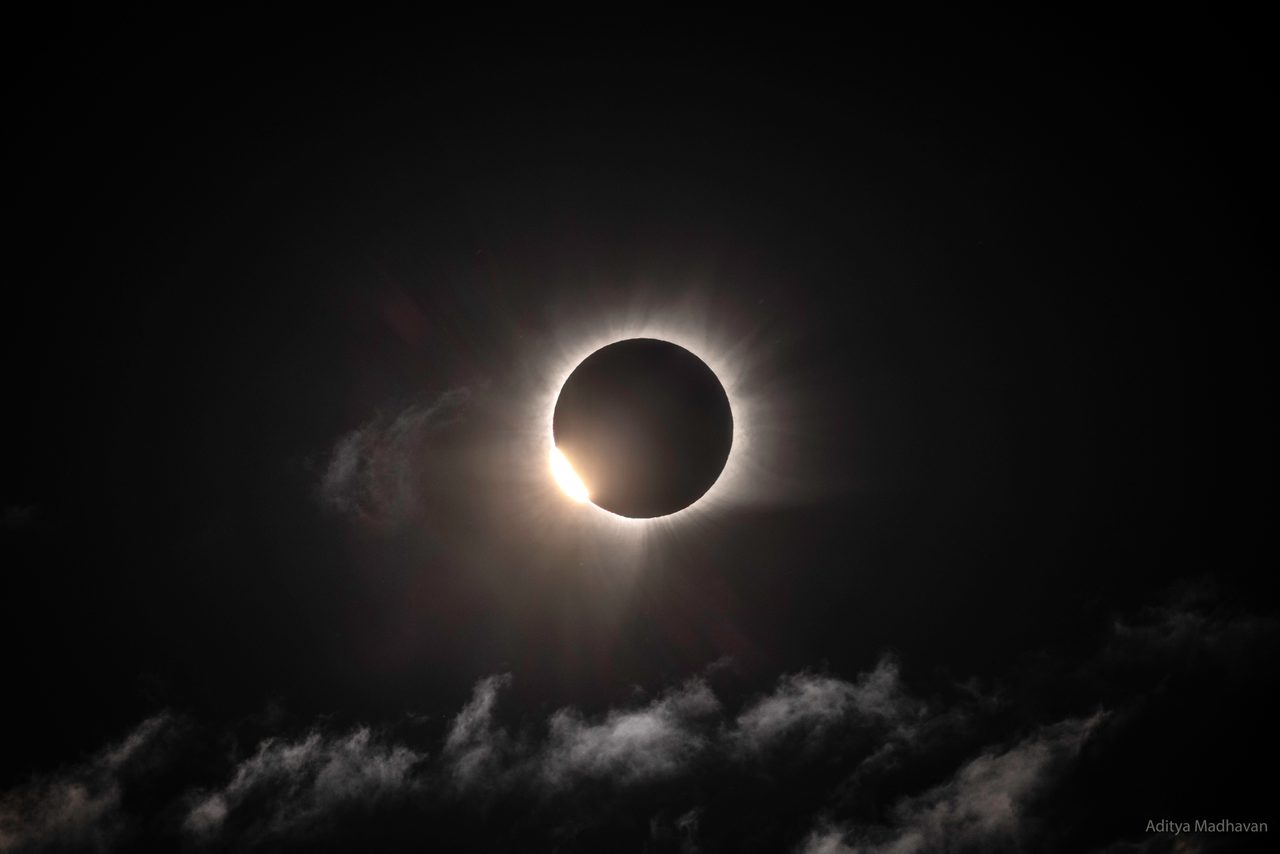
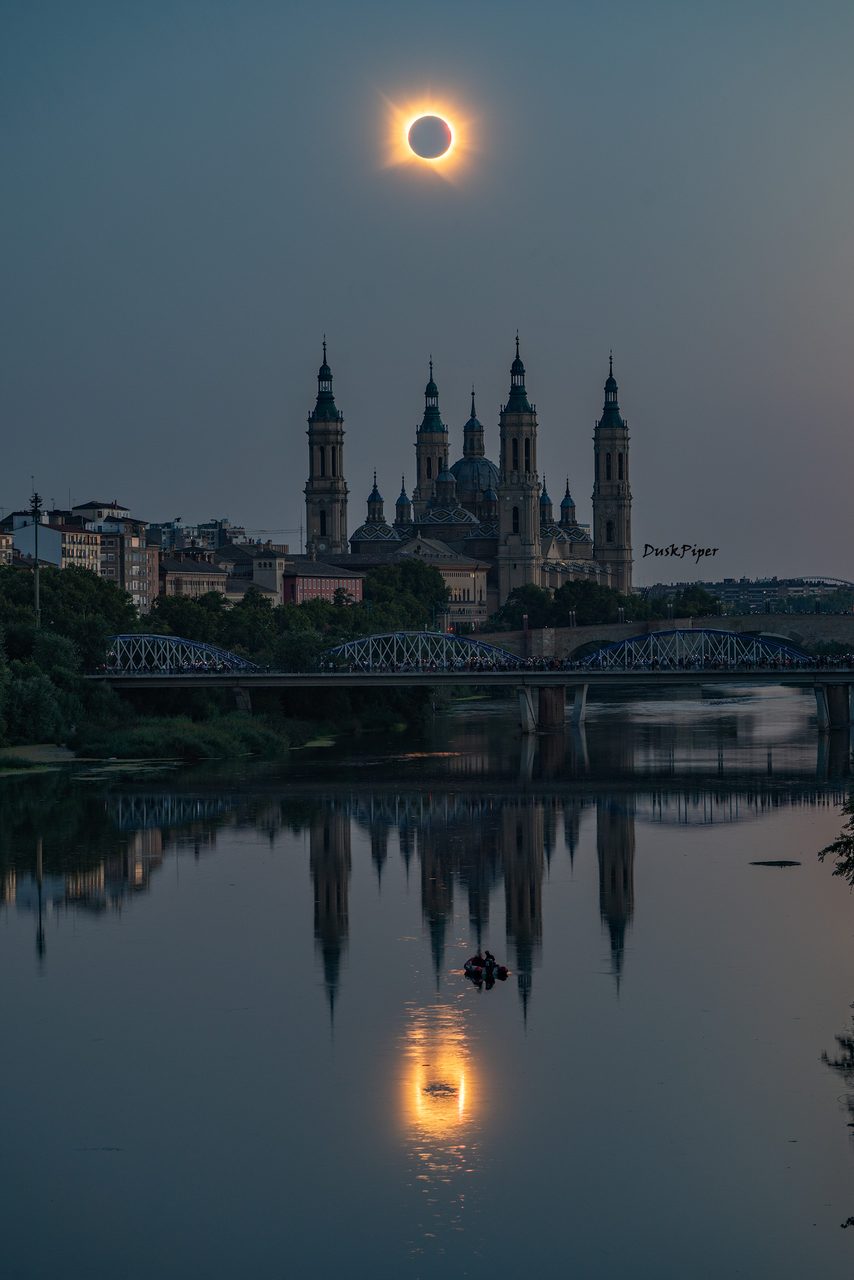
This week, another solar eclipse will be visible across parts of northern North America, Europe, and northwestern Africa. A total eclipse will grace a narrow path through Greenland and Spain. During such events, the Moon's shadow races across the Earth, temporarily turning day into night. Observers in the path of totality will experience the awe-inspiring sight of the Sun's corona, the outer atmosphere, which is usually hidden by the Sun's bright face. Understanding these phenomena helps scientists refine their models of solar dynamics and predict space weather impacts on Earth.
The Broader Context of Solar Observations
Solar eclipses offer more than just a visual spectacle; they are invaluable for scientific research. During an eclipse, astronomers can study the Sun's corona without the need for specialised instruments. This is crucial for understanding solar wind, a stream of charged particles emanating from the Sun, which can affect satellite operations and even power grids on Earth. With 18,556 active satellites currently in orbit, as tracked in the Orbital Radar Satellite Library, monitoring solar activity is essential to mitigate potential disruptions.
The presence of sunspots during the 2012 eclipse highlights the dynamic nature of our star. These spots are cooler areas on the Sun's surface, often associated with solar flares and coronal mass ejections (CMEs). Such events can pose risks to astronauts aboard the International Space Station (ISS) and impact the 11 people currently in space, including those on the ISS as per the latest data from Orbital Radar.
Frequently Asked Questions
What causes a solar eclipse?
How often do solar eclipses occur?
📎 Cite this article
Orbital Radar Newsroom. (2026). Eclipses and Sunspots: A Solar Spectacle Unveiled. Orbital Radar. https://orbitalradar.com/blog/cosmic-gallery-2026-08-09"Eclipses and Sunspots: A Solar Spectacle Unveiled." Orbital Radar, 10 August 2026, https://orbitalradar.com/blog/cosmic-gallery-2026-08-09.@misc{orbitalradar_cosmic_gallery_2026_08_09,
title = {Eclipses and Sunspots: A Solar Spectacle Unveiled},
author = {{Orbital Radar}},
year = {2026},
howpublished = {\url{https://orbitalradar.com/blog/cosmic-gallery-2026-08-09}}
}