Pluto's Hidden Colours: A New Perspective on the Dwarf Planet
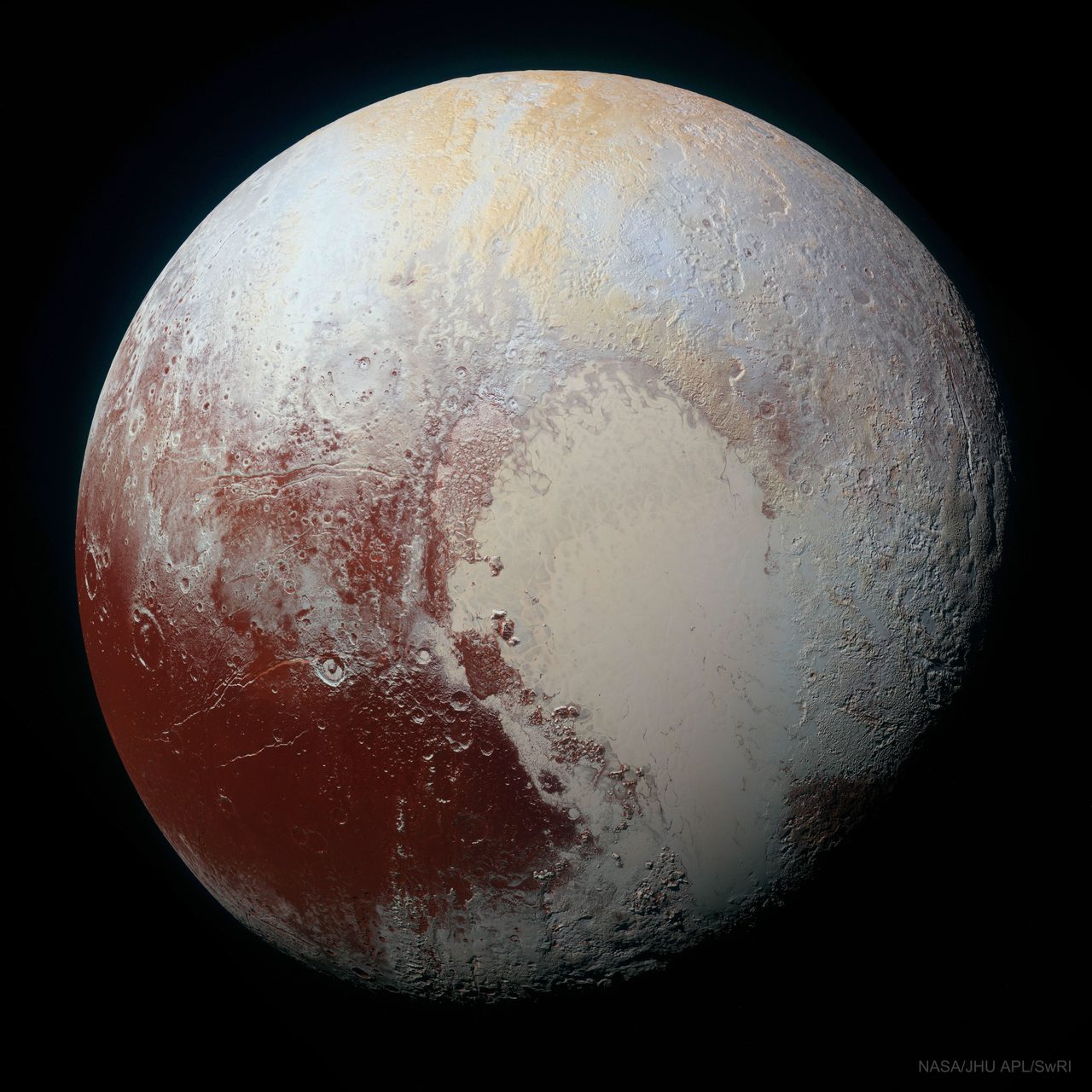
Explore Pluto's surface in enhanced color, revealing its geological diversity through images from the New Horizons mission.
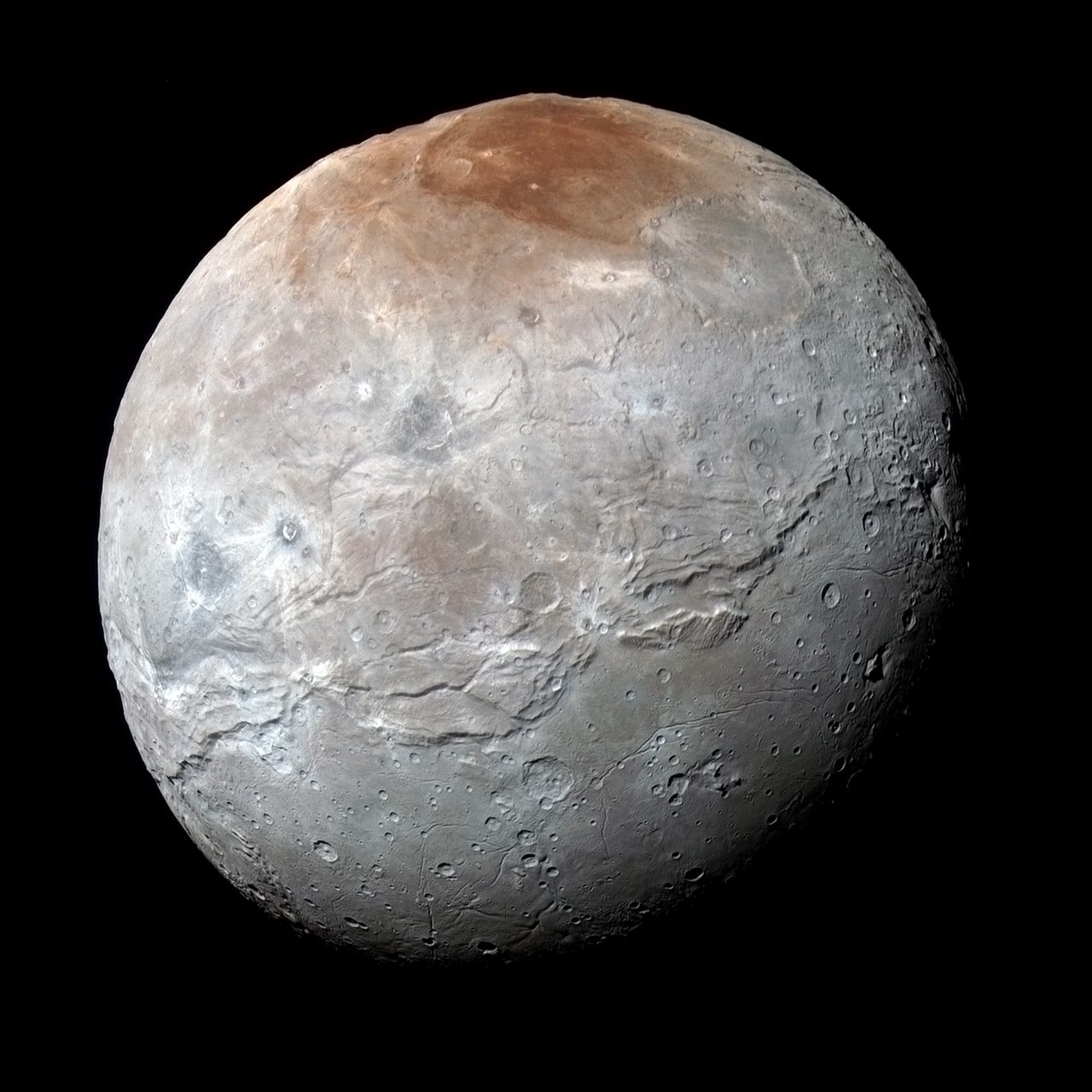
The enhanced color image of Pluto, captured by the New Horizons spacecraft during its 2015 flyby, reveals a world far more colourful than previously imagined. This image highlights the dwarf planet's surface, with distinct regions of varying chemical compositions. Notably, the heart-shaped Tombaugh Regio stands out, particularly the smooth Sputnik Planitia on the left lobe, indicating geological activity that belies Pluto's ancient origins.
Pluto and the Broader Solar System
The New Horizons mission has provided invaluable insights into Pluto, enhancing our understanding of the Kuiper Belt's icy bodies. After its Pluto flyby, the spacecraft continued its journey, visiting the asteroid Arrokoth in 2019. These missions underscore the dynamic nature of our Solar System's outer reaches, where even distant worlds like Pluto exhibit unexpected geological diversity. For those interested in tracking current missions, the Launch Schedule offers insights into upcoming explorations.
Observing Pluto and Related Phenomena
While Pluto itself is beyond the reach of amateur telescopes, enthusiasts can explore its past and future missions through various resources. The Satellite Library provides detailed information on spacecraft like New Horizons. Additionally, the Debris Map offers a glimpse into the crowded environment of Earth's orbit, where thousands of active satellites and debris pieces coexist.
Frequently Asked Questions
What is the significance of Pluto's enhanced colour image?
How did New Horizons capture images of Pluto?
📎 Cite this article
Orbital Radar Newsroom. (2026). Pluto's Hidden Colours: A New Perspective on the Dwarf Planet. Orbital Radar. https://orbitalradar.com/blog/cosmic-gallery-2026-09-06"Pluto's Hidden Colours: A New Perspective on the Dwarf Planet." Orbital Radar, 7 September 2026, https://orbitalradar.com/blog/cosmic-gallery-2026-09-06.@misc{orbitalradar_cosmic_gallery_2026_09_06,
title = {Pluto's Hidden Colours: A New Perspective on the Dwarf Planet},
author = {{Orbital Radar}},
year = {2026},
howpublished = {\url{https://orbitalradar.com/blog/cosmic-gallery-2026-09-06}}
}