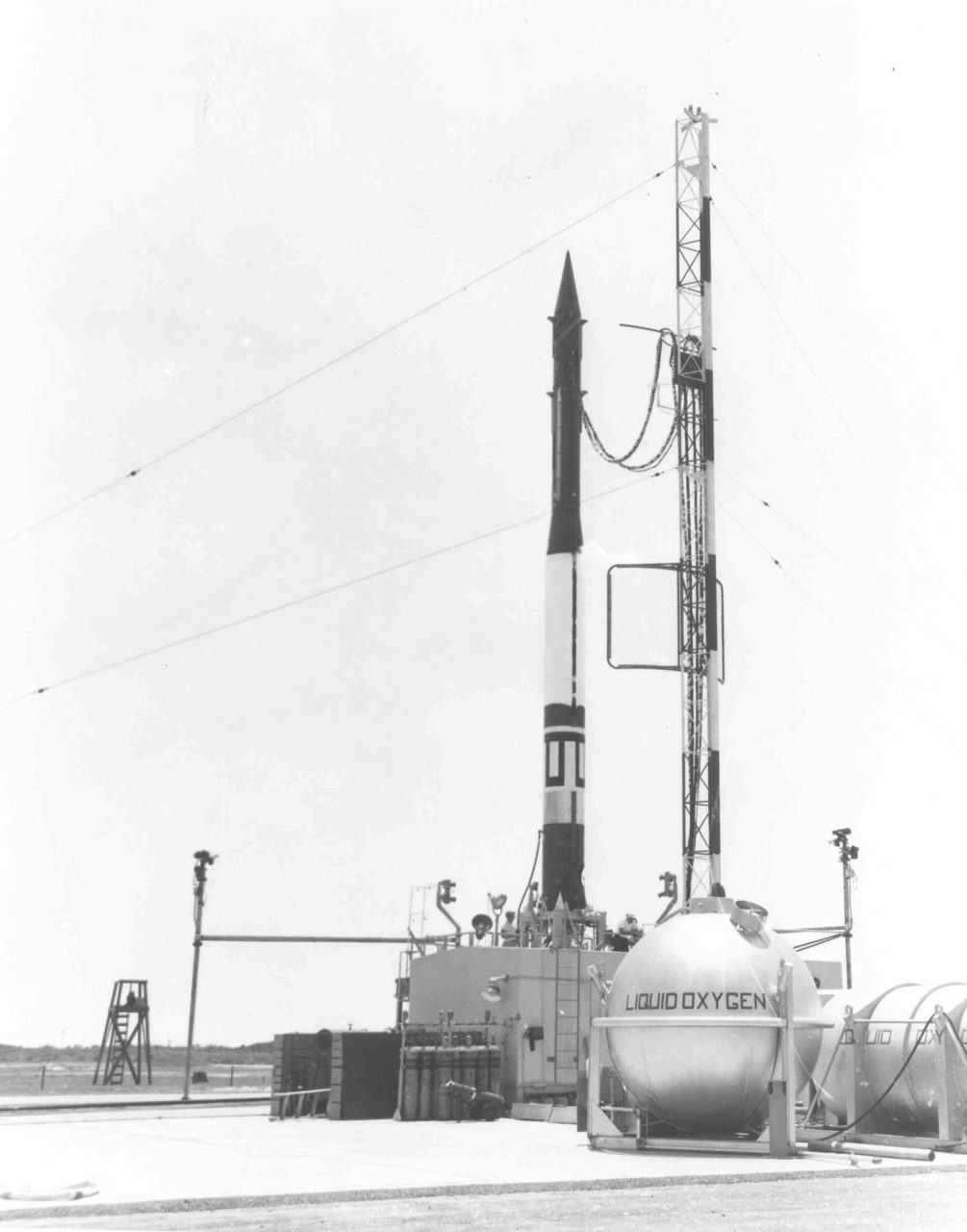
Tracking Deep Space: Voyager, JWST and Humanity's Most Distant Craft
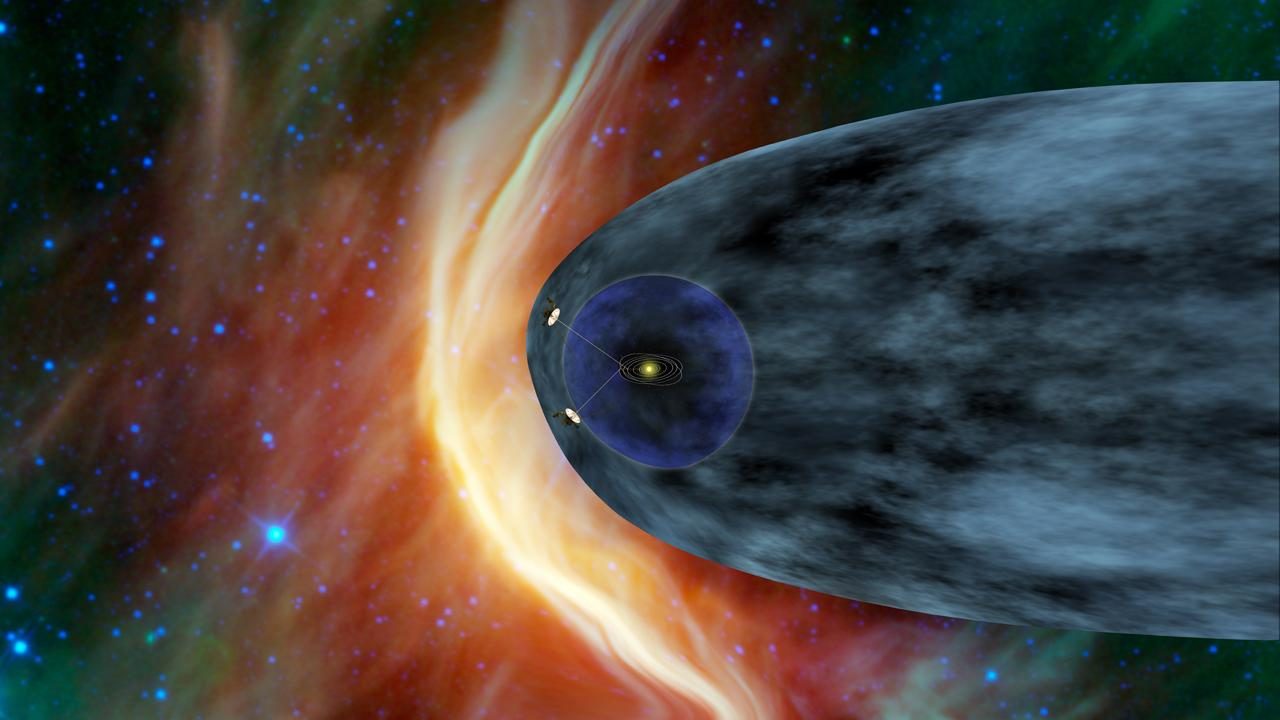
The Deep Space tool tracks humanity's most distant probes, including Voyager and JWST. Learn how it works and explore its data.
The 'Deep Space' tool by Orbital Radar offers a comprehensive way to track humanity's most distant spacecraft. This tool provides real-time data on the positions and trajectories of deep space probes like Voyager 1 and the James Webb Space Telescope (JWST). By leveraging this tool, users can explore the vast distances these probes have travelled and their current status in the cosmos.
Understanding the Deep Space Tool
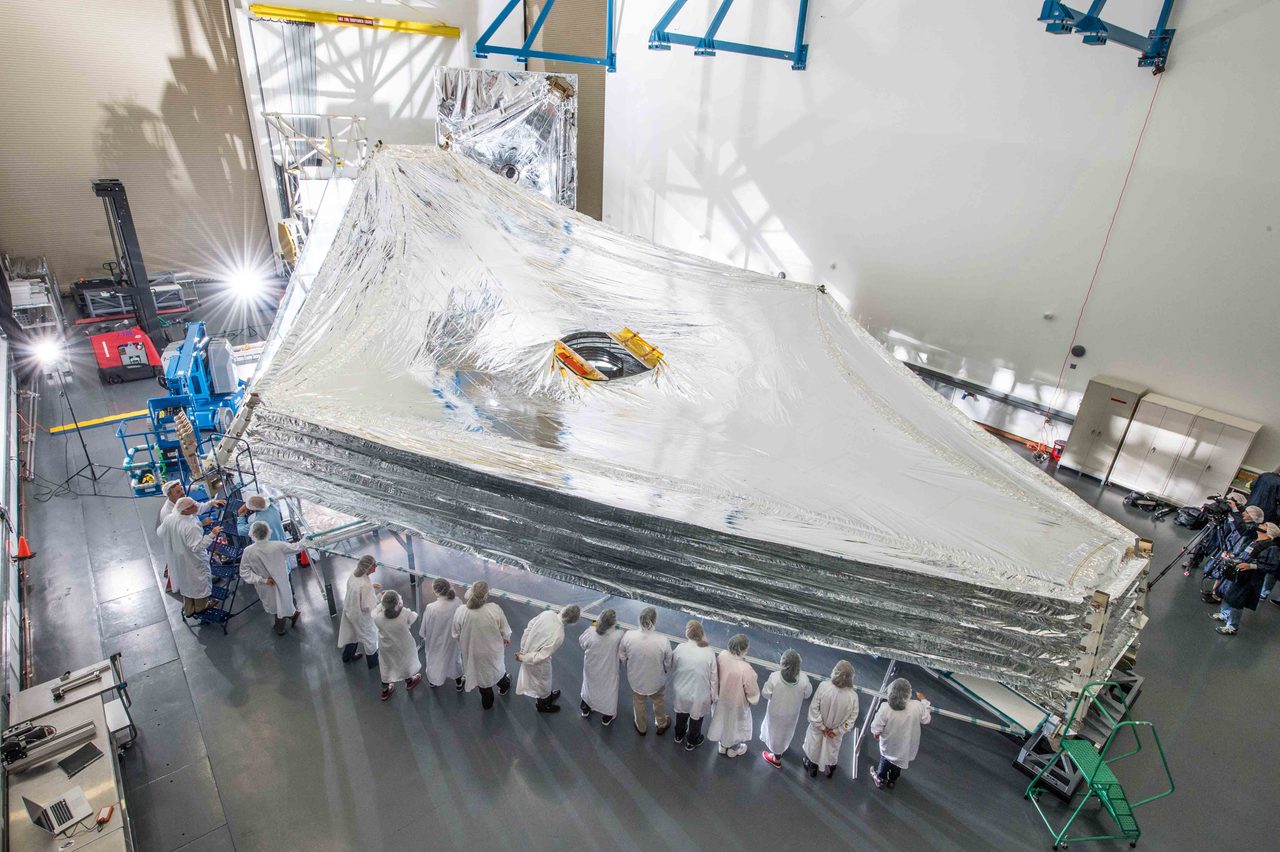
The Deep Space tool is designed to provide users with detailed information about spacecraft that have ventured beyond Earth's orbit. It utilises data from various space agencies and combines it with Orbital Radar's tracking capabilities to offer precise location and trajectory information. Users can access specific pages for iconic missions such as Voyager 1 and JWST, where they can find mission histories, current positions, and scientific achievements.
How to Use the Deep Space Tool
To use the Deep Space tool, navigate to the Deep Space page on Orbital Radar. Here, you can select from a list of tracked probes and view their current data. The interface provides options to see the spacecraft's trajectory, speed, and distance from Earth. The tool also offers historical data, allowing users to trace the journey of these probes from their launch to their current location.
The Science Behind the Data
The data presented by the Deep Space tool is sourced from a combination of telemetry (remote measurement and data collection) and tracking information provided by international space agencies. This data is processed and visualised to give users a clear understanding of each probe's journey. For instance, Voyager 1, launched in 1977, is currently over 14 billion miles from Earth, making it the farthest human-made object in space.
Key Takeaways
The Deep Space tool is an invaluable resource for anyone interested in the exploration of our solar system and beyond. It provides real-time tracking and historical data on humanity's most ambitious space missions. By using this tool, users can gain insights into the extraordinary distances travelled by probes like Voyager 1 and the cutting-edge science conducted by the JWST.
Frequently Asked Questions
What is the Deep Space tool used for?
How does the Deep Space tool track probes?
Can I see the current location of Voyager 1?
What information does the Deep Space tool provide about JWST?
Where can I access the Deep Space tool?
📎 Cite this article
Orbital Radar Newsroom. (2026). Tracking Deep Space: Voyager, JWST and Humanity's Most Distant Craft. Orbital Radar. https://orbitalradar.com/blog/deep-space-tracker-guide"Tracking Deep Space: Voyager, JWST and Humanity's Most Distant Craft." Orbital Radar, 12 June 2026, https://orbitalradar.com/blog/deep-space-tracker-guide.@misc{orbitalradar_deep_space_tracker_guide,
title = {Tracking Deep Space: Voyager, JWST and Humanity's Most Distant Craft},
author = {{Orbital Radar}},
year = {2026},
howpublished = {\url{https://orbitalradar.com/blog/deep-space-tracker-guide}}
}