Psyche's Dance with Mars: A Celestial Gravity Assist
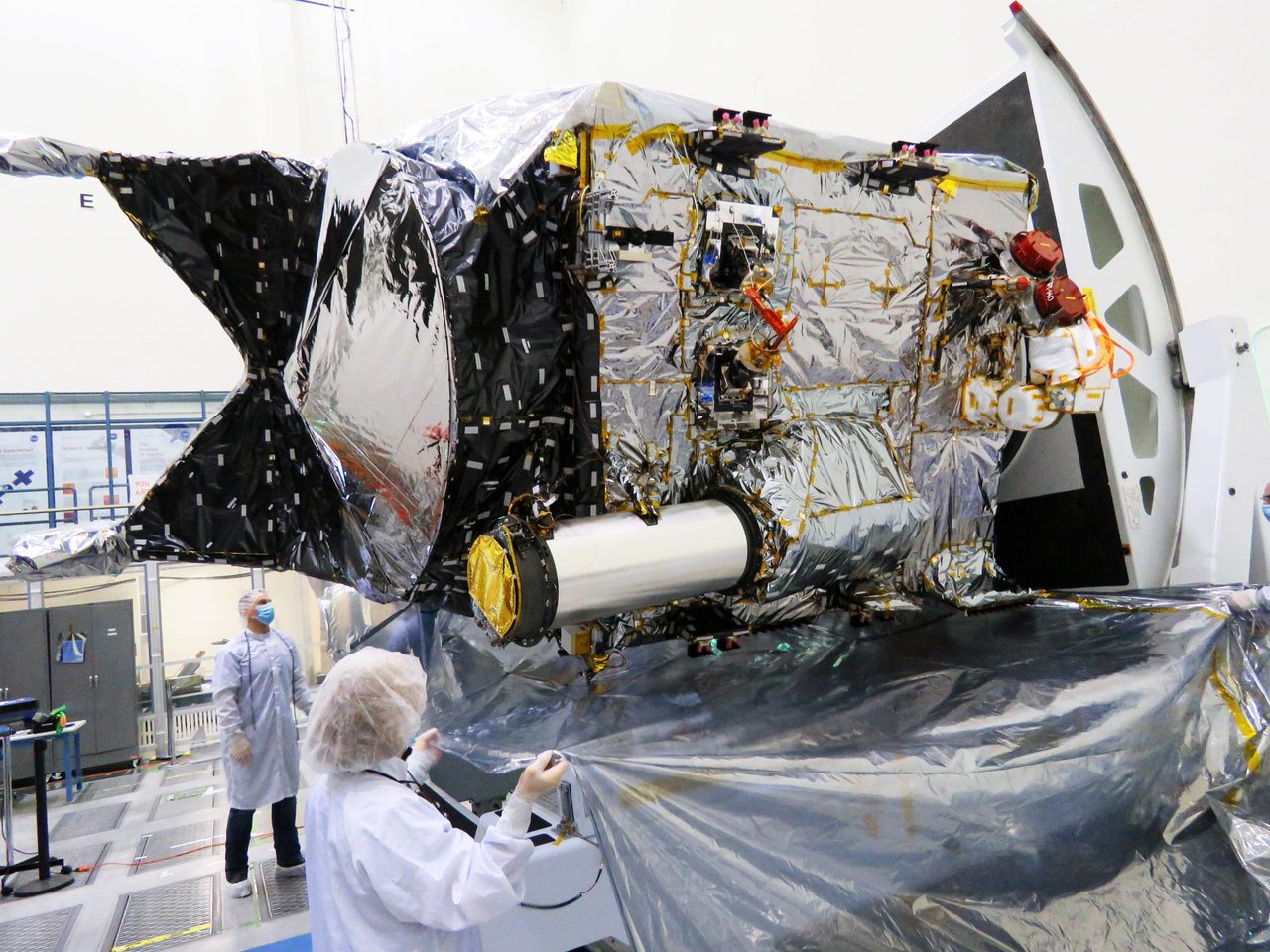
The Psyche spacecraft uses Mars for a gravity assist, accelerating its mission to the metallic asteroid Psyche, expected to arrive in 2029.
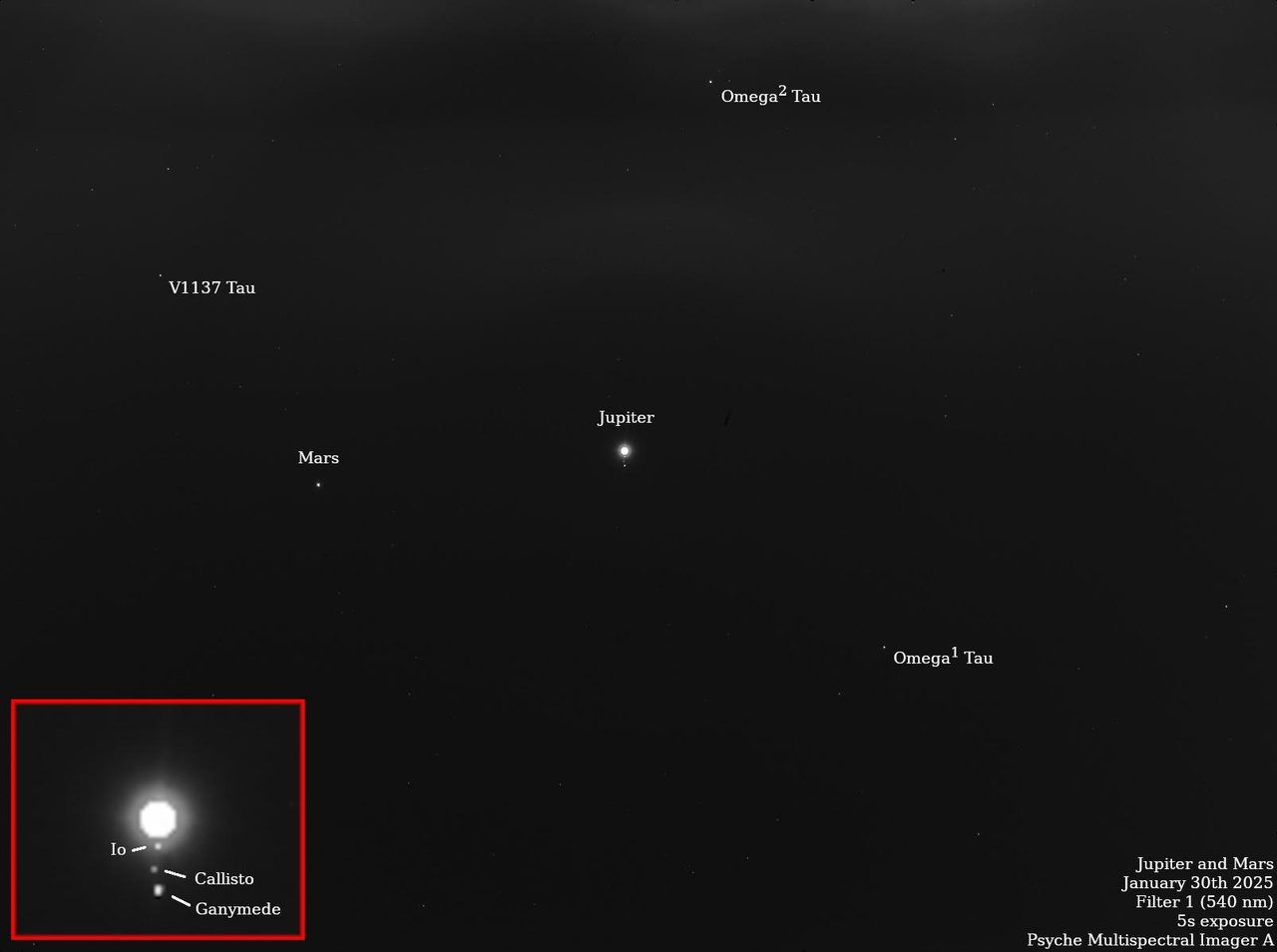
Today, we witness the Psyche spacecraft performing a gravity assist manoeuvre around Mars. This technique allows spacecraft to gain speed and alter their trajectory using the gravitational pull of a planet, conserving fuel for their journey. In May 2026, Psyche used Mars, which orbits the Sun at nearly 87,000 km/h, to slingshot itself towards the asteroid Psyche. This mission marks the first visit to an asteroid believed to be primarily composed of metal, offering insights into planetary formation.
The Science of Gravity Assists
Gravity assists have been a fundamental tool in space exploration since the Luna 3 mission in 1959. By using the gravitational pull of celestial bodies, spacecraft can travel further than their fuel capacity would typically allow. This method has enabled missions like Voyager and Cassini to explore the outer reaches of our solar system. The Psyche mission, set to reach its target in 2029, will provide unprecedented data on metallic asteroids, believed to be the remnants of planetary cores.
Observing the Night Sky
As we follow Psyche's journey, remember to look up this August to catch the Perseid meteor shower. For those interested in tracking satellites or observing other celestial events, the Orbital Radar pass predictor offers a comprehensive guide to visible passes from your location.
Frequently Asked Questions
What is a gravity assist?
Why is the Psyche mission important?
📎 Cite this article
Orbital Radar Newsroom. (2026). Psyche's Dance with Mars: A Celestial Gravity Assist. Orbital Radar. https://orbitalradar.com/blog/cosmic-gallery-2026-07-29"Psyche's Dance with Mars: A Celestial Gravity Assist." Orbital Radar, 30 July 2026, https://orbitalradar.com/blog/cosmic-gallery-2026-07-29.@misc{orbitalradar_cosmic_gallery_2026_07_29,
title = {Psyche's Dance with Mars: A Celestial Gravity Assist},
author = {{Orbital Radar}},
year = {2026},
howpublished = {\url{https://orbitalradar.com/blog/cosmic-gallery-2026-07-29}}
}