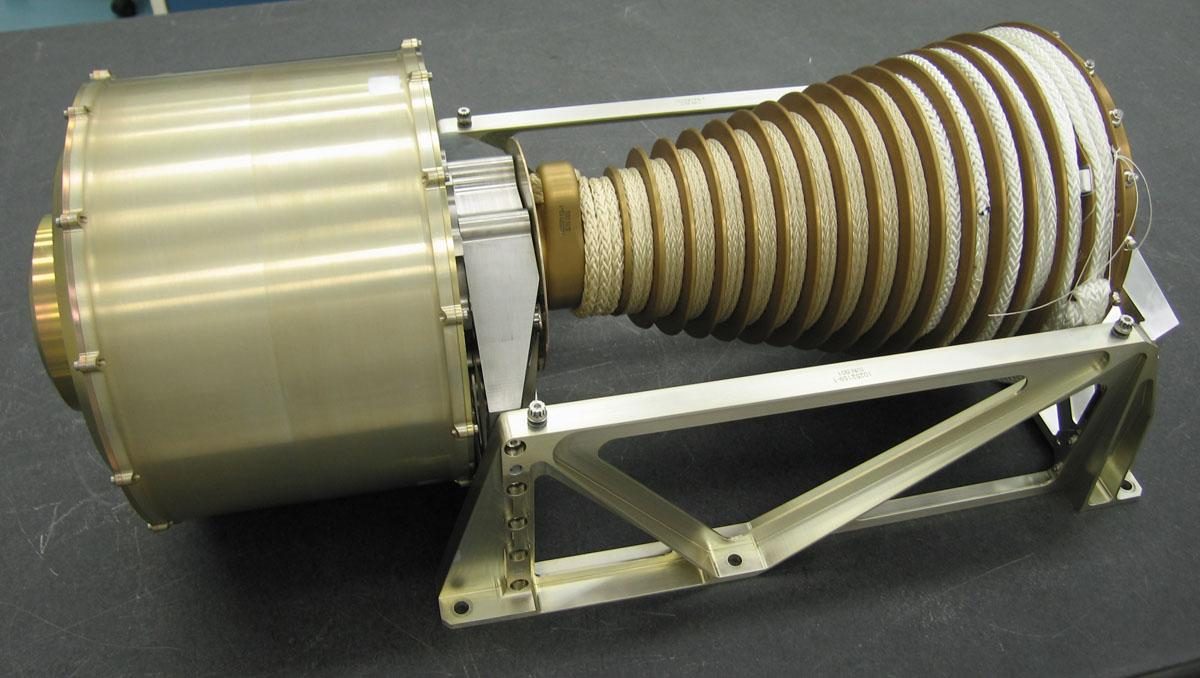
Solar Observatory Spacecraft: Monitoring Our Sun
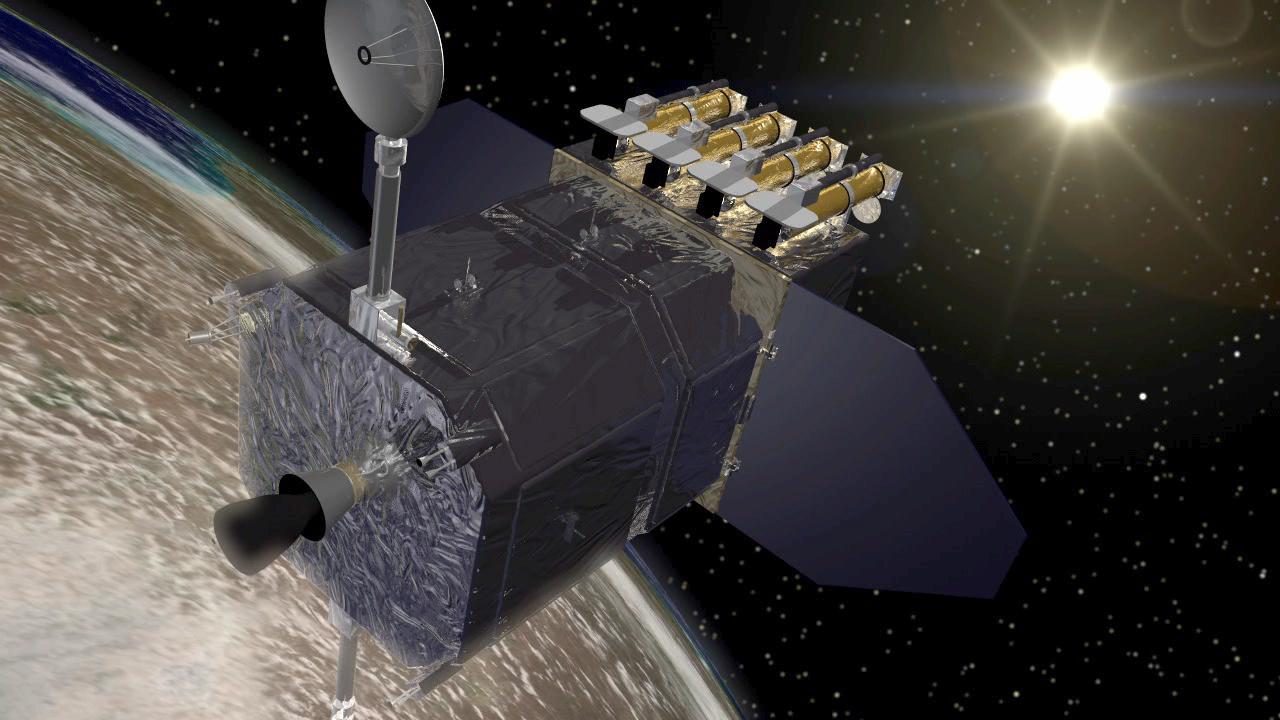
Solar observatory spacecraft are crucial for monitoring the Sun's activity and understanding space weather impacts on Earth.
| Active satellites | 15,723 |
| Starlink active | 9,839 |
| Catalogued objects | 31,364 |
| Active close approaches | 14 |
| People in space | 10 |
Solar observatory spacecraft are dedicated satellites designed to study the Sun's behaviour and its influence on the solar system. These spacecraft provide critical data on solar phenomena such as sunspots, solar flares, and coronal mass ejections, contributing to our understanding of space weather.
What Are Solar Observatory Spacecraft?
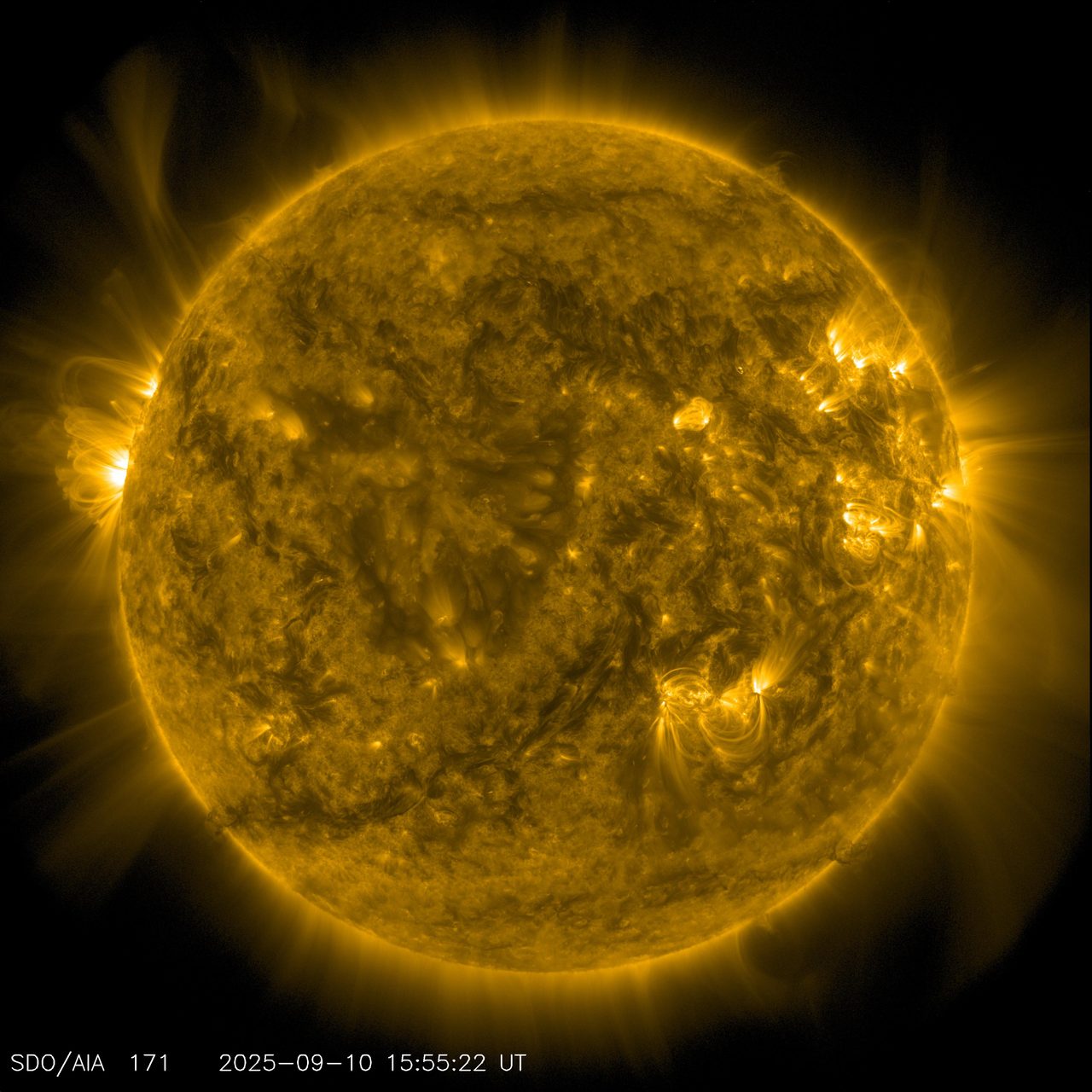
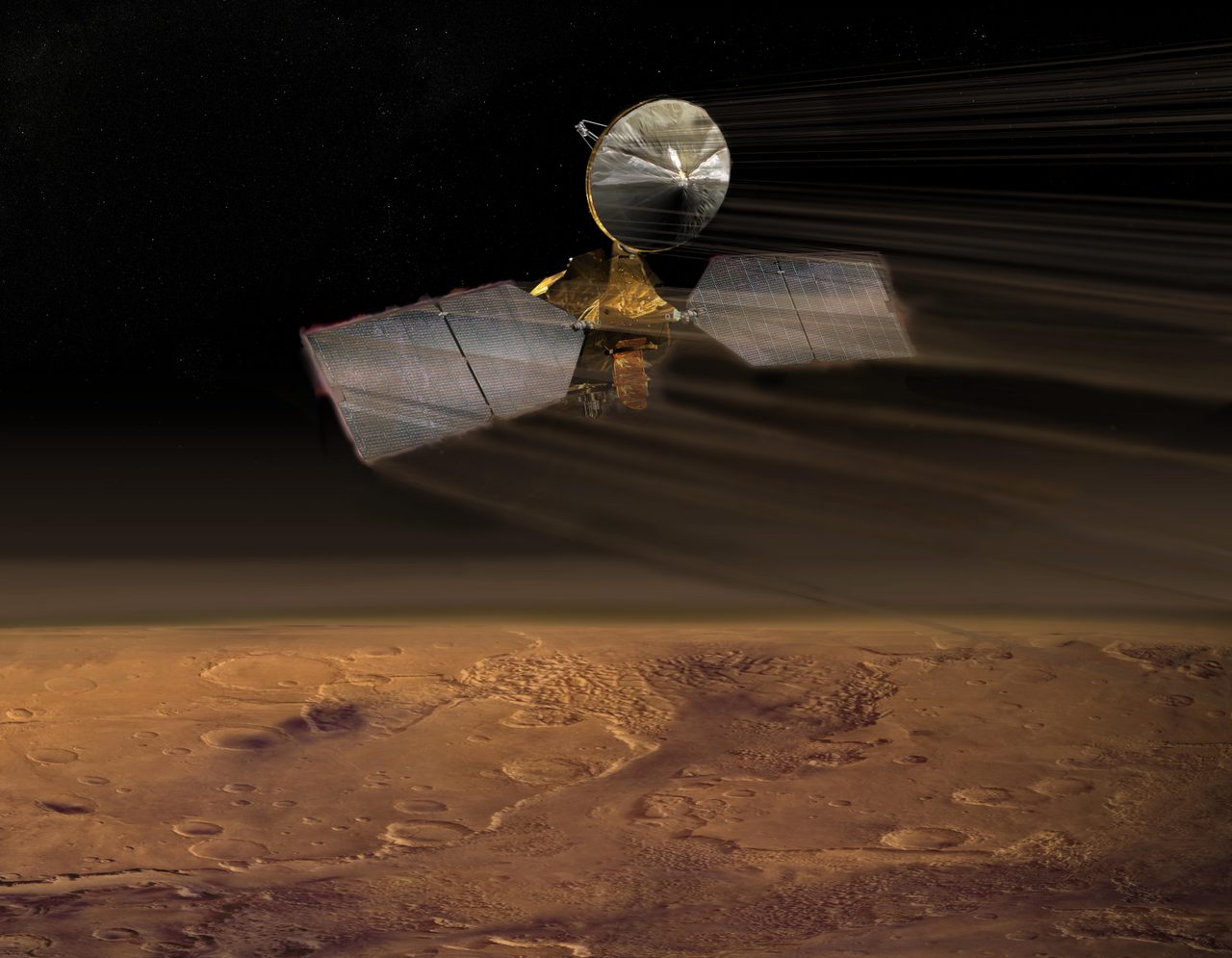
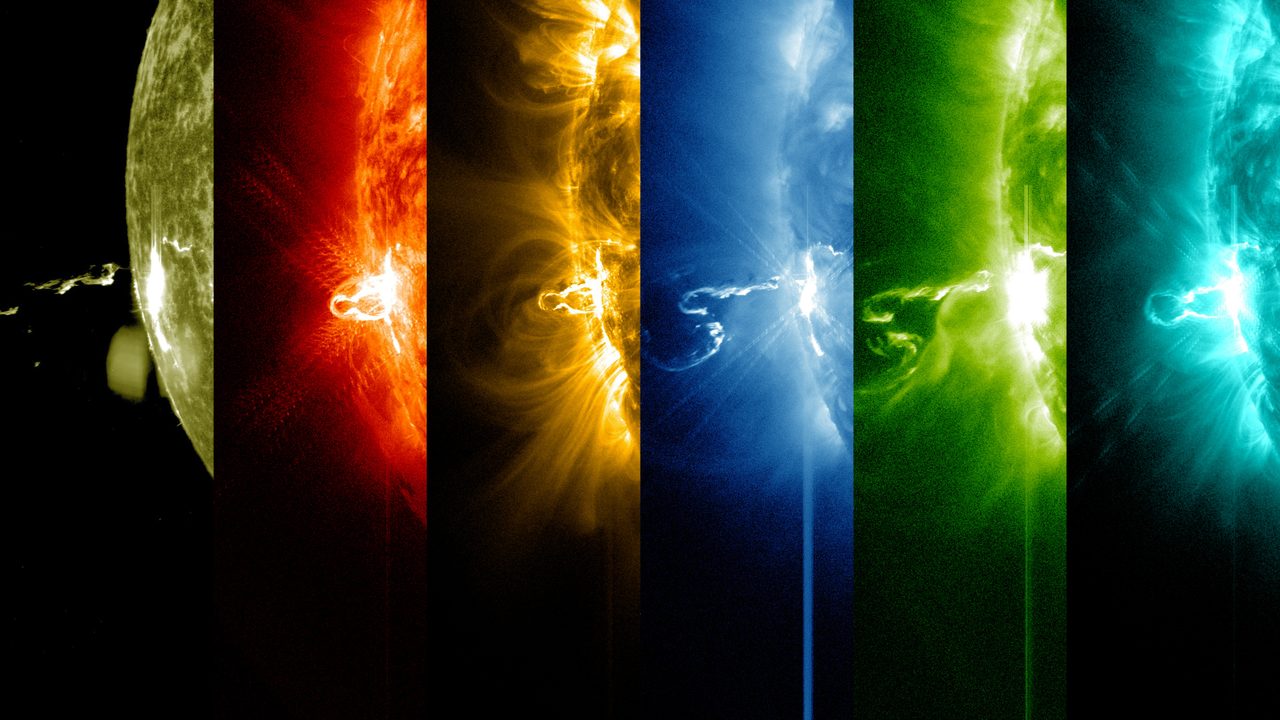
Solar observatory spacecraft are specialised satellites equipped with instruments to monitor the Sun's activity. Notable examples include NASA's Solar Dynamics Observatory (SDO), launched in 2010, which provides high-definition images of the Sun in multiple wavelengths. The European Space Agency's (ESA) Solar Orbiter, launched in 2020, aims to capture the first images of the Sun's poles. These missions help scientists predict solar storms that can affect Earth's technology.
How Do Solar Observatory Spacecraft Work?
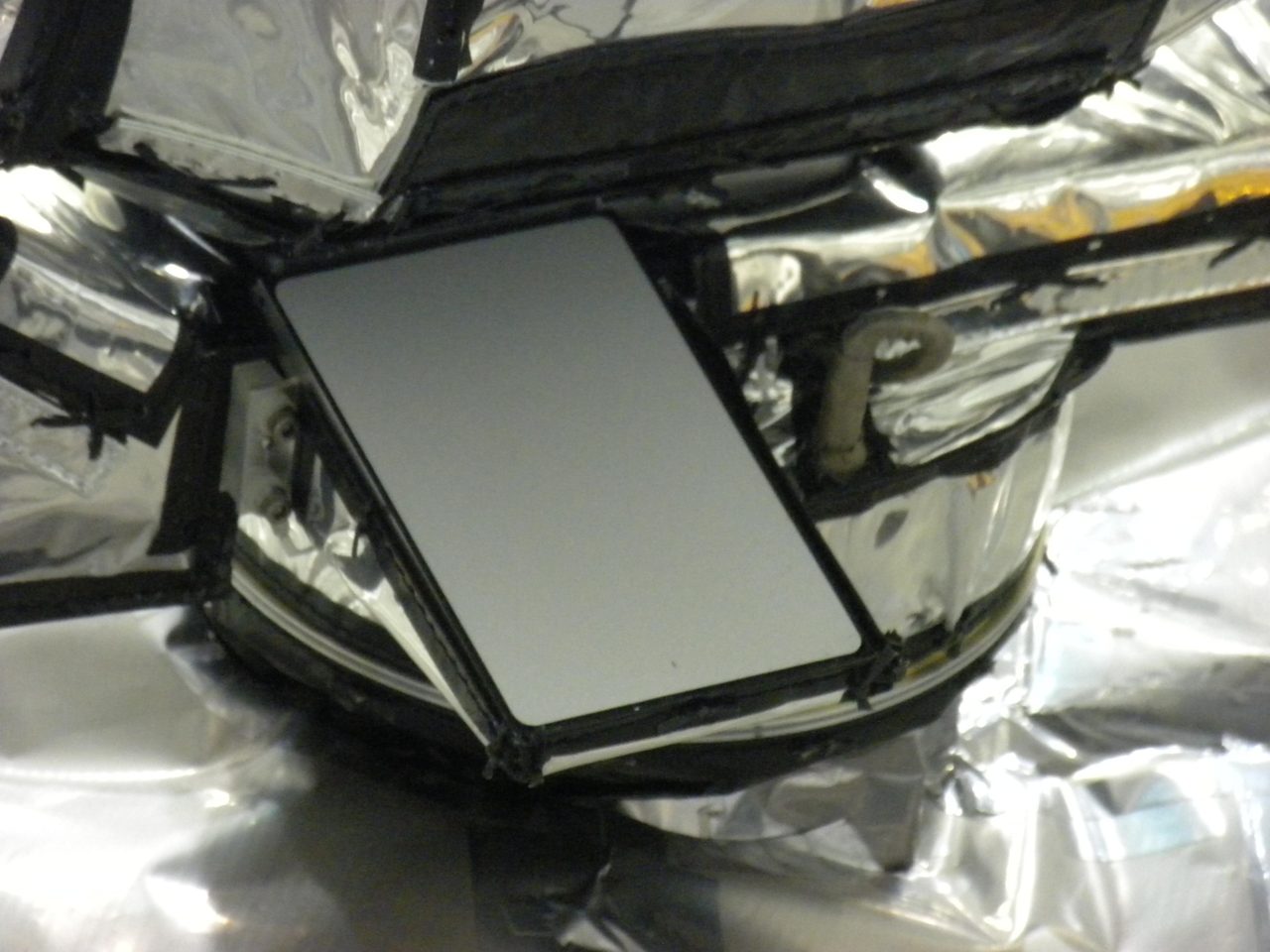
Solar observatory spacecraft use a variety of instruments to capture data. For instance, the SDO employs the Atmospheric Imaging Assembly (AIA) to capture images in 10 different wavelengths. The Helioseismic and Magnetic Imager (HMI) studies the Sun's magnetic field, while the Extreme Ultraviolet Variability Experiment (EVE) measures the Sun's extreme ultraviolet output. These instruments provide comprehensive data on solar activity, which is crucial for space weather forecasting.
Why Are Solar Observatories Important?
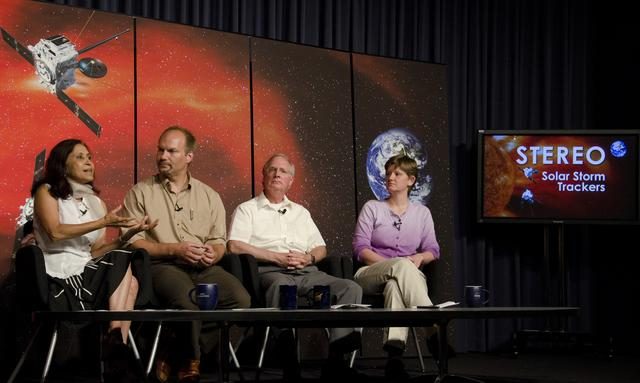
Understanding solar activity is vital for predicting space weather, which can impact satellite operations, power grids, and communication systems on Earth. Solar observatory spacecraft help mitigate these risks by providing early warnings of solar storms. As of 2023, 15,723 active satellites are in orbit, according to Orbital Radar tracking data, making the need for accurate space weather predictions more critical than ever.
Solar Observatory Spacecraft Missions
Several missions have been launched to study the Sun. The Parker Solar Probe, launched in 2018, travels closer to the Sun than any previous spacecraft to study the solar corona. The joint NASA-ESA mission, the Solar and Heliospheric Observatory (SOHO), launched in 1995, continues to provide valuable data on solar wind and space weather. These missions are part of a broader effort to understand the Sun's influence on the solar system.
Key Takeaways
Solar observatory spacecraft are essential tools for understanding the Sun's behaviour and predicting space weather. They provide data that helps protect Earth's technological infrastructure from solar-induced disruptions. With the ongoing advancements in space technology, these spacecraft continue to play a critical role in space exploration and safety.
Frequently Asked Questions
What is the purpose of solar observatory spacecraft?
How many solar observatory spacecraft are currently operational?
What instruments do solar observatory spacecraft use?
Why is monitoring the Sun important?
How do solar observatory spacecraft help in space weather prediction?
📎 Cite this article · data available
Orbital Radar Newsroom. (2026). Solar Observatory Spacecraft: Monitoring Our Sun. Orbital Radar. https://orbitalradar.com/blog/solar-observatories-explainer"Solar Observatory Spacecraft: Monitoring Our Sun." Orbital Radar, 18 September 2026, https://orbitalradar.com/blog/solar-observatories-explainer.@misc{orbitalradar_solar_observatories_explainer,
title = {Solar Observatory Spacecraft: Monitoring Our Sun},
author = {{Orbital Radar}},
year = {2026},
howpublished = {\url{https://orbitalradar.com/blog/solar-observatories-explainer}}
}