China's Qianfan Mega-Constellation: A Complete Explainer
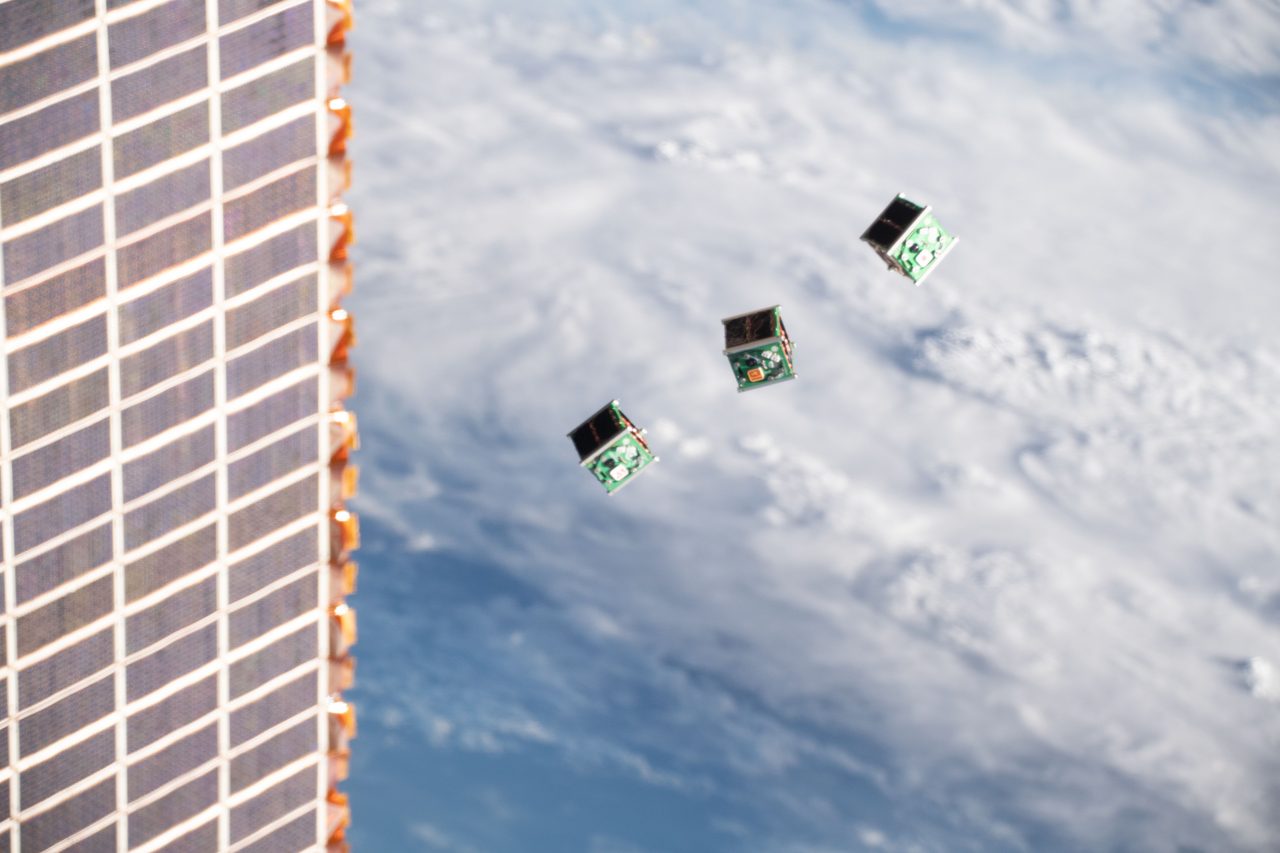
Qianfan satellites form a Chinese mega-constellation aimed at global internet coverage, challenging Starlink's dominance.
| Active satellites | 18,060 |
| Starlink active | 9,821 |
| Catalogued objects | 29,435 |
| Active close approaches | 18 |
| People in space | 10 |
The Qianfan satellites represent a significant initiative by China to establish a mega-constellation in low Earth orbit (LEO). Designed to provide global internet coverage, Qianfan aims to compete directly with existing networks like SpaceX's Starlink. As of 2026, China has launched several batches of these satellites, marking a pivotal expansion in their space capabilities.
What is the Qianfan Mega-Constellation?
The Qianfan mega-constellation is a network of satellites launched by China to provide worldwide internet services. Similar to SpaceX's Starlink, Qianfan aims to deploy thousands of satellites in LEO, typically at altitudes between 500 and 1,200 kilometres. This strategic deployment is intended to enhance global connectivity, particularly in remote and underserved regions.
How Does Qianfan Compare to Starlink?
Qianfan and Starlink share the goal of delivering global internet access but differ in scale and deployment strategies. Starlink, with 9,821 active satellites as of 8 September 2026, has a significant head start. Qianfan, however, benefits from China's robust space infrastructure and governmental backing. For a detailed comparison, visit the Qianfan vs Starlink page.
Why is Qianfan Important for China?
Qianfan is crucial for China's ambitions to become a leader in global telecommunications. It supports China's strategic objectives by reducing reliance on foreign satellite networks and enhancing national security. The constellation also aligns with China's broader space exploration goals, detailed on the China in Space hub.
Technical Specifications of Qianfan Satellites

Each Qianfan satellite is equipped with advanced communication technologies, including phased array antennas and high-throughput transponders. These satellites operate in various orbital planes to ensure comprehensive coverage. For the latest launch details, refer to our Qianfan Tracker.
Challenges Facing the Qianfan Constellation

The deployment of the Qianfan constellation faces several challenges, including orbital congestion and space debris management. With 29,415 tracked objects currently in orbit, collision risks are a concern. China's strategies for mitigating these issues are crucial for the project's success.
Key Takeaways
The Qianfan mega-constellation is a landmark project in China's space programme, aiming to rival global networks like Starlink. By leveraging its technological prowess and strategic planning, China is poised to significantly impact the future of global internet services.
Frequently Asked Questions
How many Qianfan satellites are currently operational?
What is the purpose of the Qianfan constellation?
How does Qianfan address space debris concerns?
What are the orbital parameters of Qianfan satellites?
How does Qianfan impact global internet services?
📎 Cite this article · data available
Orbital Radar Newsroom. (2026). China's Qianfan Mega-Constellation: A Complete Explainer. Orbital Radar. https://orbitalradar.com/blog/qianfan-constellation-explainer"China's Qianfan Mega-Constellation: A Complete Explainer." Orbital Radar, 10 September 2026, https://orbitalradar.com/blog/qianfan-constellation-explainer.@misc{orbitalradar_qianfan_constellation_explainer,
title = {China's Qianfan Mega-Constellation: A Complete Explainer},
author = {{Orbital Radar}},
year = {2026},
howpublished = {\url{https://orbitalradar.com/blog/qianfan-constellation-explainer}}
}