Military Satellites: Understanding Their Role and Impact
Military satellites are crucial for defence, providing communication, surveillance, and navigation capabilities. Learn how they function and their strategic importance.
Military satellites are artificial satellites used for defence purposes, including communication, navigation, reconnaissance, and surveillance. As of 2023, there are 15,722 active satellites in orbit, with a significant number dedicated to military operations. These satellites play a pivotal role in national security by enhancing situational awareness and enabling secure communications.
What Are Military Satellites Used For?
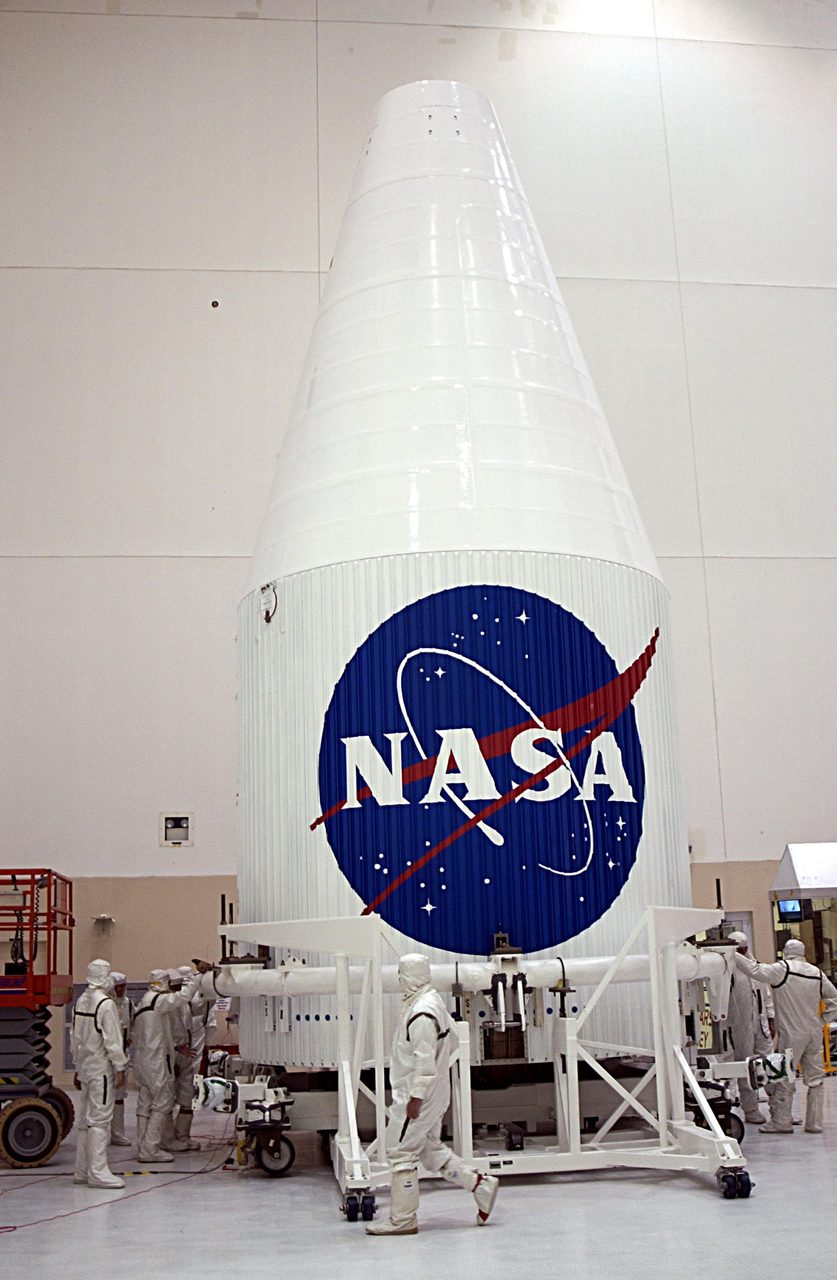
Military satellites serve various functions, including communication, navigation, and intelligence gathering. Communication satellites ensure secure and reliable communication channels for military operations. Navigation satellites, such as those in the GPS constellation, provide precise location data crucial for mission planning. Reconnaissance satellites, equipped with high-resolution cameras and sensors, gather intelligence by capturing images and data from adversary regions.
How Do Military Satellites Work?
Military satellites operate in various orbits, including geostationary (GEO), medium Earth orbit (MEO), and low Earth orbit (LEO), each serving different purposes. GEO satellites provide constant coverage over a specific area, ideal for communication. MEO satellites, like those in the GPS network, offer global navigation services. LEO satellites, used for reconnaissance, orbit closer to Earth, allowing for detailed imaging and rapid data transmission.
The Strategic Importance of Military Satellites
Military satellites enhance national security by providing real-time data and secure communication channels. They enable military forces to coordinate operations, monitor potential threats, and respond swiftly to emerging situations. The strategic advantage offered by these satellites is crucial in modern warfare, where information dominance can determine the outcome of conflicts.
Challenges and Risks in Military Satellite Operations

Operating military satellites involves significant challenges, including threats from anti-satellite weapons and space debris. The debris environment, with 31,350 tracked objects, poses collision risks. Additionally, the development of anti-satellite technologies by various nations increases the vulnerability of these assets. Ensuring the resilience and security of military satellites is a priority for defence agencies worldwide.
Key Takeaways
Military satellites are indispensable for modern defence, offering capabilities in communication, navigation, and intelligence. As of 2023, 15,722 active satellites include a significant military component, according to Orbital Radar's catalogue. These assets face challenges from space debris and emerging anti-satellite threats, necessitating robust security measures.
Frequently Asked Questions
How many military satellites are currently operational?
What types of orbits do military satellites use?
What are the main functions of military satellites?
What are the risks associated with military satellites?
How do military satellites contribute to national security?
📎 Cite this article
Orbital Radar Newsroom. (2026). Military Satellites: Understanding Their Role and Impact. Orbital Radar. https://orbitalradar.com/blog/military-satellites-explainer"Military Satellites: Understanding Their Role and Impact." Orbital Radar, 12 June 2026, https://orbitalradar.com/blog/military-satellites-explainer.@misc{orbitalradar_military_satellites_explainer,
title = {Military Satellites: Understanding Their Role and Impact},
author = {{Orbital Radar}},
year = {2026},
howpublished = {\url{https://orbitalradar.com/blog/military-satellites-explainer}}
}