How to Search the Satellite Database: A Comprehensive Guide
Discover how to use Orbital Radar's Satellite Directory to search and track over 31,000 objects in orbit, including active satellites and space debris.
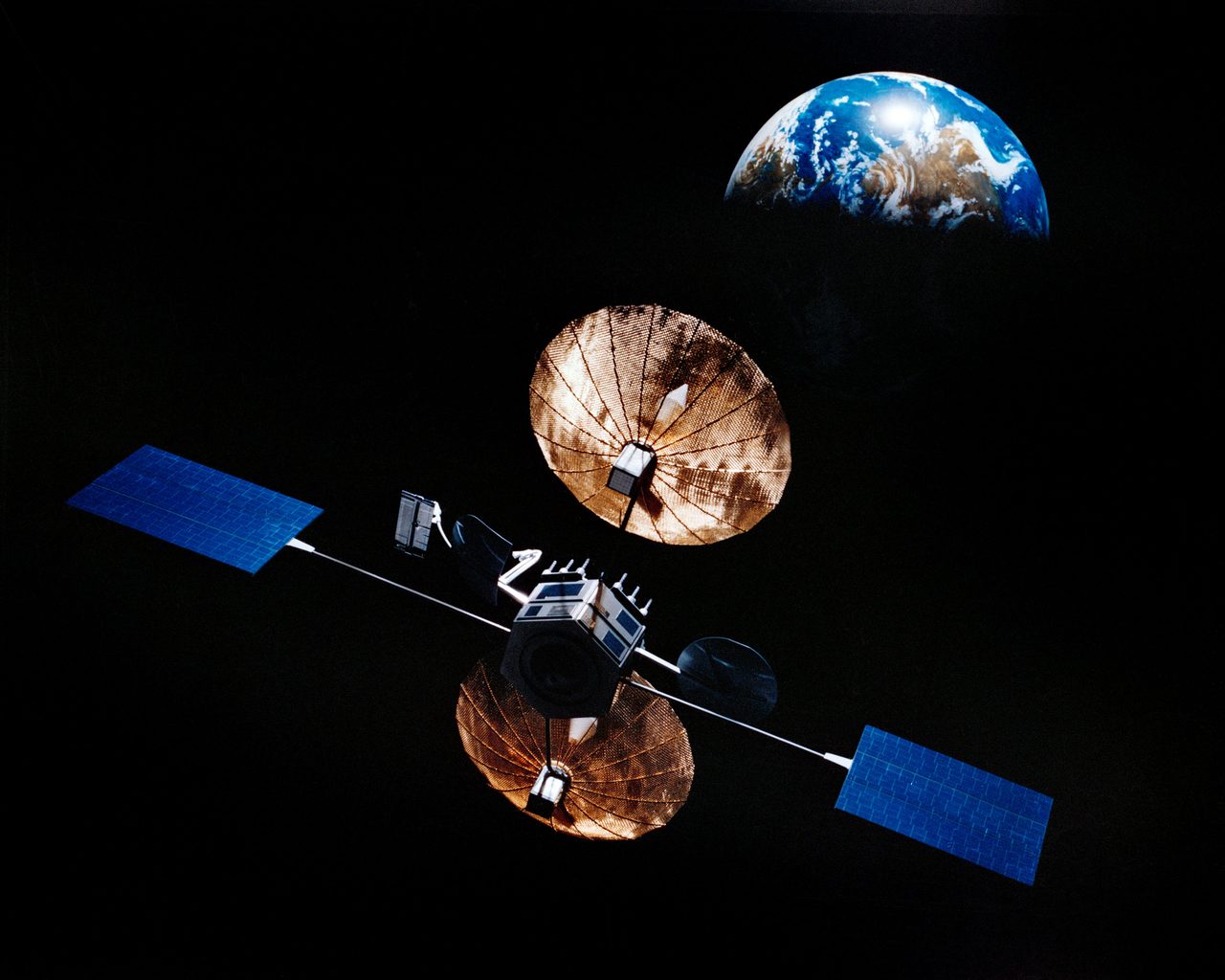
The Satellite Directory by Orbital Radar is an essential tool for anyone interested in tracking the myriad objects currently orbiting Earth. With over 31,000 catalogued objects, including 15,723 active satellites, it offers a comprehensive database search that is both accessible and informative. Users can explore data on operational satellites, space debris, and even track close approaches between objects.
Understanding the Satellite Directory

Orbital Radar's Satellite Directory provides a detailed catalogue of every tracked object in orbit. This includes not only active satellites but also space debris and rocket bodies. As of the latest data, there are 31,371 total catalogued objects, with 9,895 classified as debris. The directory allows users to search by various parameters, such as NORAD ID, satellite name, or mission type, offering a tailored search experience.
How to Use the Satellite Directory

Using the Satellite Directory is straightforward. Users can enter specific search criteria to find detailed information on any satellite or object. Each entry includes data such as orbital parameters (the path a satellite follows around Earth), launch details, and current status. This tool is invaluable for researchers, educators, and enthusiasts looking to understand the complex dynamics of Earth's orbital environment.
The Science Behind the Data
The data in the Satellite Directory is sourced from a combination of international tracking networks and proprietary algorithms. Orbital parameters are calculated using Keplerian elements, which describe the shape and orientation of an orbit. Understanding these elements is crucial for predicting satellite positions and potential collisions. The directory also integrates data from the Satellite Library, ensuring users have access to the most current information.
Why Track Space Debris?
Space debris poses a significant risk to operational satellites and the International Space Station. With 9,895 pieces of debris currently tracked, the Satellite Directory plays a critical role in space situational awareness. By monitoring debris, users can assess collision risks and take preventive measures. This is especially important given the increasing number of close approaches, with 15 active events being tracked as of now.
Key Takeaways
Orbital Radar's Satellite Directory is a powerful tool for accessing detailed information about every object in Earth's orbit. With over 31,000 objects tracked, including 15,723 active satellites, it provides comprehensive data for researchers and space enthusiasts alike. The directory's user-friendly interface and robust search capabilities make it an indispensable resource for understanding and navigating the complexities of space.
Frequently Asked Questions
How many satellites are currently in orbit?
What is the total number of objects tracked in space?
How can I search for a specific satellite?
Why is tracking space debris important?
What information does the Satellite Directory provide?
📎 Cite this article
Orbital Radar Newsroom. (2026). How to Search the Satellite Database: A Comprehensive Guide. Orbital Radar. https://orbitalradar.com/blog/satellite-directory-guide"How to Search the Satellite Database: A Comprehensive Guide." Orbital Radar, 12 June 2026, https://orbitalradar.com/blog/satellite-directory-guide.@misc{orbitalradar_satellite_directory_guide,
title = {How to Search the Satellite Database: A Comprehensive Guide},
author = {{Orbital Radar}},
year = {2026},
howpublished = {\url{https://orbitalradar.com/blog/satellite-directory-guide}}
}