How Solar Cycles Affect Satellite Operations

Solar cycles influence satellite operations by affecting space weather, which can disrupt communications and increase orbital decay.
| Active satellites | 15,732 |
| Starlink active | 9,835 |
| Catalogued objects | 31,381 |
| Predicted re-entries | 16 |
| Active close approaches | 18 |
| People in space | 10 |
The solar cycle, an approximately 11-year cycle of solar activity, significantly impacts satellite operations. During periods of high solar activity, increased solar radiation and geomagnetic storms can disrupt satellite communications and navigation systems. Understanding these effects is crucial for managing the 15,732 active satellites currently in orbit, as tracked by Orbital Radar.
What is the Solar Cycle?
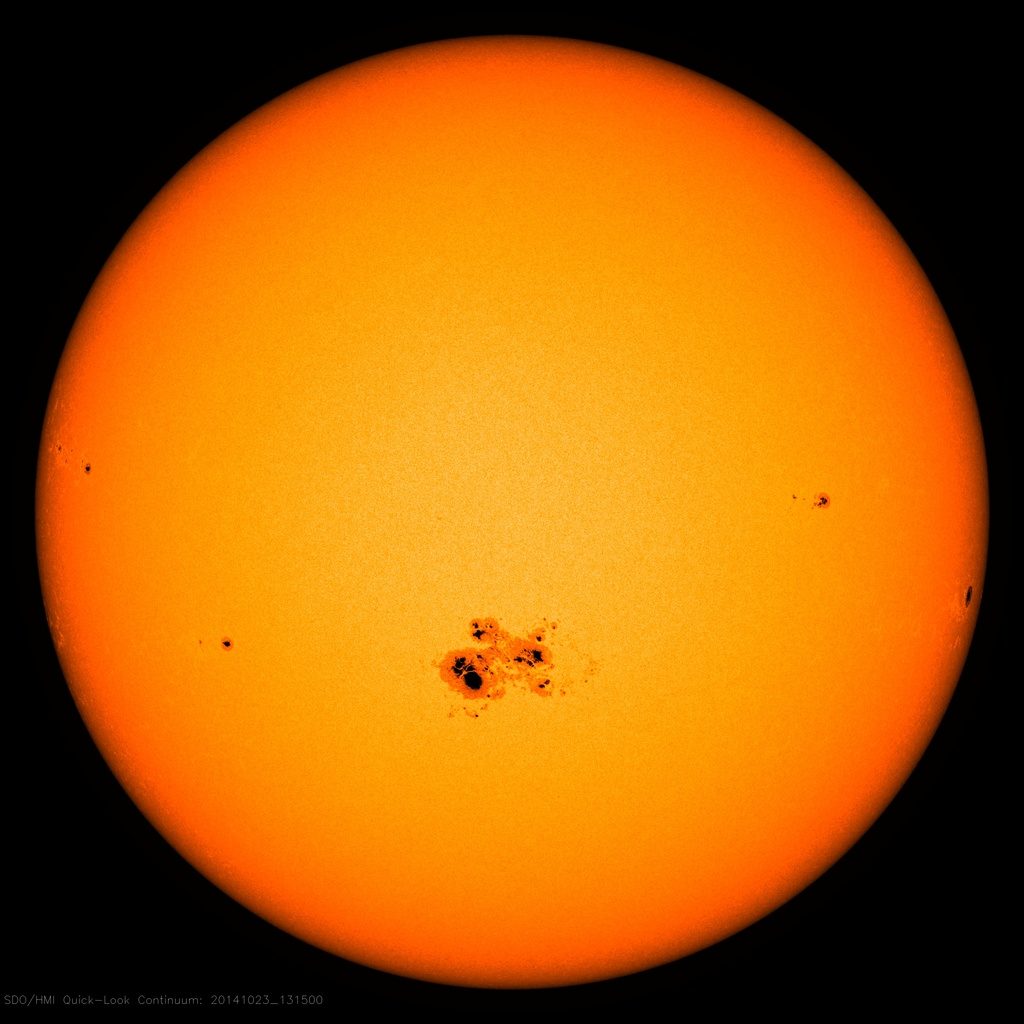
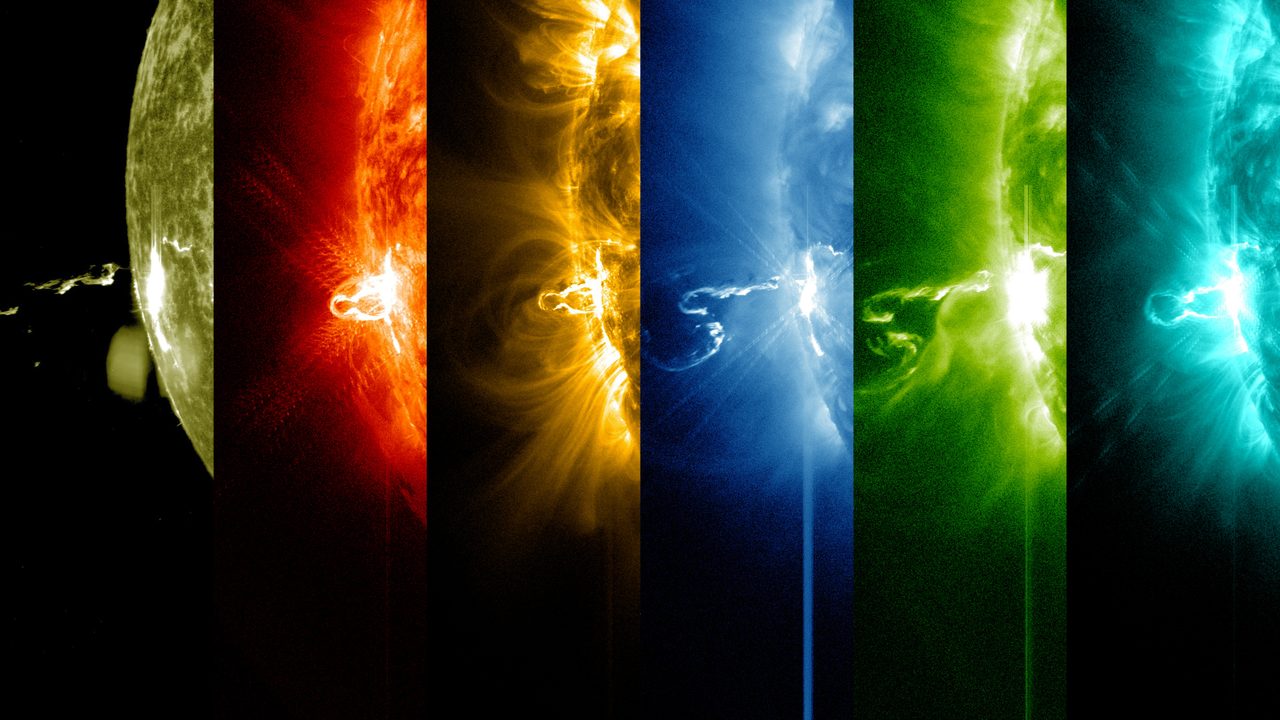
The solar cycle is characterised by the fluctuating number of sunspots on the Sun's surface, indicating varying levels of solar activity. This cycle affects solar radiation and the frequency of solar flares and coronal mass ejections (CMEs). These phenomena can influence Earth's magnetosphere and ionosphere, impacting satellite operations. The current cycle, Solar Cycle 25, began in December 2019 and is expected to peak around 2025.
How Solar Activity Affects Satellites
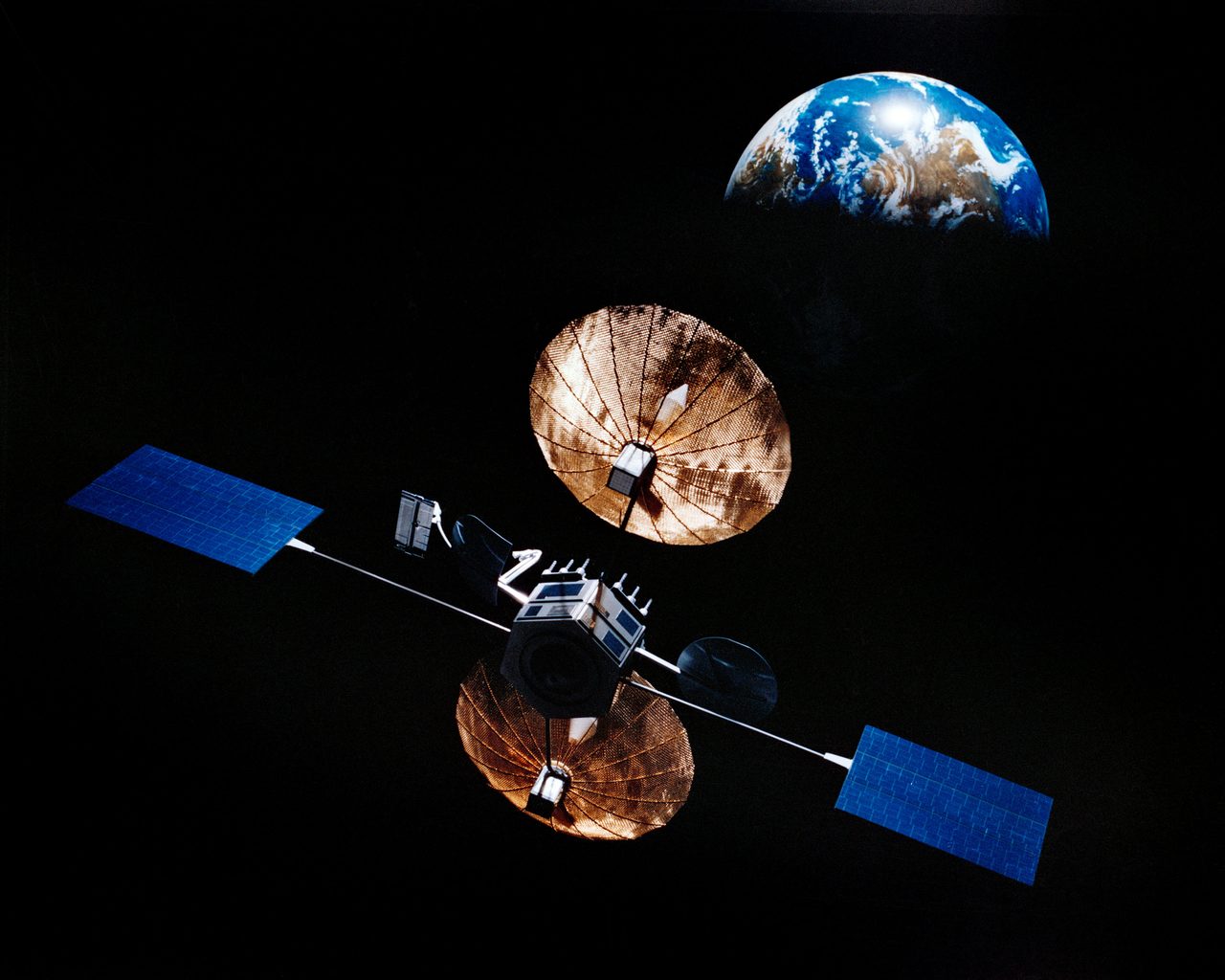
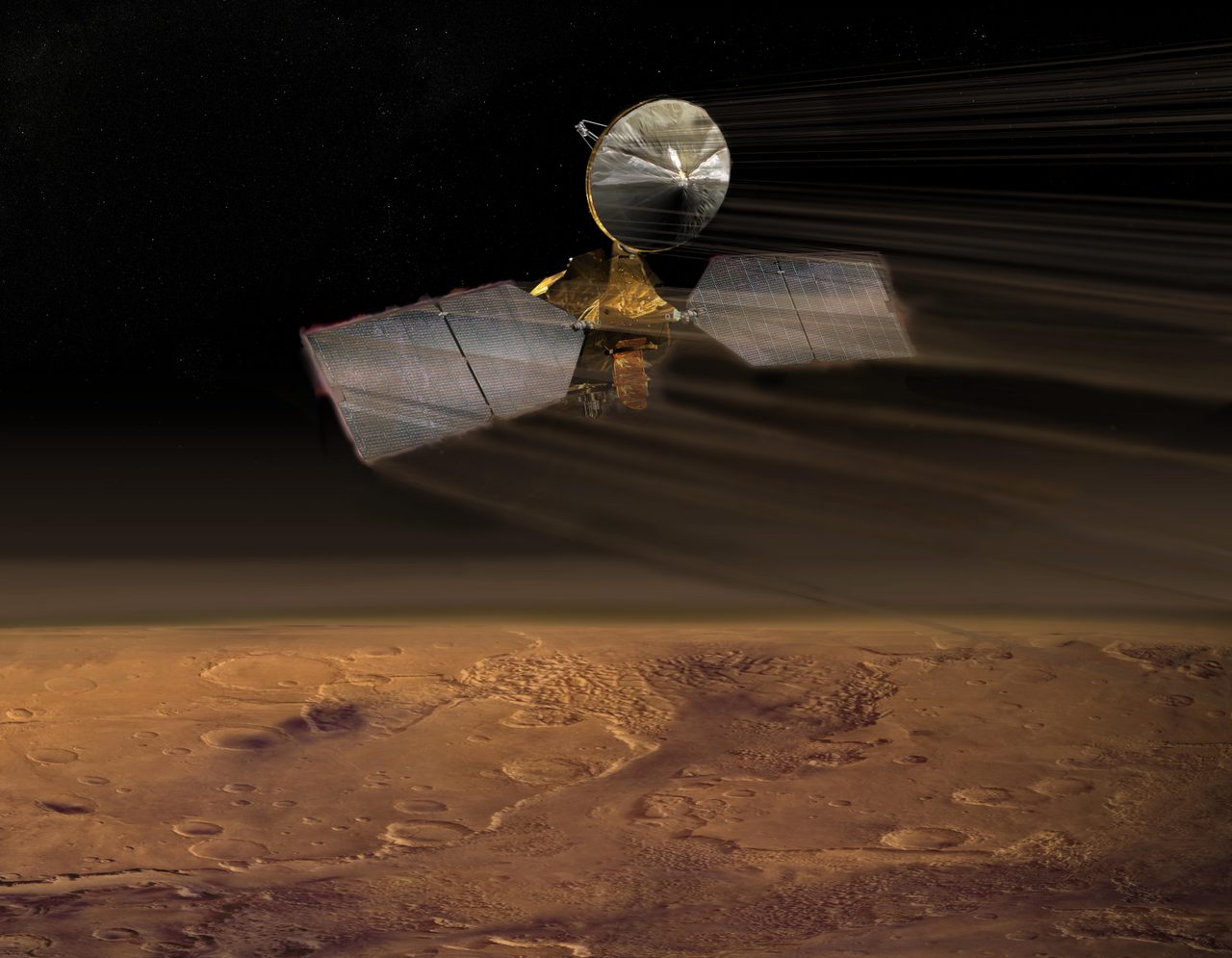
Increased solar activity can lead to heightened levels of space weather, which can interfere with satellite electronics and communications. Solar flares and CMEs can cause geomagnetic storms, leading to increased atmospheric drag on low Earth orbit satellites, such as the 9,835 operational Starlink satellites. This can result in orbital decay and necessitate more frequent orbital adjustments.
Mitigating Solar Cycle Impacts
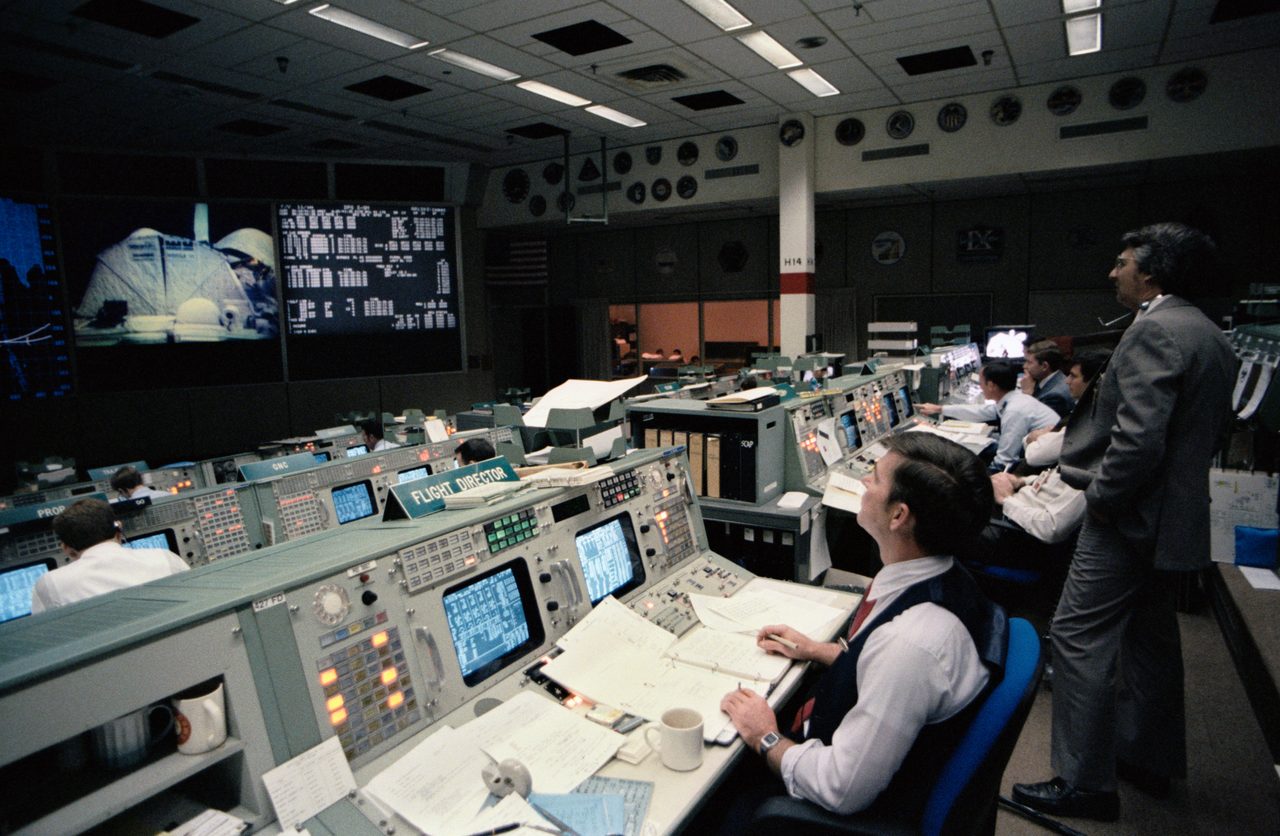
Satellite operators employ various strategies to mitigate the effects of solar activity. These include designing satellites with radiation-hardened components and using predictive models to anticipate solar storms. Operators can use tools like Orbital Radar's space weather tracker to monitor solar activity and plan manoeuvres accordingly.
The Role of Satellite Re-entry
Increased atmospheric drag from solar activity can accelerate the re-entry of satellites. Orbital Radar's re-entry tracker monitors these events, which are expected to occur for 50 satellites this month. Understanding the timing and conditions of re-entry is crucial for managing potential risks to both space and terrestrial environments.
Key Takeaways
The solar cycle plays a critical role in satellite operations, influencing everything from communication reliability to orbital stability. As solar activity increases, satellite operators must remain vigilant, using tools like Orbital Radar's Sun tracker to monitor conditions. By understanding and preparing for these effects, operators can ensure the continued functionality of the global satellite network.
Frequently Asked Questions
How does the solar cycle affect satellite communications?
What measures do satellite operators take during high solar activity?
How many satellites are currently affected by the solar cycle?
What is the current solar cycle?
How does solar activity influence satellite re-entry?
📎 Cite this article · data available
Orbital Radar Newsroom. (2026). How Solar Cycles Affect Satellite Operations. Orbital Radar. https://orbitalradar.com/blog/solar-cycle-satellites-explainer"How Solar Cycles Affect Satellite Operations." Orbital Radar, 19 September 2026, https://orbitalradar.com/blog/solar-cycle-satellites-explainer.@misc{orbitalradar_solar_cycle_satellites_explainer,
title = {How Solar Cycles Affect Satellite Operations},
author = {{Orbital Radar}},
year = {2026},
howpublished = {\url{https://orbitalradar.com/blog/solar-cycle-satellites-explainer}}
}