Understanding the Kp Index: Measuring Geomagnetic Storms
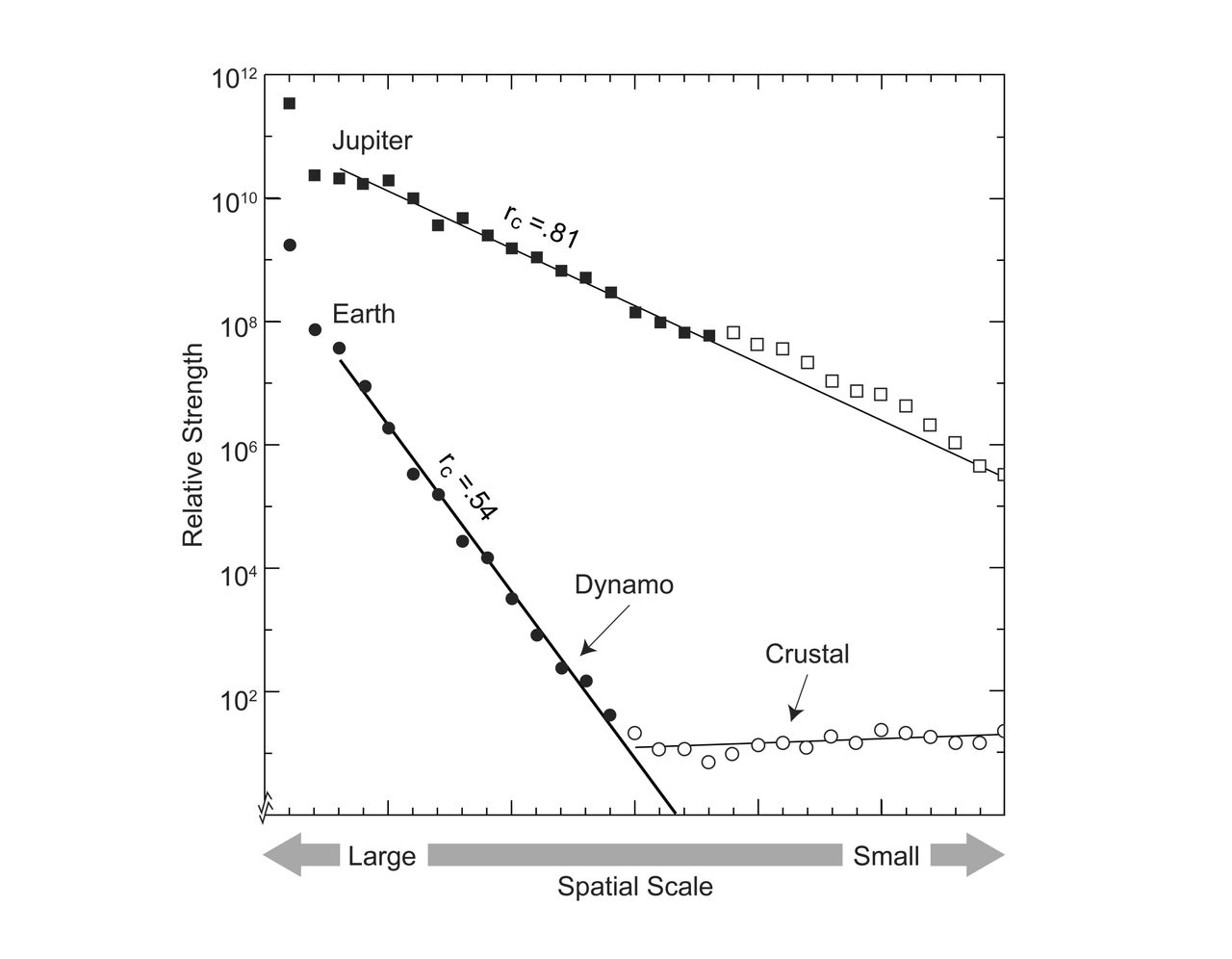
The Kp Index measures geomagnetic storm intensity on a scale from 0 to 9, crucial for understanding space weather impacts.
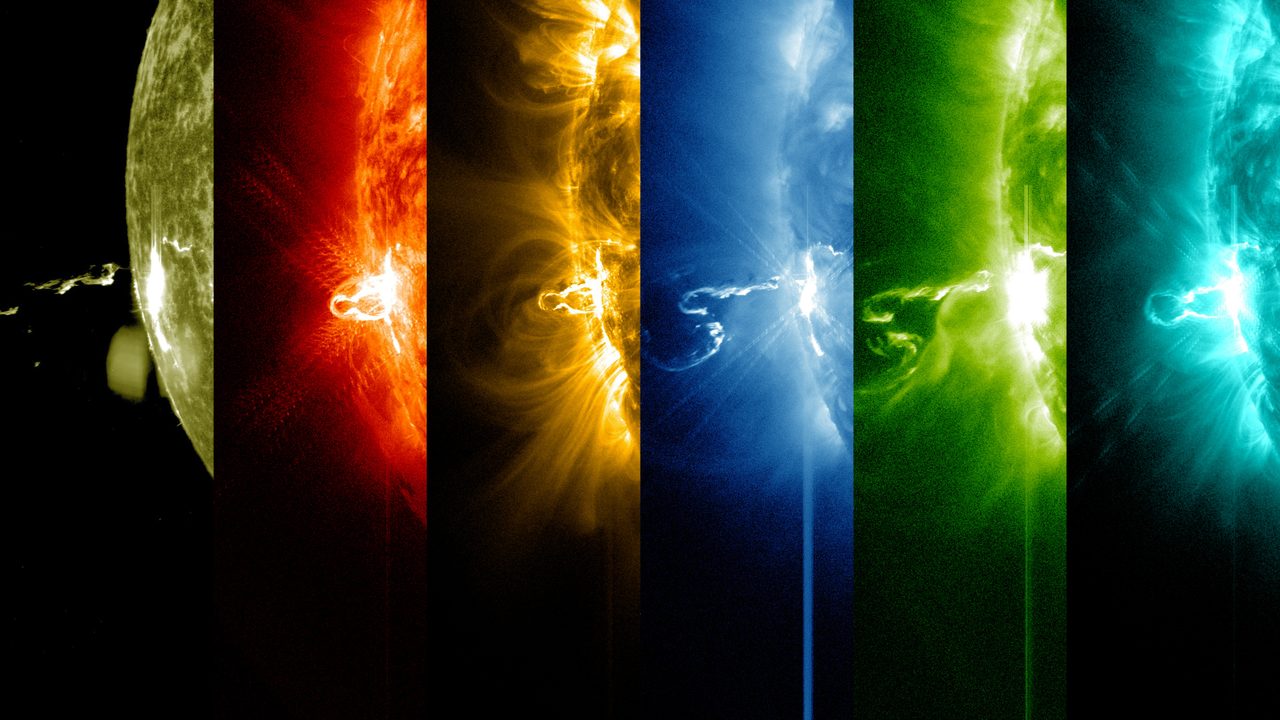
The Kp Index is a global geomagnetic storm index that quantifies disturbances in the Earth's magnetic field on a scale from 0 to 9. This index is pivotal for understanding the intensity of geomagnetic storms, which can affect satellite operations, power grids, and communication systems.
How is the Kp Index Calculated?
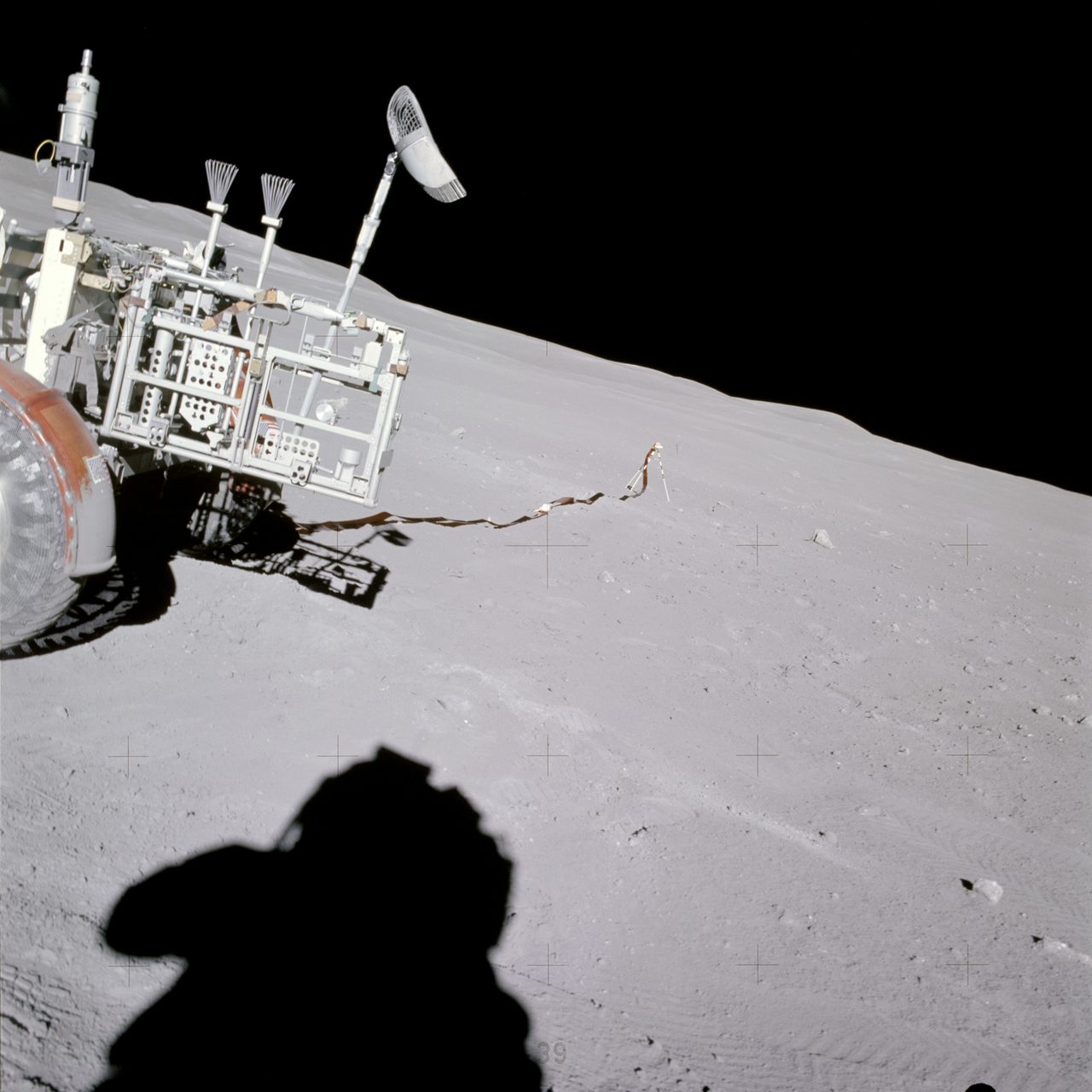
The Kp Index is derived from measurements taken by a network of ground-based magnetometers distributed across the globe. These instruments record variations in the Earth's magnetic field, which are then averaged over three-hour periods. The resulting values are converted into a scale from 0 (calm) to 9 (extreme storm) to provide a standardised measure of geomagnetic activity.
Why Does the Kp Index Matter?

The Kp Index is crucial for predicting and understanding space weather events. High Kp values indicate increased geomagnetic activity, which can disrupt satellite communications, GPS signals, and even cause power outages on Earth. For instance, during a geomagnetic storm in March 1989, the entire province of Quebec experienced a power blackout.
Kp Index and Satellite Operations

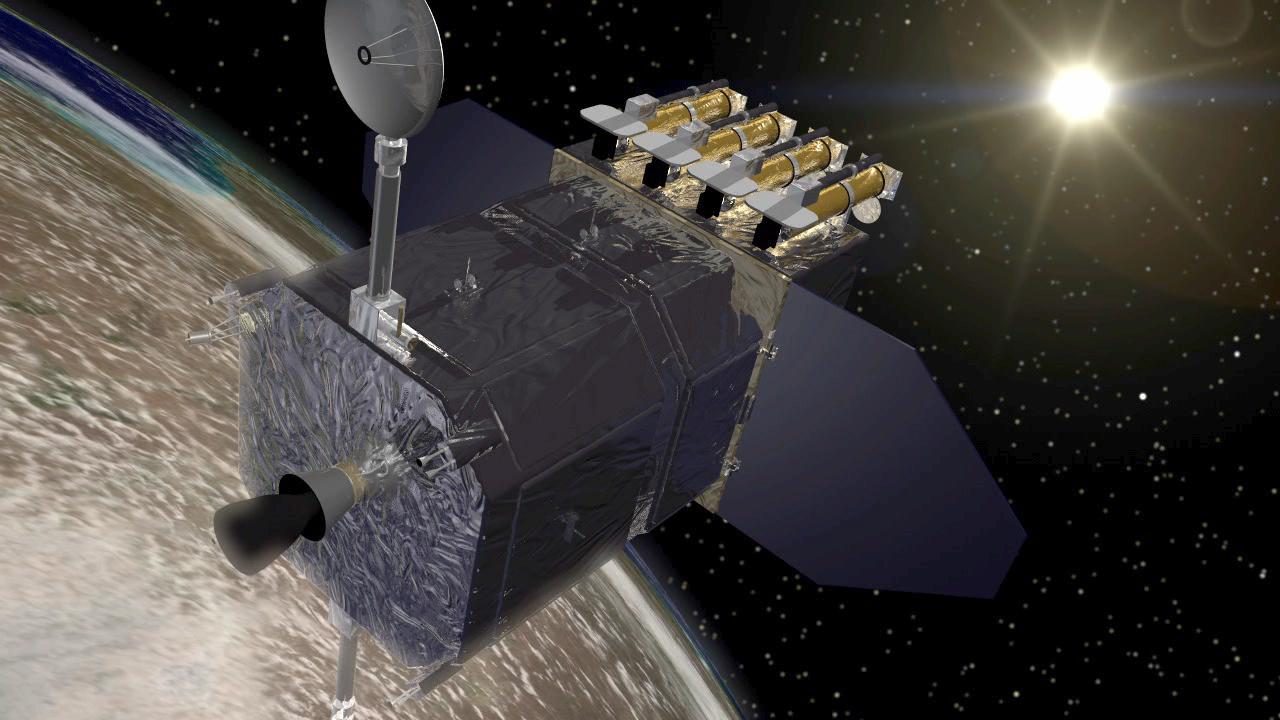
Satellites in low Earth orbit, such as the Starlink constellation, are particularly vulnerable to geomagnetic storms. Increased atmospheric drag during high Kp events can alter satellite orbits, necessitating adjustments to maintain their intended paths. Operators can monitor the Kp Index via the Orbital Radar Kp Index page to anticipate and mitigate these effects.
Kp Index vs Other Space Weather Indicators
While the Kp Index provides a global measure of geomagnetic activity, other indices like the Dst (Disturbance Storm Time) index focus on specific aspects such as the strength of the ring current surrounding Earth. Understanding these different indices helps build a comprehensive picture of space weather conditions, which is essential for both scientific research and practical applications.
Key Takeaways
The Kp Index is an essential tool for monitoring geomagnetic storms, providing a numerical scale that reflects the severity of disturbances in the Earth's magnetic field. By understanding the Kp Index, scientists and engineers can better predict and respond to space weather impacts on technology and infrastructure.
Frequently Asked Questions
What does a high Kp Index mean?
How often is the Kp Index updated?
Can the Kp Index predict auroras?
How does the Kp Index affect aviation?
Where can I find real-time Kp Index data?
📎 Cite this article
Orbital Radar Newsroom. (2026). Understanding the Kp Index: Measuring Geomagnetic Storms. Orbital Radar. https://orbitalradar.com/blog/kp-index-explained-guide"Understanding the Kp Index: Measuring Geomagnetic Storms." Orbital Radar, 7 August 2026, https://orbitalradar.com/blog/kp-index-explained-guide.@misc{orbitalradar_kp_index_explained_guide,
title = {Understanding the Kp Index: Measuring Geomagnetic Storms},
author = {{Orbital Radar}},
year = {2026},
howpublished = {\url{https://orbitalradar.com/blog/kp-index-explained-guide}}
}