Understanding Atmospheric Drag on Satellites: A Detailed Guide
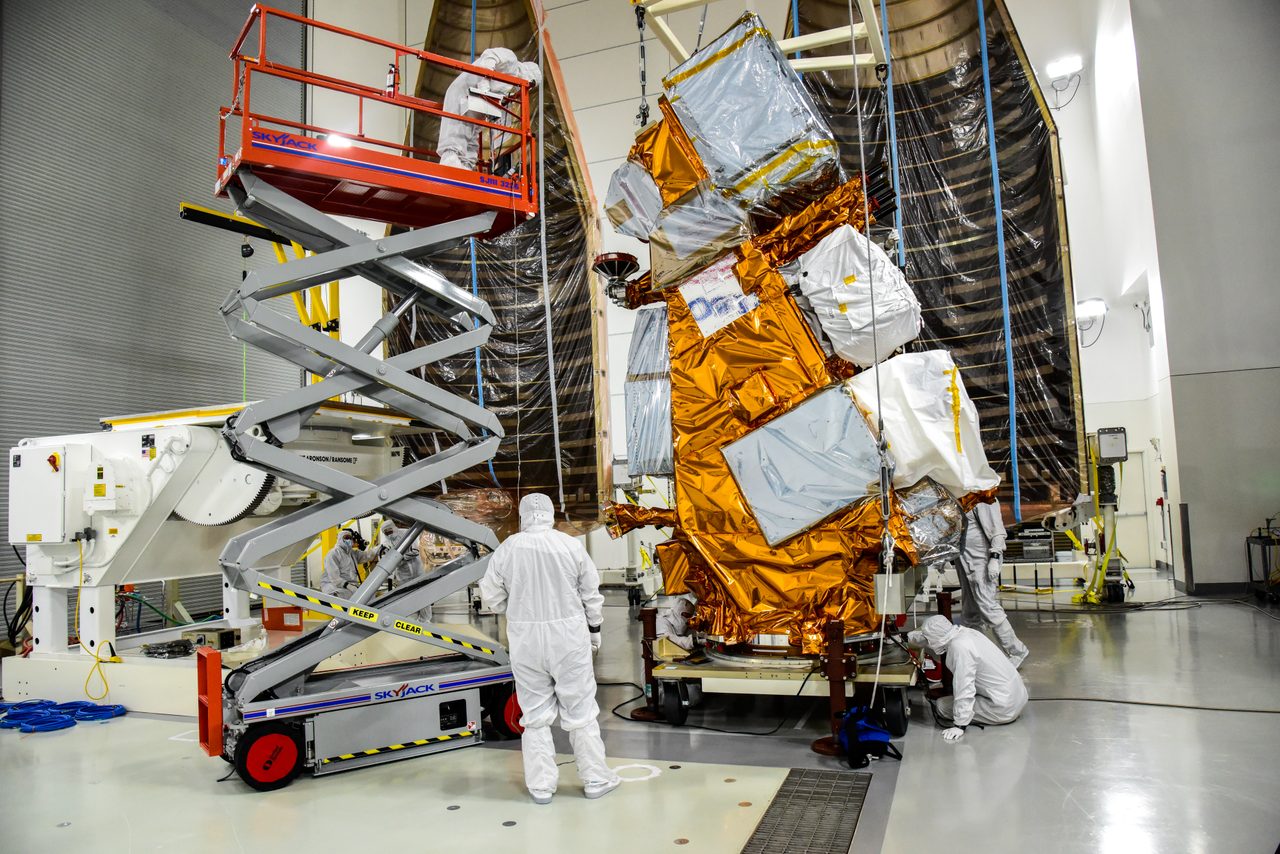
Atmospheric drag is a key factor affecting satellites in low Earth orbit, influencing their speed and altitude over time.
| Active satellites | 15,745 |
| Starlink active | 9,962 |
| Catalogued objects | 31,273 |
| Predicted re-entries | 24 |
| Active close approaches | 14 |
| People in space | 10 |
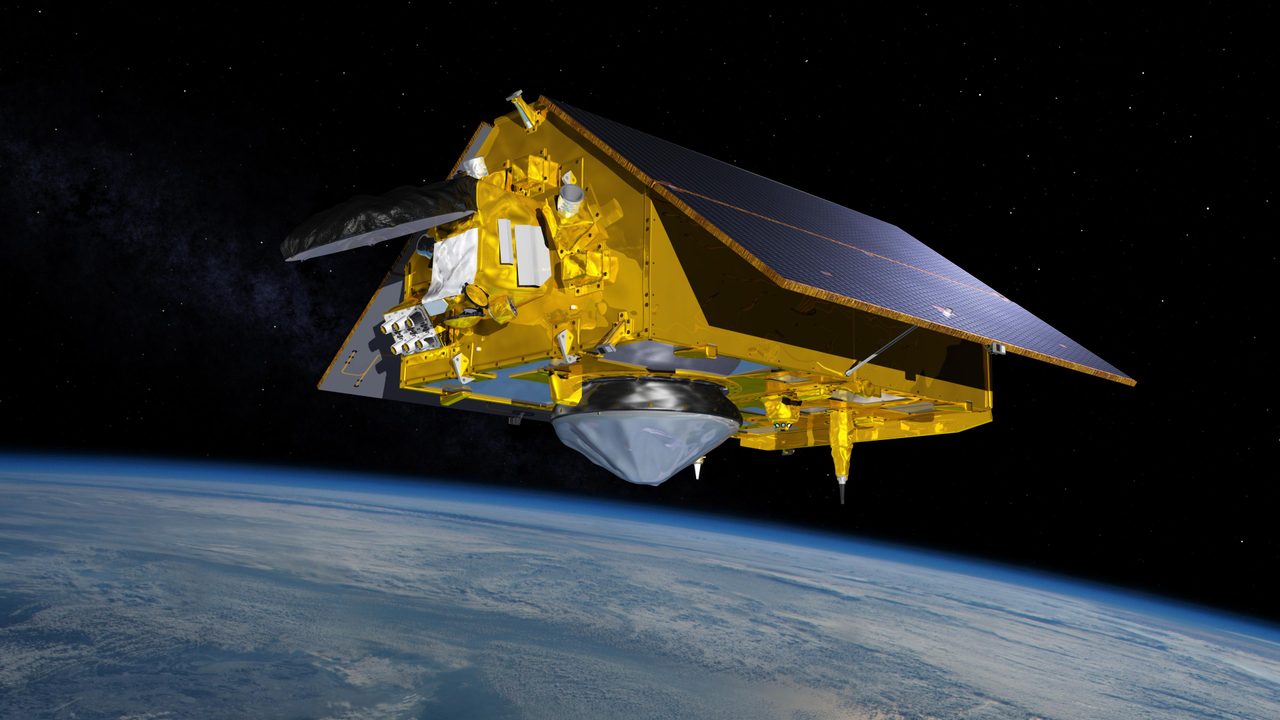
Atmospheric drag is the resistance experienced by satellites as they move through the thin upper layers of Earth's atmosphere. This force acts to slow down satellites, gradually reducing their altitude and speed, which can lead to orbital decay. Understanding and mitigating atmospheric drag is crucial for maintaining satellite operations and prolonging their lifespan.
What Causes Atmospheric Drag on Satellites?
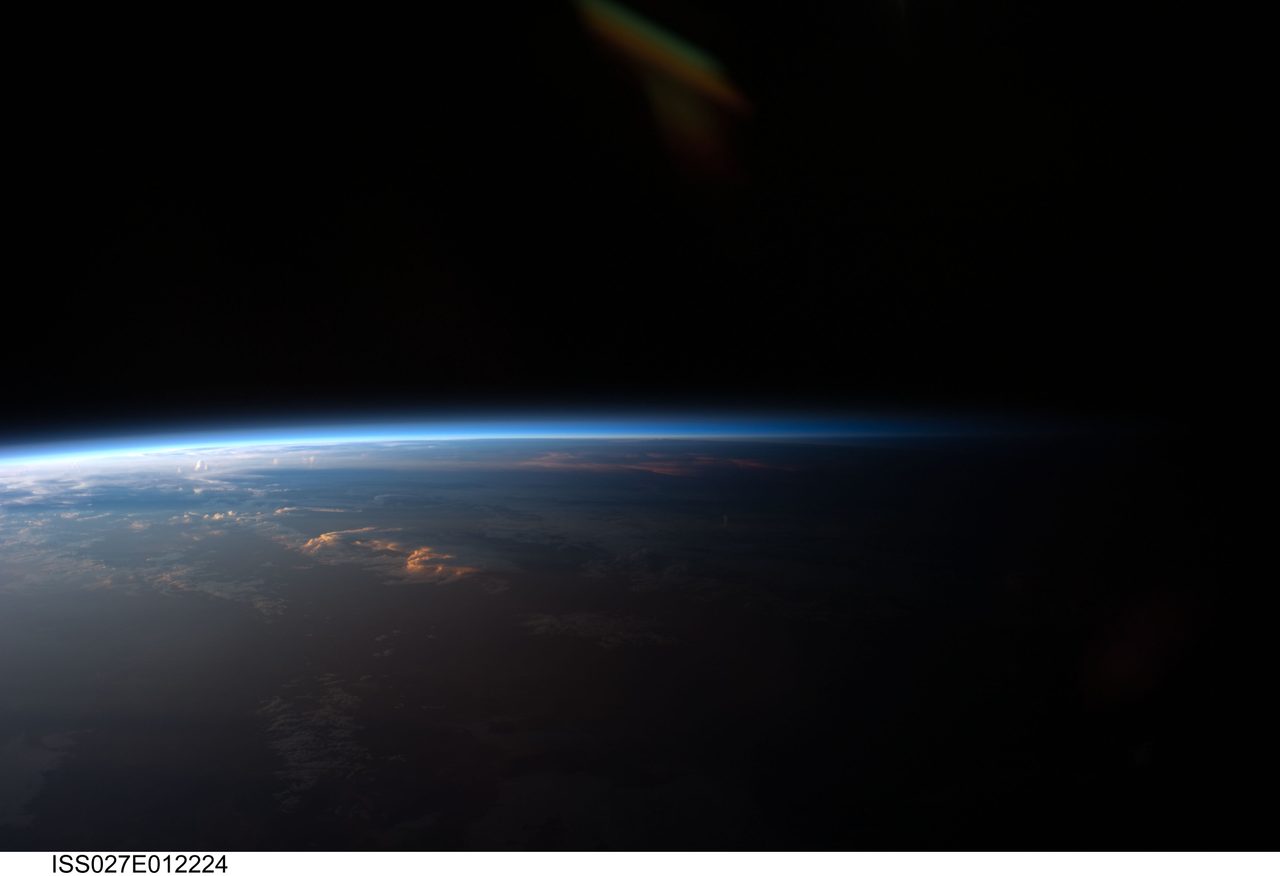
Atmospheric drag is primarily caused by collisions between the satellite's surface and atmospheric particles. Although the atmosphere is extremely thin at altitudes where most satellites orbit, it is dense enough to exert a noticeable drag force. This effect is more pronounced at lower altitudes, typically below 1,000 km, where the atmosphere is denser. Satellite operators must account for this drag when planning missions, especially for low Earth orbit (LEO) satellites.
How Does Atmospheric Drag Affect Satellite Orbits?
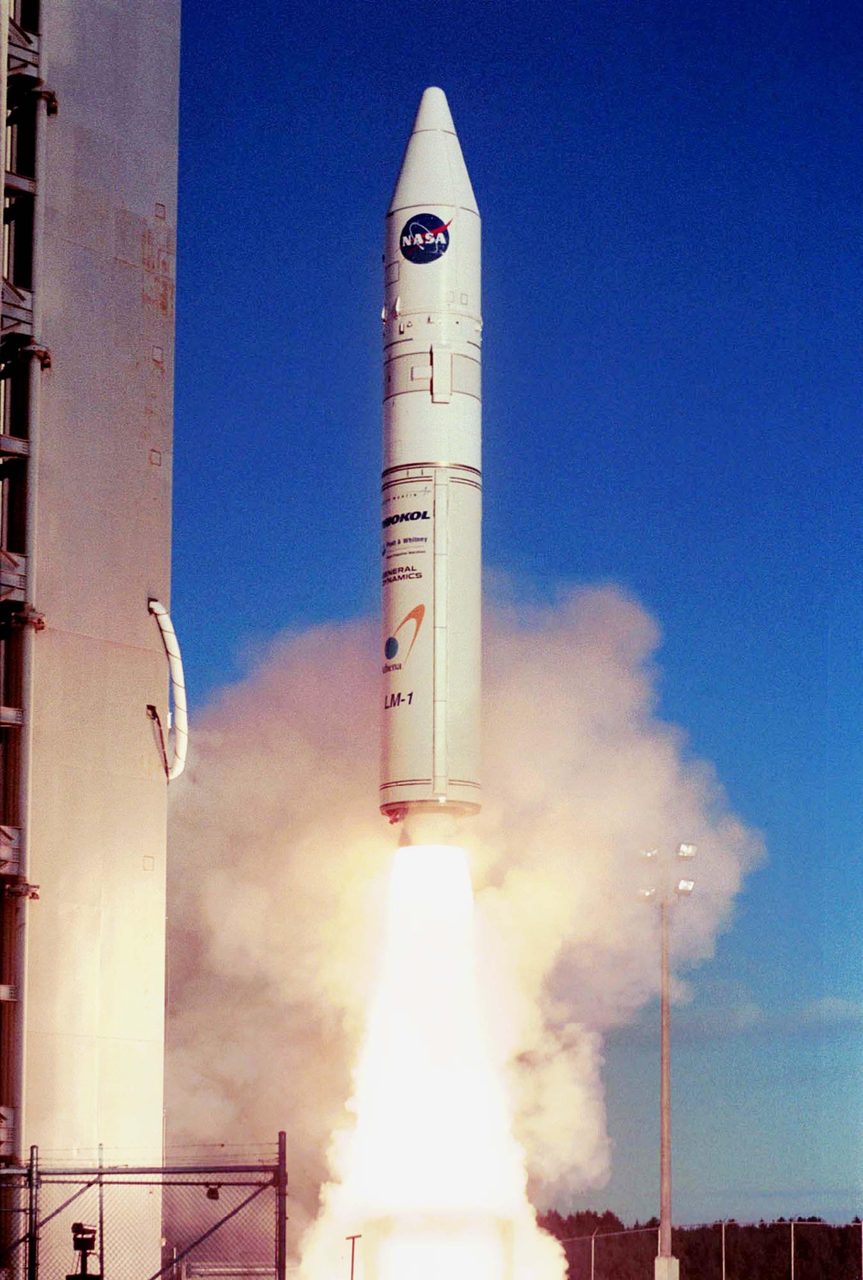
The impact of atmospheric drag on a satellite's orbit is a gradual reduction in altitude and velocity. As drag slows a satellite, it loses kinetic energy, causing it to descend into denser atmospheric layers, which increases the drag further. This process, known as orbital decay, can eventually lead to re-entry if not corrected. Operators often perform 'station-keeping' manoeuvres to counteract this effect, using onboard propulsion systems to adjust the satellite's trajectory.
Why Is Atmospheric Drag Important for Satellite Operations?
Atmospheric drag is a critical factor in satellite mission planning and operation. It affects fuel consumption, mission duration, and the frequency of required orbital adjustments. For constellations like SpaceX's Starlink, which has 9,962 active satellites according to Orbital Radar's live catalogue, managing drag is essential to maintaining network coverage and performance. Understanding drag also aids in predicting satellite re-entry, which can be tracked using the Orbital Radar re-entry tracker.
Atmospheric Drag vs. Space Weather: What's the Connection?
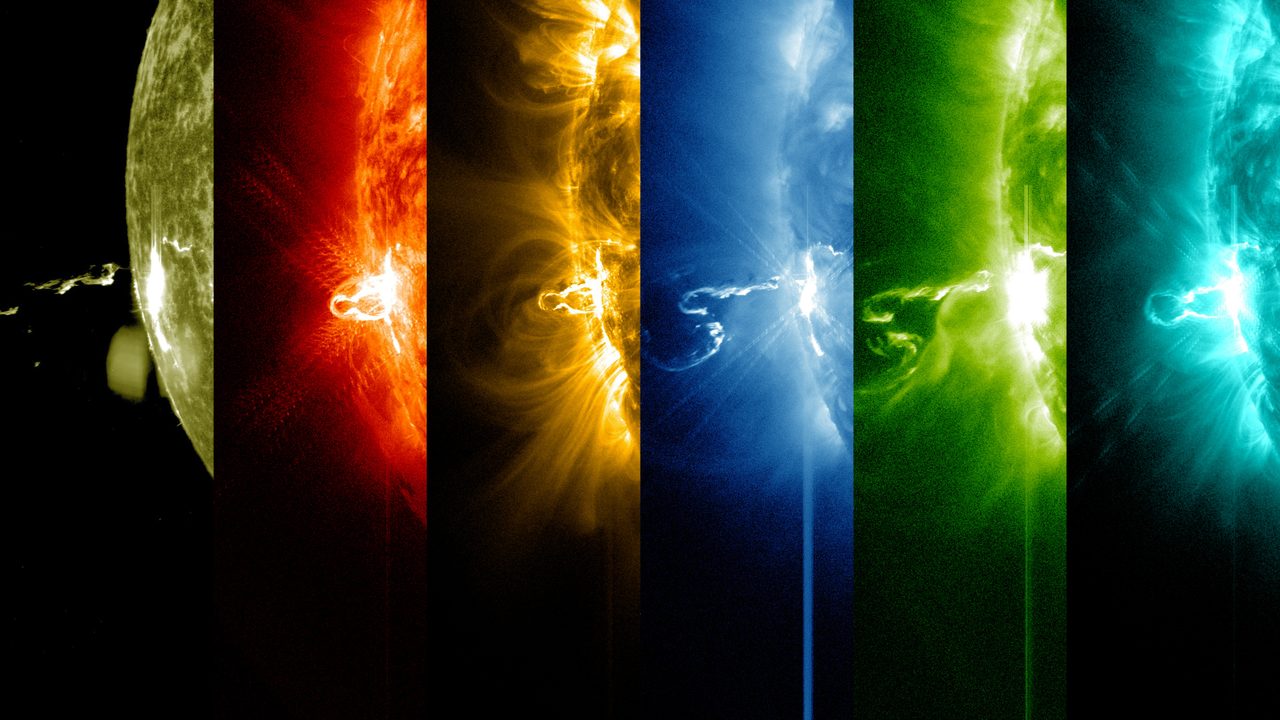
Space weather, particularly solar activity, can significantly influence atmospheric drag. Solar storms heat the Earth's upper atmosphere, causing it to expand and increase drag on satellites. This effect can accelerate orbital decay and necessitate more frequent adjustments. Monitoring space weather is crucial for satellite operators, as detailed in the Orbital Radar space weather section.
Mitigating the Effects of Atmospheric Drag
To mitigate atmospheric drag, satellite designers use streamlined shapes and materials that minimise resistance. Additionally, onboard propulsion systems are employed to perform regular orbit corrections. These systems are vital for extending the operational life of satellites, especially in LEO. Advances in propulsion technology, such as ion thrusters, offer more efficient ways to counteract drag.
Key Takeaways
Atmospheric drag is a significant factor in satellite operations, particularly for those in low Earth orbit. It causes orbital decay, necessitating regular adjustments to maintain altitude and function. Space weather can exacerbate drag effects, making monitoring essential. Understanding and mitigating drag is crucial for the longevity and success of satellite missions.
Frequently Asked Questions
How does atmospheric drag affect satellite lifespan?
Why do satellites in low Earth orbit experience more drag?
How do operators counteract atmospheric drag?
What role does solar activity play in atmospheric drag?
Can atmospheric drag be predicted?
📎 Cite this article · data available
Orbital Radar Newsroom. (2026). Understanding Atmospheric Drag on Satellites: A Detailed Guide. Orbital Radar. https://orbitalradar.com/blog/atmospheric-drag-explainer"Understanding Atmospheric Drag on Satellites: A Detailed Guide." Orbital Radar, 28 September 2026, https://orbitalradar.com/blog/atmospheric-drag-explainer.@misc{orbitalradar_atmospheric_drag_explainer,
title = {Understanding Atmospheric Drag on Satellites: A Detailed Guide},
author = {{Orbital Radar}},
year = {2026},
howpublished = {\url{https://orbitalradar.com/blog/atmospheric-drag-explainer}}
}