This Week in Orbit: 10,038 Starlinks and a Moon Push
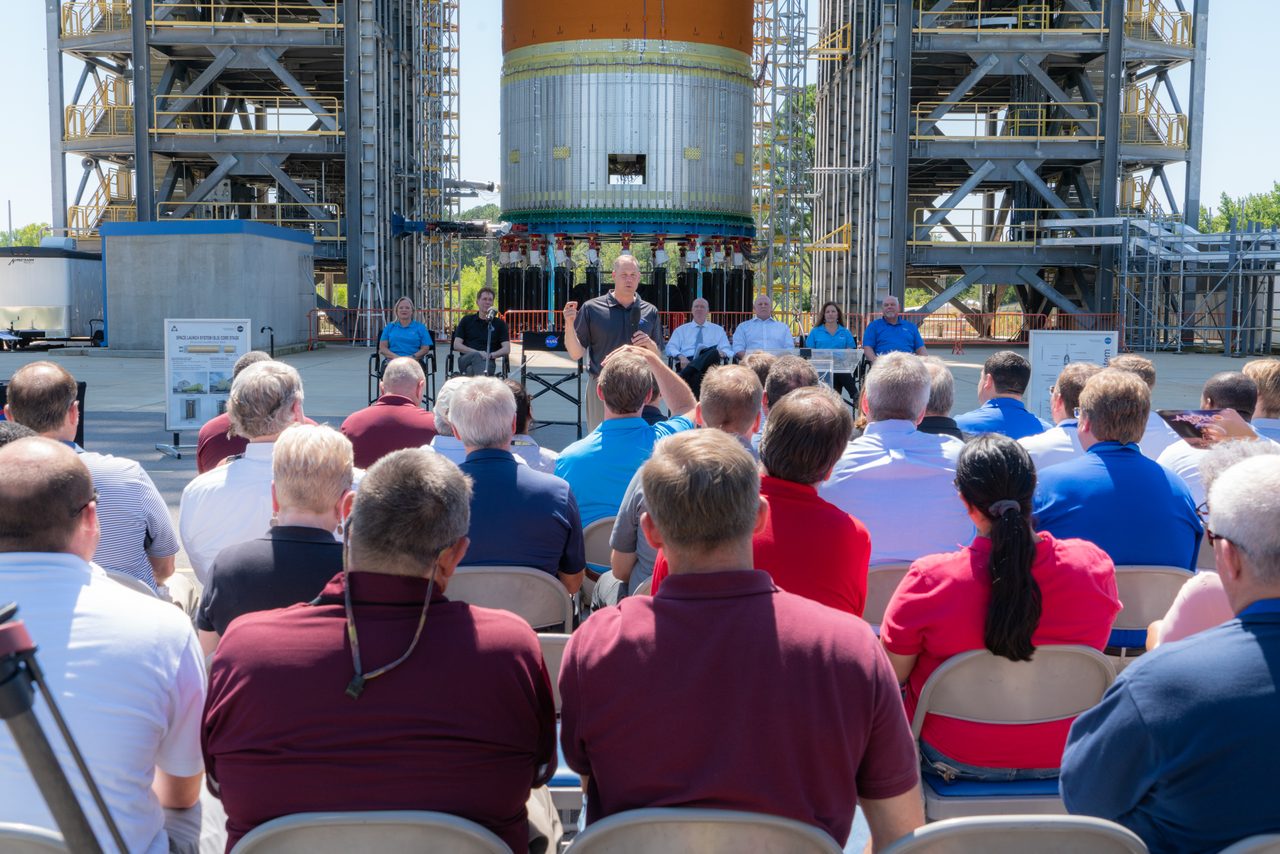
China and SpaceX added to their constellations, NASA advanced its lunar lander plans, and close-approach tracking highlighted the distinction between proximity and collision risk.
| Active satellites | 15,893 |
| Starlink active | 10,038 |
| Catalogued objects | 31,837 |
| Active close approaches | 19 |
| People in space | 10 |
Week Overview
NASA's push towards Moon missions in 2028 set the week's exploration agenda, alongside successful launches for China's SatNet and Yaogan programmes and SpaceX's Starlink constellation. NASA outlined an Artemis III role testing future lunar lander operations, while its partners pressed ahead with lander development. The distinction matters: demonstrating operations and delivering a landing are different milestones, even when they belong to the same lunar campaign.
15,893 satellites were active in orbit as of 25 October 2026, according to Orbital Radar tracking data. Against that expanding operational backdrop, the week's stories ranged from the end of NASA's Swift mission to research on lunar habitat insulation made from Mylar. These developments connect the immediate business of operating spacecraft with the longer task of making exploration sustainable.
Orbital Radar's Spacecraft & Capsules page at /spacecraft provides context for the vehicles involved in human exploration, while the Space Agencies directory at /space-agencies helps readers follow the institutions behind those programmes.
Launch Activity
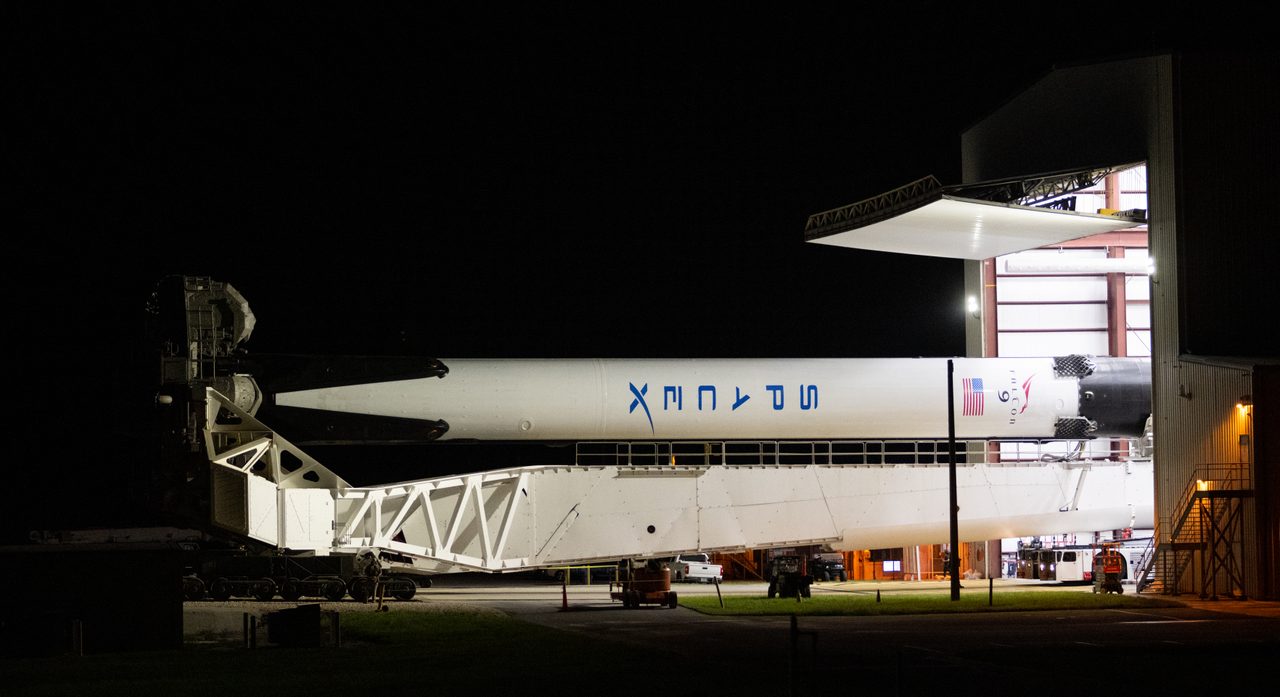
China's Long March programme accounted for three successful missions in the week's launch activity. Long March 6A launched Yaogan 50-03 on 23 October at 10:15 UTC, followed by Long March 4B carrying the mission designated Yaogan 53-07 to 09/56-19 to 21 at 19:25 UTC. Long March 8A then launched SatNet LEO Group 28 on 25 October at 02:03 UTC; LEO means low Earth orbit.
SpaceX's Falcon 9 Block 5 launched Starlink Group 15-15 on 23 October at 22:48 UTC. Together, the missions underline the continuing importance of constellation deployment, although the mission names alone do not establish how many spacecraft each launch placed into service. Launch success also precedes the commissioning work needed before a satellite becomes operational.
Orbital Radar's Launch Log at /satellite-launch-log puts these flights into their historical sequence. The China in Space hub at /china and Long March hub at /launch-vehicles/long-march offer a more focused route through China's launch activity and fleet.
Orbital Events
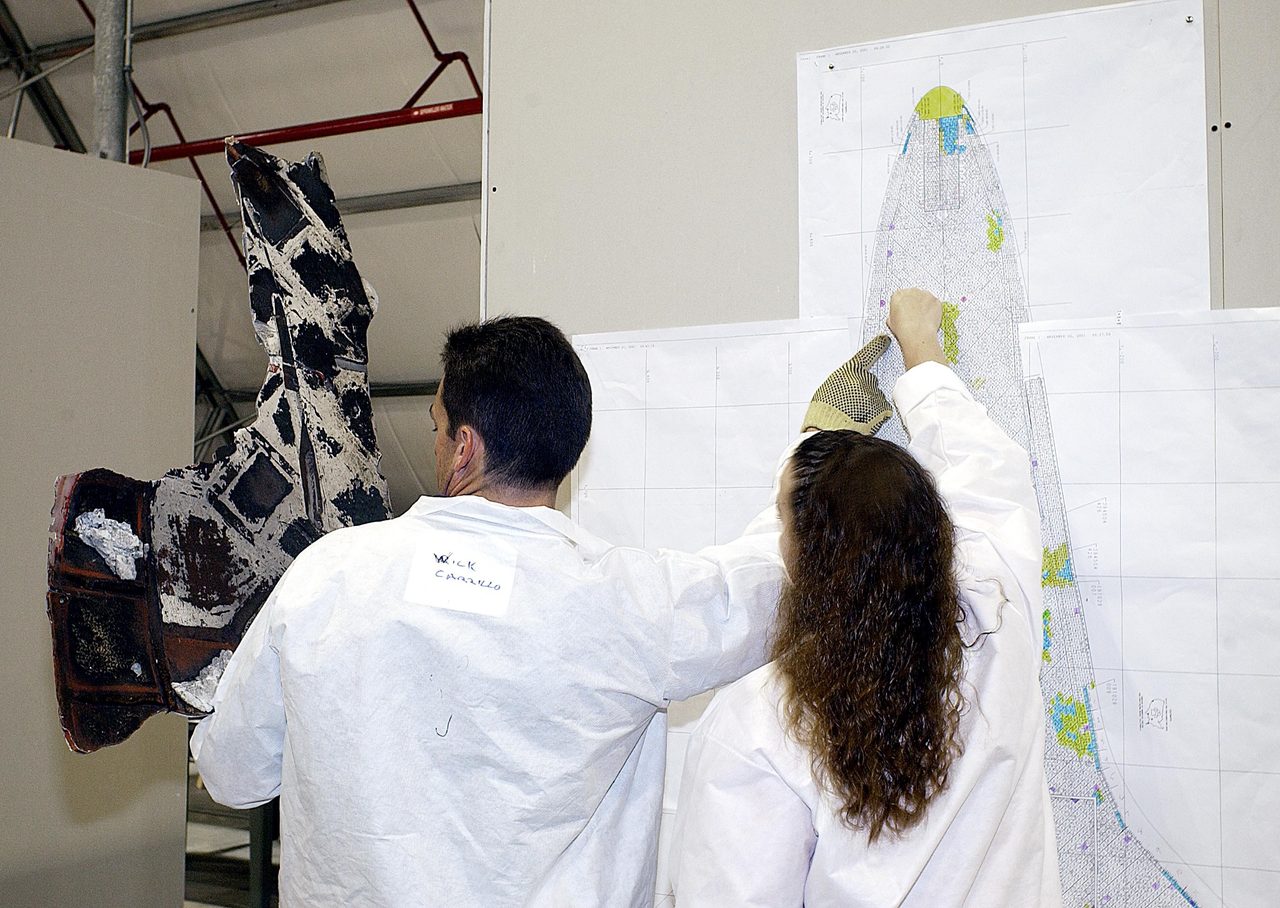
Orbital Radar was tracking 19 active close approaches on 25 October 2026, according to Orbital Radar tracking data. Among the encounters, SUPERVIEW NEO-2 03 and SUPERVIEW NEO-2 04 had a minimum separation of about 0.28 km, while GHGSAT-C19 and OBJECT CQ had a minimum separation of about 0.52 km. PELICAN-12 and OBJECT AG were listed at about 1.65 km.
A close approach, often called a conjunction, is not itself a collision prediction. Distance must be considered alongside trajectory uncertainty, relative motion and whether the spacecraft deliberately operate near one another. That caution is particularly relevant to pairs such as PROBA-3 CSC and PROBA-3 OSC, listed at about 0.83 km, and TERRA SAR X and TANDEM X, listed at about 0.58 km: proximity can be part of a mission's observing strategy.
The tracked environment included 10,019 debris objects and 2,204 rocket bodies. Orbital Radar's Debris Map at /space-debris-map and space situational awareness toolkit at /space-situational-awareness place such encounters within the broader challenge of monitoring traffic and avoiding hazardous conjunctions.
Space Weather
Space weather was quiet at the reporting point, with the Kp index at 0. Kp is a measure of disturbances in Earth's magnetic field; low values indicate relatively settled geomagnetic conditions. Orbital Radar's regional assessments were green for low Earth orbit, geostationary orbit and the International Space Station, rather than indicating an elevated operational warning.
That assessment describes current conditions, not a guarantee for the coming week. Satellite operators monitor solar activity because changes can affect communications, navigation and the atmospheric drag experienced by spacecraft. A quiet interval still requires routine monitoring, especially when planning manoeuvres or interpreting changes in an orbit.
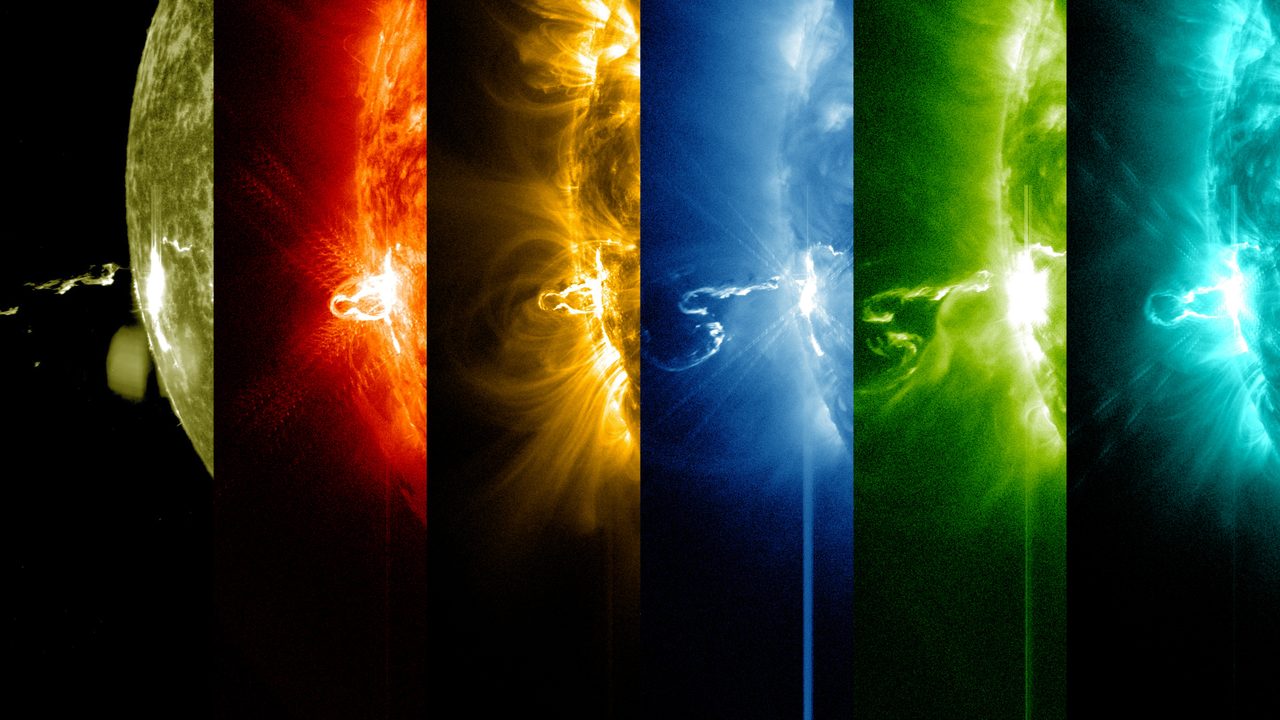
Solar research also featured this week, with work examining how flare ribbons reveal otherwise hidden solar explosions. These bright structures help researchers investigate energy release on the Sun. Orbital Radar's Sun Globe at /sun provides a visual reference, while the Glossary at /glossary explains the terminology behind geomagnetic activity and satellite operations.
Notable Satellites
10,038 Starlink satellites were operational as of 25 October 2026, according to Orbital Radar tracking data. A further 915 were raising their orbits and 190 were deorbiting, illustrating why a constellation's operational population differs from its launch total. Orbit raising brings spacecraft towards their intended working trajectories; deorbiting takes them towards atmospheric re-entry.
Orbital Radar's Starlink Tracker at /starlink-tracker distinguishes these phases, while the Pass Predictor at /satellite-pass-predictions helps observers identify viewing opportunities. The week's successful Starlink flight adds another deployment to a network whose individual spacecraft move through deployment, service and disposal rather than remaining in a fixed operational state.
NASA's announcement that Swift's mission had ended marked a different kind of transition. The observatory leaves a scientific archive whose value continues beyond spacecraft operations, a reminder that mission endings are not necessarily the end of discovery. Elsewhere, reporting on 27 exoplanet targets for a private space telescope pointed towards future observations of worlds beyond the Solar System.
Looking Ahead
The next scheduled Starlink missions are Group 15-16 on 27 October at 04:45 UTC and Group 15-18 on 30 October at 04:02 UTC, both marked go for launch. India's GSLV Mk II mission carrying IRNSS-1L, also designated NVS-03, is listed for 30 October at 17:00 UTC with confirmation pending. These are planned opportunities, not completed flights.
Further ahead, Starlink Group 15-21 is scheduled for 5 November at 05:14 UTC, with NROL-195 listed later that day at 22:34 UTC pending confirmation. Rocket Lab's Electron missions The Sea God Surveys and The Mountain God Rises remain on the November schedule without fixed launch dates. Orbital Radar's Launch Schedule at /launch-schedule is the place to follow changes as preparations progress.
Beyond launches, watch how NASA translates its Artemis lander announcements into test objectives and development milestones. The central question is not simply when hardware flies, but what each mission must demonstrate before astronauts can rely on it for lunar operations.
📎 Cite this article · data available
Orbital Radar Newsroom. (2026). This Week in Orbit: 10,038 Starlinks and a Moon Push. Orbital Radar. https://orbitalradar.com/blog/this-week-in-orbit-2026-10-25"This Week in Orbit: 10,038 Starlinks and a Moon Push." Orbital Radar, 26 October 2026, https://orbitalradar.com/blog/this-week-in-orbit-2026-10-25.@misc{orbitalradar_this_week_in_orbit_2026_10_25,
title = {This Week in Orbit: 10,038 Starlinks and a Moon Push},
author = {{Orbital Radar}},
year = {2026},
howpublished = {\url{https://orbitalradar.com/blog/this-week-in-orbit-2026-10-25}}
}