Space News Mission Log — Satellite Launches, Orbital Events & Analysis
Daily space news, satellite launch reports, orbital debris analysis and weekly roundups — grounded in live tracking data from our network monitoring 7 published reports.
Pluto's Hidden Colours: A New Perspective on the Dwarf Planet
Explore Pluto's surface in enhanced color, revealing its geological diversity through images from the New Horizons mission.
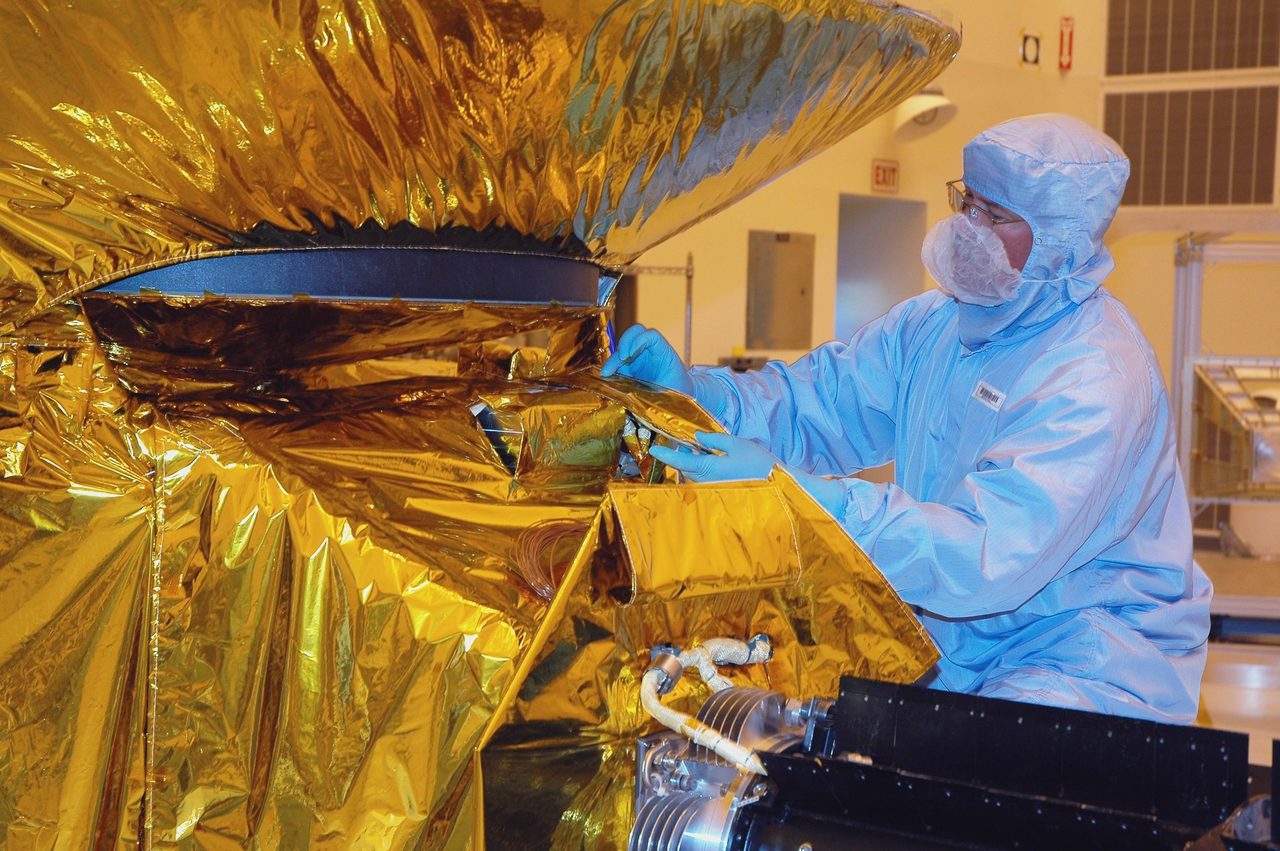
New Horizons: The Pluto Flyby Probe
New Horizons is a NASA space probe launched to study Pluto and its moons, as well as other objects in the Kuiper Belt. Launched on 19 January 2006, it was the first mission to explore Pluto up close, providing unprecedented data and images of the dwarf planet and its satellites.
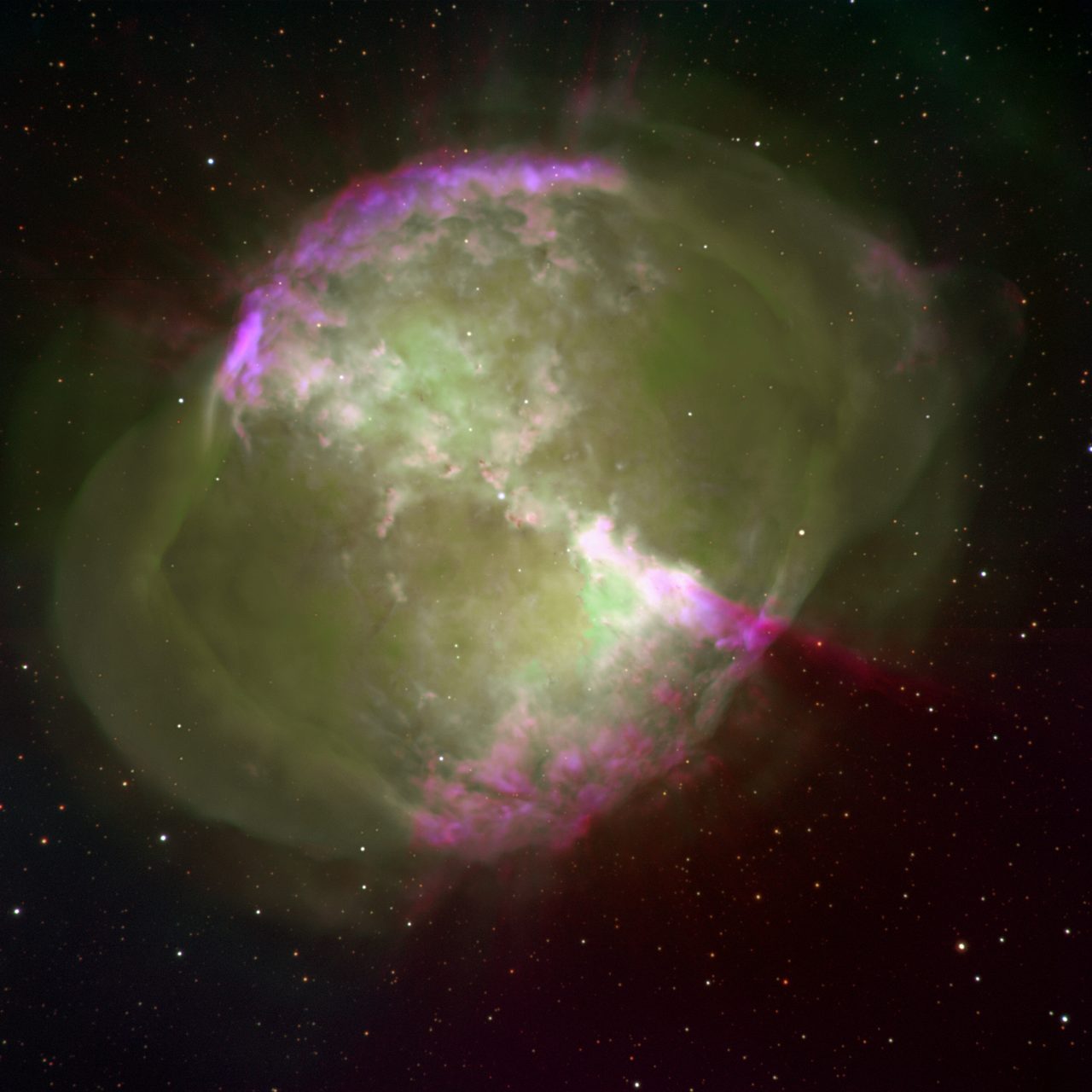
Glimpsing the Future: The Dumbbell Nebula's Stellar Legacy
The Dumbbell Nebula, or M27, offers a glimpse into our Sun's distant future. This planetary nebula, visible with binoculars, reveals the fate awaiting stars like our Sun.
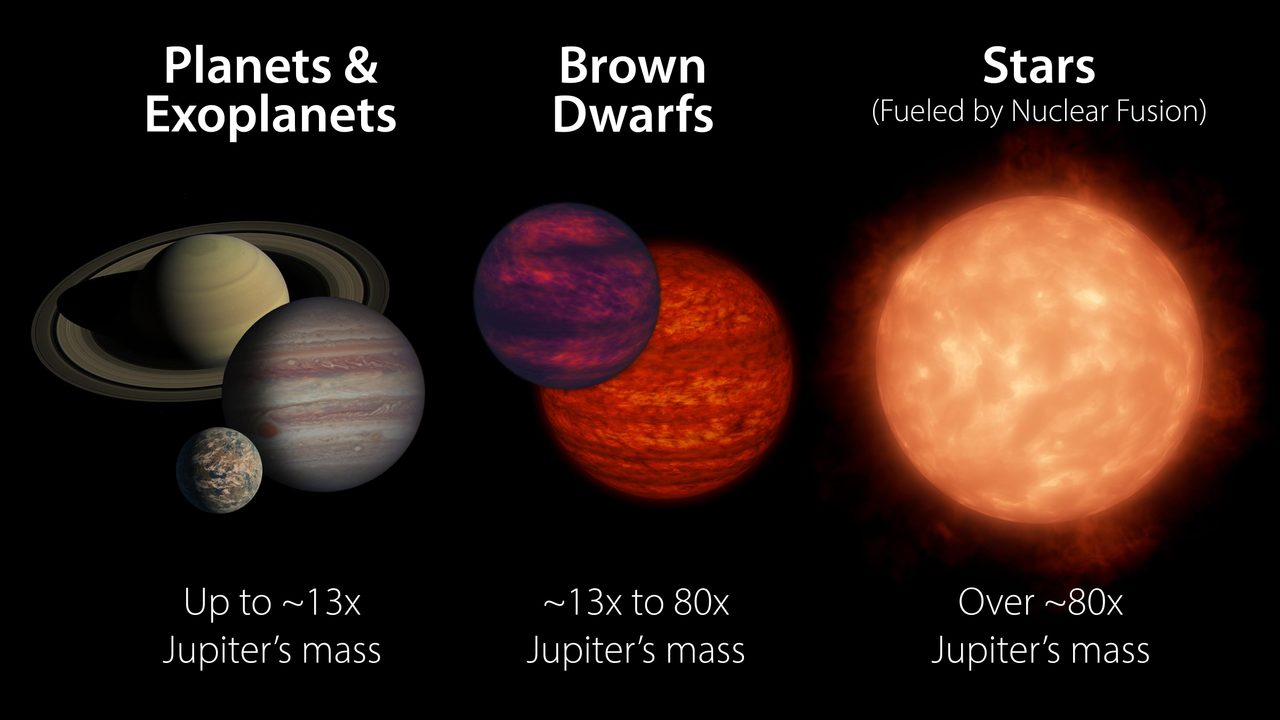
Space Force Awards $60M for Satellite Network Tests
The US Space Force allocates $60 million for satellite network tests. TESS discovers a rare brown dwarf. Close satellite approaches monitored.
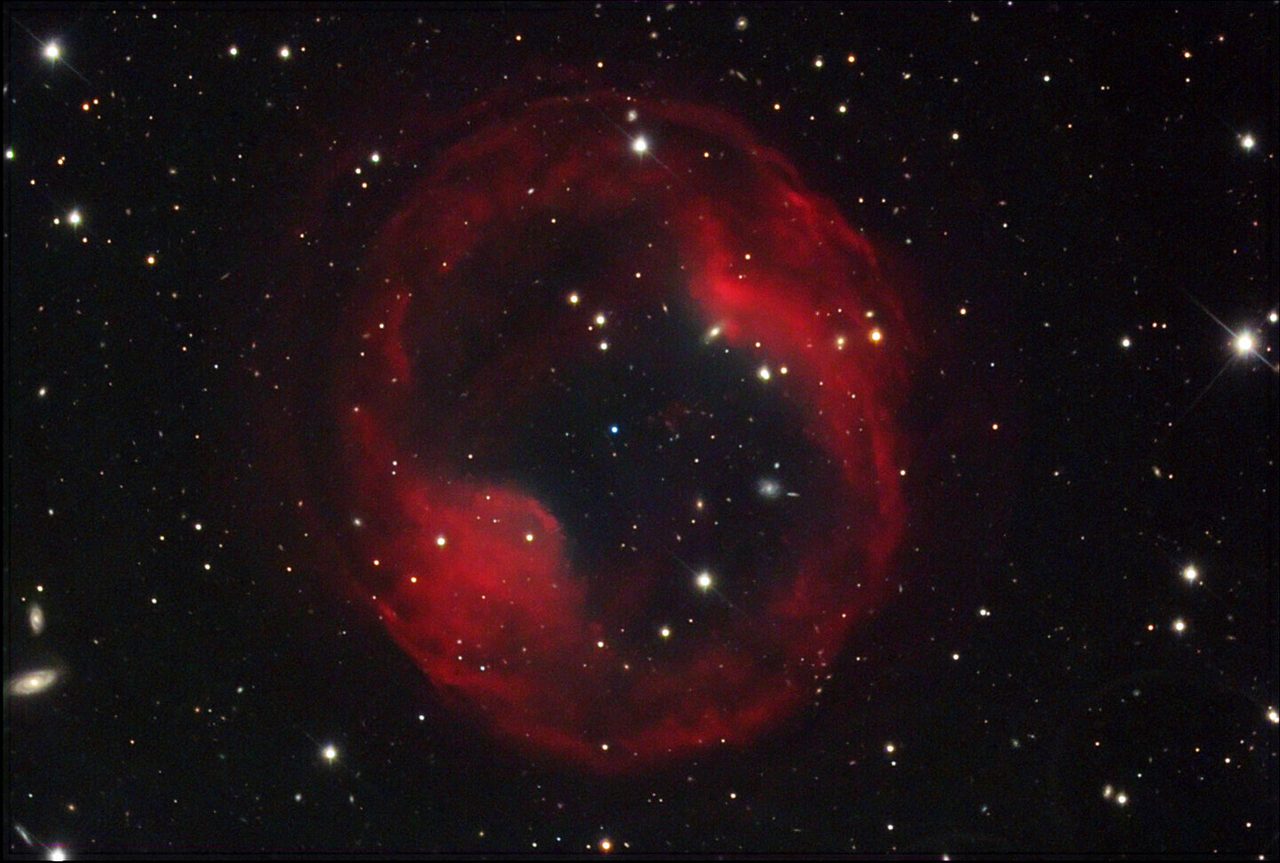
The Headphone Nebula: A Cosmic Symphony in Lynx
Discover the Headphone Nebula, a planetary nebula in Lynx. Its unique shape and vibrant colours reveal the dynamics of dying stars.
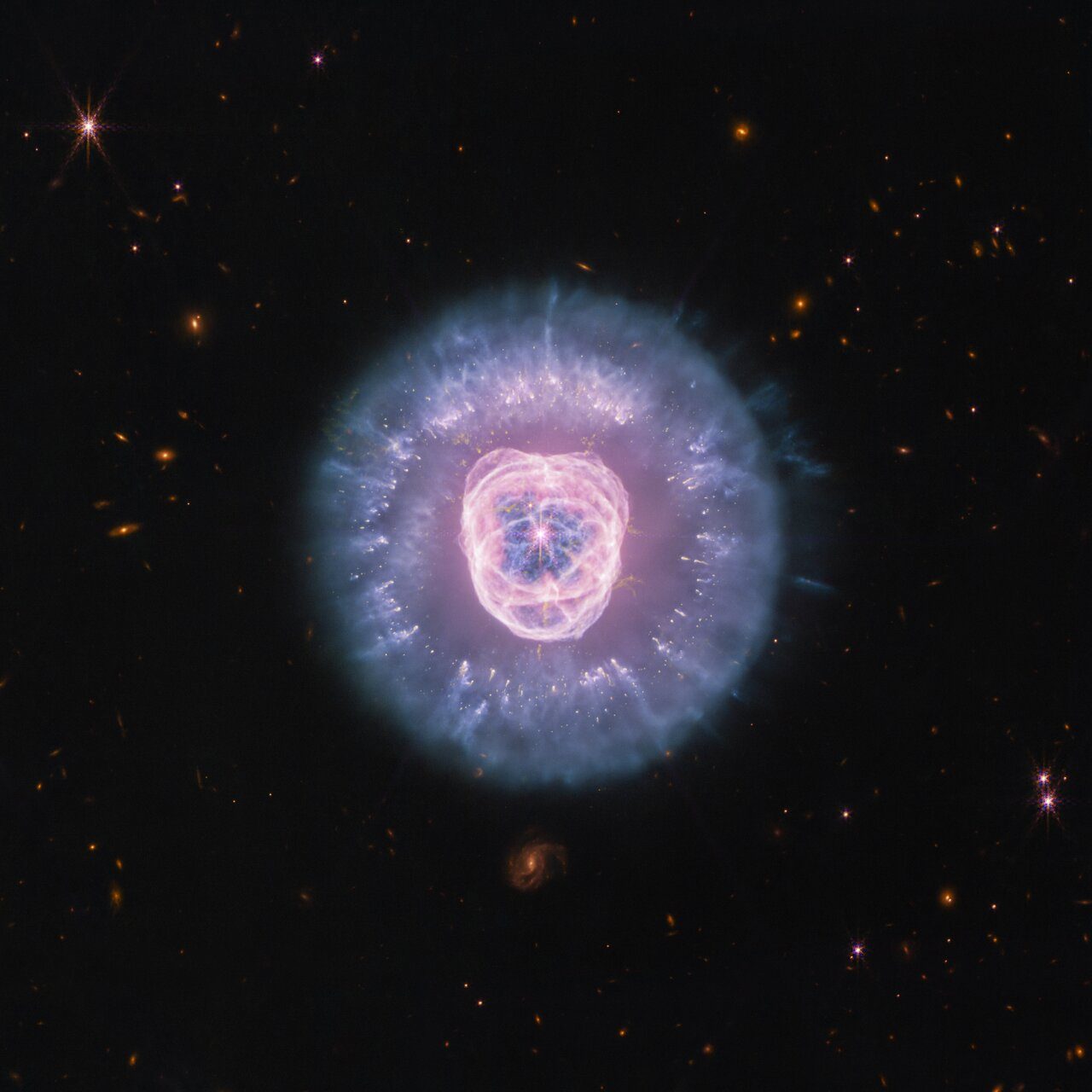
Unveiling the Lion's Head Nebula: A Stellar Endgame
The James Webb Space Telescope reveals the Lion's Head Nebula, showcasing the remnants of a Sun-like star and offering insights into stellar evolution.
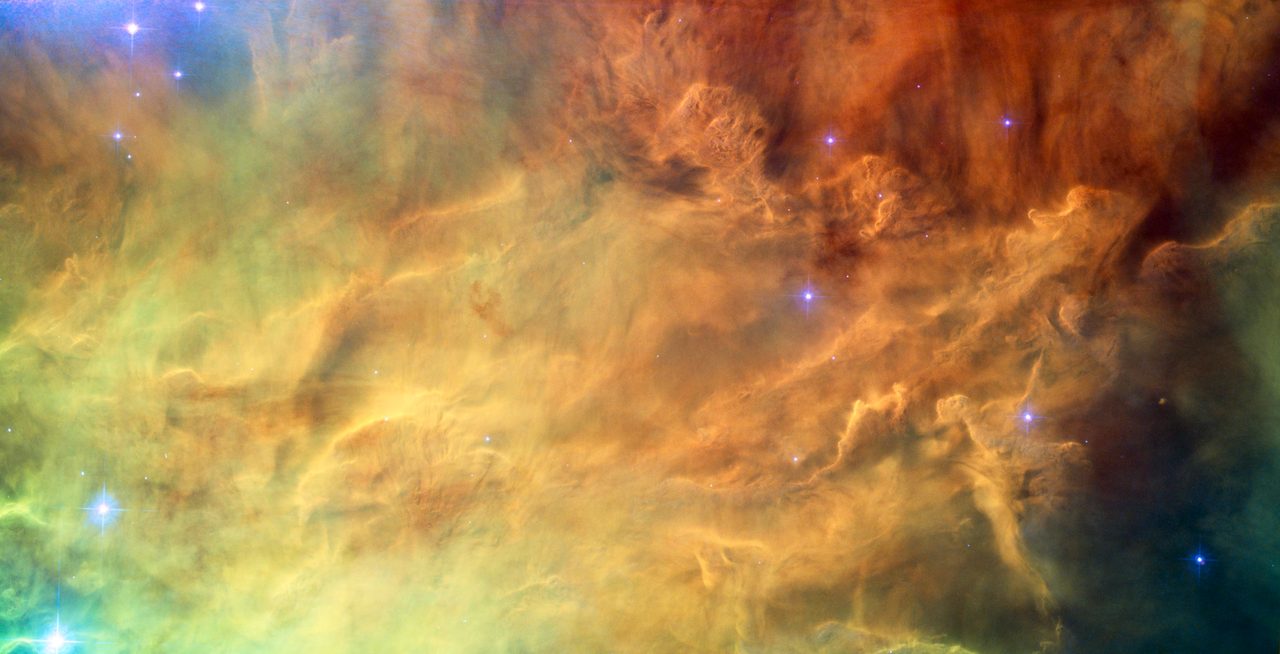
Unveiling Olympus Mons: Mars' Towering Giant
Discover Olympus Mons, Mars' colossal volcano, towering nearly three times higher than Earth's Mount Everest.