Space Force Awards $60M for Satellite Network Tests
The US Space Force allocates $60 million for satellite network tests. TESS discovers a rare brown dwarf. Close satellite approaches monitored.
The US Space Force has allocated $60 million to five companies for testing a multi-vendor satellite network, aiming to enhance the resilience and flexibility of military communications. This initiative is part of a broader effort to develop a more robust and interoperable satellite infrastructure. The companies involved have not been disclosed, but the programme underscores the strategic importance of space-based assets in national defence.
TESS Uncovers Rare Brown Dwarf
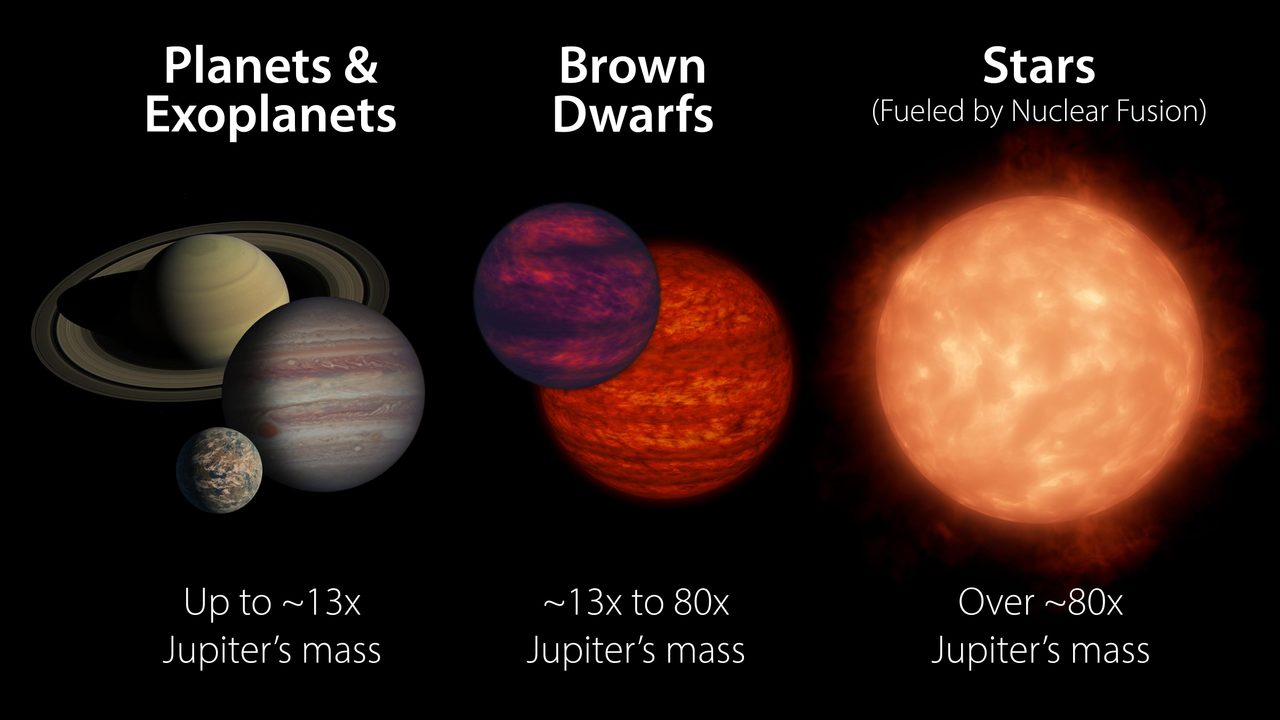
NASA's Transiting Exoplanet Survey Satellite (TESS) has discovered a rare brown dwarf orbiting a massive, aging star. Brown dwarfs are substellar objects that are too large to be considered planets but not massive enough to sustain nuclear fusion like stars. This finding adds a unique entry to the catalogue of known celestial bodies, offering insights into the formation and evolution of such objects. For more details on TESS and its mission, visit the Satellite Library.
Close Approaches in Orbit
Several close approaches between satellites have been recorded, with the most significant being between TERRA SAR X and TANDEM X, which came within approximately 0.28 km of each other. Such events highlight the increasing congestion in low Earth orbit and the importance of monitoring satellite trajectories. The Debris Map provides real-time tracking of such close approaches, helping to mitigate collision risks.
What to Watch
While no launches are scheduled for today, the space community remains alert for any updates on upcoming missions. For a comprehensive overview of future launches, consult the Launch Schedule. Additionally, the current space weather status is unavailable, but any significant developments will be crucial for satellite operations and communications.
Frequently Asked Questions
What is the purpose of the Space Force's satellite network tests?
What makes a brown dwarf different from a planet or a star?
Cite this article
Pick a style, then copy it or download it for your reference manager.Orbital Radar. (2026, May 19). Space Force Awards $60M for Satellite Network Tests. Retrieved November 16, 2026, from https://orbitalradar.com/blog/orbital-briefing-2026-05-19
“Space Force Awards $60M for Satellite Network Tests.” Orbital Radar, 19 May 2026, orbitalradar.com/blog/orbital-briefing-2026-05-19. Accessed 16 Nov. 2026.
Orbital Radar (2026) Space Force Awards $60M for Satellite Network Tests. Available at: https://orbitalradar.com/blog/orbital-briefing-2026-05-19 (Accessed: 16 November 2026).
Orbital Radar. “Space Force Awards $60M for Satellite Network Tests.” Last modified May 19, 2026. https://orbitalradar.com/blog/orbital-briefing-2026-05-19.
@misc{orbitalradar_blog_orbital_briefing_2026_05_19,
  author       = {{Orbital Radar}},
  title        = {Space Force Awards \$60M for Satellite Network Tests},
  year         = {2026},
  month        = may,
  howpublished = {\url{https://orbitalradar.com/blog/orbital-briefing-2026-05-19}},
  url          = {https://orbitalradar.com/blog/orbital-briefing-2026-05-19},
  urldate      = {2026-11-16},
  note         = {Accessed 2026-11-16}
}
TY - ELEC AU - Orbital Radar, TI - Space Force Awards $60M for Satellite Network Tests PY - 2026 DA - 2026/05/19 PB - Orbital Radar UR - https://orbitalradar.com/blog/orbital-briefing-2026-05-19 Y2 - 2026/11/16 LA - en ER -
Live figures change, so keep the date you accessed the page. How to cite Orbital Radar