Space News Mission Log — Satellite Launches, Orbital Events & Analysis
Daily space news, satellite launch reports, orbital debris analysis and weekly roundups — grounded in live tracking data from our network monitoring 52 published reports.
Track the 2026 Total Solar Eclipse Live with Orbital Radar
Follow the 12 August 2026 total solar eclipse live with Orbital Radar's Eclipse Tracker, offering precise timing and visibility data.
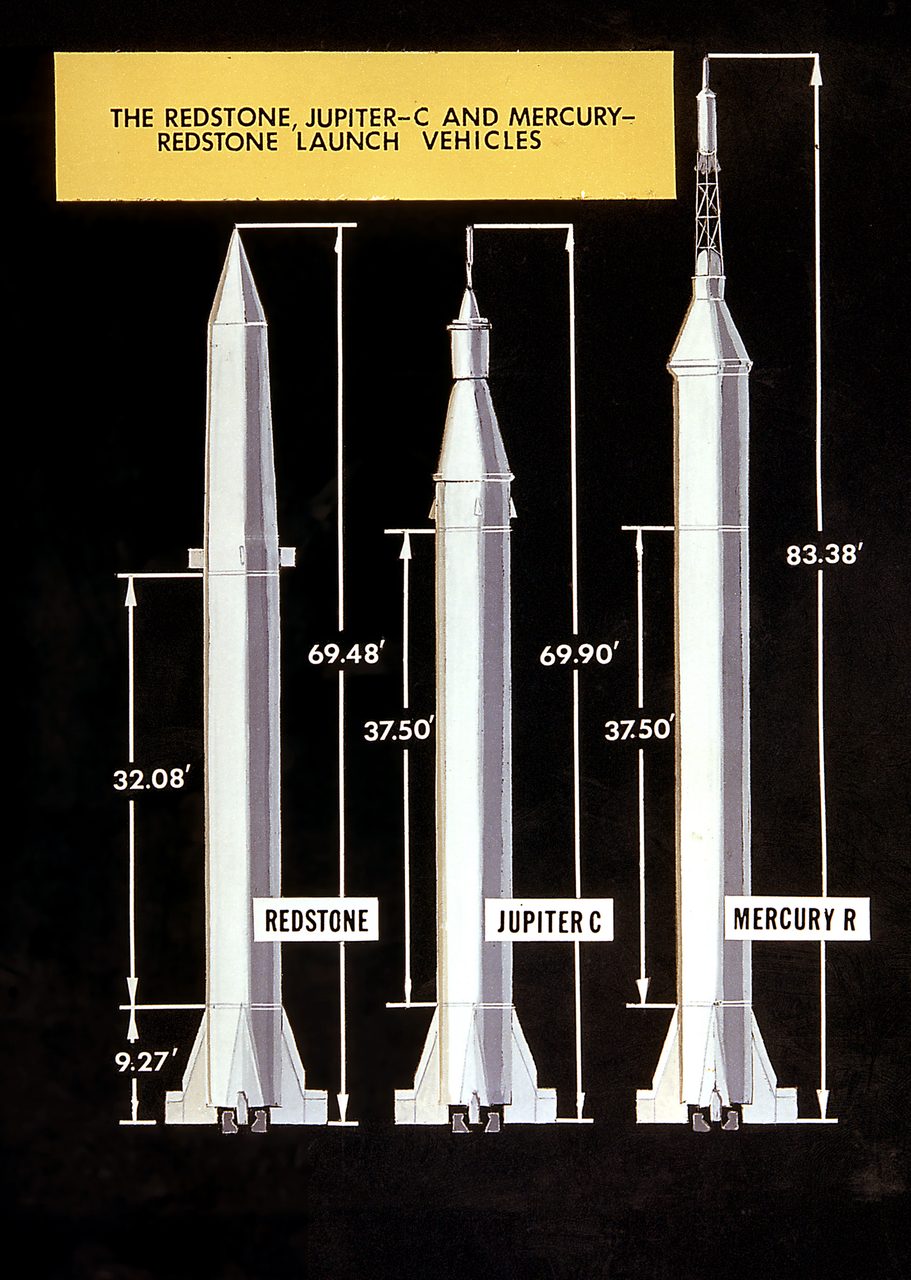
Satellite Re-entry: NORAD 47752 Expected on 9 September 2026
NORAD 47752 is predicted to re-enter Earth's atmosphere on 9 September 2026 at 03:21 UTC. Track it live on Orbital Radar.
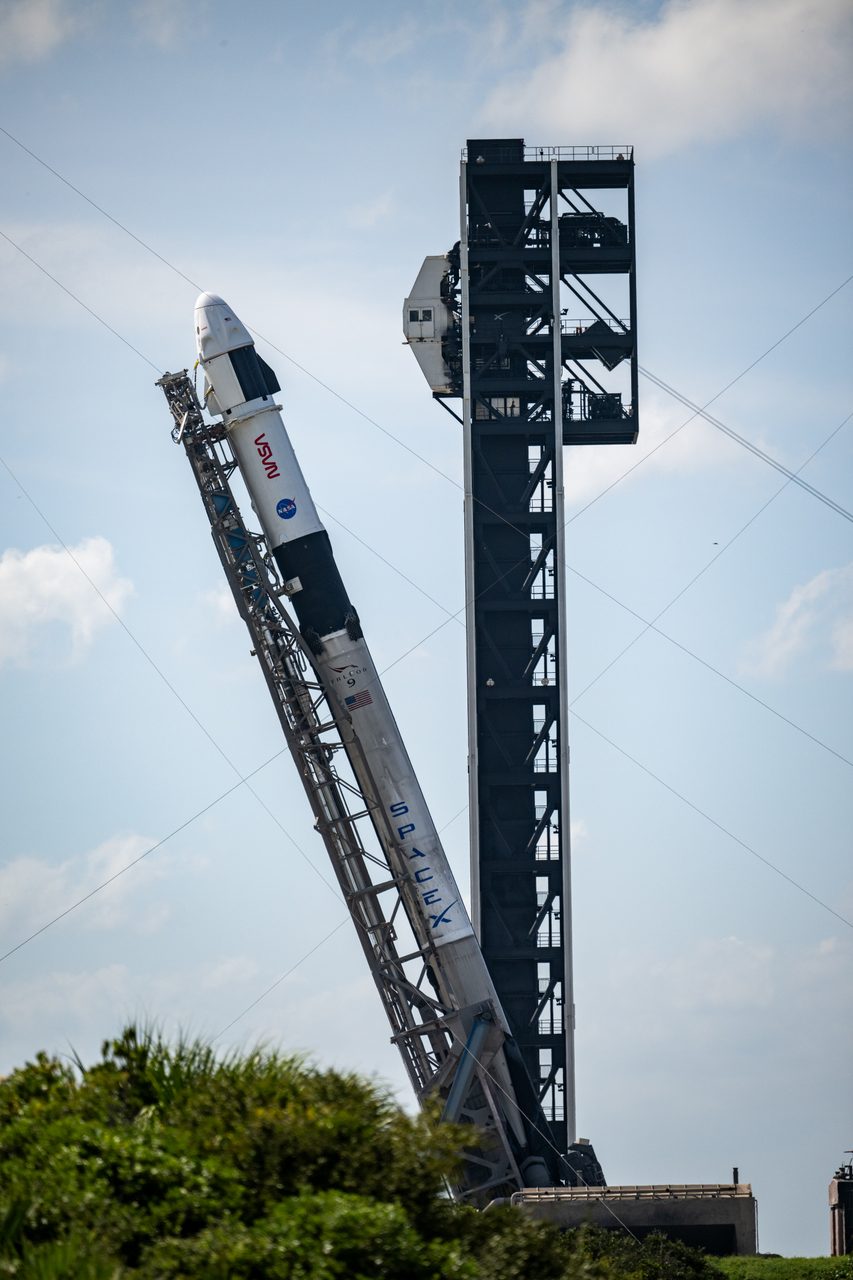
When Is the Next SpaceX Launch? Comprehensive Guide
The next SpaceX launch is scheduled for [insert date]. Learn about the mission details, launch vehicles, and how to track it live.
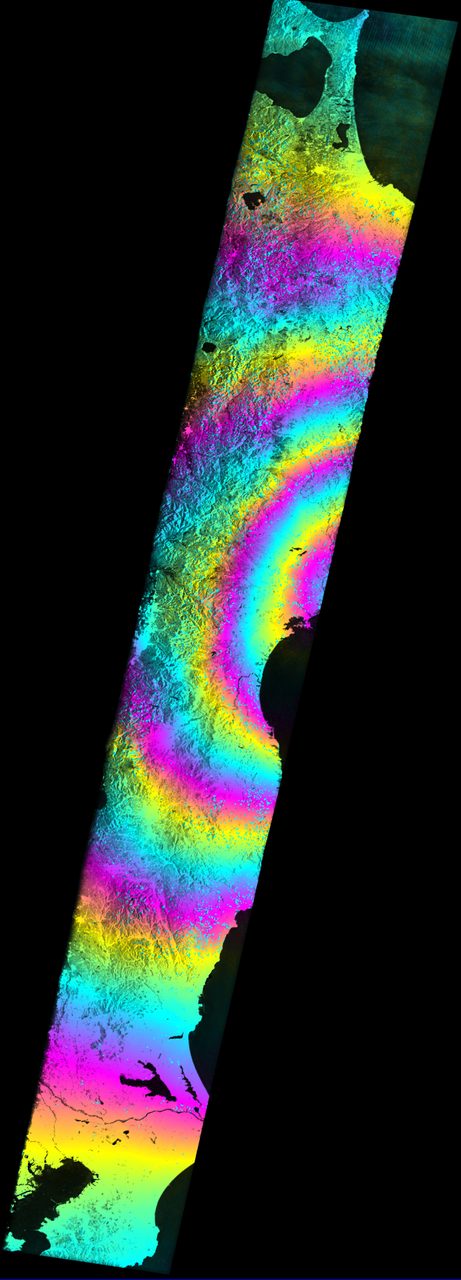
Envisat: The Giant Dead ESA Satellite and Collision Risk
Envisat, launched by the European Space Agency (ESA) on 1 March 2002, was one of the largest Earth observation satellites ever constructed. With a mass of approximately 8,200 kilograms, it carried ten sophisticated optical and radar instruments to monitor the Earth's land, atmosphere, oceans, and ic
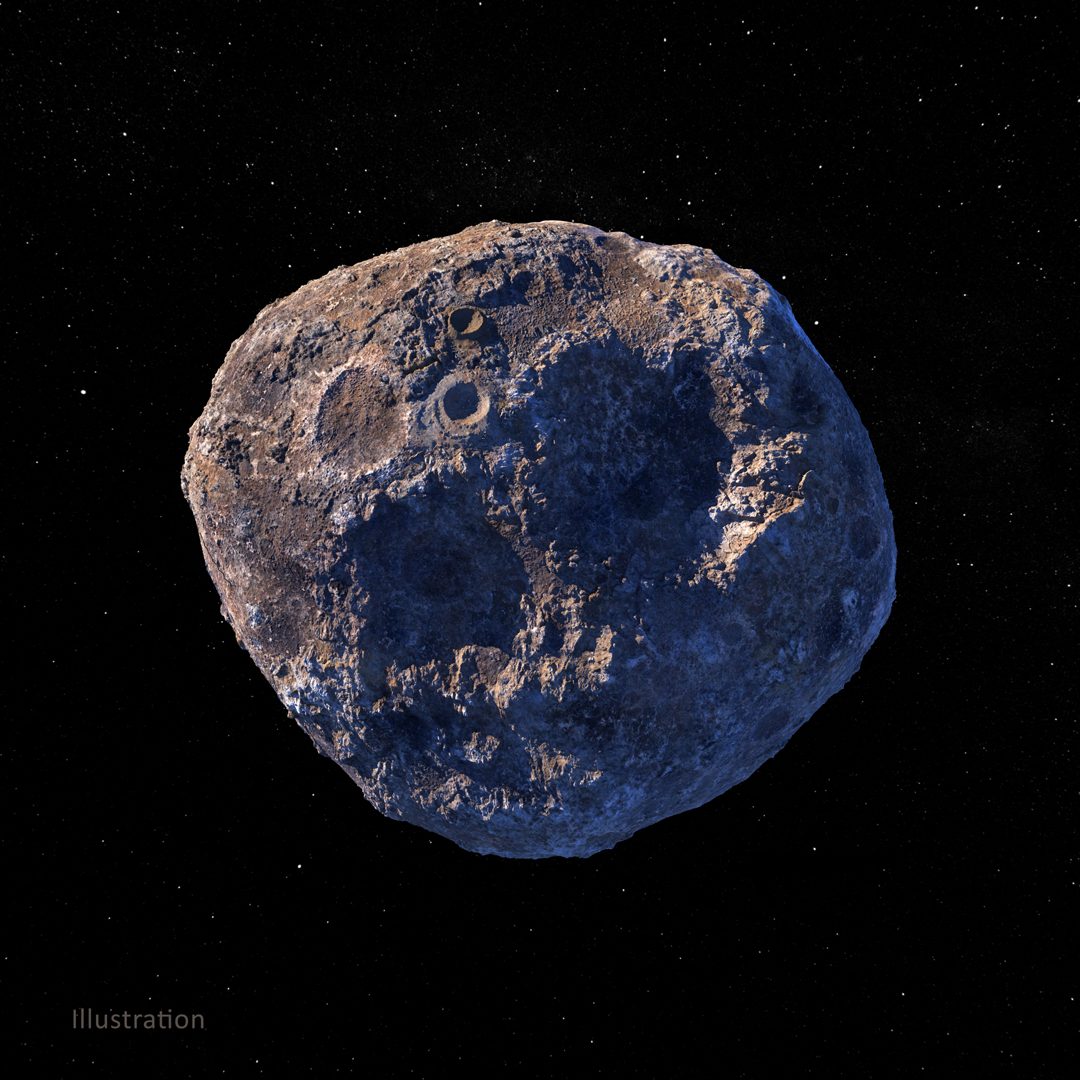
Tracking Near-Earth Asteroids: Your Guide to Real-Time Orbits and Risks
Discover how to track near-earth asteroids in real-time, assess their orbits, and understand potential impact risks with our detailed guide.
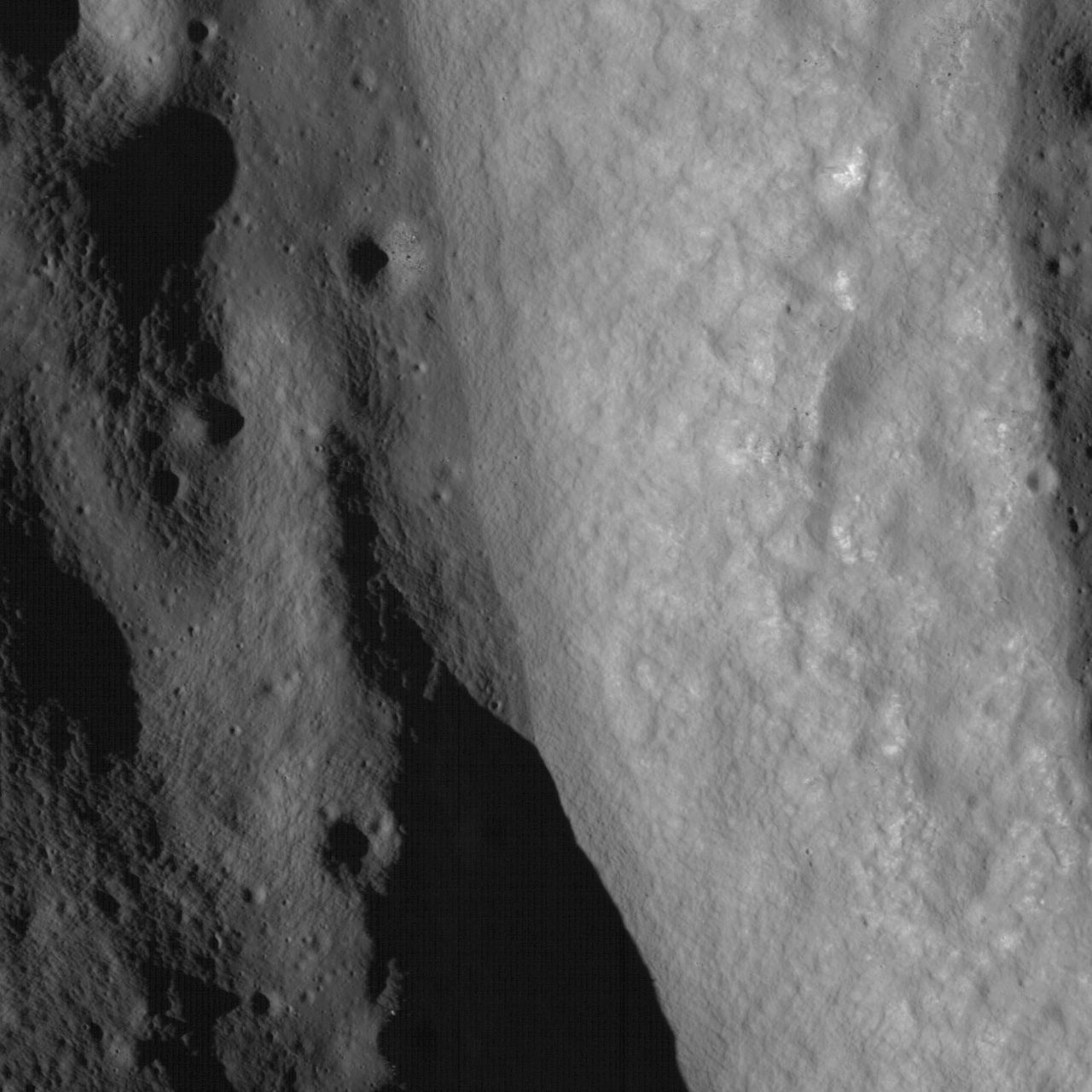
LRO Uncovers New Lunar Crater with Thermal Anomalies
LRO has identified a new lunar crater with intriguing thermal emissions, while close satellite approaches continue to be monitored.
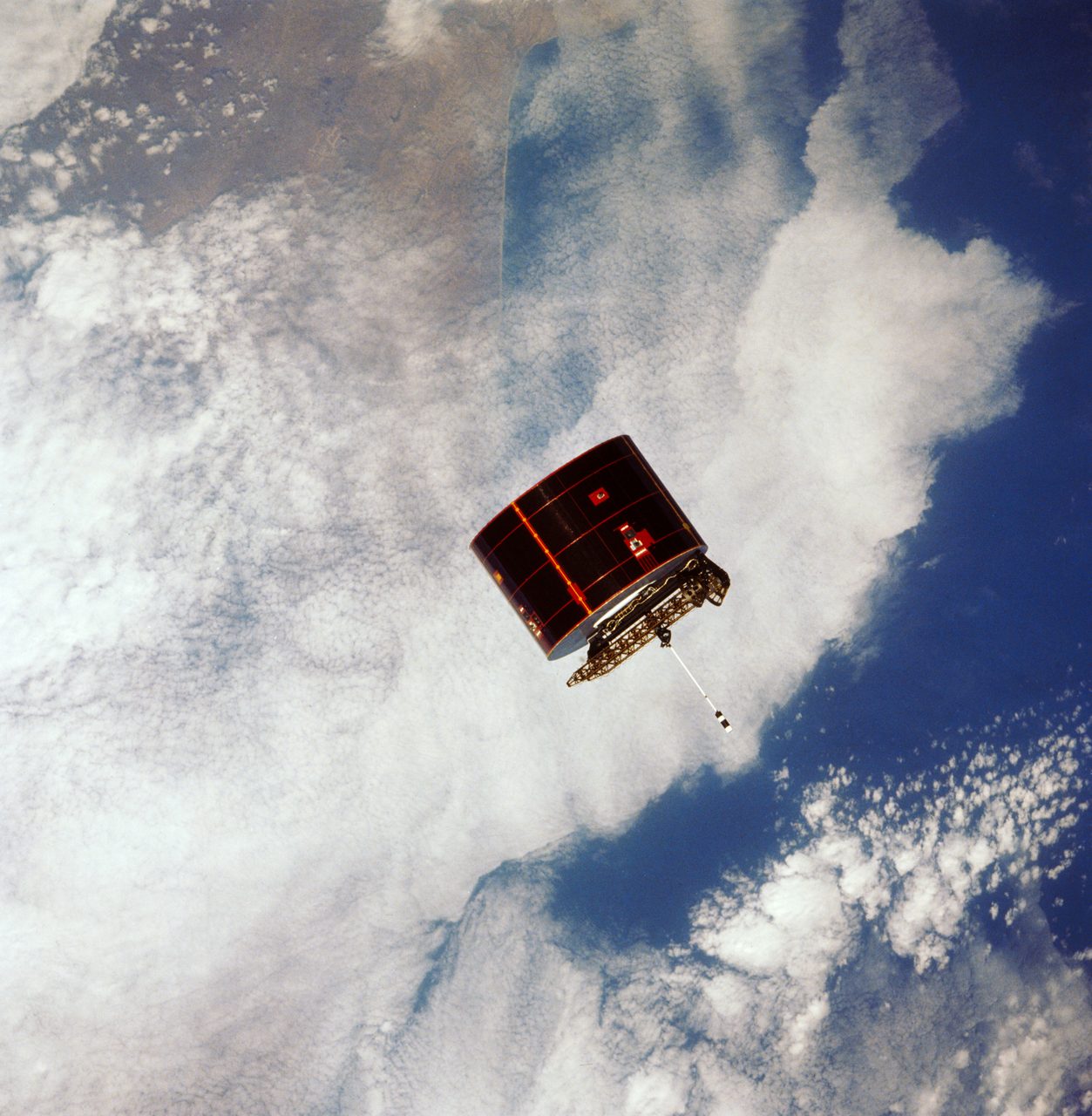
Fengyun-1C Debris: Legacy of the 2007 ASAT Test
Fengyun-1C was a Chinese weather satellite launched on 10 May 1999. It was part of the Fengyun series, operated by the China Meteorological Administration, designed to monitor atmospheric conditions and provide data for weather forecasting.
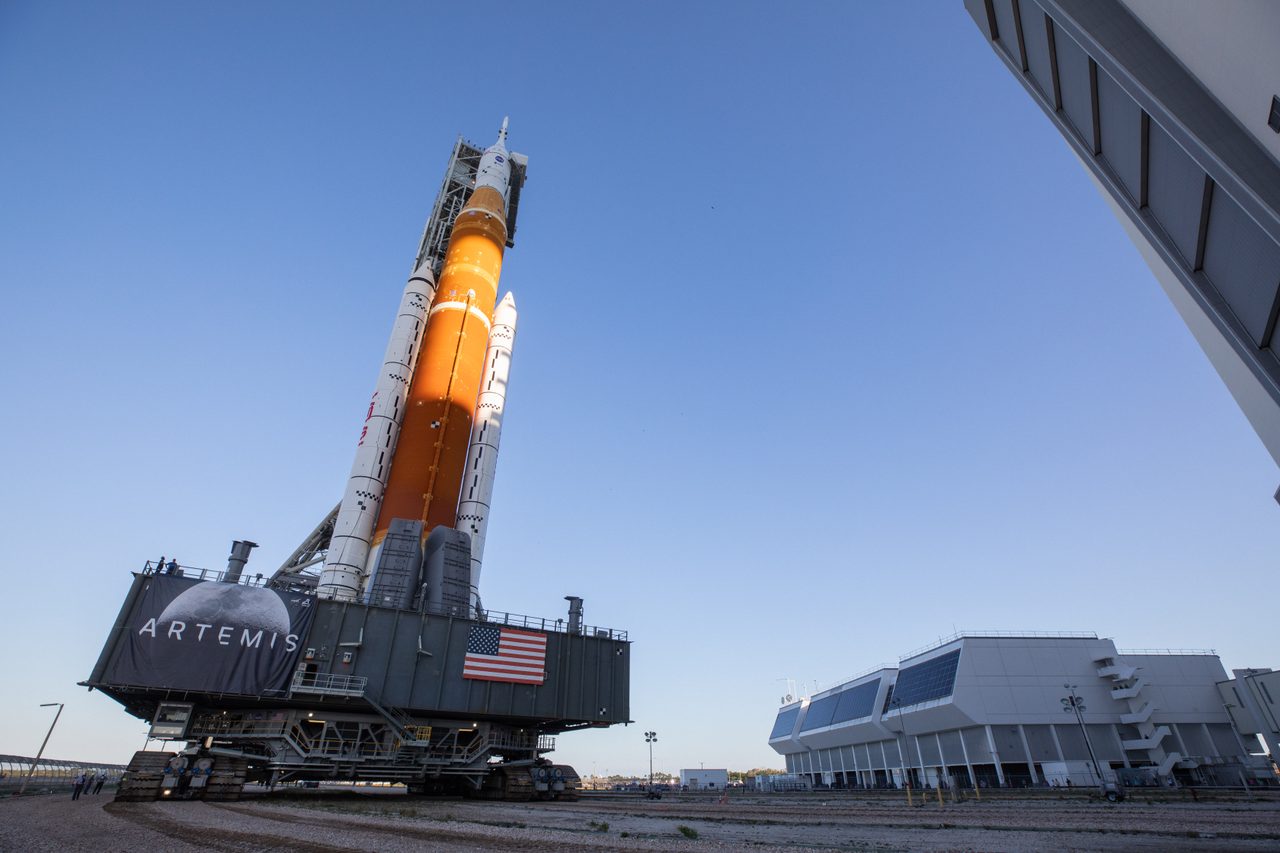
Long March Launch History: A Comprehensive Guide
Discover the Long March Hub, tracking every Chinese launch since 1970 with detailed data and insights.
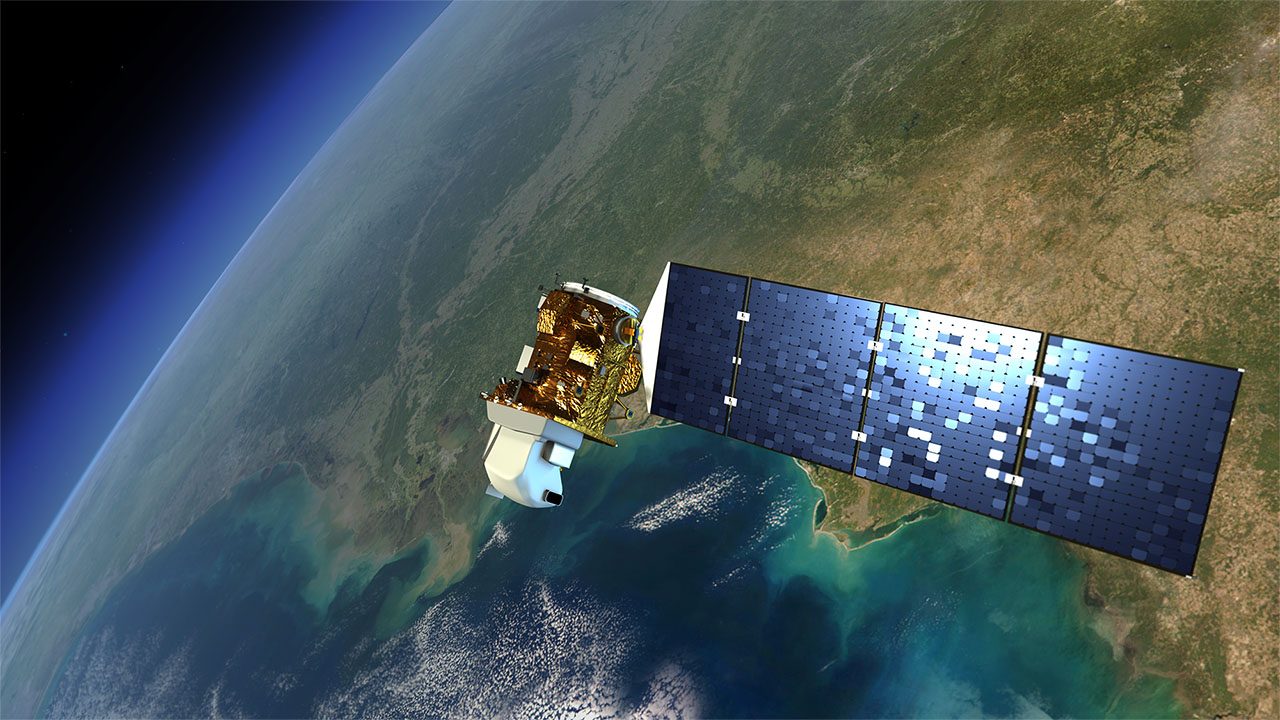
How Earth Observation Satellites Monitor Our Planet
Earth observation satellites use remote sensing technology to collect data about the planet's surface, atmosphere, and oceans, providing critical insights for climate science and resource management.
Groundlink: Your Free Satellite Look Angle Calculator
Discover how Orbital Radar's Groundlink tool offers precise satellite look-angle calculations, accessible for free in your browser.

Sputnik 1: The Satellite That Started the Space Age
Sputnik 1 was the first artificial satellite to orbit the Earth, marking the beginning of the Space Age. Launched by the Soviet Union on 4 October 1957, it was a 58 cm diameter polished metal sphere with four external radio antennas to broadcast radio pulses.
This Week in Orbit: 2026-09-13
This week in orbit saw a rich tapestry of scientific insights and celestial events. A significant development was Japan's Hayabusa2 achieving the first-ever laser ranging experiment with an asteroid, marking a milestone in space exploration.