LRO Uncovers New Lunar Crater with Thermal Anomalies
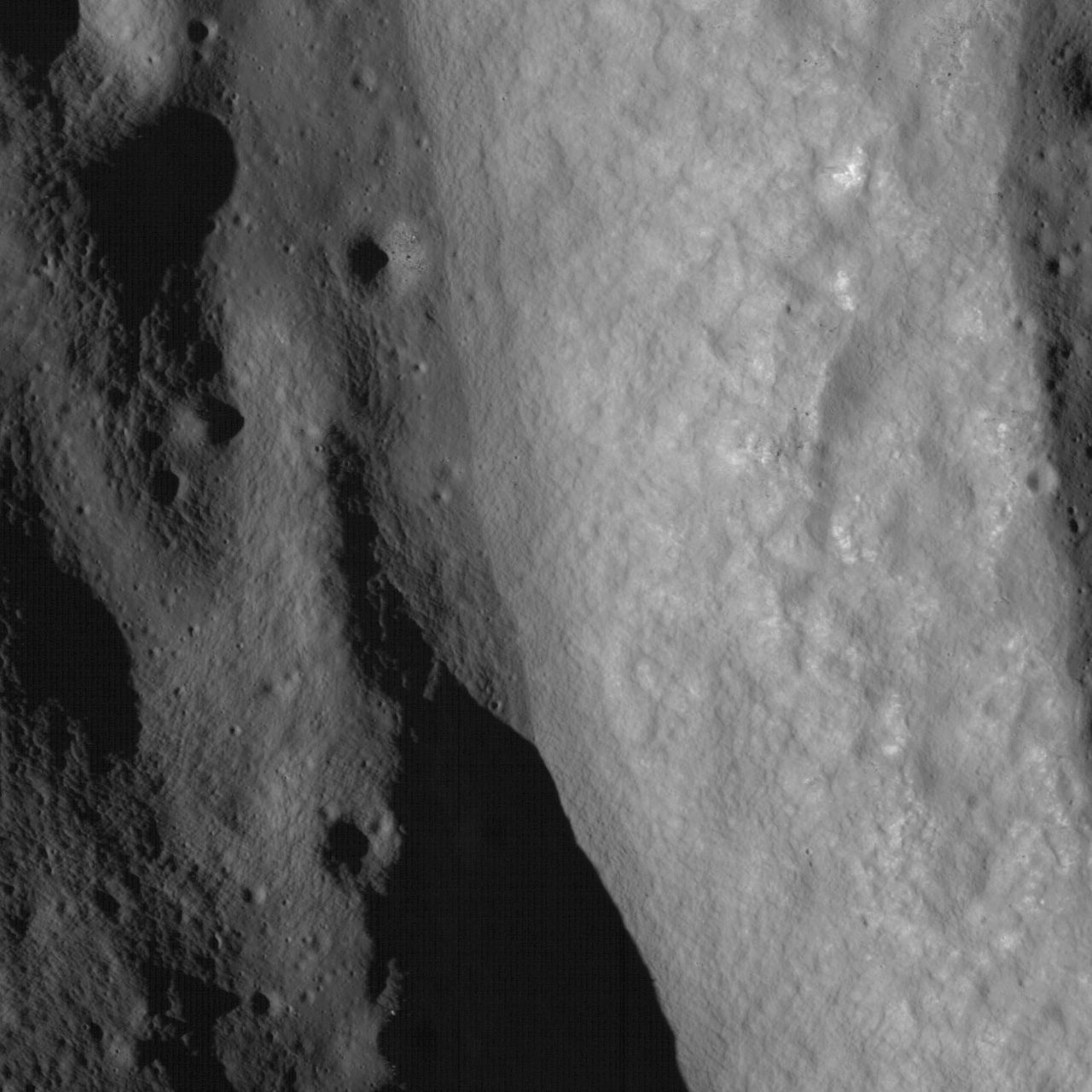
LRO has identified a new lunar crater with intriguing thermal emissions, while close satellite approaches continue to be monitored.
| Active satellites | 15,730 |
| Starlink active | 9,845 |
| Catalogued objects | 31,448 |
| Predicted re-entries | 11 |
| Active close approaches | 22 |
| People in space | 10 |
NASA's Lunar Reconnaissance Orbiter (LRO) has discovered a significant new crater on the Moon, revealing unexpected thermal emission phenomena. This discovery adds to our understanding of lunar geology and the thermal properties of the Moon's surface. The LRO's findings could have implications for future lunar exploration missions, particularly those focusing on resource utilisation and habitat construction.
Close Approaches in Orbit

Orbital Radar's live tracking has recorded several close approaches between satellites, with notable proximity events including TERRA SAR X and TANDEM X, which came within approximately 0.52 km of each other. These occurrences highlight the increasing congestion in low Earth orbit (LEO) and the need for enhanced space situational awareness to prevent potential collisions. Users can explore these events and others using the SSA hub.
Potential for Solar Superflares
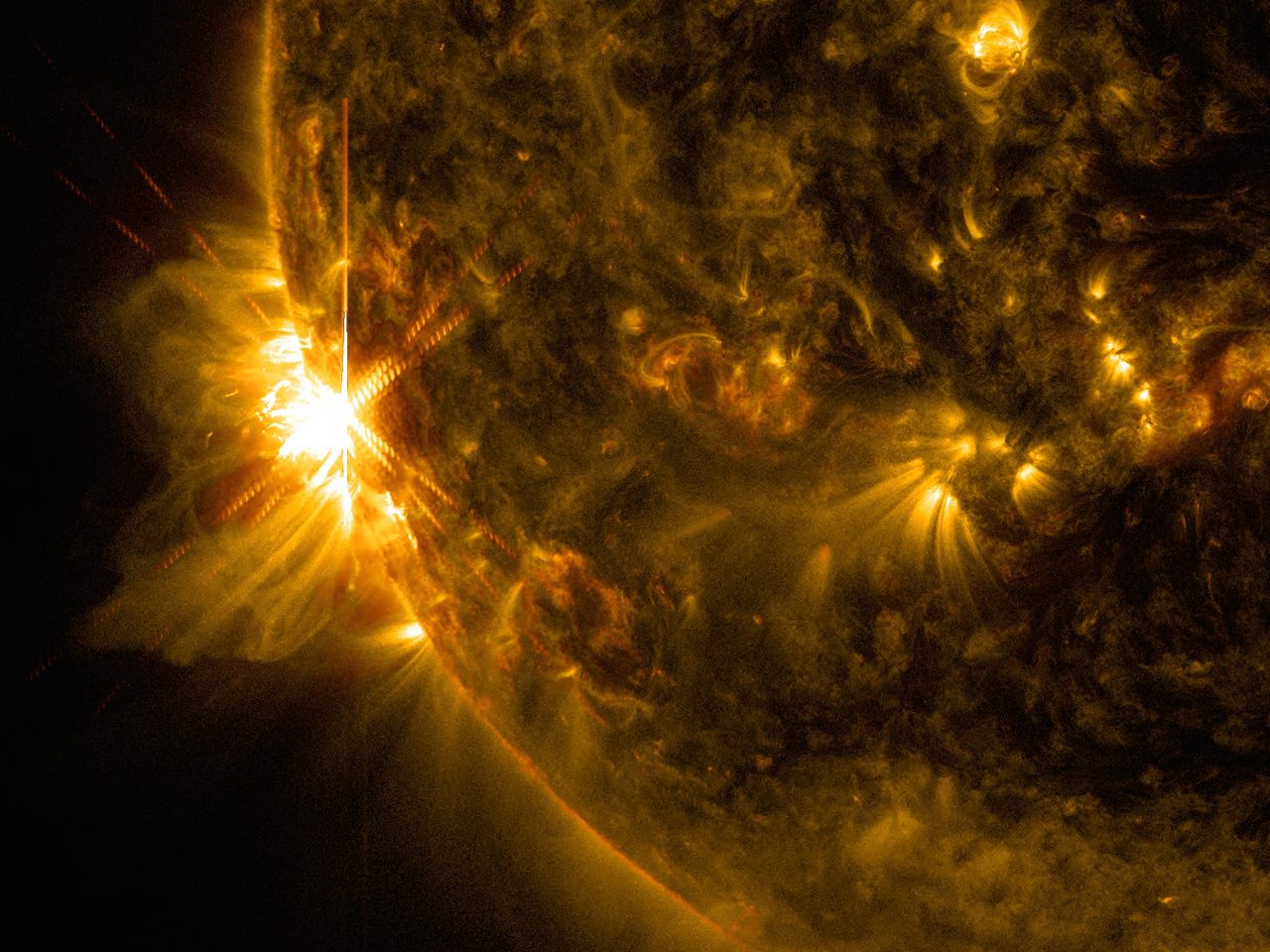
A new study suggests that the Sun is capable of producing 'superflares', which are massive bursts of energy that could significantly impact Earth's technological infrastructure. While such events are rare, understanding the Sun's potential for superflares is crucial for preparing and mitigating their effects. The study also contributes to broader research on the solar cycle and its influence on space weather. For current solar activity, see the Sun Globe.
What to Watch
While no new launches are scheduled for the immediate future, space enthusiasts can look forward to ongoing research and discoveries from missions like the LRO. Additionally, those interested in satellite movements can track visible passes of various satellites. The potential for solar activity remains a point of interest, with the Sun's behaviour being closely monitored.
Frequently Asked Questions
What did the LRO discover on the Moon?
How close did TERRA SAR X and TANDEM X come?
📎 Cite this article · data available
Orbital Radar Newsroom. (2026). LRO Uncovers New Lunar Crater with Thermal Anomalies. Orbital Radar. https://orbitalradar.com/blog/orbital-briefing-2026-09-21"LRO Uncovers New Lunar Crater with Thermal Anomalies." Orbital Radar, 21 September 2026, https://orbitalradar.com/blog/orbital-briefing-2026-09-21.@misc{orbitalradar_orbital_briefing_2026_09_21,
title = {LRO Uncovers New Lunar Crater with Thermal Anomalies},
author = {{Orbital Radar}},
year = {2026},
howpublished = {\url{https://orbitalradar.com/blog/orbital-briefing-2026-09-21}}
}