Tracking Near-Earth Asteroids: A Comprehensive Guide
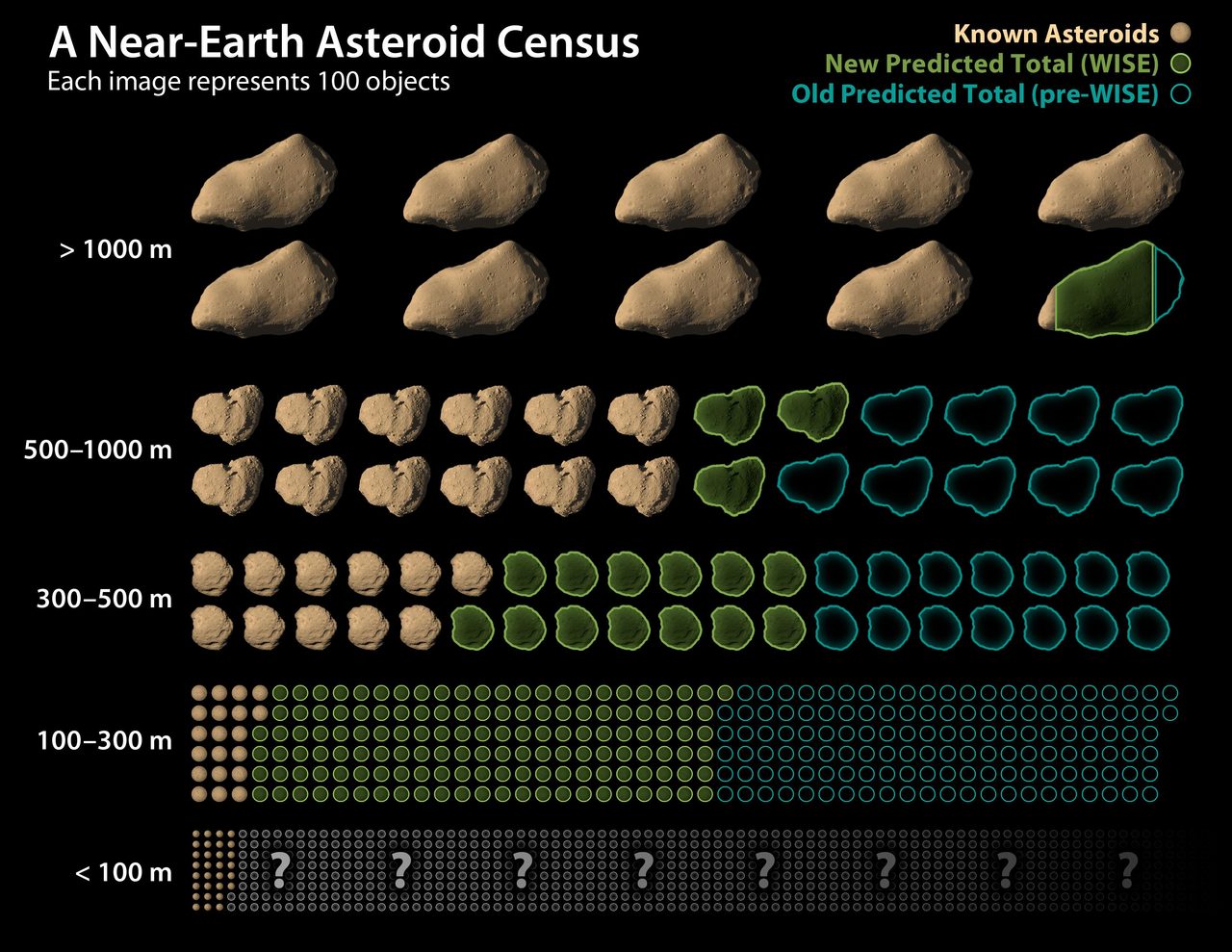
The Near-Earth Object Database provides live tracking of asteroid orbits, close approaches, and impact risks, offering crucial insights into space safety.
The Near-Earth Object Database by Orbital Radar offers a detailed, real-time view of the orbits and trajectories of asteroids that come close to Earth. This tool is essential for understanding potential asteroid impacts and their risks. By tracking 17 active close approaches, it provides invaluable data for scientists and the public alike.
Understanding Near-Earth Asteroids
Near-Earth asteroids (NEAs) are celestial bodies whose orbits bring them close to Earth's orbit. The database tracks these objects to assess potential threats. NEAs are classified based on their size, orbit, and proximity to Earth, with some designated as potentially hazardous asteroids (PHAs) if they meet specific criteria.
How to Use the Near-Earth Object Database
The database is user-friendly, allowing you to search for specific asteroids by name or designation. It provides detailed information on each object's orbit, size, and velocity. For instance, you can explore the trajectory of Apophis, a well-known asteroid with a close approach expected in 2029.
The Science Behind the Data
Orbital Radar's database utilises data from telescopes and space missions to calculate the orbits of NEAs. This involves complex calculations of celestial mechanics, taking into account gravitational influences and other factors. The tool's accuracy is critical for predicting potential impacts and informing planetary defence strategies.
Key Takeaways
The Near-Earth Object Database is a crucial tool for monitoring asteroid threats. With 17 active close approaches currently tracked, it provides timely alerts and detailed information. This tool not only aids scientific research but also enhances public awareness of space safety issues.
Frequently Asked Questions
What is a near-earth asteroid tracker?
How does the Near-Earth Object Database work?
What information can I find in the Near-Earth Object Database?
Why is tracking near-earth asteroids important?
How can I access the Near-Earth Object Database?
📎 Cite this article
Orbital Radar Newsroom. (2026). Tracking Near-Earth Asteroids: A Comprehensive Guide. Orbital Radar. https://orbitalradar.com/blog/near-earth-object-tracker-guide"Tracking Near-Earth Asteroids: A Comprehensive Guide." Orbital Radar, 20 July 2026, https://orbitalradar.com/blog/near-earth-object-tracker-guide.@misc{orbitalradar_near_earth_object_tracker_guide,
title = {Tracking Near-Earth Asteroids: A Comprehensive Guide},
author = {{Orbital Radar}},
year = {2026},
howpublished = {\url{https://orbitalradar.com/blog/near-earth-object-tracker-guide}}
}