Space News Mission Log — Satellite Launches, Orbital Events & Analysis
Daily space news, satellite launch reports, orbital debris analysis and weekly roundups — grounded in live tracking data from our network monitoring 7 published reports.
China's Qianfan Mega-Constellation: A Complete Explainer
Qianfan satellites form a Chinese mega-constellation aimed at global internet coverage, challenging Starlink's dominance.

Understanding Mega-Constellations: The Future of Satellite Networks
Mega-constellations are large groups of satellites working together in low Earth orbit to provide global coverage. Discover their purpose and impact.
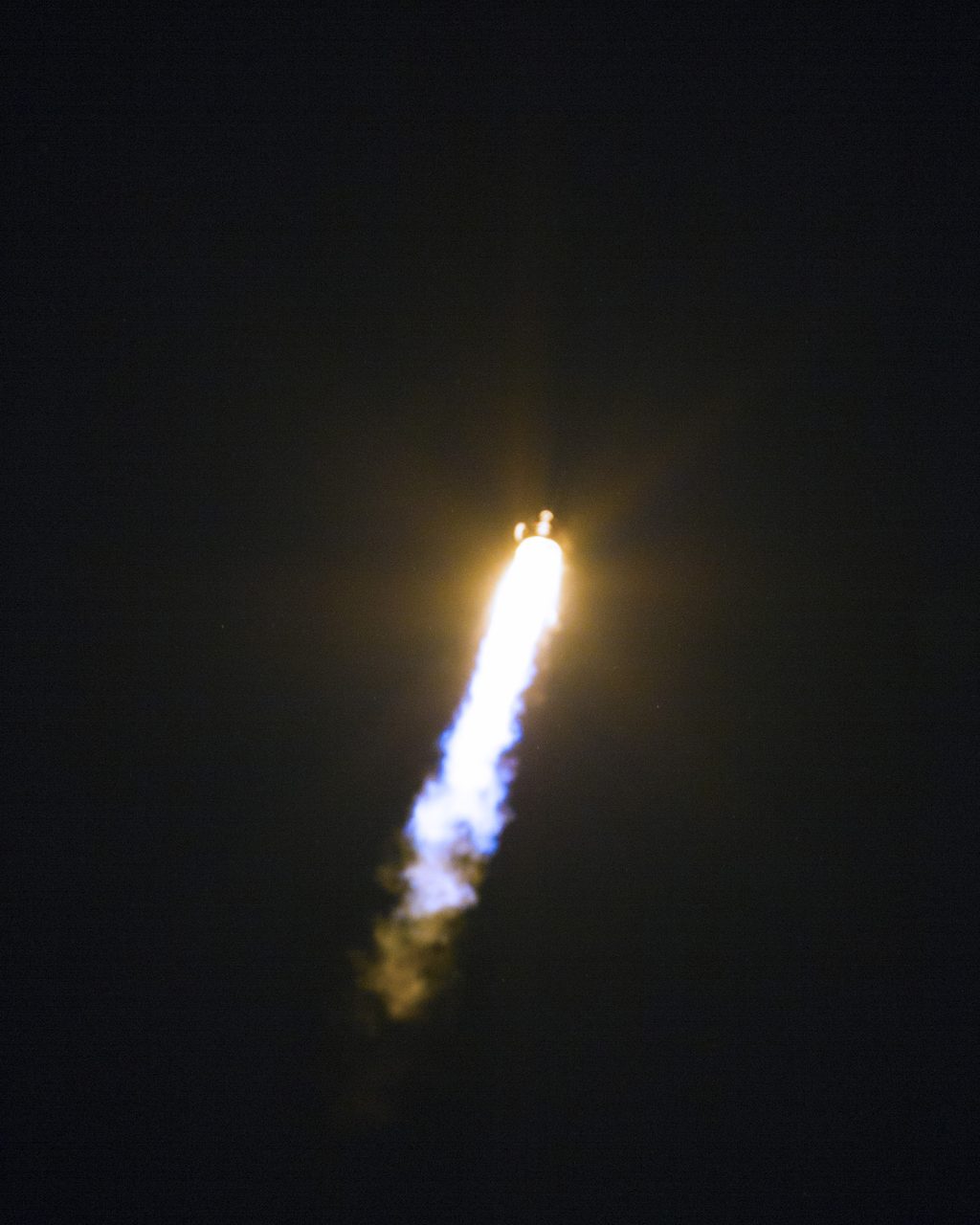
Astronomical Concerns Over Satellite Mega-Constellations
Astronomers express concern over satellite mega-constellations, while New Horizons approaches interstellar space.
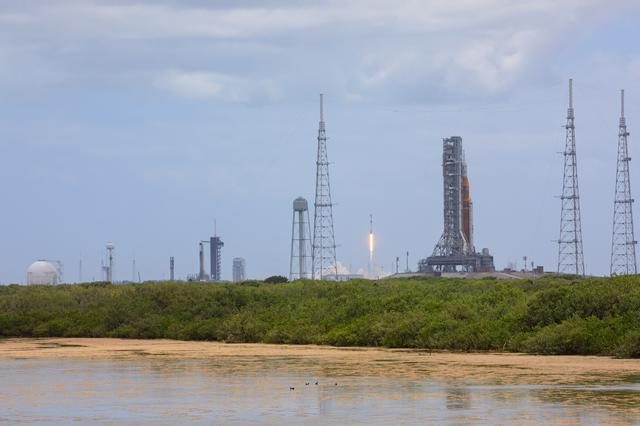
Starlink: The Mega-Constellation Reshaping Orbit
Starlink is a satellite internet constellation developed by SpaceX, designed to provide high-speed broadband internet across the globe, particularly in remote and underserved areas. As of now, it comprises 10,897 active satellites, making it the largest satellite constellation ever deployed.
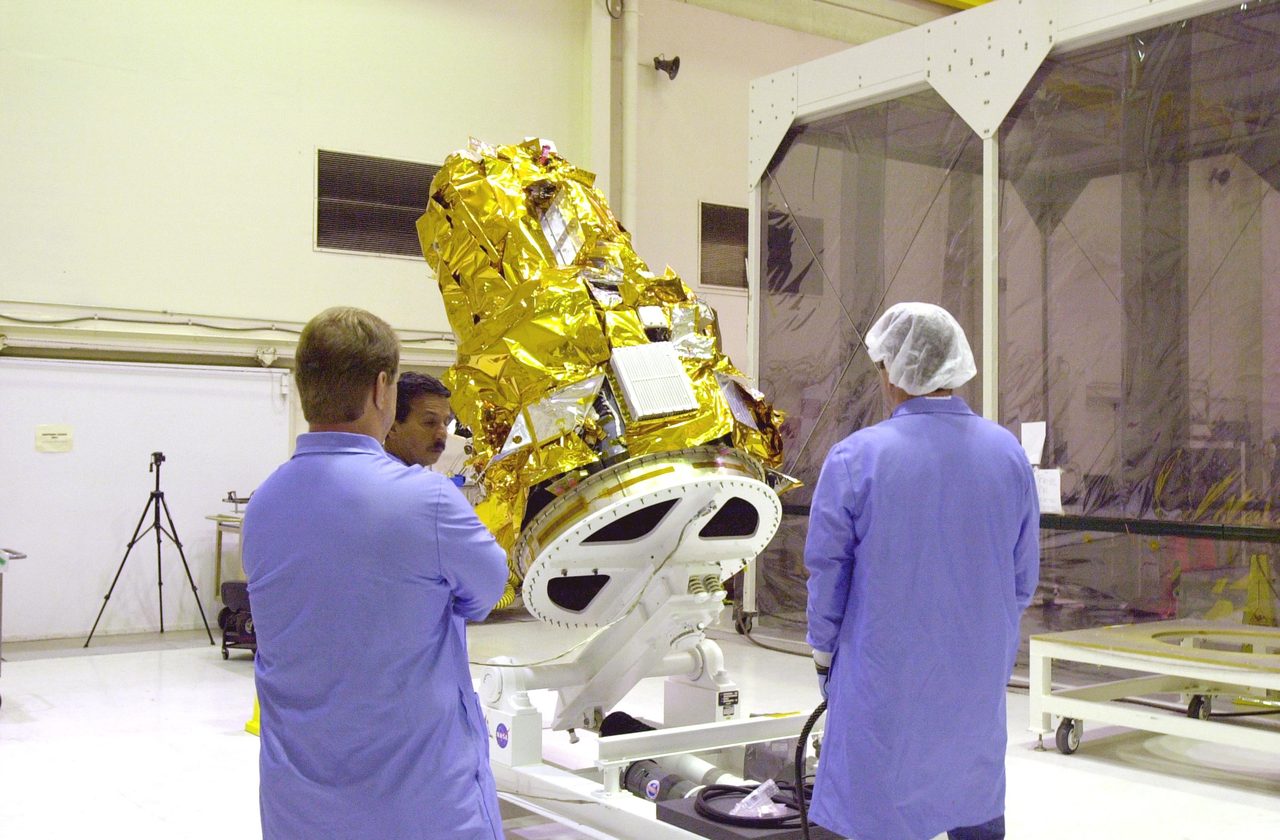
Understanding Satellite Constellation Phasing: A Complete Guide
Constellation phasing is the process of arranging satellites in a constellation to ensure optimal coverage and functionality. Learn how it affects global satellite networks.
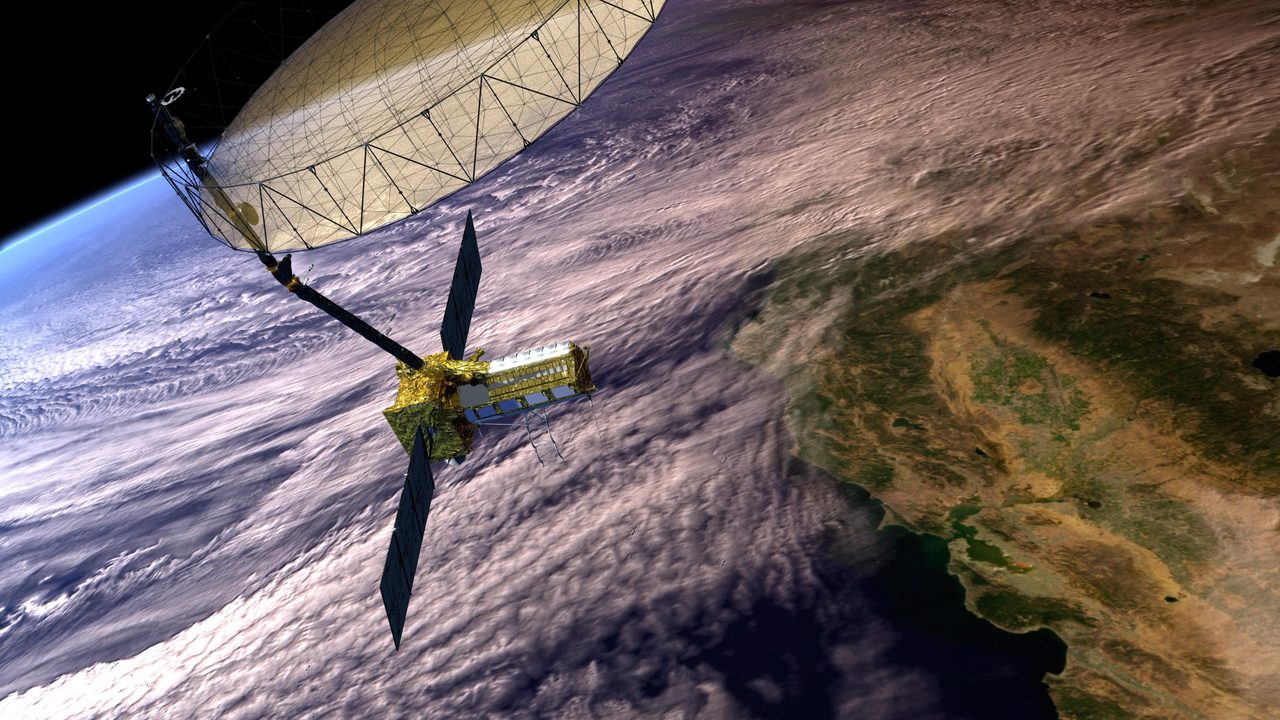
How Many Satellites in Orbit? Counts, Types and Tracking
Earth has 15,870 active satellites, but the wider catalogue includes debris and inactive spacecraft. Here is what the counts mean and how to explore them.
Close Conjunction Alert: OBJECT B and OBJECT D Approach Within 1.76 km
On 13 August 2026, at precisely 02:54 UTC, a close conjunction event will take place between two space objects designated as OBJECT B and OBJECT D. The minimum separation distance is estimated to be approximately 1.76 kilometres.