Space News Mission Log — Satellite Launches, Orbital Events & Analysis
Daily space news, satellite launch reports, orbital debris analysis and weekly roundups — grounded in live tracking data from our network monitoring 92 published reports.
Understanding GDOP and PDOP in GNSS: A Detailed Guide
GDOP and PDOP are key metrics in GNSS, affecting positioning accuracy. Learn their roles and significance in satellite navigation.
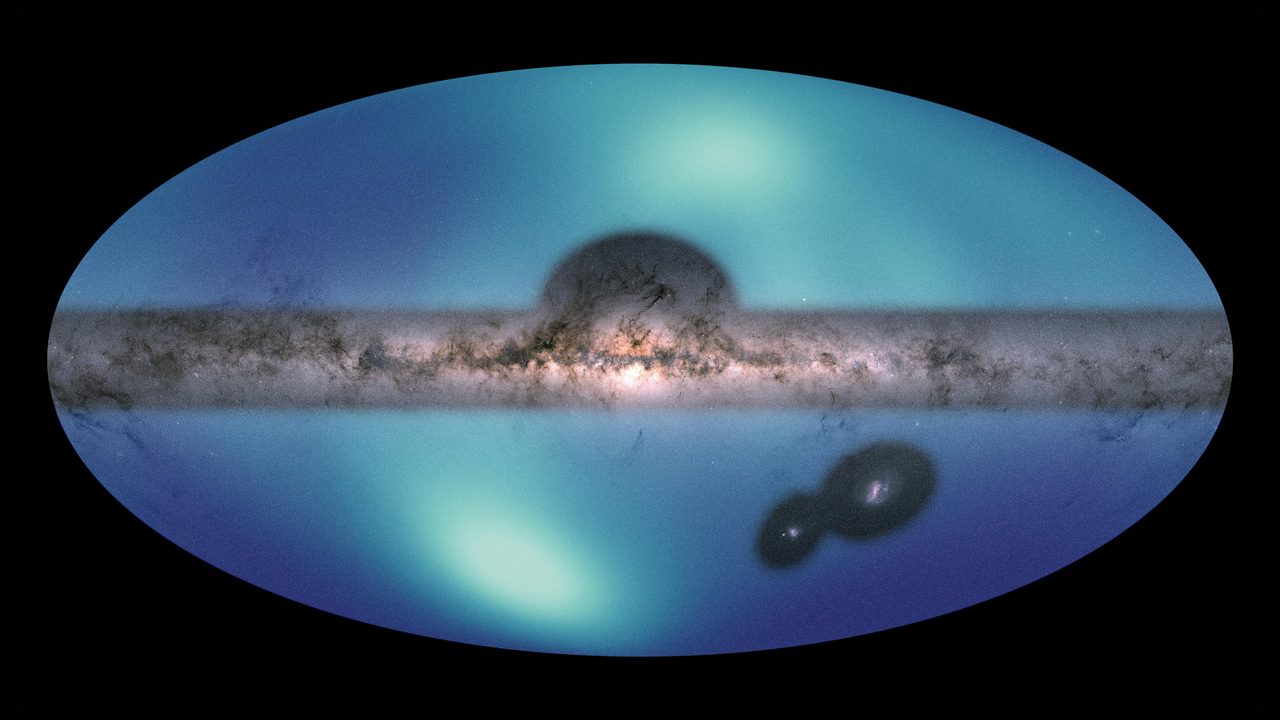
Gaia — ESA's Billion-Star Surveyor at L2
Gaia is a space observatory launched by the European Space Agency (ESA) with the primary mission of creating a precise three-dimensional map of the Milky Way. Launched on 19 December 2013 aboard a Soyuz-STB/Fregat-MT rocket from French Guiana, Gaia is designed to chart the positions, distances, and

How Spacecraft Dock with the International Space Station
Spacecraft docking with the ISS involves precise orbital mechanics and advanced technology to ensure a safe and successful connection.
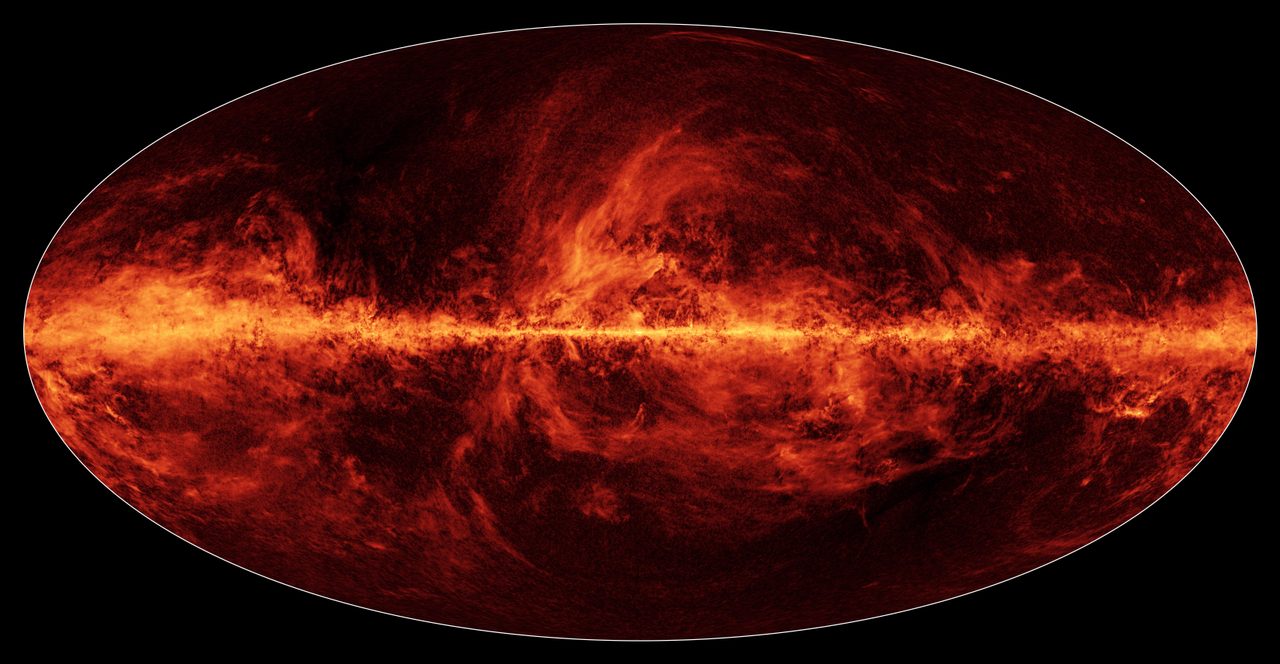
Gaia: ESA's Billion-Star Surveyor at L2
Gaia is a European Space Agency (ESA) satellite dedicated to astrometry, the precise measurement of stellar positions, distances, and motions. Launched on 19 December 2013 aboard a Soyuz-STB/Fregat-MT rocket from French Guiana, Gaia's mission is to create the most accurate and comprehensive 3D map o
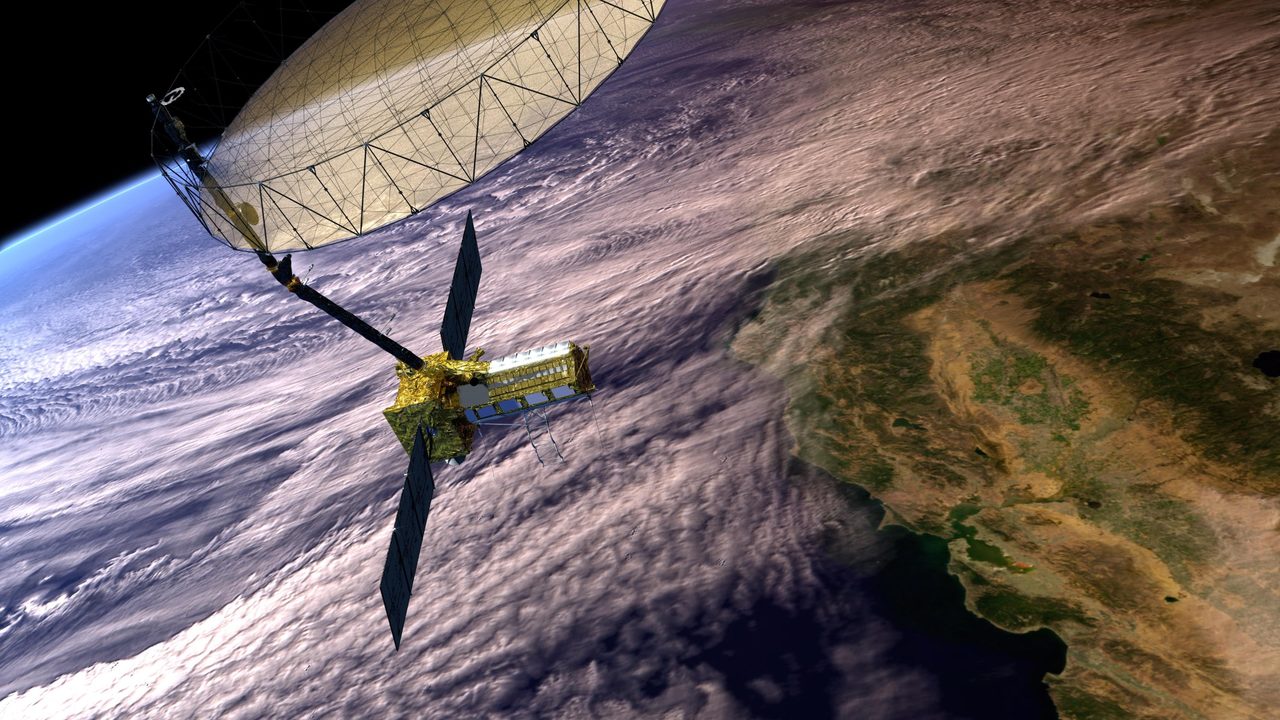
How Satellites Are Tracked: A Comprehensive Guide
Satellites are tracked using radar, optical telescopes, and radio signals, ensuring precise orbital data for over 28,000 objects.
Gaia: ESA's Billion-Star Surveyor at L2
Gaia is a European Space Agency (ESA) mission designed to create a precise three-dimensional map of the Milky Way galaxy. Launched on 19 December 2013, Gaia's primary objective is to catalogue approximately one billion stars, measuring their positions, distances, and motions with unprecedented accur
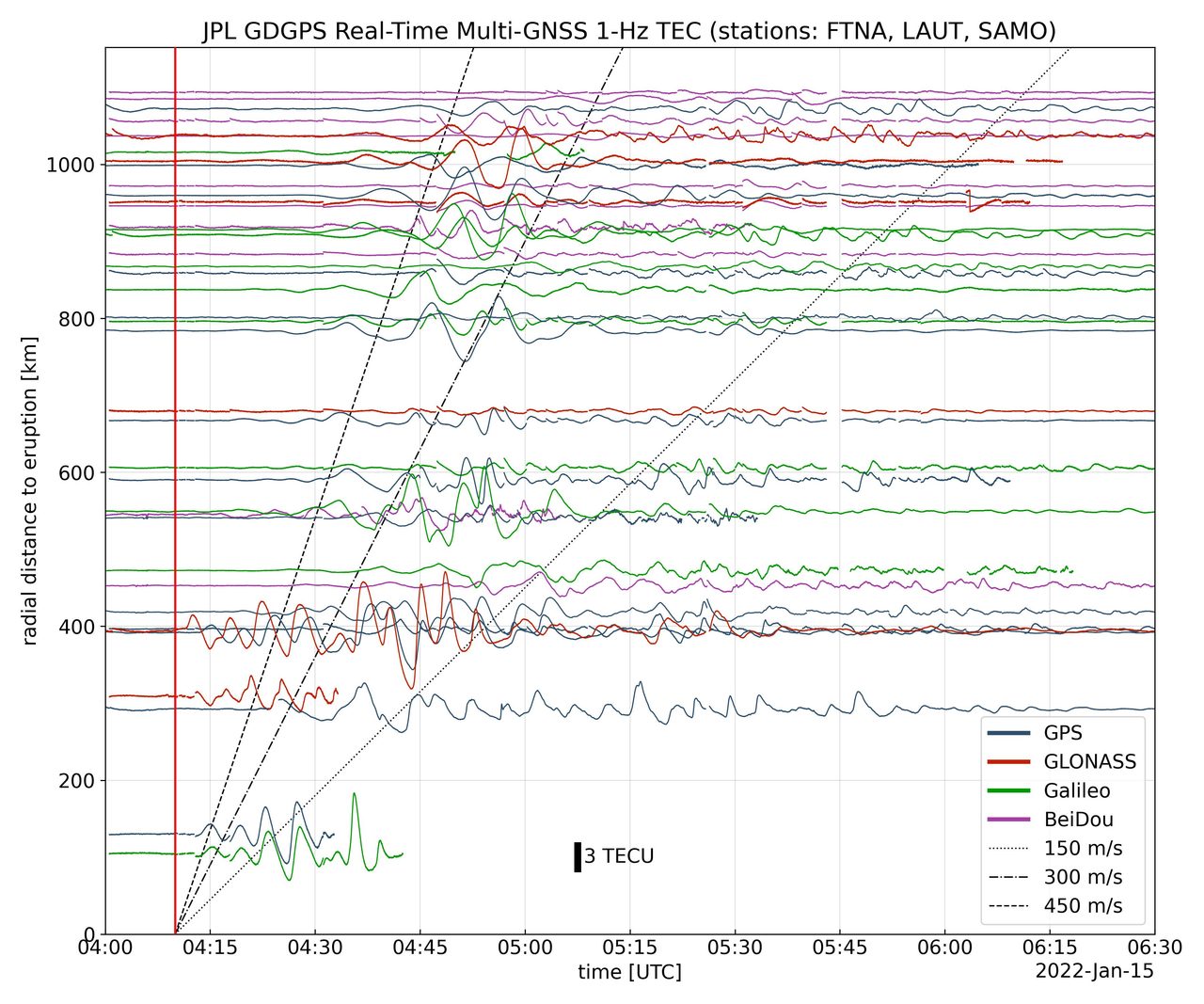
GLONASS-K: Russia's Advanced Navigation Satellites
GLONASS-K is the latest generation of Russia's Global Navigation Satellite System (GNSS), designed to provide precise positioning and timing services globally. The GLONASS (Global Navigation Satellite System) programme is Russia's counterpart to the United States' GPS and the European Union's Galile
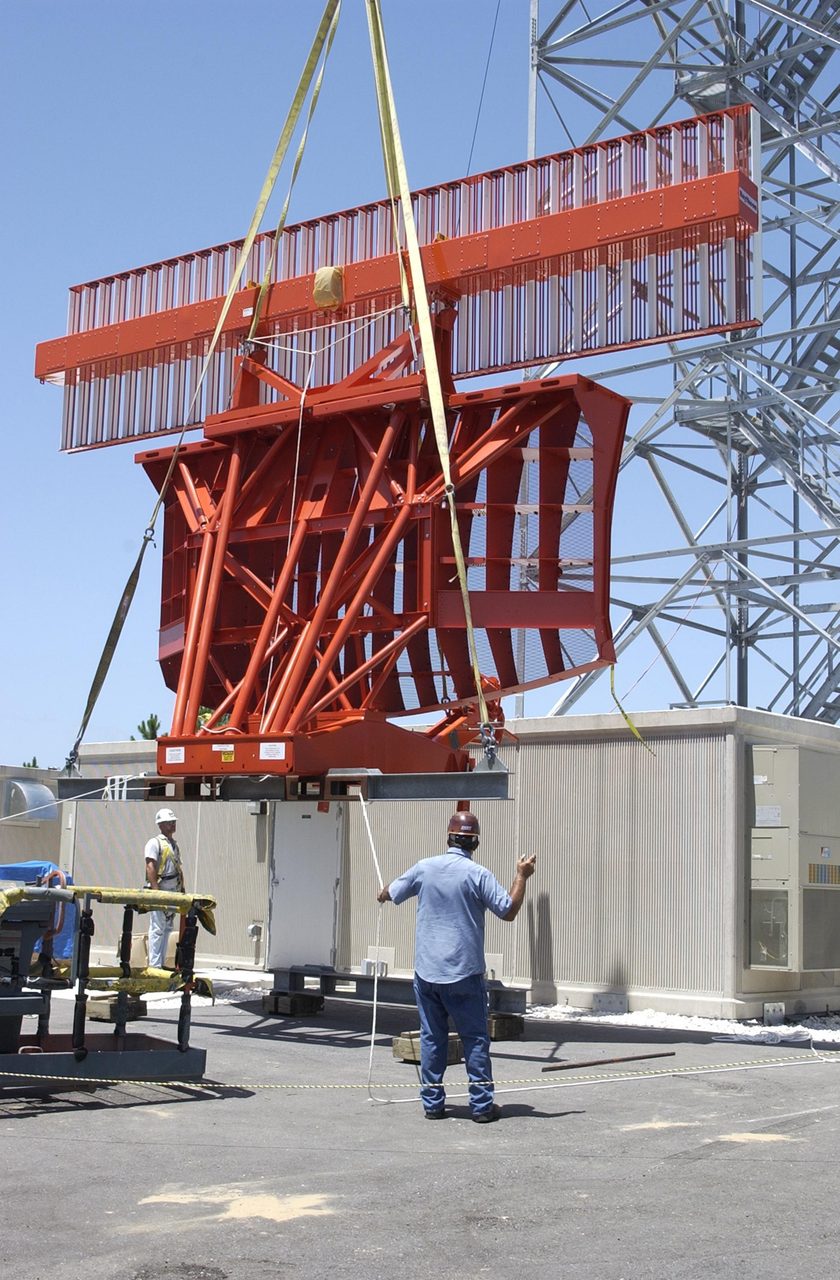
Close Conjunction Alert: OBJECT B and OBJECT D Approach Within 1.76 km
On 13 August 2026, at precisely 02:54 UTC, a close conjunction event will take place between two space objects designated as OBJECT B and OBJECT D. The minimum separation distance is estimated to be approximately 1.76 kilometres.
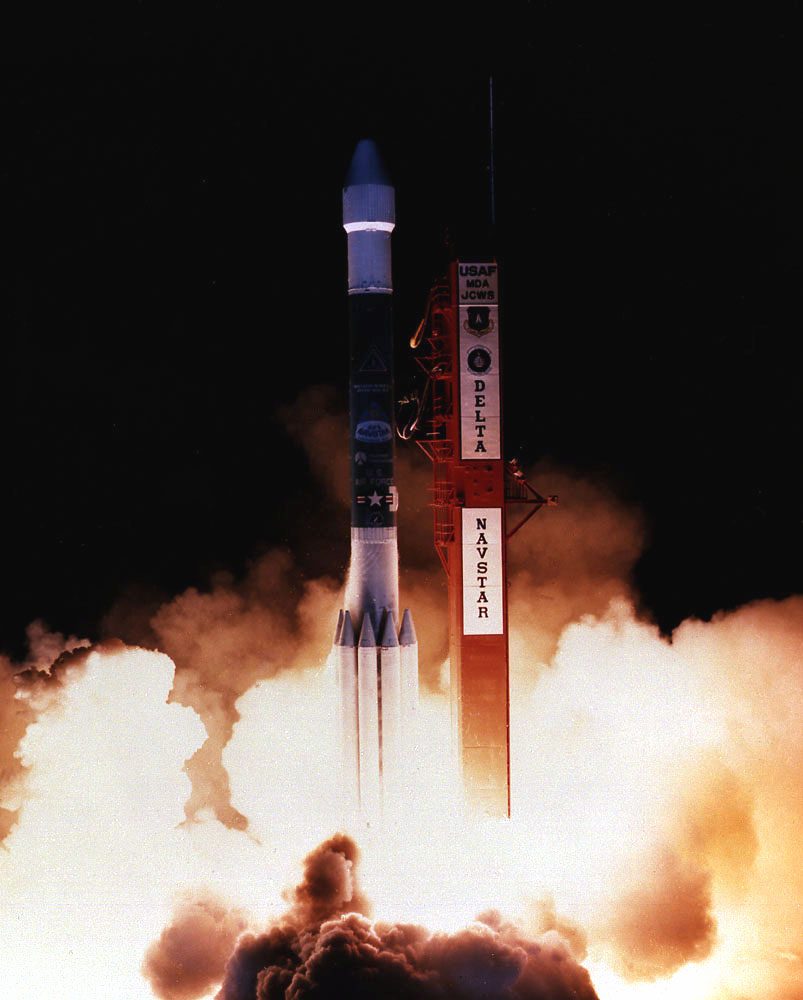
Military Satellites: Comprehensive Guide to Their Role and Function
Military satellites are spacecraft used for defence and intelligence. They play crucial roles in communication, navigation, and surveillance.
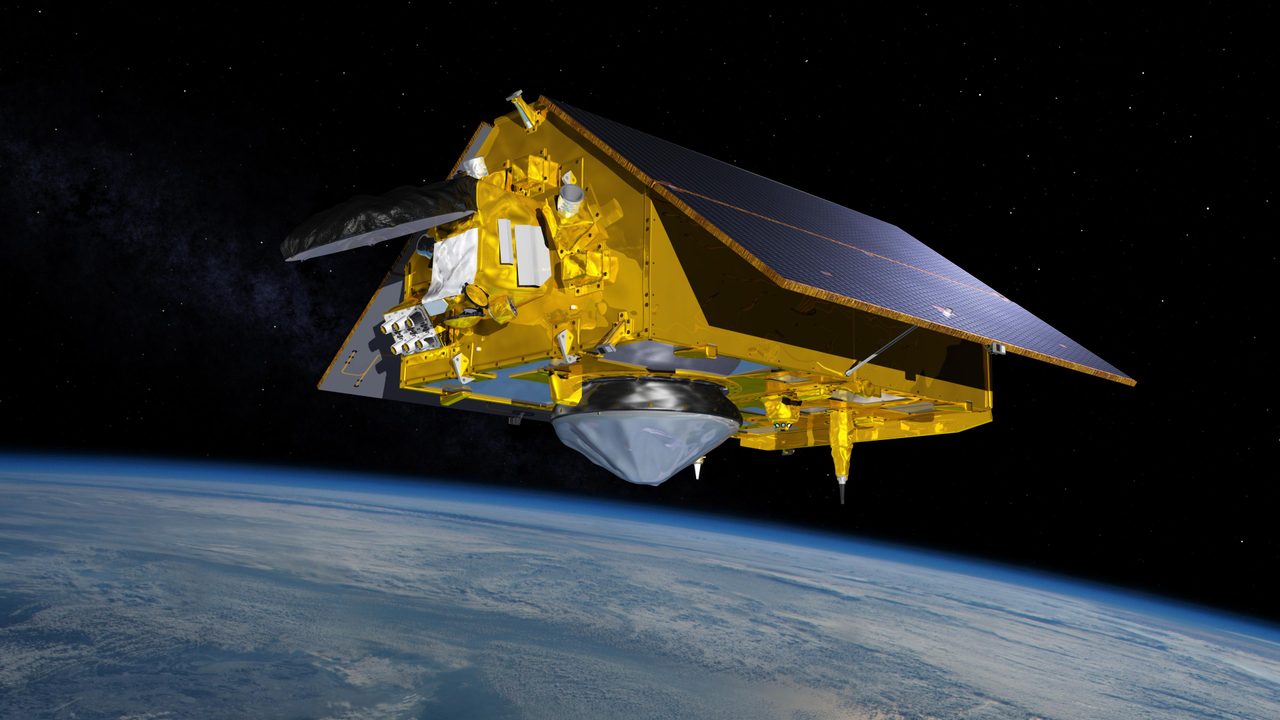
Track the 2026 Total Solar Eclipse Live with Orbital Radar
Follow the 12 August 2026 total solar eclipse live with Orbital Radar's Eclipse Tracker, offering precise timing and visibility data.
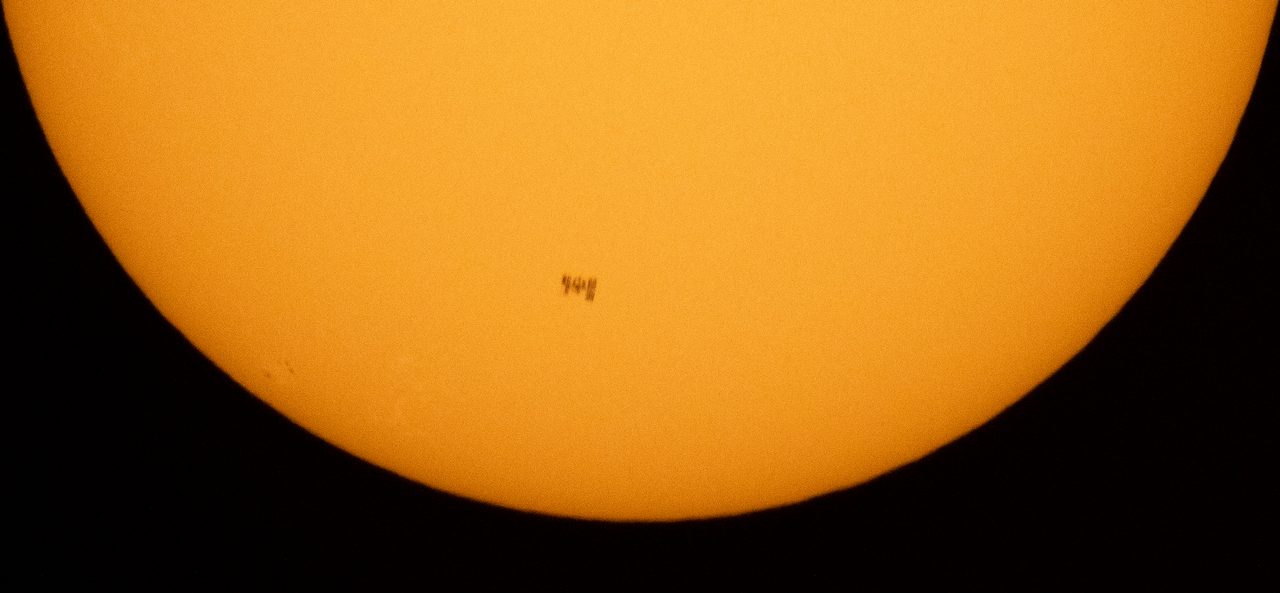
Understanding ISS Solar Transits: Viewing the Station Cross the Sun
An ISS solar transit is when the International Space Station crosses the Sun's disc, visible from specific locations on Earth.
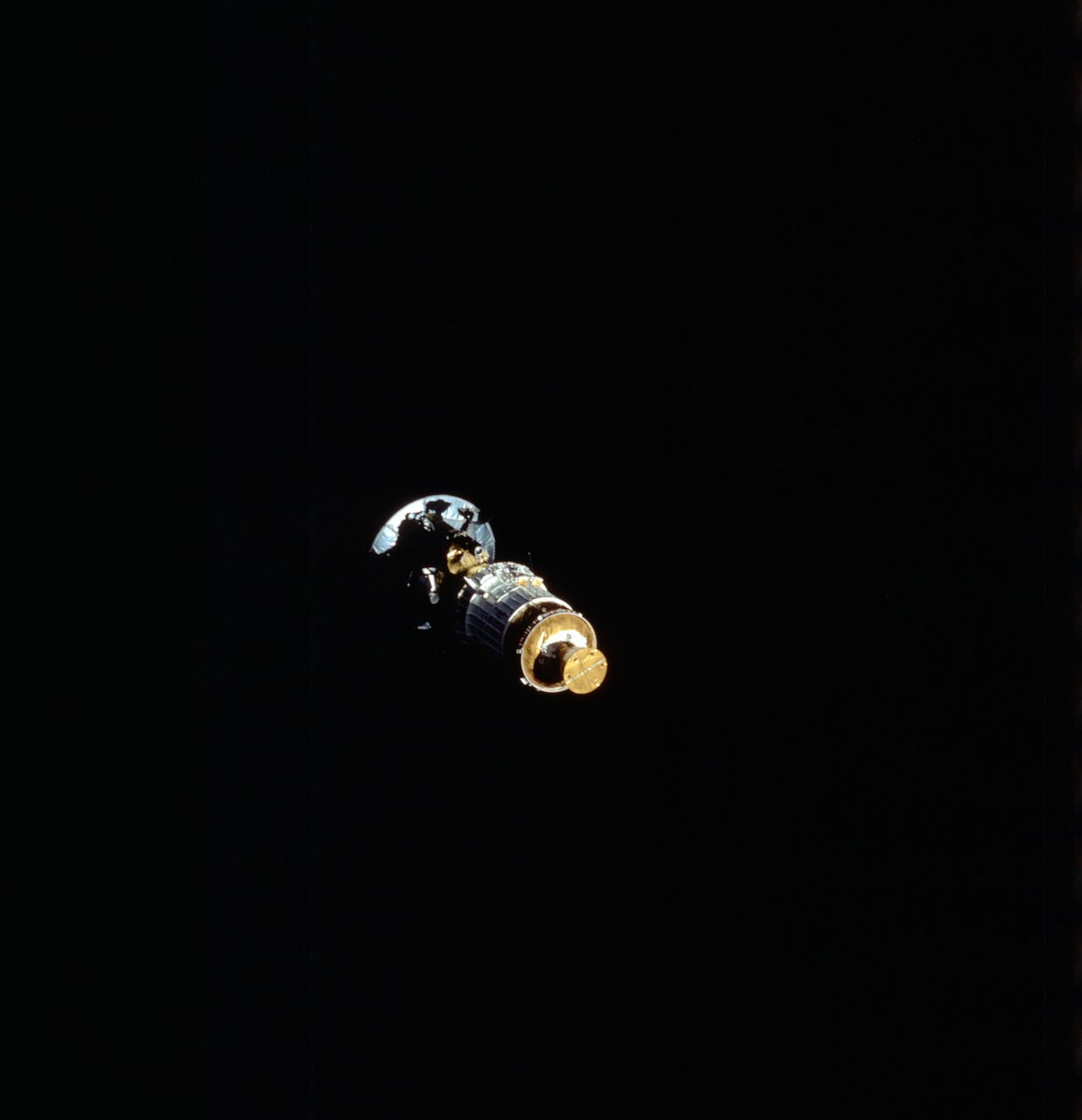
Galileo FOC: Europe's Navigation Constellation
Galileo FOC (Full Operational Capability) is the European Union's global navigation satellite system, designed to provide highly accurate positioning data worldwide. Unlike the United States' GPS or Russia's GLONASS, Galileo is a civilian-controlled system, managed by the European Union Agency for t